September marks a shift in jade plant care; discover key strategies to ensure its health through the changing seasons.
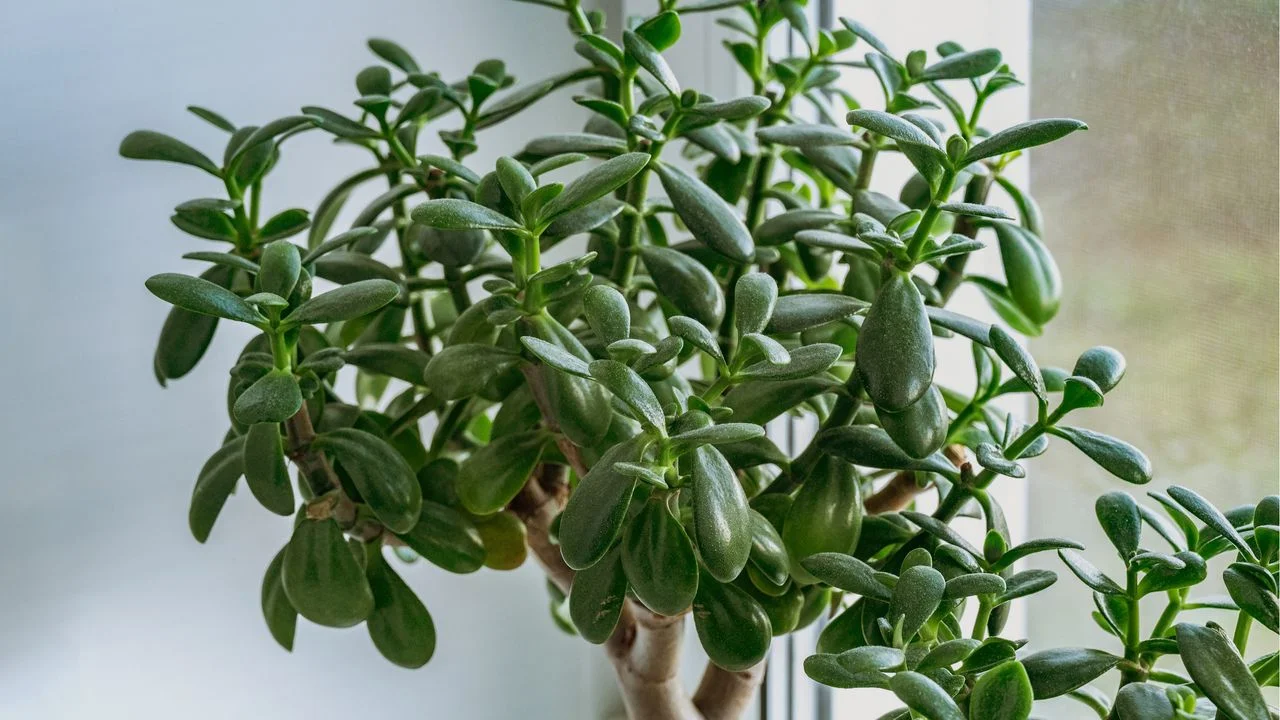
As September rolls in, jade plants, like many houseplants, need an adjustment in care routines. With the onset of cooler temperatures and diminishing daylight, it’s crucial to modify your approach to maintain their vitality. Neglecting these changes can weaken your jade plant, making it more susceptible to harsh winter conditions.
Here are the essential tasks to focus on this month to rejuvenate your jade plant after a warm summer, all while preparing it for the impending cooler season. Grab a soil moisture meter and your houseplant care kit, and let’s get started.
1. Relocate It Somewhere Brighter
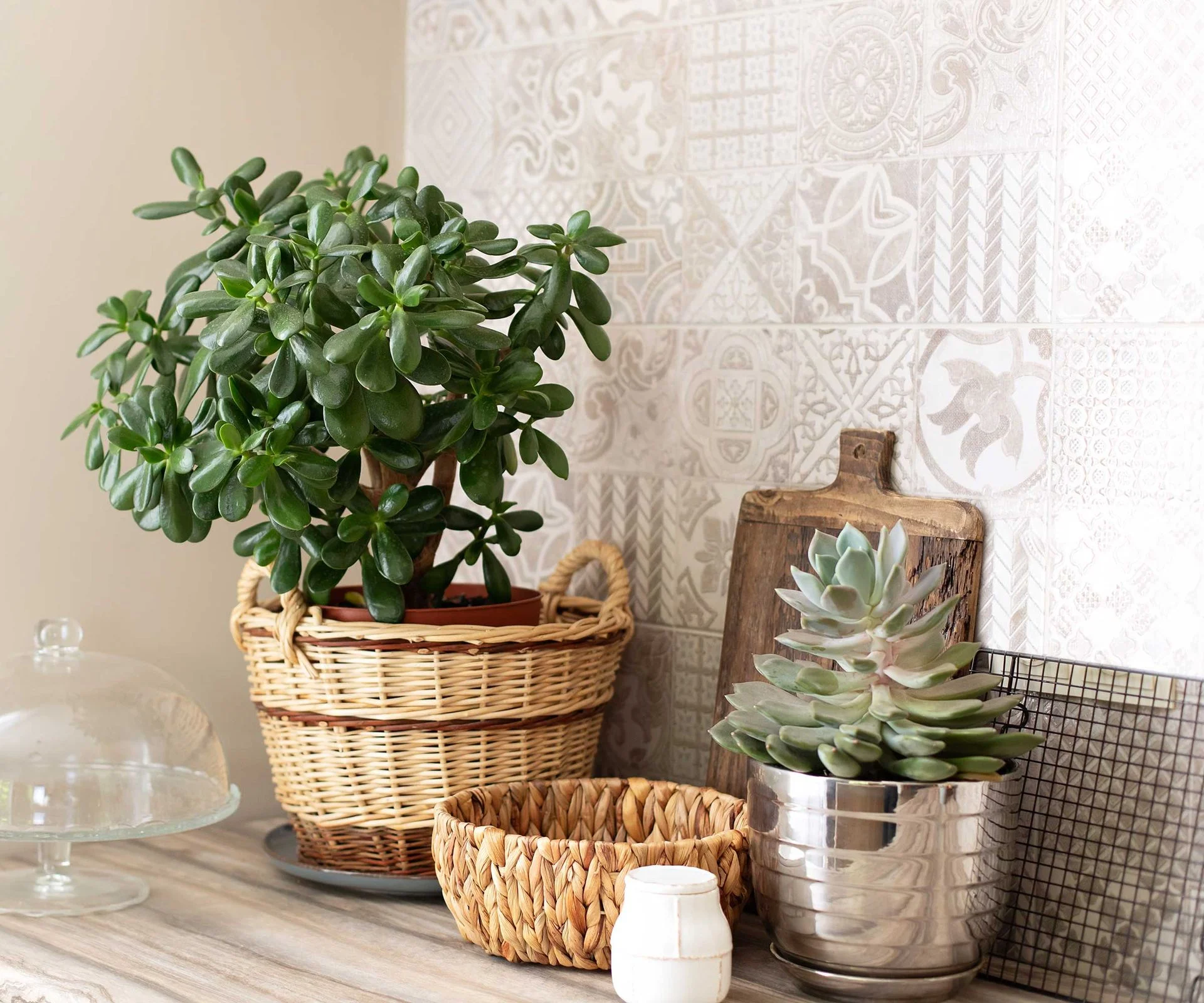
Transitioning into fall, one of the first actions I take is to reposition my jade plant for optimal light exposure. While a south-facing window might have been too intense during summer, it can provide the 4-6 hours of bright light jade plants require in the fall.
If your plant is placed in a dimmer area, it can lead to elongated, leggy growth that compromises its aesthetic appeal and health. In such cases, you might need to prune back to just above a leaf node, allowing for gradual improvement in light exposure and more compact growth.
2. Reduce Watering
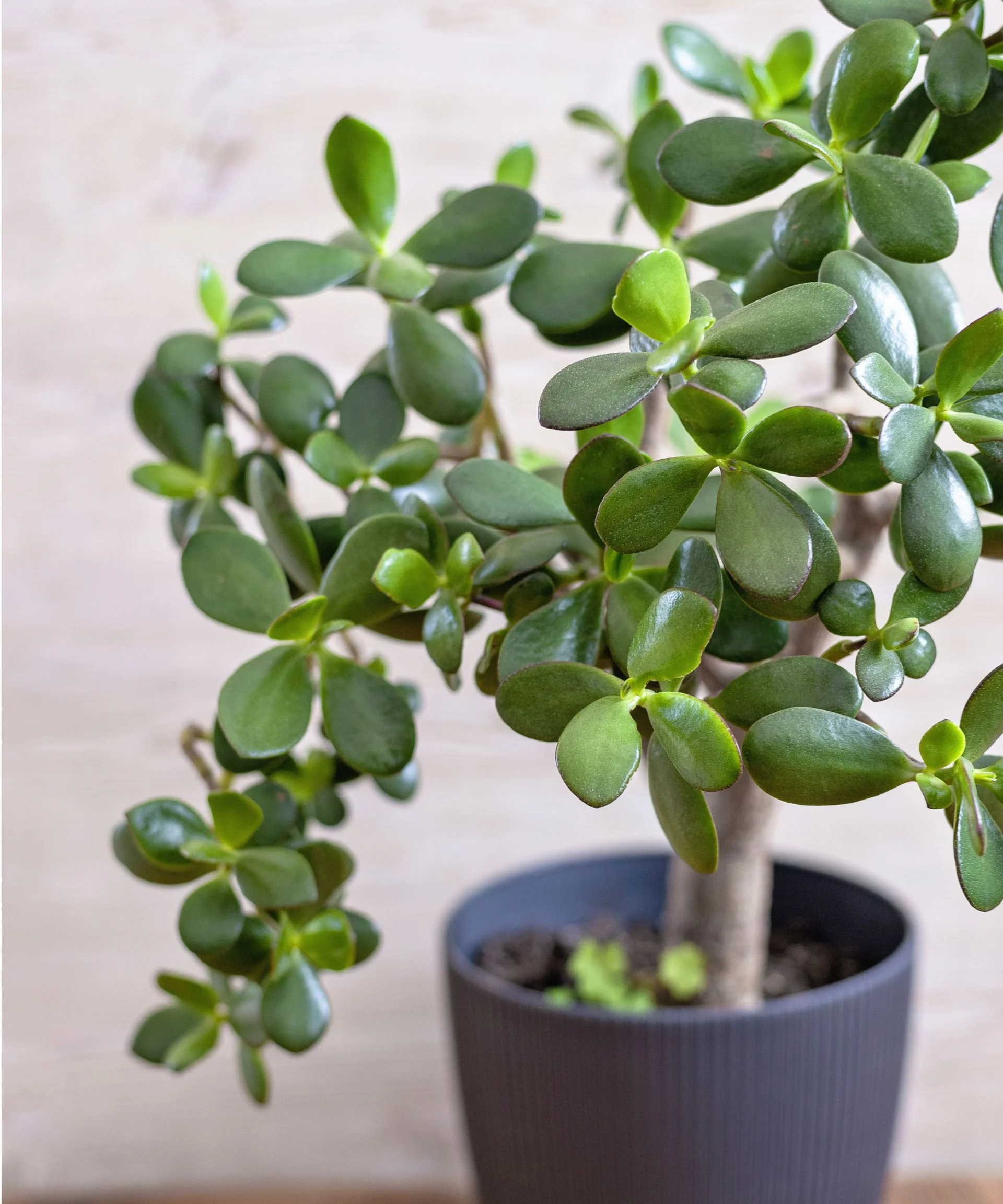
During its active growing phase in spring and summer, jade plants need regular watering. However, as late summer transitions into fall, their water requirements diminish significantly. Being succulents, jade plants are particularly vulnerable to overwatering and root rot, necessitating a thorough drying out of the soil between watering.
Cooler temperatures in September mean moisture will evaporate more slowly, so it's wise to check soil moisture before reaching for your watering can. A soil moisture meter can be a valuable tool for this. If you're concerned about overwatering, consider the method of bottom watering to ensure proper root hydration.
3. Check For Pests
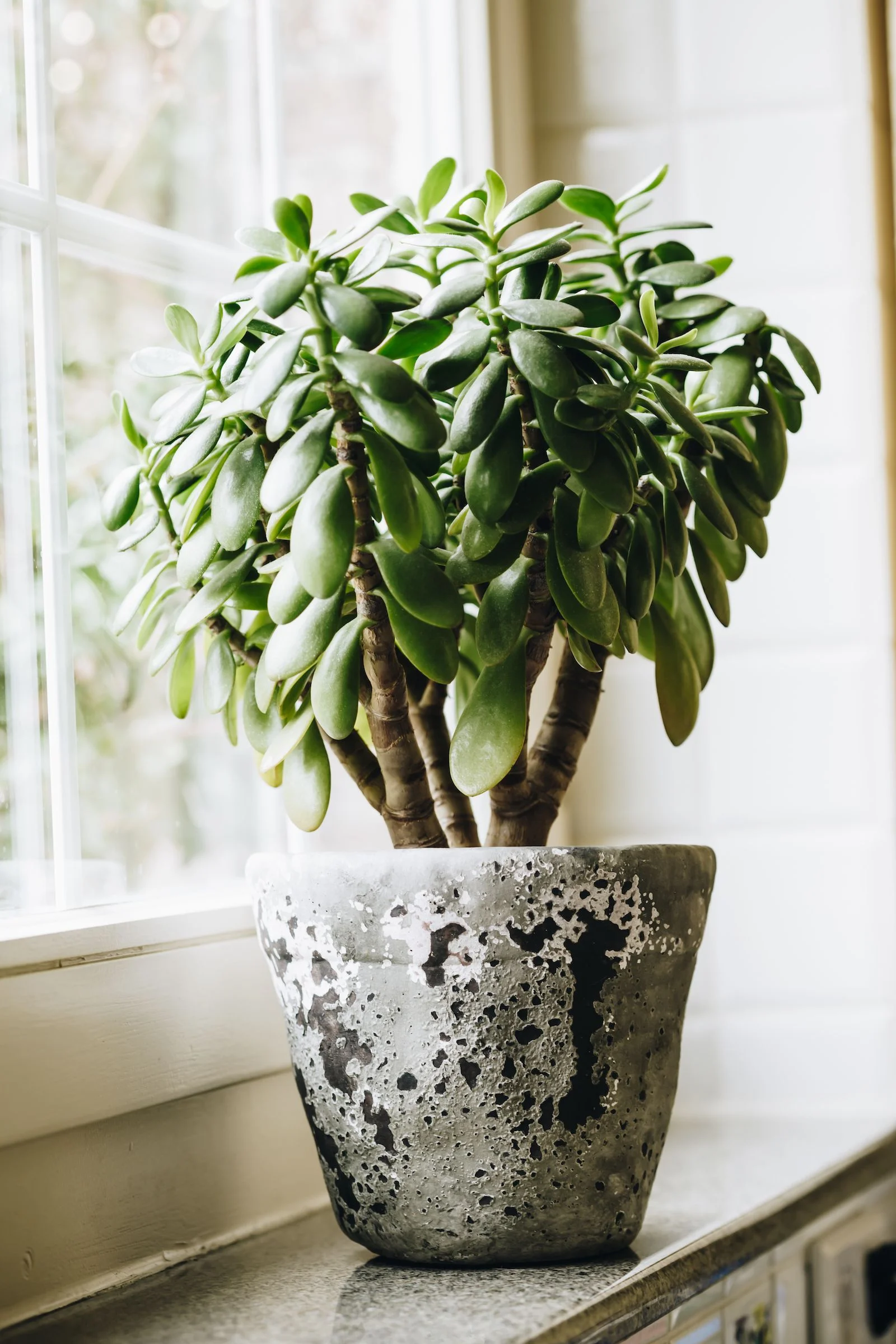
The end of summer is an opportune time to inspect jade plants for pests and diseases. Mealybugs, spider mites, and scale can flourish in the dry conditions that often accompany summer. If not addressed, these pests can proliferate quickly, jeopardizing the health of your plants.
Look underneath the leaves for any signs of unwanted visitors and deal with infestations promptly. Regularly cleaning leaves can discourage pest infestations, and incorporating organic neem oil can further support a pest-free environment.
4. Stop Fertilizing
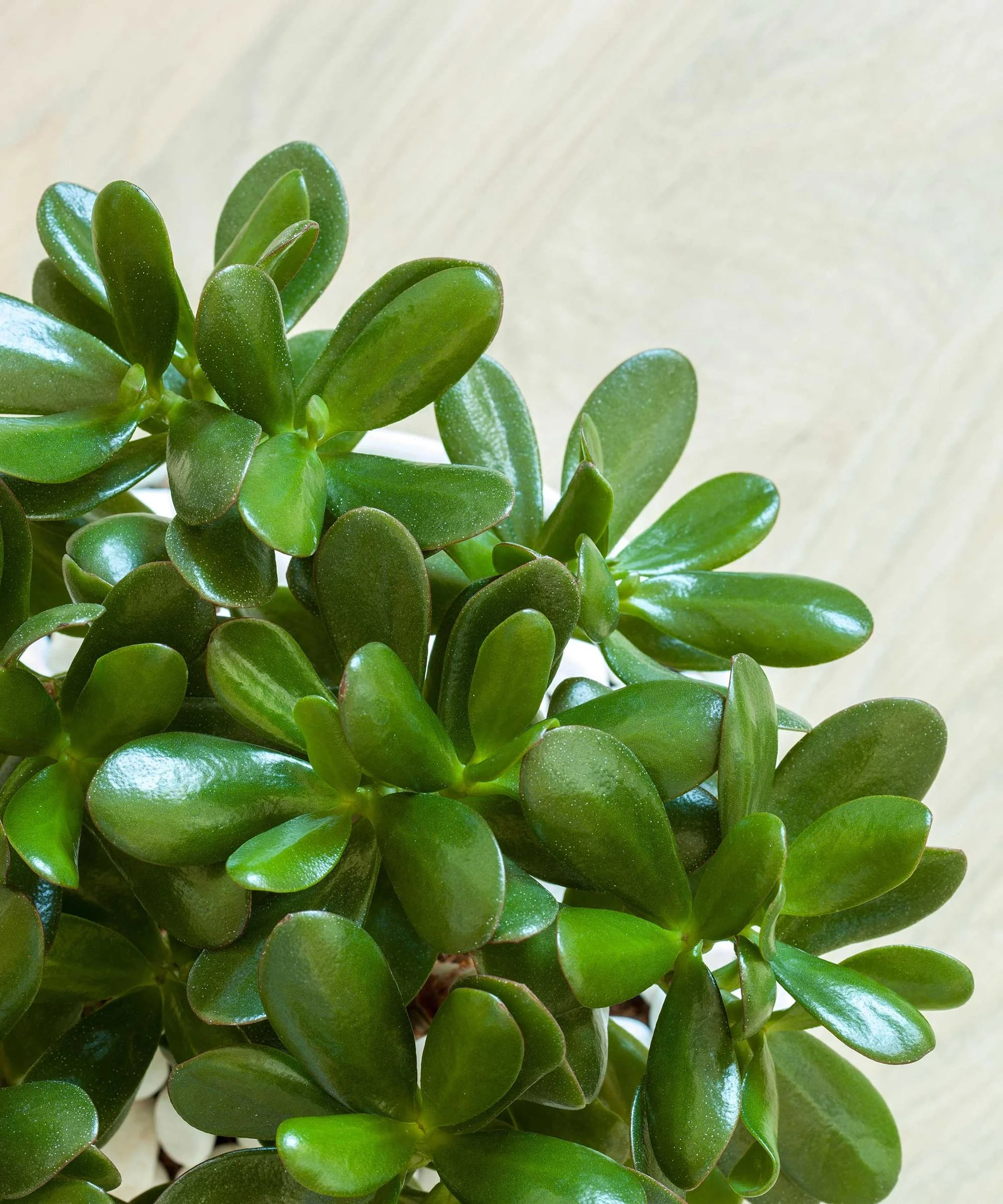
Fertilization is beneficial during active growth periods, but by September, the jade plant’s roots are less capable of absorbing nutrients. Continuing to fertilize can lead to soil saturation and root burn, resulting in various issues such as leaf drop and discoloration.
Avoid promoting new tender growth which won’t withstand the cooler conditions ahead. Instead, prepare a jade plant fertilizer to apply next spring as your jade begins to reawaken.
5. Propagate Your Jade Plant
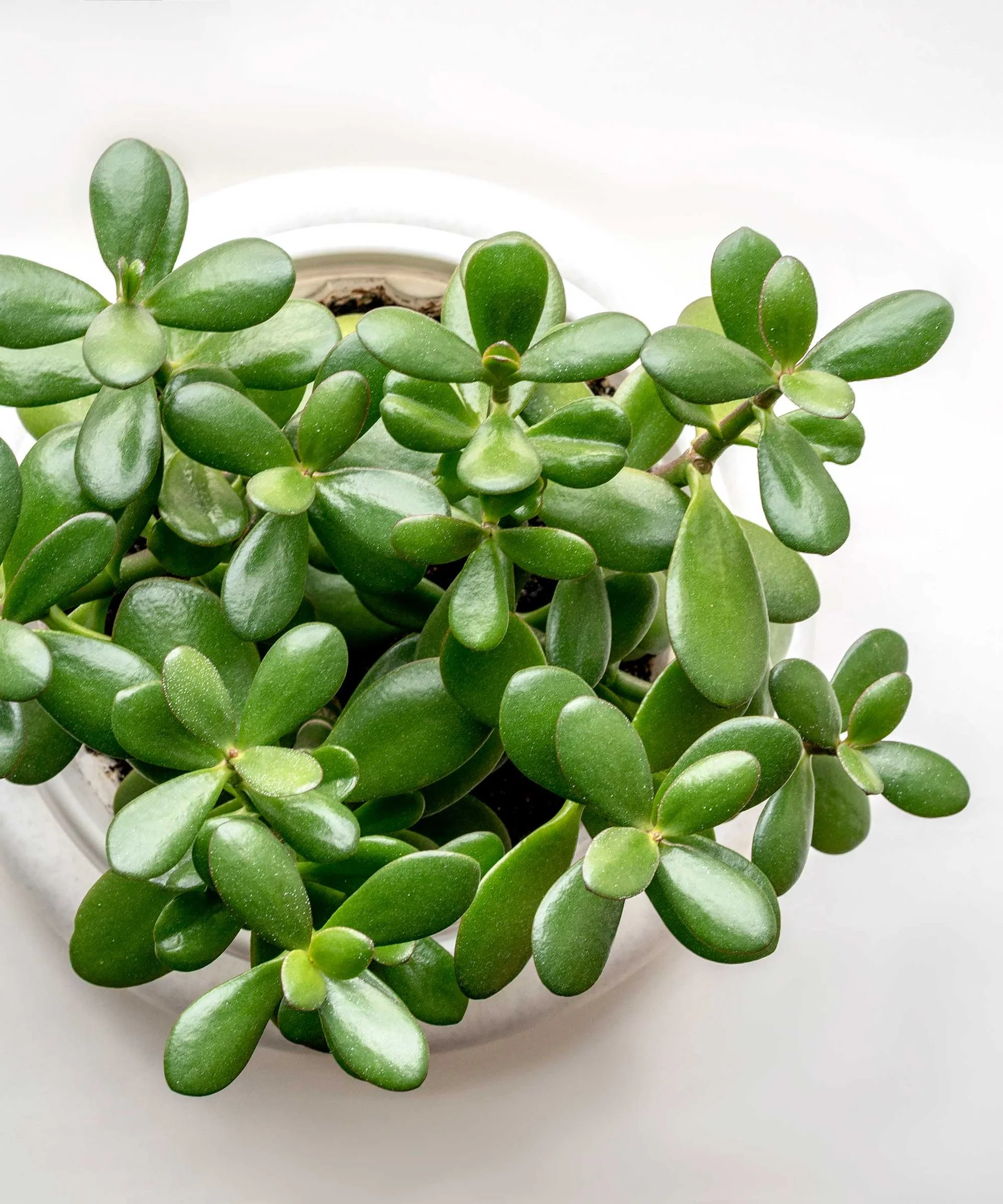
September is an ideal month to propagate jade plants with the residual warmth and light aiding root development. When propagating, choose a stem cutting around 3-4 inches in length. Ensure you cut just below a leaf node for effective rooting.
Allow the cutting to form a callus and then dip it in rooting hormone before setting it in potting mix. Keep the cutting warm and watered, and it should root effectively.
As the seasons shift, remember that jade plants can require extra attention to thrive during colder months. Should your jade suddenly drop leaves, reassessing your watering methods might prove beneficial. September is also a suitable time for repotting if your plant has outgrown its current container.


Discussion
Sign in to join the discussion.