Brooklyn Beckham and Nicola Peltz masterfully utilize soft pink tones in their dining room to embody warmth without overwhelming minimalism.

Warm minimalism takes on a new dimension in Brooklyn Beckham and Nicola Peltz's Beverly Hills dining room, where soft pink adds sophistication rather than distraction. The centerpiece, a pale pink marble table, contrasts beautifully with floor-to-ceiling cream drapes, complemented by simple white dining chairs. This curated aesthetic not only reflects modern design trends but also emphasizes a cohesive vision that marries elegance with comfort. The choices made in this space highlight the evolving preferences in interior design that lean towards a minimalist approach infused with personal style.
Color Palette and Design Choices
The overall color palette leans heavily on cream, white, and pale stone, allowing the pink to breathe within the space. These hues aren’t solely for aesthetics; they promote a sense of calm and balance that is fundamental to warm minimalism. Subtle touches, like a vase of blush roses echoing the marble's delicate veining, enhance the room’s lightness while adhering to the principles of this design philosophy. The strategic use of colors encourages an open and airy atmosphere that can make even smaller spaces feel more expansive.
If you're working in this space, consider how color psychology plays a role in your design decisions. The right palette can elicit specific emotional responses from inhabitants and guests alike. Given how pale pink has emerged as a sophisticated choice, it clearly demonstrates a departure from more traditional palettes that might have relied heavily on grays and beiges. Blush tones convey warmth and intimacy without overwhelming the senses, making them ideal for communal areas like dining rooms.
Integrating Pink into Your Interiors
Those looking to integrate pink into their interiors without letting it take over will find a worthy blueprint in this dining area. The stunning Rose Quartz dining table, crafted locally in L.A., stands out as a timeless investment piece that could elevate any space. Its exquisite design inspires admiration and is available for those ready to embrace its understated luxury. In a world where trends come and go quickly, this piece seems positioned to remain relevant, appealing to those who appreciate quality over quantity.
What this means for you, if you're looking to incorporate pink, is that careful selection of a statement piece can set the tone for the entire room. This dining table exemplifies that philosophy, offering a focal point that elegantly complements the warm minimalism surrounding it. The emphasis on craftsmanship and material can also serve as a conversation starter, ensuring that the design isn't merely decorative but also deeply connected to the space's identity.
Explore Brooklyn and Nicola-Inspired Decor
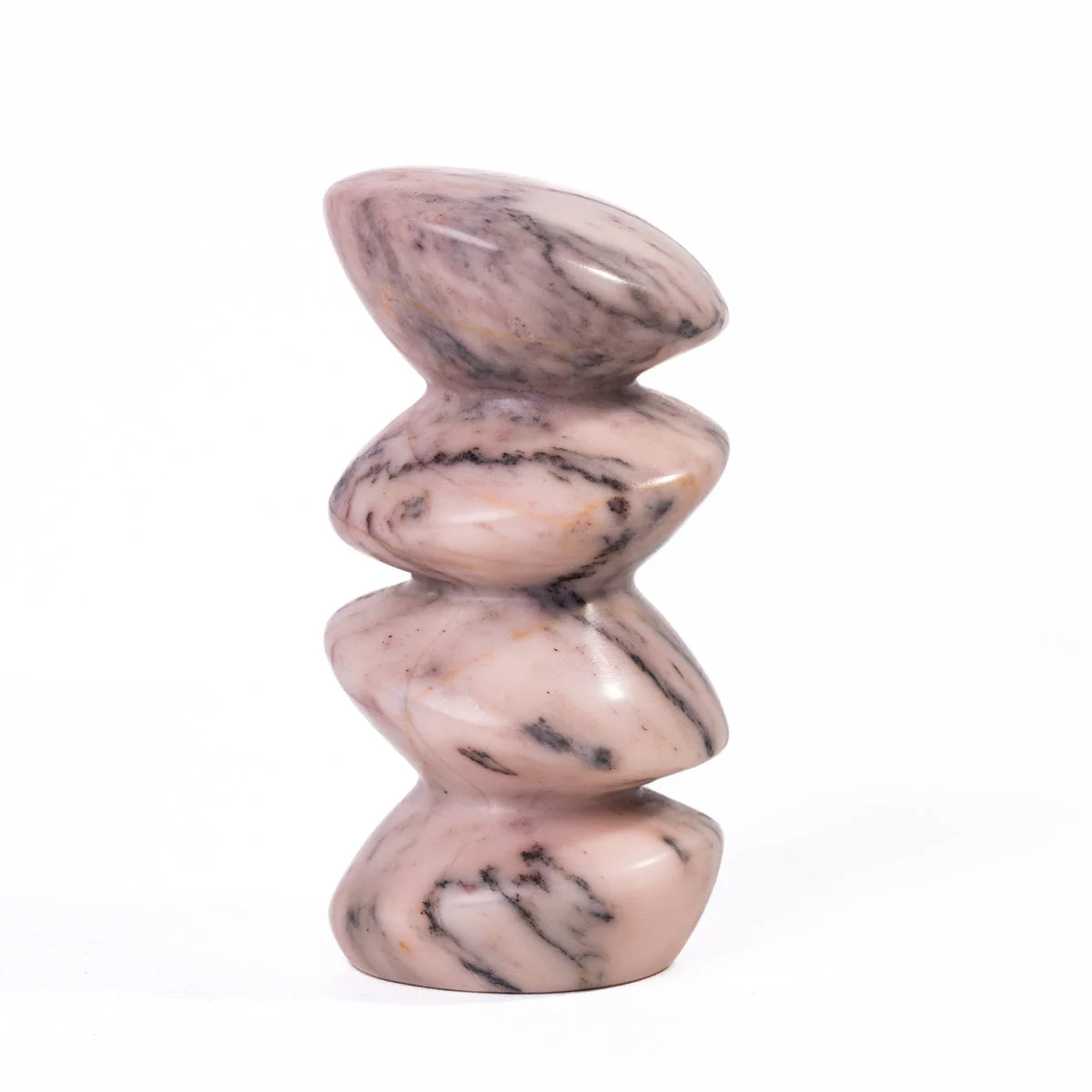 Hand-carved
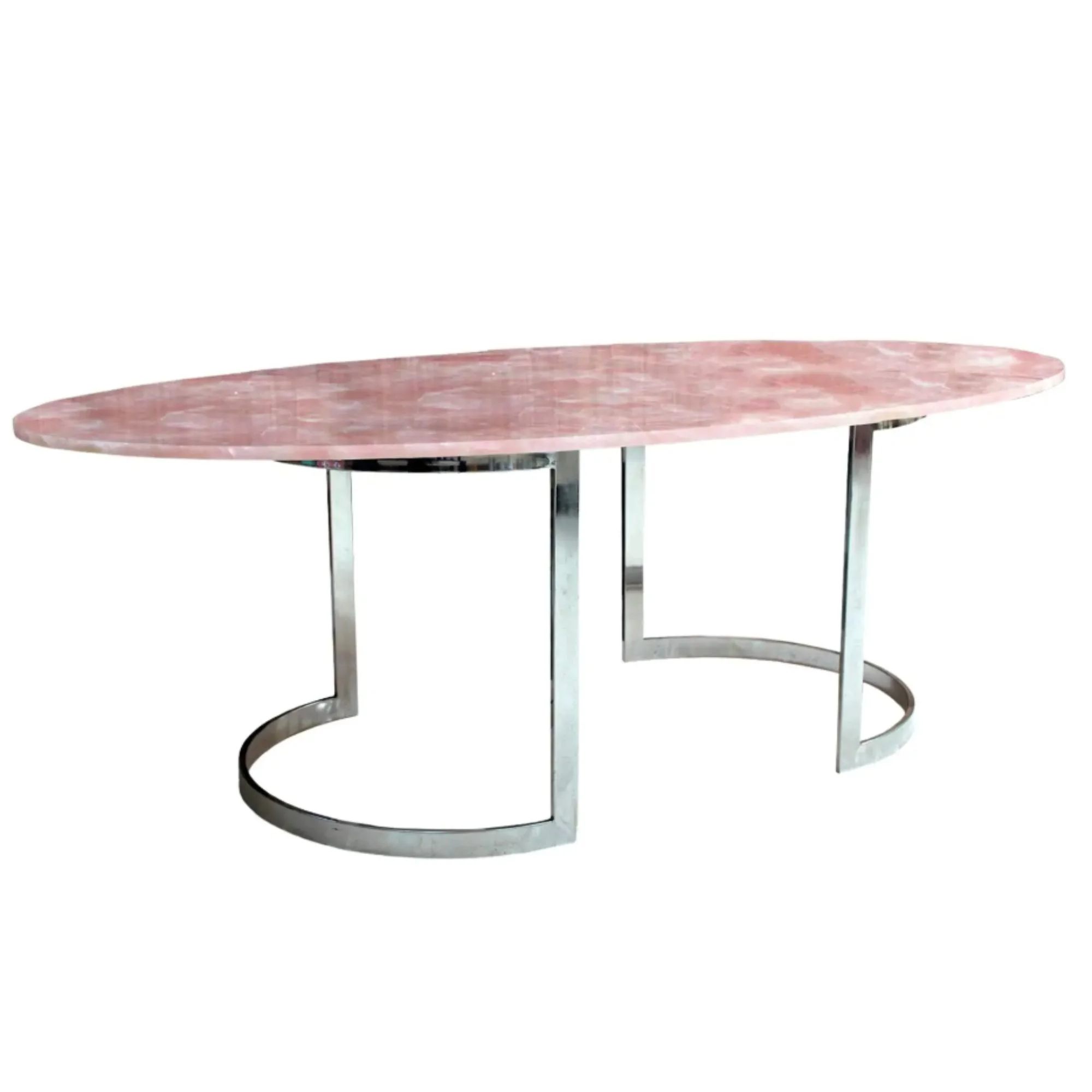 Contemporary Design
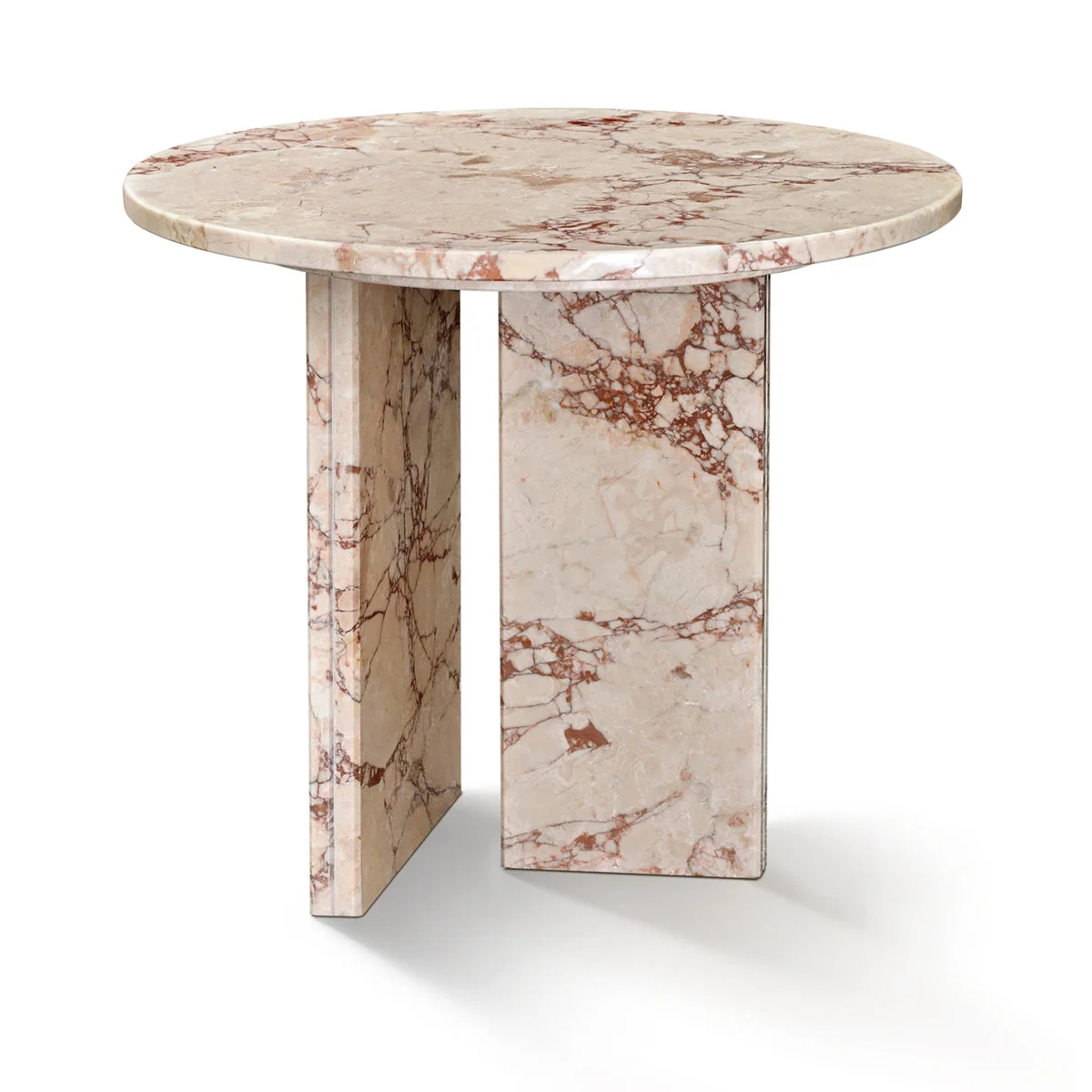 Genuine Stone
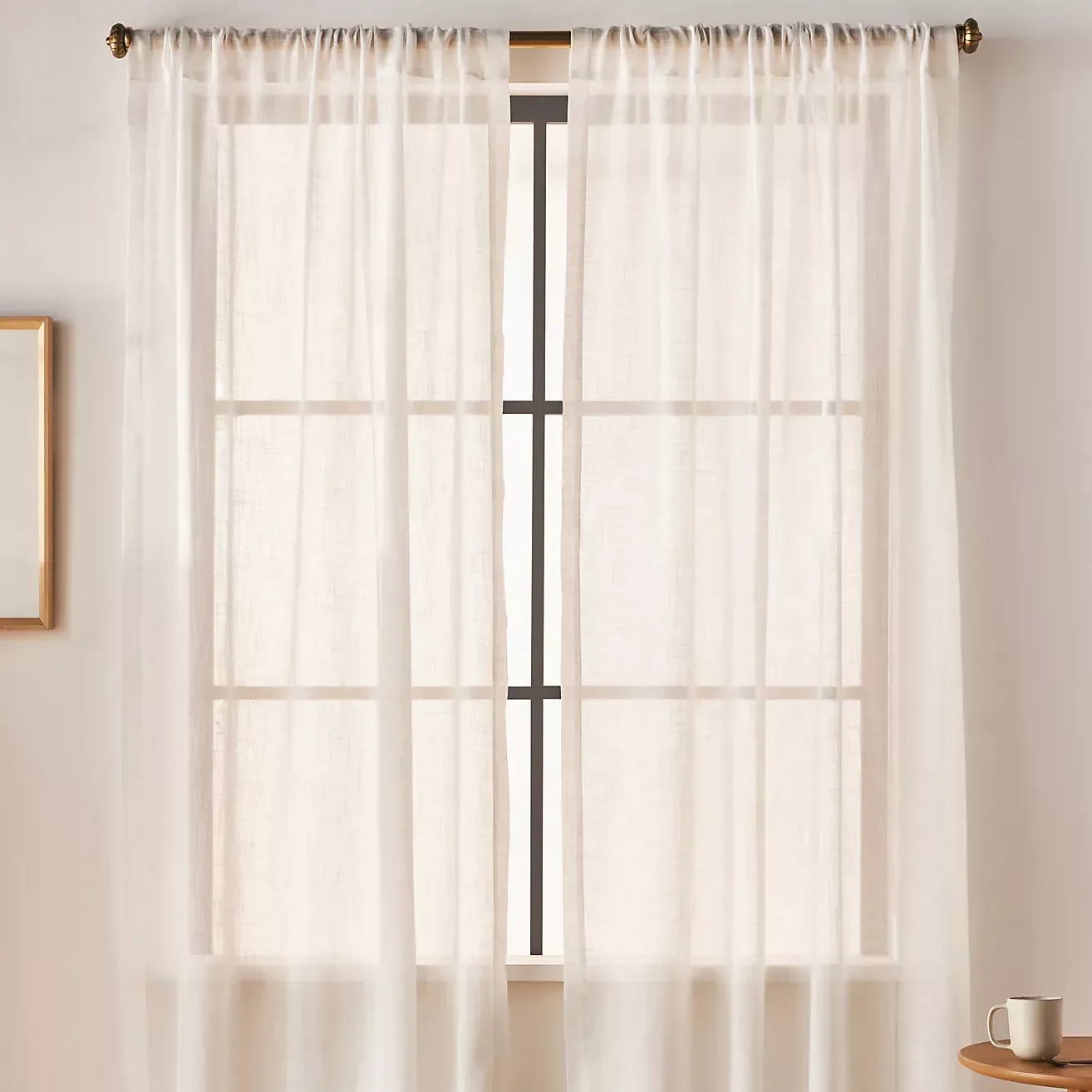 Creates Soft Light
Pink as an Emerging Color Trend
As we approach 2027, pink is surfacing as a preferred alternative to more traditional neutrals, allowing homeowners to introduce color without overwhelming the senses. Cari Bateman, senior designer at Neville Johnson, remarks on the color's adaptability, suggesting that a subtle palette brings both comfort and warmth. This shift signifies a broader trend in interior design; as lifestyles become more casual and home environments transform into personal retreats, the need for spaces that evoke positive feelings grows.
The dining room's use of pale marble in conjunction with creamy elements and white seating reflects the natural integration of color. Bateman emphasizes that pink can transform the energy of a room, providing an inviting atmosphere without cluttering the visual space. It’s this transformation that’s compelling many designers and homeowners to rethink their color strategies.
For those seeking more vibrancy in their homes, shades like muted coral and deeper tones such as maroon and aubergine serve as alternatives to pink's softer palette. With careful layering, like in Brooklyn and Nicola's dining room, incorporating pink offers a chic route to inject warmth and style while maintaining a minimalist ethos. This layering technique is an essential takeaway for anyone looking to design with intention, proving that minimalism doesn't have to feel cold or stark.
Implications and Future Outlook
This adaptation of pink suggests a larger cultural shift towards flexibility in home decor. As attitudes surrounding color change, we might see an increase in personalization across interior spaces, where people feel empowered to embrace hues that resonate with them on a deeper emotional level. Designers may begin experimenting with more bold and unconventional palettes in various home environments—restaurants, offices, even public spaces—as a means of creating more engaging atmospheres.
But here's the thing: This popularity of pink might not just be a trend; it could signal a lasting evolution in design aesthetics. If more homeowners take cues from Brooklyn and Nicola, we might witness a widespread re-evaluation of how color is perceived within domestic spaces. Pink offers not just a visual appeal, but also a sense of belonging, warmth, and comfort. As such, its rising status in design reflects a societal yearning for spaces that nurture rather than merely shelter.
Consider this approach as a detailed guide for anyone aiming to enhance their own living spaces with minimalism, warmth, and character. The interplay of materials, colors, and decor choices has the potential to shape experiences, making your home not just a space, but a sanctuary.



Discussion
Sign in to join the discussion.