Moving orchids to a cooler location in September can significantly enhance their blooming potential for spring. Here's how to do it effectively.
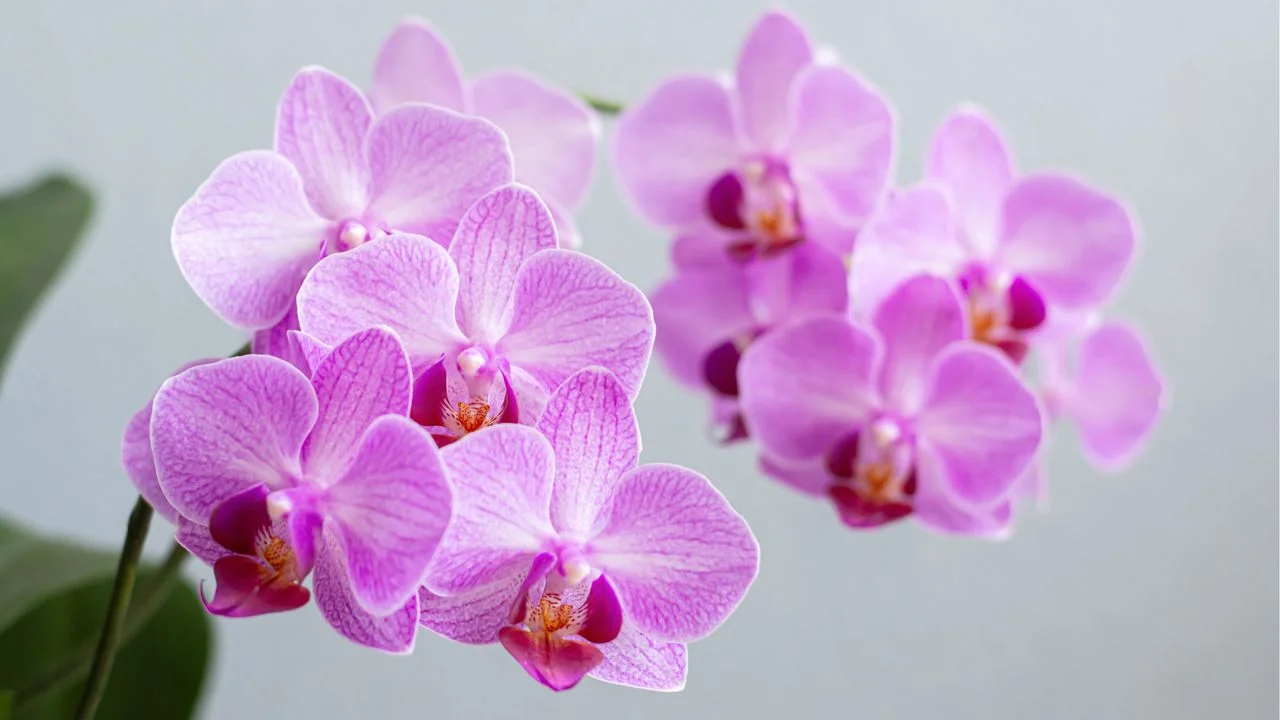
As orchid enthusiasts prepare for the next bloom cycle, September serves as a critical month for ensuring successful flowering in spring. The key? Relocating your orchids to cooler conditions. This simple change can stimulate new flower spikes and potentially result in blooms as early as late winter.
The most commonly grown indoor orchid, the moth orchid (Phalaenopsis), thrives on seasonal temperature fluctuations. In their native habitats of tropical and subtropical regions across Asia, orchids naturally experience a drop to 55-65°F during the fall nights. This temperature shift plays a pivotal role in triggering the growth of new flower spikes. However, indoor conditions often lack this essential element, which can lead to plants failing to reflower.
Understanding the Temperature Shift
The change in temperature is more pronounced outdoors, signaling the plant to prepare for the next blooming cycle. “By moving your orchid to a cooler area, you create a temperature differential that indicates fall is here, prompting the plant to initiate flower spike growth,” advises Adrian Aviles, a houseplant expert. Without this crucial temperature change, especially in homes with consistent heating, orchids may suffer from delayed or insufficient blooms. This is where many novice orchid caretakers can falter. They might assume that simply keeping their plants alive is enough, but the subtle indicators of seasonal change are what really drive flowering.
Choosing the Right Location
Finding an appropriate spot for your orchid requires careful consideration. It’s not merely about making things colder; you must also avoid drafts that could shock the plant. “A bright room with natural evening temperature drops is ideal,” suggests Aviles. It’s a delicate balance; direct blasts from air conditioning or heating sources can be detrimental, so seek out a location that balances light exposure with the cooling effects of the evening air. This is more significant than it looks. Many indoor spaces maintain temperatures that are far too uniform, neglecting the crucial differing conditions that orchids thrive on.
Monitoring your orchid's environment is vital. Utilize a room thermometer to ensure you maintain temperatures of 55-65°F at night. This practice can seem tedious, yet it’s essential for aligning indoor conditions with what orchids naturally seek. The more precise you can be with their environment, the better the chances of witnessing those much-anticipated blooms.
While you’re adjusting temperatures, remember that orchids also require bright light for photosynthesis. Adequate light exposure is just as pivotal as temperature; without it, even the best attempts at mimicking their native conditions will fall short. To increase humidity levels during those drier fall months, consider options like using a pebble humidity tray to provide moisture in the air. This helps sustain the plant's overall health while it prepares for flowering. And after all, what's the point of nurturing them if you don’t set the right stage for their splendor?
Timing the Transition
Maintain your orchid in the cooler spot for several weeks. You’ll want to keep an eye out for the emergence of new flower spikes at the base of the plant. Once these begin to develop, you can safely relocate your orchid back to a warmer, stable environment conducive to blooming. This period may feel like an eternity, but patience is key here.
However, handle the transition carefully. Reintroducing the plant to warmth can be another shock if not done gradually. Sudden changes in light or temperature could hinder bud development or cause buds to drop altogether. Timing plays a significant role in ensuring that your efforts pay off. Mistakes during this phase can lead to a frustrating experience, leaving you wondering what went wrong.
In addition to placing them in the right temperature and humidity conditions, don’t overlook other care details. It's a myth that constantly misting orchids boosts humidity—this method has limited effectiveness. Instead, strategically increase humidity through environmental control and consider investing in a portable humidifier for more efficient moisture delivery. (And this is the part most people overlook.) Many orchid caregivers miss this detail, focusing solely on lighting and temperature while neglecting humidity—a mistake that can diminish the overall health of the plant.
The Implications for Orchid Enthusiasts
As you prepare to nurture your orchids this coming season, remember that subtle changes to their environment can lead to beautiful results. Monitoring temperature, light, and humidity can make all the difference between a bland winter and a visually stunning spring bloom. If you're working in this space, these small adjustments are not just tips; they represent a strategic approach to cultivating your plant’s potential. The effort you put into understanding and manipulating these factors could yield displays of brilliance that enhance your home and your spirits.



Discussion
Sign in to join the discussion.