Unlock the secrets to keeping your pothos plant healthy and vibrant with expert advice on care, placement, and maintenance.
Pothos plants have a well-earned reputation for being resilient and visually appealing. As one of the most popular houseplants, knowing how to care for it effectively can make all the difference between a struggling plant and a stunning one. Whether you're a seasoned plant enthusiast or a novice plant parent, the following expert insights can help you cultivate a thriving pothos.
Initial Care When Bringing Your Pothos Home
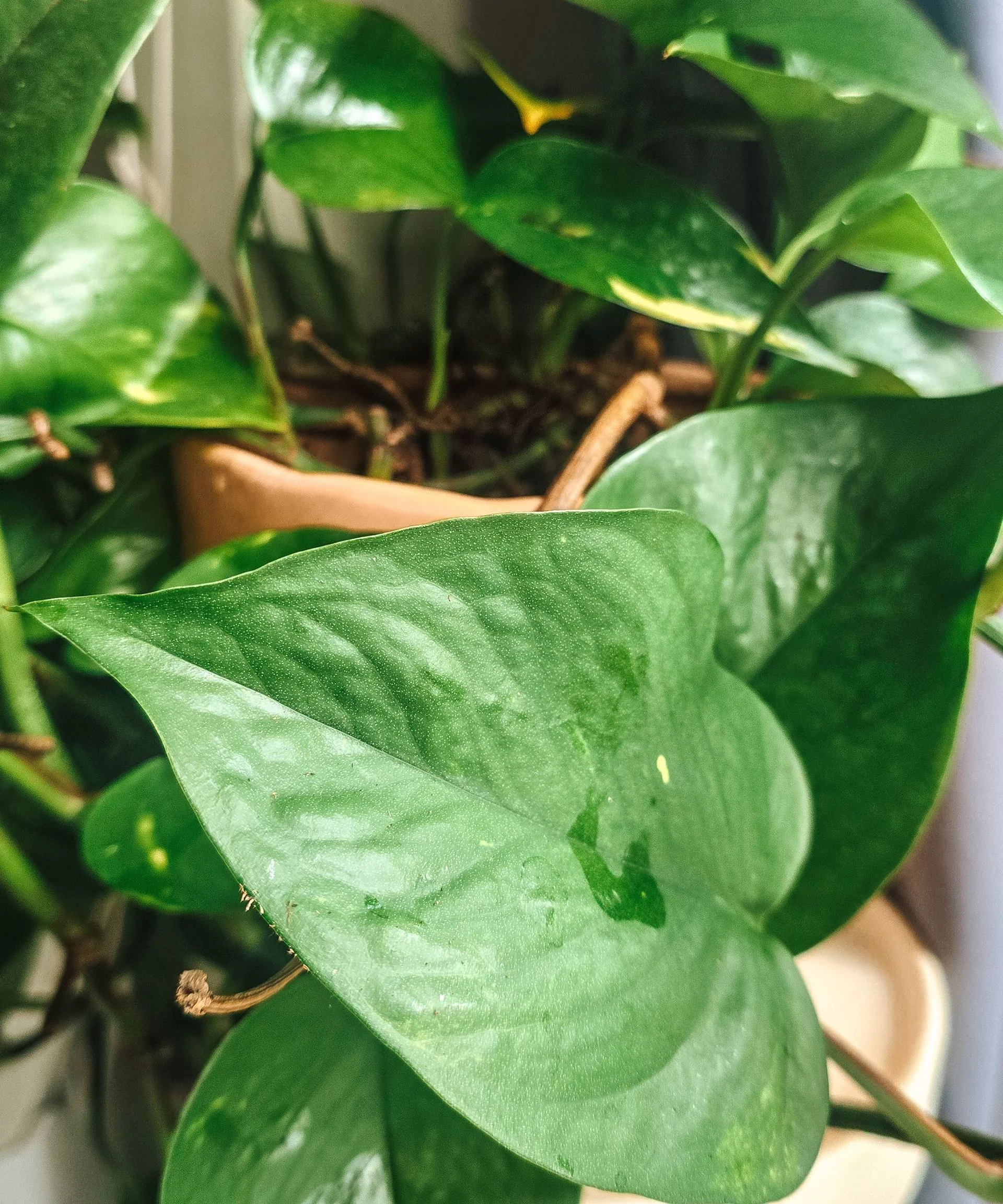
Once you bring your pothos home, begin by inspecting it for any signs of pests or damage. This step is critical. A thorough inspection can prevent bringing unwanted guests into your home and ensures your plant's health right from the start. Look for discolored leaves or webbing on the undersides, which can be indicators of spider mites or other pests.
If everything looks good, consider repotting your plant. Discard the old soil; it may lack the necessary nutrients or drainage capabilities, which are vital for a pothos's growth. Removing the plant from its nursery pot may seem daunting, but you'll want to handle it carefully to avoid harming delicate roots.
To gently remove the plant from its nursery pot, use a wooden stick or your fingers to loosen the soil around the root ball. This approach minimizes trauma to the roots and promotes healthier growth post-repotting. Once extracted, rinse the roots under running water to eliminate any decayed matter. Healthy roots appear white or light tan; if you notice any brown or mushy sections, trim them away before potting. If the roots are in good shape, you can pot it right away or place it in a water-filled container for a few days to stimulate new root growth.
When selecting a new pot, opt for one with excellent drainage. Make sure to fill it with a well-draining potting mix, as commercial pots may not always meet this standard, according to gardening expert Lydia Beaumont. A focus on this detail can significantly impact your pothos's longevity and overall health.
Finding the Right Spot for Your Pothos
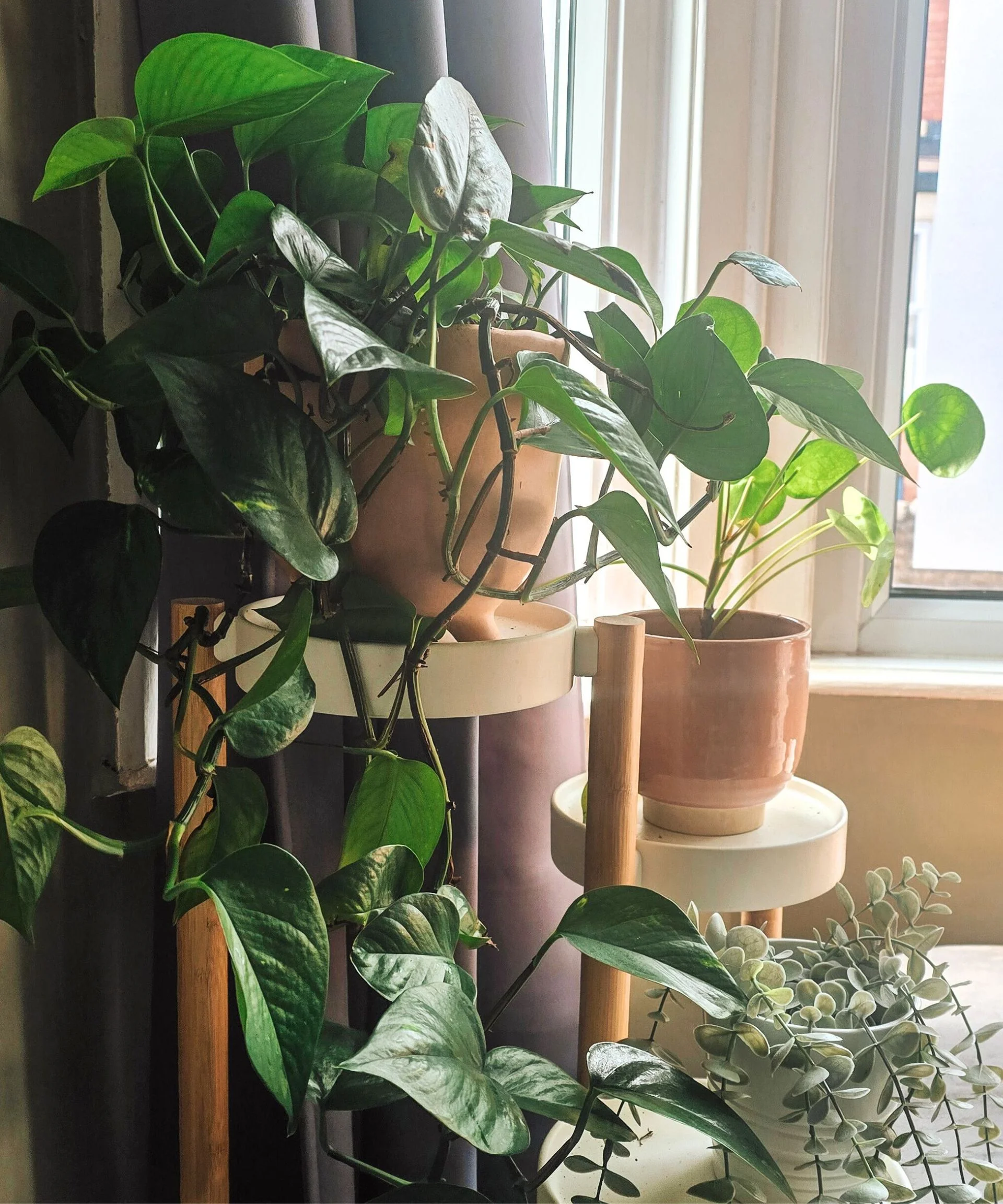
With the plant now repotted, the next step is to find its ideal location. Pothos plants thrive in indirect light but can also adapt to lower-light settings, making them a versatile choice for various living environments. This adaptability makes them popular choices for offices and homes alike. However, be cautious about exposing them to direct sunlight, which can scorch their attractive, heart-shaped leaves, leading to irreversible damage.
As a personal note, I learned this the hard way when my own pothos on a south-facing windowsill suffered from leaf burn. It was a costly lesson — that took away from its beautiful foliage. Positioning your plant to receive filtered light will foster its growth more effectively, and many find that a bright room with curtains provides the perfect balance.
The Watering Routine
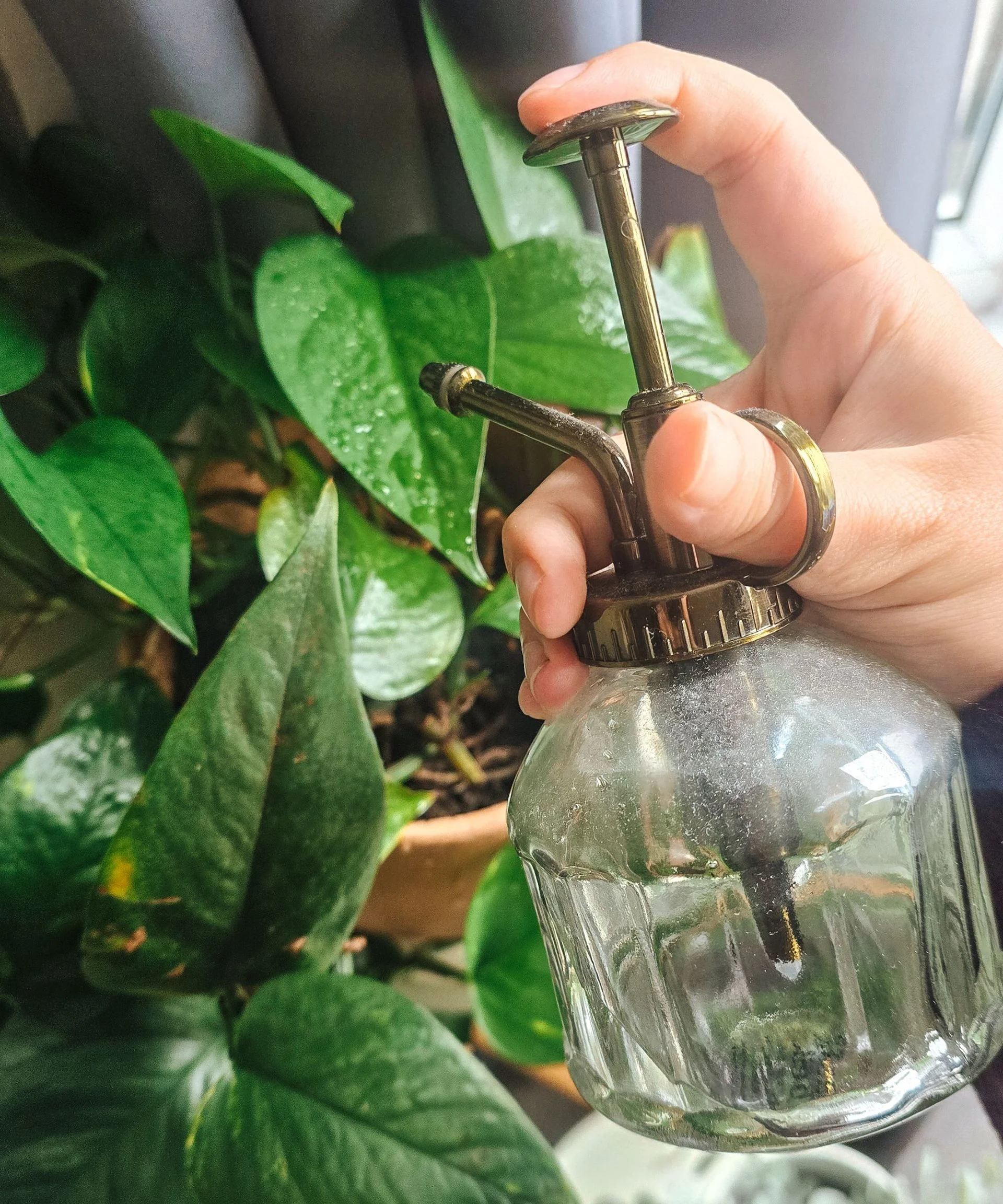
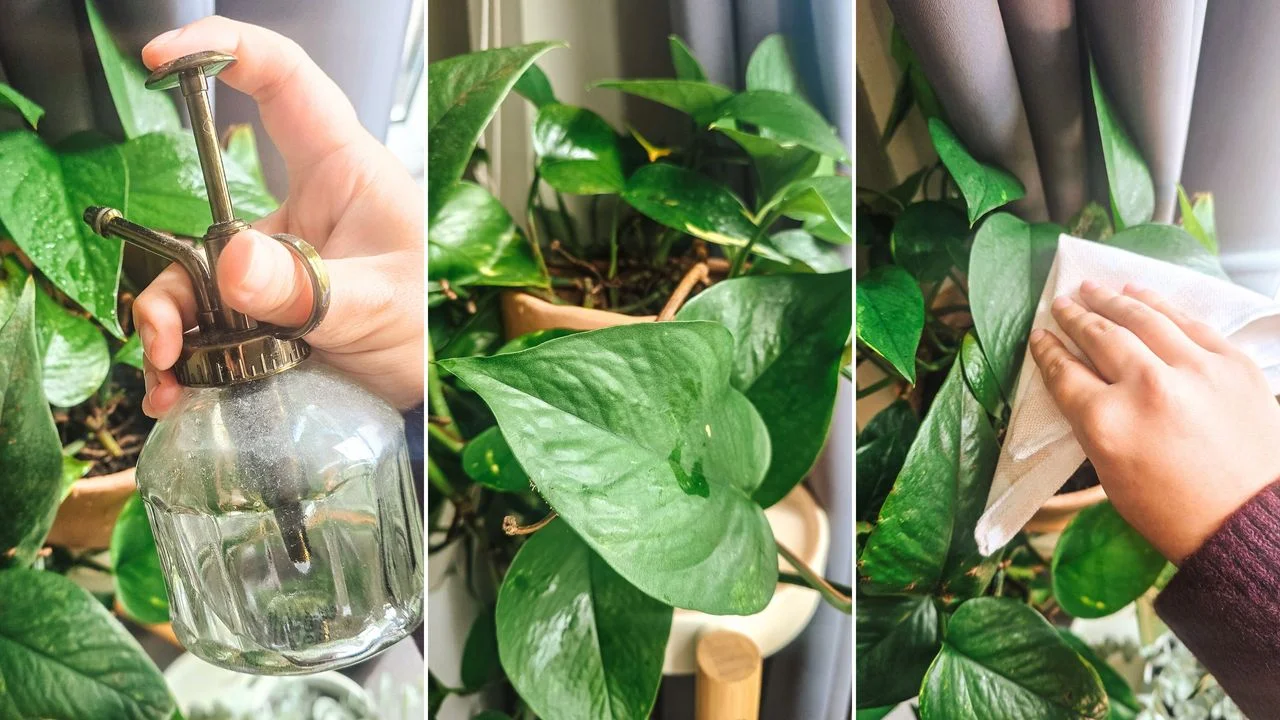
A solid watering regimen is essential for the health of your pothos. Initially, giving the leaves a light mist can perk them up after transport, making them feel refreshed as they settle into their new environment. Moving forward, gardening expert Lydia recommends allowing the soil to dry slightly before watering; overwatering can lead to root rot, a common issue with pothos plants. Use your fingers or a stick to check the top 1-2 inches of soil; if it's dry, it's time to water.
Under average conditions, anticipate watering your pothos every three days, especially if the indoor temperature fluctuates between 68°F and 73°F (20°C to 23°C). Various elements like humidity and the plant's exposure to light will affect this frequency. Be mindful — effects from multiple factors can alter how much water your plant needs. A thoughtful approach will yield better results. Mist the leaves occasionally to enhance humidity as well, especially in dryer climates.
Long-Term Maintenance for Pothos Health
Long-term care for your pothos involves regular, but not excessive, attention. Fertilization should ideally occur every couple of months during the growing season. Using a balanced water-soluble fertilizer will give your plant the boost it needs. Pruning the plant can also help maintain its shape and promote fuller growth, which is particularly important if you're using your pothos as a trailing accent in your decor.
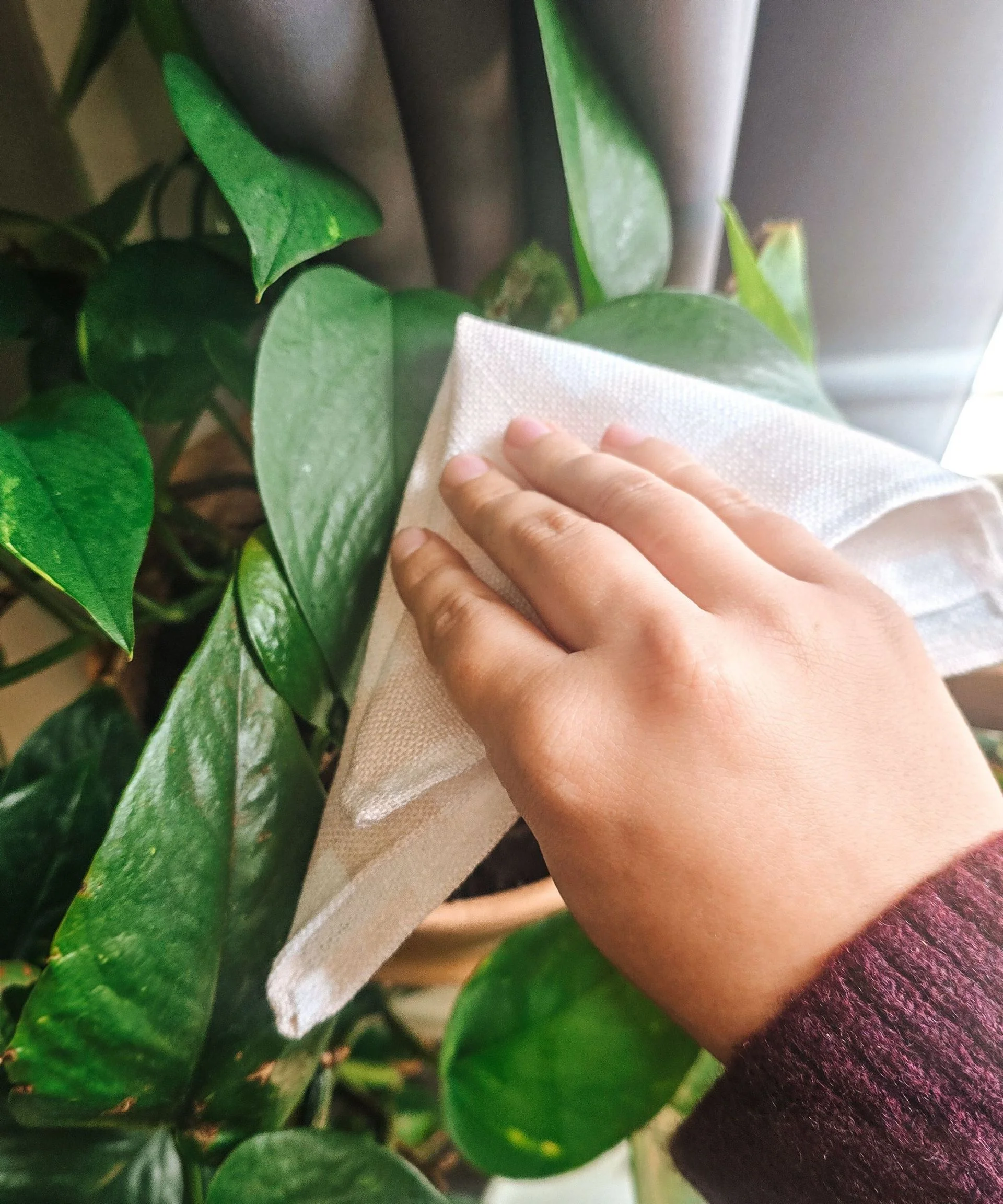
Unexpectedly, you can propagate cuttings in water to create new plants; this method often delights both experienced and novice gardeners. It's truly rewarding. Occasionally cleaning the leaves with a damp cloth can help remove dust accumulation, which can hinder photosynthesis. Just ensure you’re using plain water—steer clear of cleaning agents that could harm the plant or leave residue that deters its growth.
Adopting these straightforward strategies will help keep your pothos flourishing, ensuring it remains a vibrant part of your indoor garden for years. This is more significant than it looks — neglecting even a few of these steps can lead to a less than healthy plant.
Implications for Plant Care Enthusiasts
If you’re working in this space or simply enjoying it at home, understanding the nuances of pothos care can enhance your overall plant-keeping experience. The insights here reflect general best practices that are applicable to a wide range of houseplants, as they often share similar needs. This knowledge base offers more than just the mechanics of plant care; it fosters a deeper connection with the evolving dynamics of indoor gardening.
Ultimately, the significance here lies in appreciating how attentive care can lead to flourishing plants and enriched living environments. Each interaction with your pothos not only contributes to its health but can also serve as a simple yet fulfilling form of self-care, allowing you to cultivate patience and mindfulness.
Looking for more plant care tips? Check out our guide on caring for a money tree, another delightful addition to your home.



Discussion
Sign in to join the discussion.