Discover expert answers to common home design dilemmas encountered at Livingetc Unlocked consultations, including tips on color, layout, and furniture.
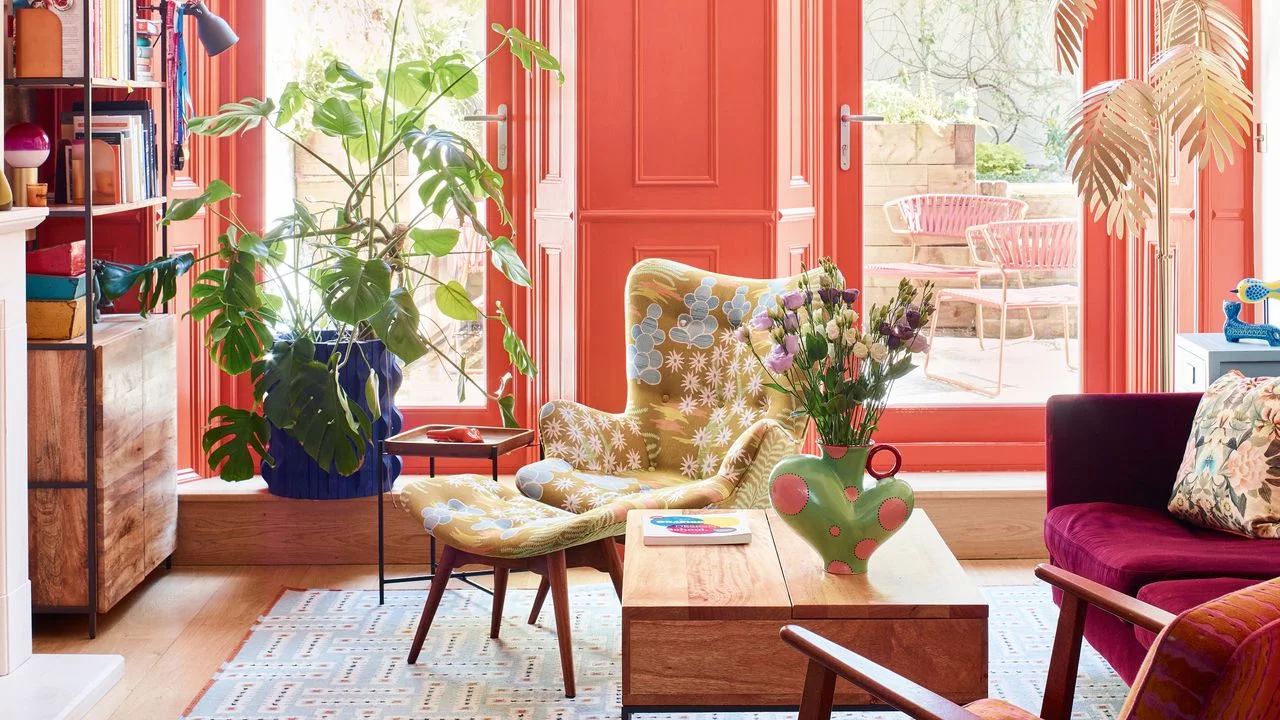
During this year’s Livingetc Unlocked, our team at Design Lab by Livingetc engaged with guests in personalized consultations to tackle various design challenges. Attendees brought diverse concerns, from optimizing kitchen layouts to finding solutions for those tricky corners that always seem neglected. Our interactions revealed recurring questions, prompting us to distill our insights into these practical answers, sure to resonate with many homeowners and design aficionados.
Creating Inviting Spaces in Large Rooms
For those grappling with oversized living spaces that feel sparse, the solution often lies in creating distinct zones. Organizing furniture into smaller areas, such as positioning a plush rug beneath a seating arrangement, can foster warmth. A cozy reading nook defined by an armchair and a side lamp not only adds function but intimacy.
Experimenting with color is equally potent; opting for richer hues or textured wallpaper can envelop a large room, making it feel more intimate. Layered lighting also plays a crucial role, offering varied illuminations that enhance the room's coziness when dusk falls.
Adding Personality to Kitchens and Bathrooms
Revamping essential spaces like kitchens and bathrooms without major renovations can inject character into the home. It’s often the small visual upgrades that yield significant improvements. Accessories such as striking cabinet handles, distinctive lighting fixtures, or inviting wall colors can dramatically alter perceptions.
In bathrooms, consider opting for a unique mirror, integrating softer lighting, or elevating your shower scene with a decorative curtain. Personal touches, such as artwork and beloved objects, can transform these spaces into reflections of your personality, making them feel complete without dismantling their functional foundations.
Embracing Color in Neutral Homes
If a home dominated by white feels uninspiring, introducing color doesn’t have to be daunting. Start with items that resonate—think rugs, art pieces, or cushions—and gradually integrate these shades into the environment. This strategy builds confidence for broader color adoption, like painting walls or larger furnishings.
Subtle wallcoverings—perhaps in a soft pattern—can add depth and warmth without overwhelming the senses. Remember, enriching a white room could simply mean accentuating the existing tones and textures instead of opting for loud colors.
Designing for Awkward Room Layouts
Addressing awkwardly shaped rooms often begins with evaluating their practical use instead of adhering to conventional furniture placement. Identify features like a fireplace or a lovely view, and let that guide the arrangement. Positioning the largest piece first and ensuring smooth movement throughout the space can yield a functional and appealing layout.
Before finalizing any design, try visualizing the layout with painter’s tape or newspaper to gauge proportion and flow effectively. This hands-on approach can clarify how well the configuration utilizes the available space.
Connecting Open-Plan Spaces
In open-plan areas, achieving cohesion while maintaining each area’s unique character can be a fine balance. Using a consistent color palette or material might act as a thread that ties the spaces together while permitting individuality within distinct zones. Rugs, lighting, and furniture arrangements can delineate one area from another effectively.
Subtle architectural features like a slim marble threshold can beautifully transition between different areas, enhancing visual unity while respecting the uniqueness of each zone.
Enhancing Small Spaces without White Walls
Interestingly, you don't have to resort to painting small rooms white to make them appear larger. A tonal approach can create continuity, where soft earthy shades blend harmoniously from walls to ceilings. This strategy minimizes visual breaks, promoting an open feel.
Maximize natural light and perceived height by installing curtains from ceiling to floor and beyond the window frame. Rather than stuffed clutter, opt for a few larger statement pieces of furniture, maintaining visibility of the floor to create an airy ambiance.
Refreshing Sentimental Spaces
When sentimental furniture starts to clash with your evolving style, it’s impactful to reassess what you wish to keep and how best to incorporate these pieces into a refreshing design. Consider reupholstering cherished items, shifting their locations, or complementing them with more contemporary furnishings.
Rethink focal points and composition to revitalize the space cohesively. Infusing colors from adjacent areas can help knit together an eclectic mix, enhancing the room’s character without starting afresh.
Elevating Low Ceilings and Short Windows
Visual techniques can significantly alter perceptions of space height. Extend curtain rods beyond window frames and drape fabric from ceiling to floor, transforming the appearance of height and making windows feel larger.
Maintain uniformity in wall and ceiling colors to eliminate hard boundary lines that may draw the eye downward. This consistent coloring promotes a perception of openness, delivering a tranquil ambiance that residents cherish.
Creating Anchored Layouts in Focal-Point Light Rooms
Even without natural focal points, it’s possible to design a deliberate and anchored seating arrangement. By ignoring architectural constraints, you can form a defined seating area, creating a coherent "island" that enhances both function and aesthetics.
This might involve positioning furniture toward desirable views and minimizing awkward corners by incorporating intentional design elements like reading nooks, optimizing the use of space while retaining visual interest.
Finishing Touches for Completed Spaces
Sometimes, a room filled with furniture still feels incomplete. The solution may lie in elevating the scale of existing elements rather than adding new ones. Larger rugs or art pieces that resonate with the space might be what's necessary to give it that finished feeling.
Building connections through repeated colors or materials can enhance cohesion across the room, ensuring every piece works harmoniously together. Ultimately, more visual weight rather than additional items can yield more balance and finesse in your decor.
For more insights and design help, check out our Livingetc Unlocked event and consider registering for next year’s event!



Discussion
Sign in to join the discussion.