Designers warn against following these kitchen trends, which could lead to a regrettable space lacking character in just a few years.
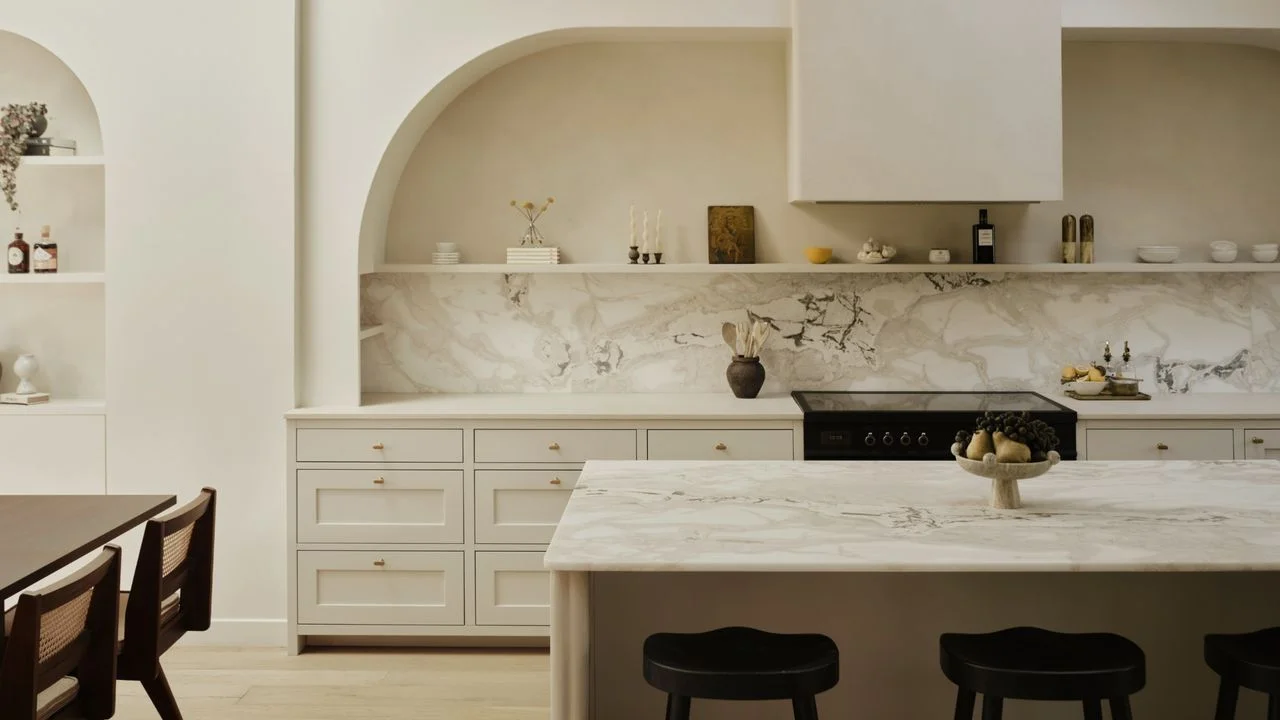
Kitchens often serve as the heart of the home, making their design influence all the more significant. As trends come and go, it’s easy to feel the pull of what’s currently popular. However, designers are cautioning homeowners about certain trends that may not age gracefully. Opting for timeless designs is smart, especially when renovations can be both costly and impactful. Here are the kitchen trends that could lead to regrets in the near future.
Too Many Statement Surfaces
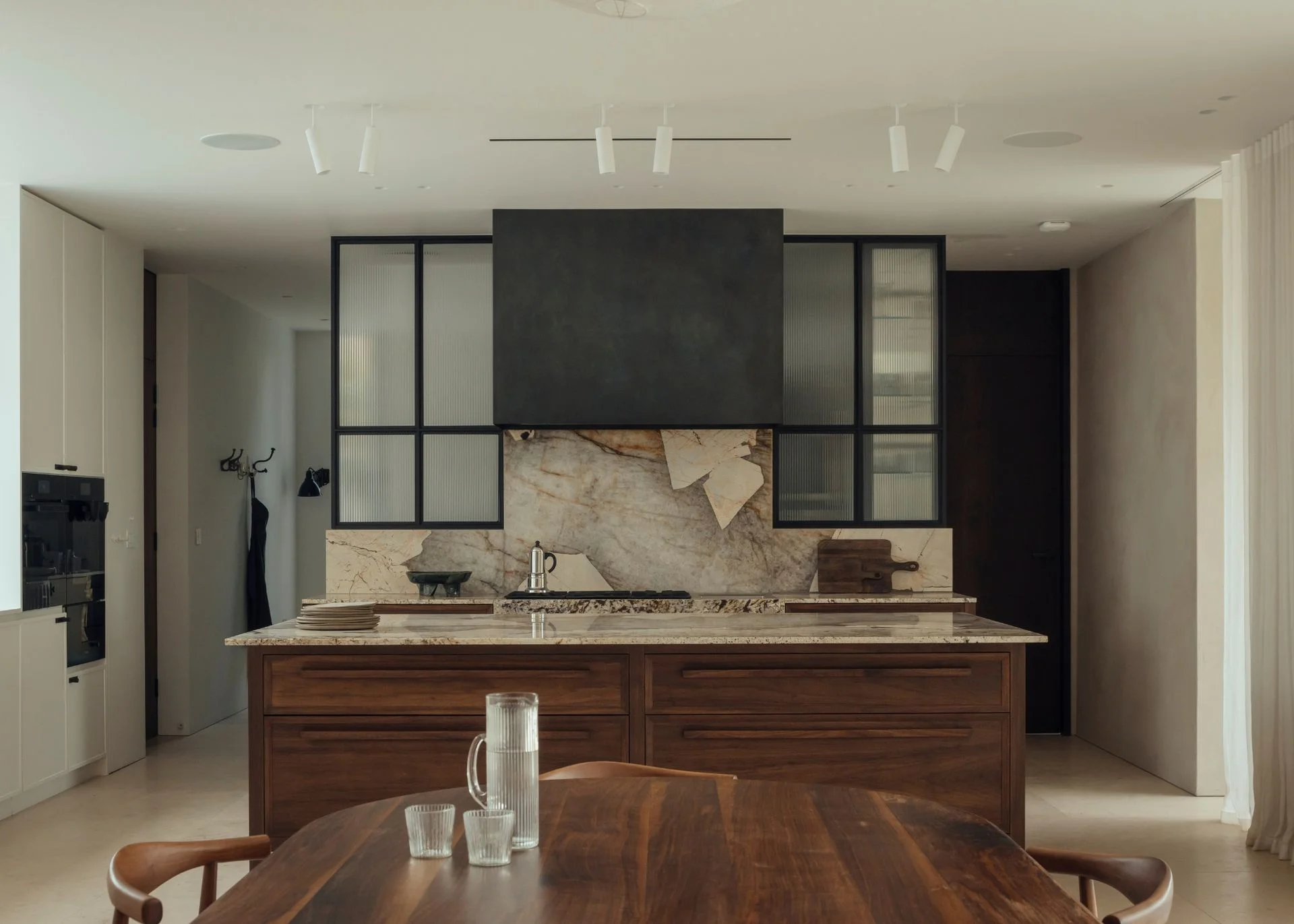
While showcasing a remarkable material in your kitchen has its allure, overdoing it can create an overwhelming effect. Grazzie Wilson, head of creative at Ca’ Pietra, warns against giving equal importance to every surface. Instead, establish a visual hierarchy where one statement piece shines while others take a supporting role. For instance, a striking stone island might look best paired with a more understated floor and backsplash, thereby enhancing its impact rather than clashing. Too many loud materials can compete for attention, resulting in a confused and chaotic look that won’t stand the test of time.
Overly Repetitive Textures
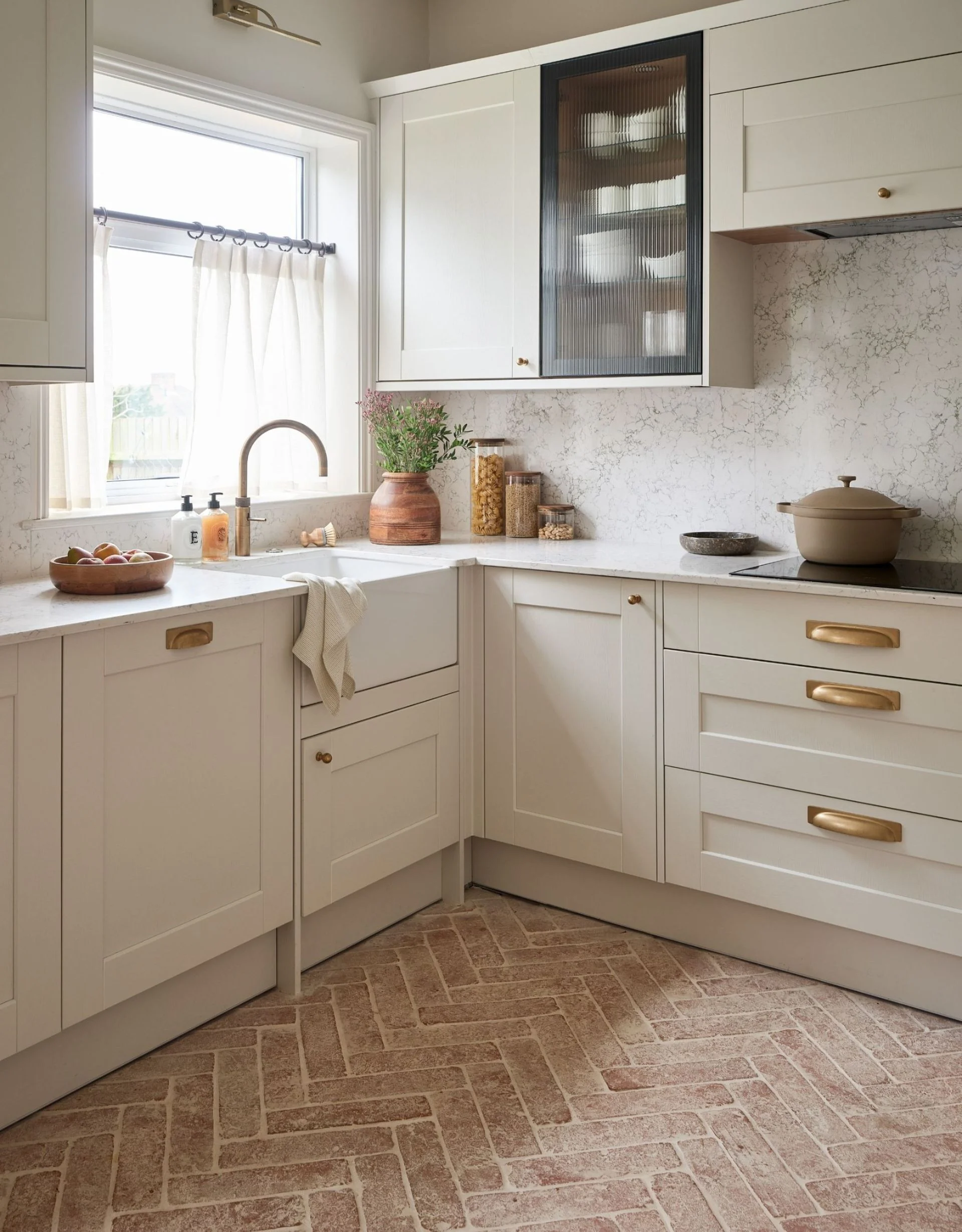
Texture is integral to design, but Gareth Hull from Hendel & Hendel cautions against using repetitive elements across the board. Instead, he suggests building a narrative through material relationships that stand apart while still complementing each other. Textural variety not only enhances visual interest but also helps maintain a kitchen's appeal over time. The danger of monotony runs high; kitchens that feature the same textures can feel flat and lifeless. Be strategic with texture, applying it mindfully rather than across all surfaces. Think of how contrasting elements can elevate the design, creating layers that invite exploration and interaction.
Going Overboard on a 'Theme'
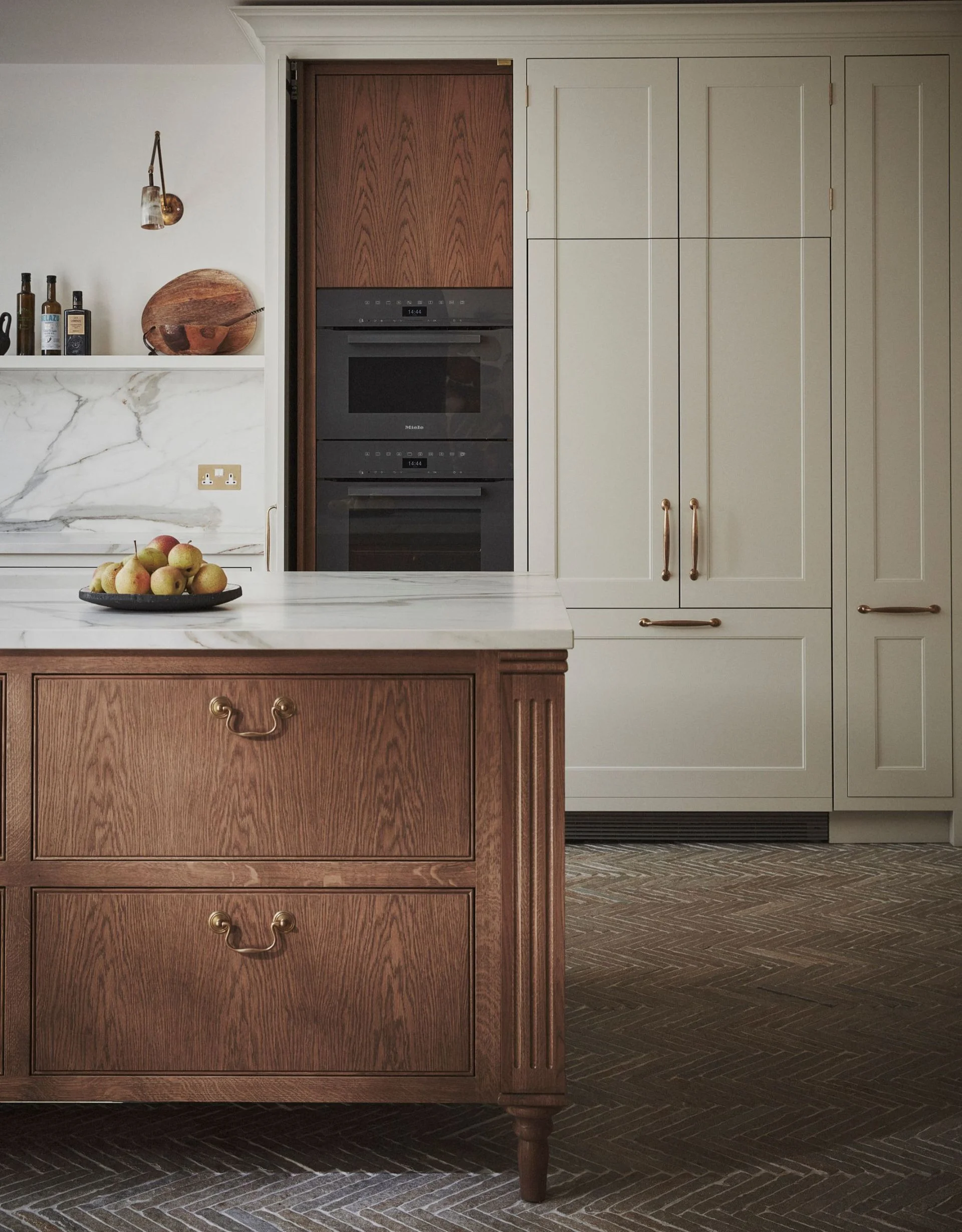
Design themes can easily morph into visual clichés when every aspect of a kitchen adheres too rigidly to a single look. Helen Parker, creative director of deVOL Kitchens, advocates against cookie-cutter approaches—choosing every element to fit a single theme can strip away the individuality of your kitchen. Instead, she encourages the incorporation of classic furnishings and gradually integrating unique touches that resonate personally, allowing the space to develop organically. This isn’t about rejecting themes outright, but rather recognizing that true character comes from an eclectic mix rather than a forced uniformity. A personal touch here and there can make a kitchen feel lived-in and inviting instead of staged and impersonal.
Taking Minimalism Too Far
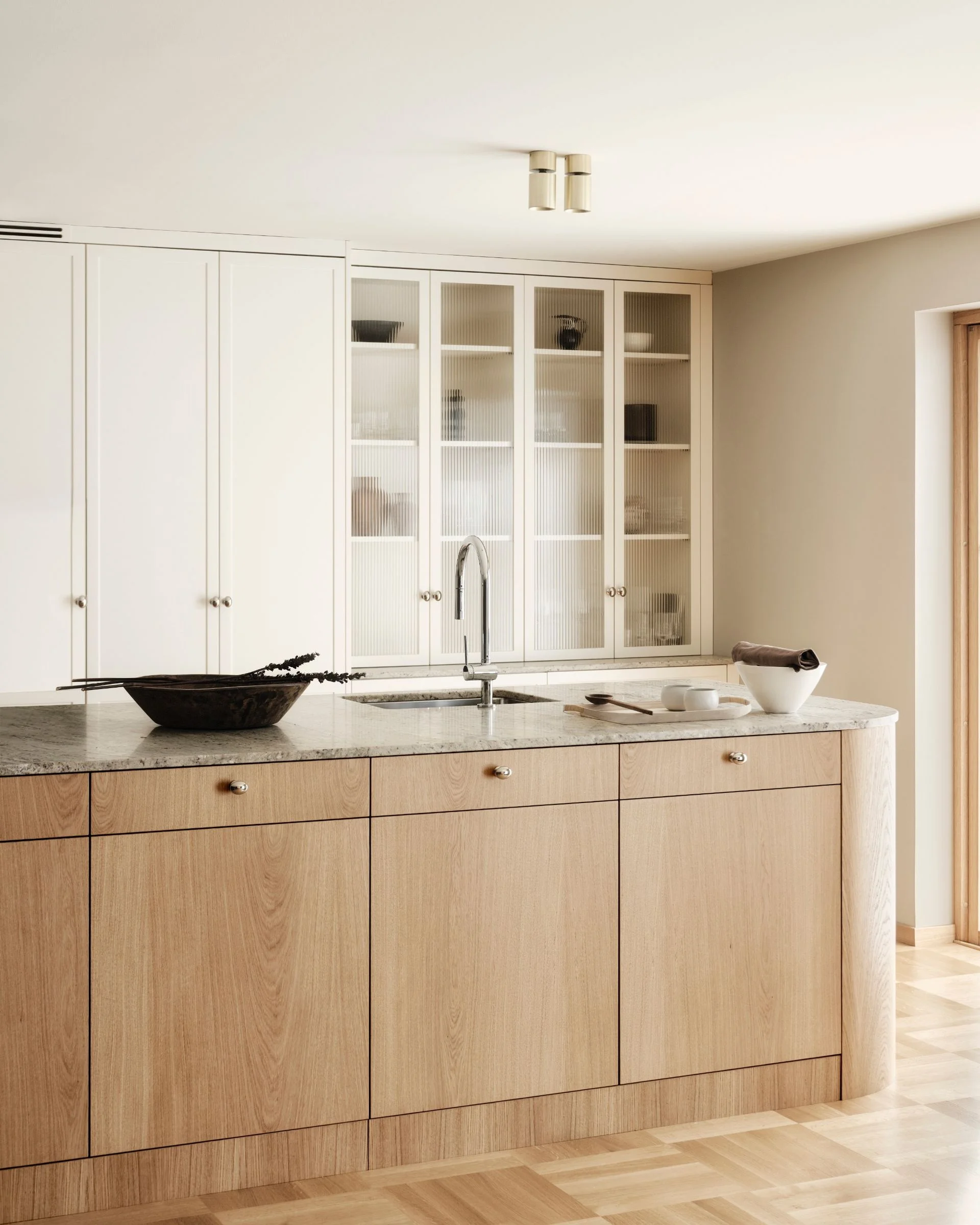
Minimalism can evoke tranquility, but when taken to extremes, it may inadvertently drain a kitchen of its character. Ntola Obazee from Kutchenhaus believes introducing varied materials and accents, like distinctive hardware and warm finishes, can create a more dynamic minimalistic design. The focus should be on building a foundation that allows personal expression while maintaining clarity, rather than conforming to a bland aesthetic that lacks warmth. Simply adhering to a strict minimalist doctrine can lead to sterile environments that feel more like showrooms than homes.
All-White Cabinetry
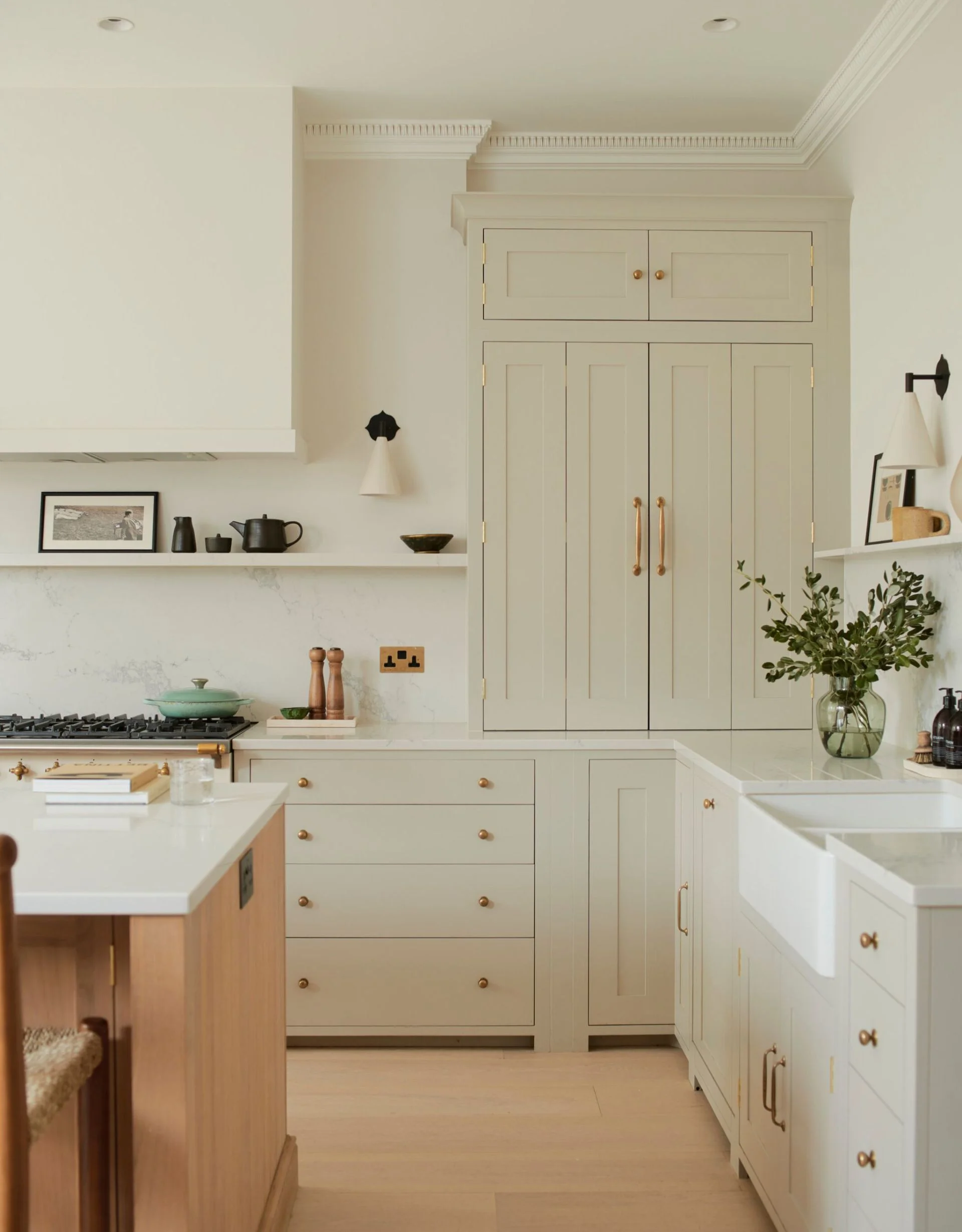
While all-white kitchens have long been deemed a safe choice, designers are increasingly pushing back against this trend. Thomas Buster Minale, founder of Buster + Punch, emphasizes that all-white cabinetry can lead to a stark, characterless environment. He recommends exploring tonal palettes instead, incorporating colors and textures that establish depth and warmth, resulting in a kitchen that feels inviting and personalized over time. The challenge lies in ensuring that your kitchen doesn’t read as clinical or overly sterile—mixing in softer shades or interesting textures can offer warmth that white alone fails to provide.
Future Outlook: Avoiding Design Regrets
Ultimately, discerning between fleeting trends and lasting imprints is key when designing a kitchen. A thoughtfully curated blend of materials, finishes, and accents that resonate with your style can establish a space you won't regret. Ensure you maintain a balance between following trends and embracing the elements that genuinely enhance your daily life.
Here's the thing: trends might shift, but your kitchen's ambiance shouldn't have to suffer as a result. If you’re working in this space, the key takeaway is to remain true to a design that reflects personal taste while being mindful of potential pitfalls that come from chasing every new fad. For ongoing ideas and inspiration for your space, consider subscribing to design-focused newsletters for fresh insight.

Discussion
Sign in to join the discussion.