Discover how the Hive Smart Thermostat revolutionized my home heating routine, enhancing control and efficiency amid rising energy costs.
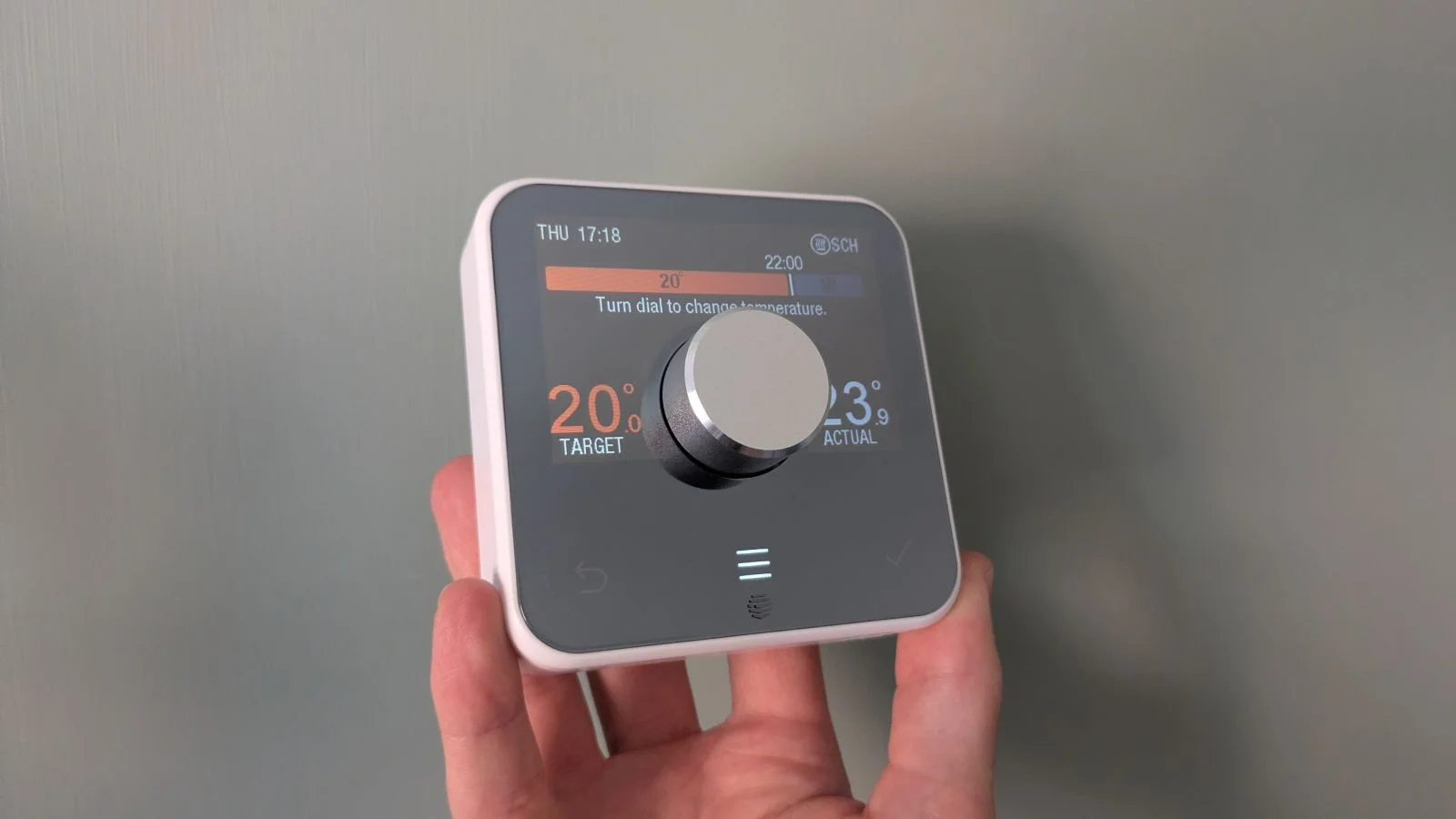
With the growing trend of smart homes, predicted to encompass over half of UK residences by 2027, the Hive Smart Thermostat is at the forefront of this transition. After years of sticking with outdated heating practices and managing rising energy costs, I recently decided to give Hive a try to see how it could reshape my heating habits.
Understanding the Hive Thermostat
The Hive Thermostat stands as the flagship product in the Hive range, designed for user-friendly temperature management through its intuitive app. It interfaces with your heating system via two key components:
- Hive Hub: Priced at an additional £70, this device connects to your WiFi and allows for communication between various Hive products.
- Receiver Unit: This component comes included and communicates directly with your central heating system, ensuring compatibility with various models.
While its physical unit features simple controls, including a boost feature for instant heat, the real power lies in the app for establishing a comprehensive heating schedule.
Advancements in Thermostat Technology
In a discussion with Hive's director, Gav Murray, I learned about substantial upgrades in the latest generation of the Hive Smart Thermostat. Enhanced control, flexibility, and energy monitoring are primary focuses. “It integrates with a broader smart home ecosystem, from thermostat valves for room-specific adjustments to compatibility with voice assistants,” he explained.
Moreover, Murray highlighted that household members can be shared access to the Hive account, allowing collective management of the thermostat, which can significantly improve heating efficiency.
Hive+ Membership: A Value Proposition
Some exclusive features of the Hive platform are locked behind a paywall, requiring users to subscribe to Hive+, costing £39.90/year or £3.99/month. The potential for savings through this membership could offset its cost; Hive claims benefits such as Saver Mode and a budget tracker might save customers up to £18 monthly on energy expenses.
Simplifying Scheduling
Before my experience with the Hive thermostat, setting a heating schedule felt laborious with my old, manual thermostat. However, the Hive app streamlined this process, enabling me to create individual schedules for each day, factoring in varying home routines and temperature needs.
The app even comes pre-loaded with time slots, though I found customization essential to meet our specific needs. Additionally, if plans change, adjusting the schedule or overriding it through the app or voice commands via Google Home, Siri, or Alexa remains easy.
Managing Energy Costs with Hive
The Hive app offers intriguing budgeting tools for users, particularly those subscribed to Hive+. I utilized the Budget Tracker to set an annual heating budget, targeting a 5% reduction in heating costs. The Saver Mode actively adapts my heating use to align with this goal, redistributing energy expenditures throughout the year based on actual usage trends, all captured in visually engaging graphics.
“One of my favorite features is tracking my energy usage,” says Murray. “The app connects to my smart meter, providing insights into how and when energy is consumed.” While some setup is required to optimize the app’s performance, many users will find these insights advantageous once established.
Features for When You’re Away
A standout benefit of the Hive system is that I can manage heating remotely through the smartphone app. Activating Away Mode adjusts the heating schedule for when no one is home, minimizing energy waste.
As Murray aptly notes, it’s a simple yet effective way to automate heating management, so you don’t come home to a chilly house or leave the heating on unnecessarily during extended absences. I also enjoyed the ability to trigger heating remotely, whether to prepare a warm welcome for myself or to ensure my cat was comfortable at home.
Addressing Common Queries
Is Hive the best smart thermostat brand?
The Hive Thermostat is one of the most prominent options available, and my hands-on testing revealed its strengths. However, alternatives like the Google Nest thermostat also deserve consideration. Nest provides more AI-driven automations that respond to user behaviors, while Hive offers users more manual control and flexibility for customizing schedules.
What types of radiators pair well with Hive?
According to heating expert Sam Carter, aluminum radiators are optimal for smart systems due to their rapid response time, enhancing the efficiency of smart heating functions.
Will Hive work in every home?
While Hive thermostats are generally compatible with many heating systems, there are exceptions. Notably, older solid fuel boilers and some specific models have limitations. That said, the advantages of smart thermostats can be constrained by the overall efficiency of existing heating systems. As Anton Neike, Energy Expert and CEO of Taupia, suggests, ensuring that your boiler is efficient is crucial before considering such implementations.
Overall, my integration of the Hive Smart Thermostat has significantly refined my home heating strategy, contributing to better energy management and a more responsive heating environment. To explore further home automation, check out guides on smart plugs and smart lighting.



Discussion
Sign in to join the discussion.