Homeowners must navigate legal complexities when dealing with neighbors' climbing plants, including rights over boundary walls and potential plant trespass.
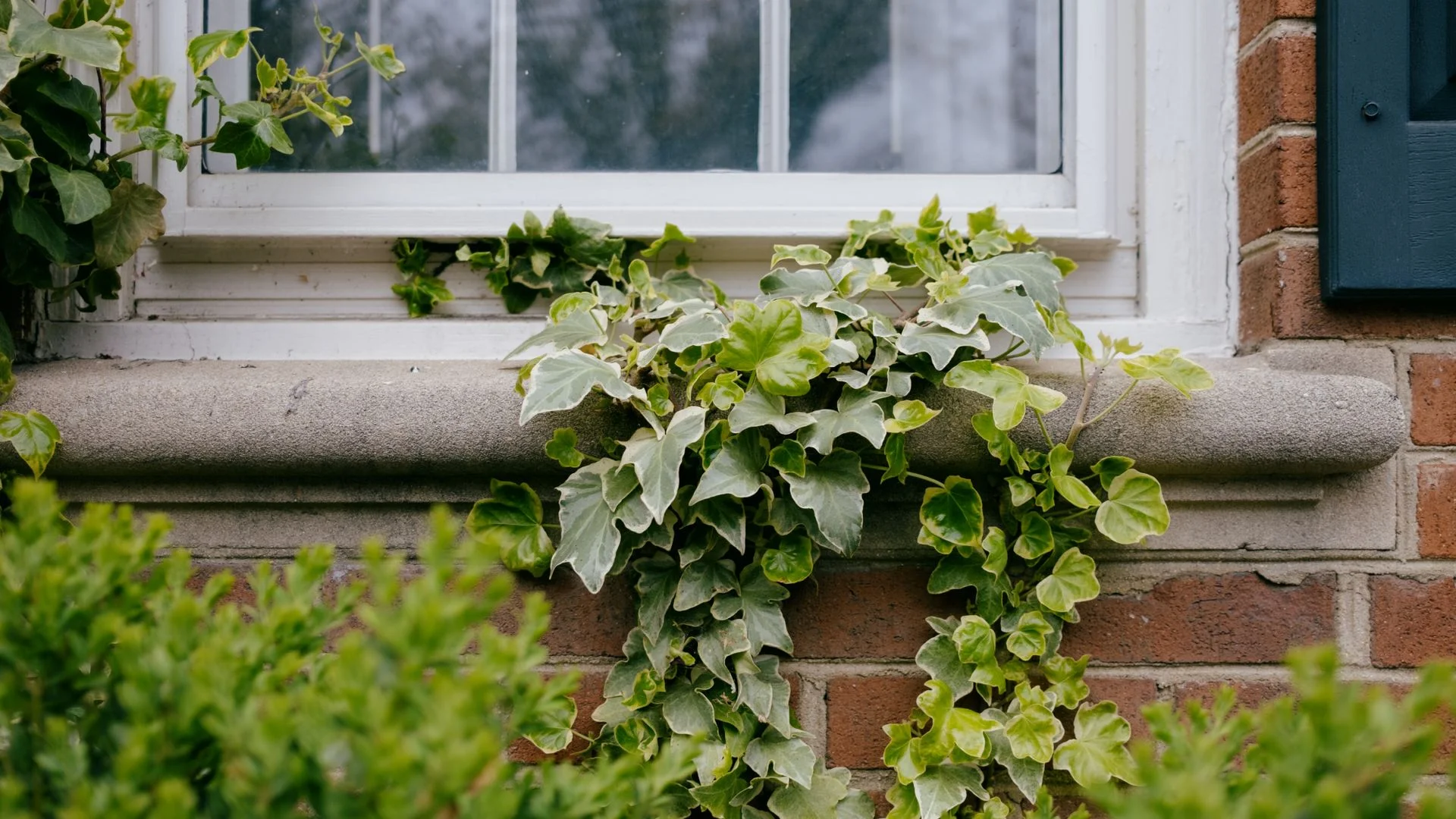
As a homeowner, navigating the complexities of property ownership can present unexpected challenges—especially when it comes to neighboring plants. For those who’ve had encounters with invasive species like ivy creeping from a neighbor’s garden, the legal terrain can be as tangled as the plants themselves. Recently, I discovered firsthand how a seemingly straightforward gardening issue can lead to intricate legal discussions.
This all started with a persistent damp patch near my skirting board, which I initially attributed to the damp weather. However, further investigation revealed that ivy had infiltrated my wall from the neighboring property. Although the wall belonged solely to me, I quickly found out that owning the wall didn’t automatically grant me an entitlement to a plant-free version of it. This predicament prompted me to consult experts about property boundaries, rights, and responsibilities.
Identifying Boundary Ownership
The common belief that "the wall on your left is yours" lacks legal basis. Instead, determining ownership often requires a look at title deeds and land registry plans, which typically indicate general boundary outlines rather than precise demarcations. Some deeds explicitly state ownership, while others may use marks such as inward-facing "T" symbols. If uncertainty remains, a boundary surveyor can offer assistance by assessing the physical structure of the wall.
If, like me, you are clear that the wall is yours, it doesn’t imply you can simply prune any encroaching greenery. Here’s the crux of the matter: ownership doesn’t equate to the right to an ivy-free wall.
The Nuances of Plant Ownership
Despite owning the wall, I learned that my neighbor might still have rights over the plants affecting it. Tim Kirkconel from Birketts explained that if a plant has been established due to specific rights outlined in property deeds or if it’s been part of the landscape for 20 years, it might remain. Furthermore, if the plant was in place before ownership was established, removing it could become complicated.
This situation swings both ways—if a neighbor improperly affixes trellises or allows invasive plants to thrive, it might be categorized as trespass. According to Kirkconel, trespass doesn’t depend on harm being proven; instead, it can hinge solely on the unauthorized presence of a plant on one’s property.
Understanding Trespass and Your Rights
Trespass laws are less about damage and more about unauthorized interference. The mere presence of a plant on my wall without proper permission could be considered a trespass, warranting action despite any damage not being evident. If efforts to address the issue go unanswered, each day the encroachment persists could be viewed as a new act of trespass.
Your Options for Managing Neighboring Plants
Residents often wonder if they can simply remove encroaching plants. Minal Backhouse from Backhouse Solicitors assures that homeowners may cut back any branches or roots intruding from their neighbor's side as long as they do so from their own property, without entering the neighbor’s space.
Care is crucial, though: cutting established vines like ivy can lead to more harm than good. Thus, while pruning is permissible to the boundary line, preservation of health and stability of the plant must be considered, as doing significant damage could create further legal complications.
Additionally, any cuttings technically remain the property of the original plant owner, which means the offcuts should be returned rather than discarded unceremoniously, as this could be construed as fly-tipping.
Yet, it’s not just about boundaries and rights. Before undertaking any pruning, it’s wise to check for protected wildlife, such as active bird nests or bats, since disturbing them is illegal.
If Your Neighbor Won't Cooperate
Expert advice consistently suggests that direct communication with neighbors should be the first step. Address the issue openly with your neighbor and document all exchanges. If matters escalate, mediation can be a useful step before resorting to legal pursuits. Kirkconel recommends notifying your neighbor in writing and giving them time to address the issue while also keeping detailed records—for potential future legal actions, if necessary.
Special Cases: The Plant’s Nature Matters
Ordinary climbing plants may not inherently carry special legal implications, but what if the plant in question is a notorious one like Japanese knotweed? Homeowners are legally responsible for preventing its spread and can face liability if it encroaches onto neighboring properties. Discussions surrounding such plants can even warrant their own legal considerations due to the severe impact they can have on property conditions and values.
Liability for Damage: What You Should Know
In dealing with property damage, one must recognize that financial responsibility isn’t automatic. Backhouse warns that determining liability often depends on proving that the plant directly caused the damage rather than other issues, such as existing decay or inadequate repairs elsewhere.
Breaking costs into distinct issues—plant removal, wall repairs, damp treatment, and legal fees—can clarify liability. Before confronting damages, homeowners should also examine their insurance policies for coverage related to pursuing these remedies.
My Own Resolution with the Damp Issue
Fortunately for me, this was a case of open communication. I shared my concerns with my neighbor, who hadn’t realized how far the ivy had spread and agreed to its removal. I opted for professional help to avoid the potential pitfalls of DIY removal, and the repairs revealed underlying issues that needed immediate attention, such as deteriorating pointing. With the ivy gone, it became clear that the damp was due to moisture retention rather than the plant’s effects directly.
In retrospect, a passive approach can lead to more substantial issues if left unchecked. Knowledge about one's rights and responsibilities alongside a willingness for dialogue can often lead to amicable solutions before legal actions become necessary.



Discussion
Sign in to join the discussion.