VAIO's new T laptop features a nostalgic Multi-Flip design, showcasing a 180-degree hinge, competitive specs, and a starting price around $2,400.
A New Approach to Convertible Laptops
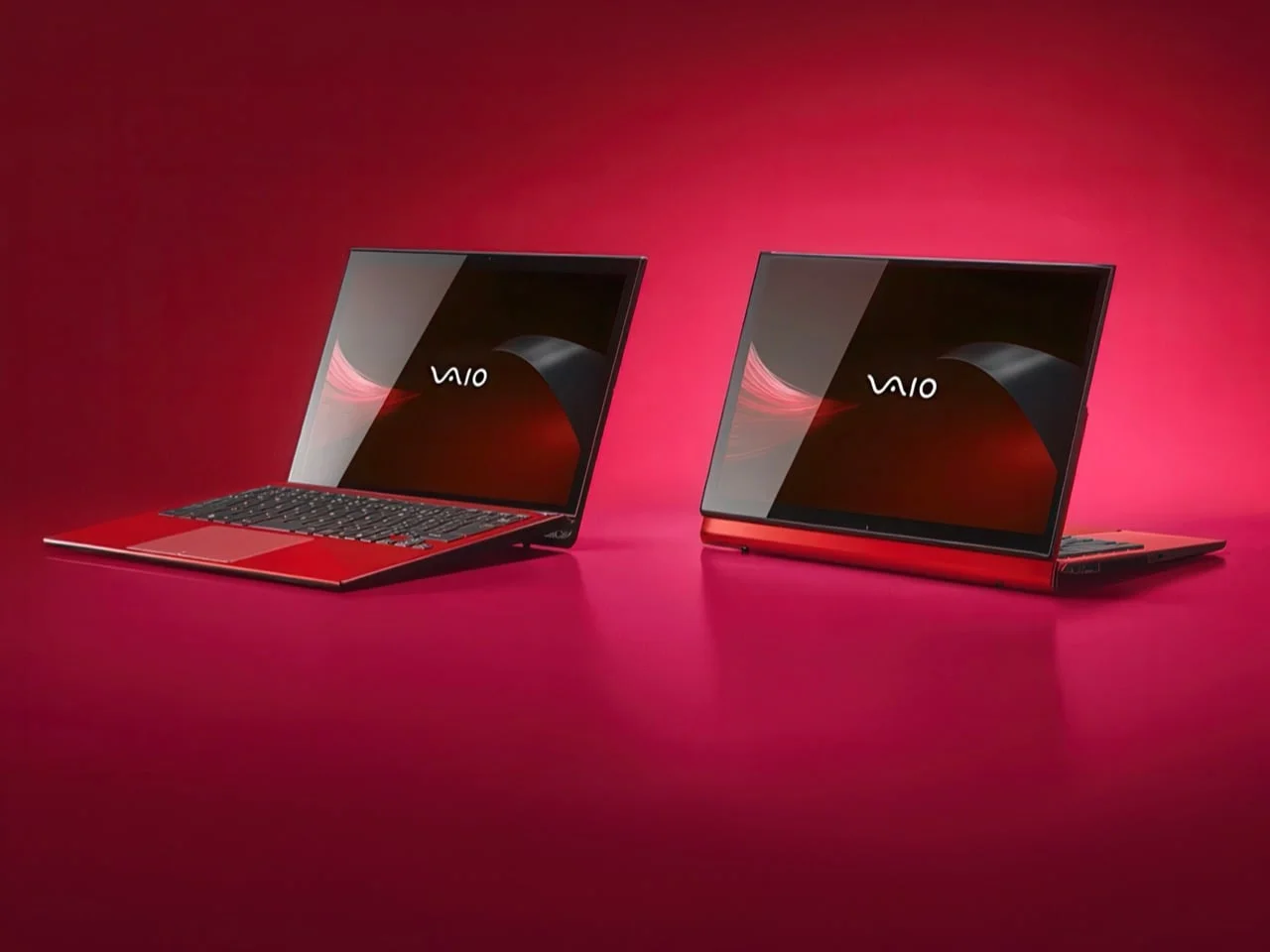
The VAIO T, a fresh take on convertible laptops, reintroduces a design philosophy that distinguishes itself from current market leaders. Set to captivate enthusiasts, this 13.3-inch device employs a unique 180-degree display pivot, allowing the keyboard to hide away, eliminating the common discomfort of palm contact during tablet use. This inventive mechanism, dubbed the Multi-Flip, is a notable step back to a design ethos the company hasn't revisited since 2016's Z Flip. It's a bold move considering the market's current inclination toward 360-degree hinges, reflecting VAIO's commitment to innovation driven by user experience rather than mere trends.
Design Process and Durability
The development involved an intricate design process where prototypes withstood over 20,000 flexes. Such rigorous testing ensures not just reliability but also comfort in daily use, sending a clear message that VAIO is serious about redefining functionality in the convertible space. In an industry where many competitors have faltered, VAIO's dedication to addressing user pain points stands out. While rivals like Lenovo established dominance with their popular 360-degree hinge, VAIO appears to be positioning itself as a challenger that prioritizes user-centric design over market norms. This could resonate well with consumers who are tired of the cookie-cutter versions saturating the marketplace.
The VAIO Next Series and Pricing Strategy
Co-developed post-Nojima’s acquisition in early 2025, the VAIO T marks the inaugural entry in a new product series known as VAIO Next. With a base price of 374,000 yen (approximately $2,400), the initial reaction may reveal its exclusivity, especially since no plans exist for international distribution thus far. This steep starting price might initially scare off potential buyers, but it could also signal a strategic choice to cater to a niche market that values high-end design and functionality over affordability. If you're working in this space, you'll see that premium pricing can sometimes justify higher expectations for quality and uniqueness—though success will ultimately hinge on consumer reception.
Versatility in Operation Modes
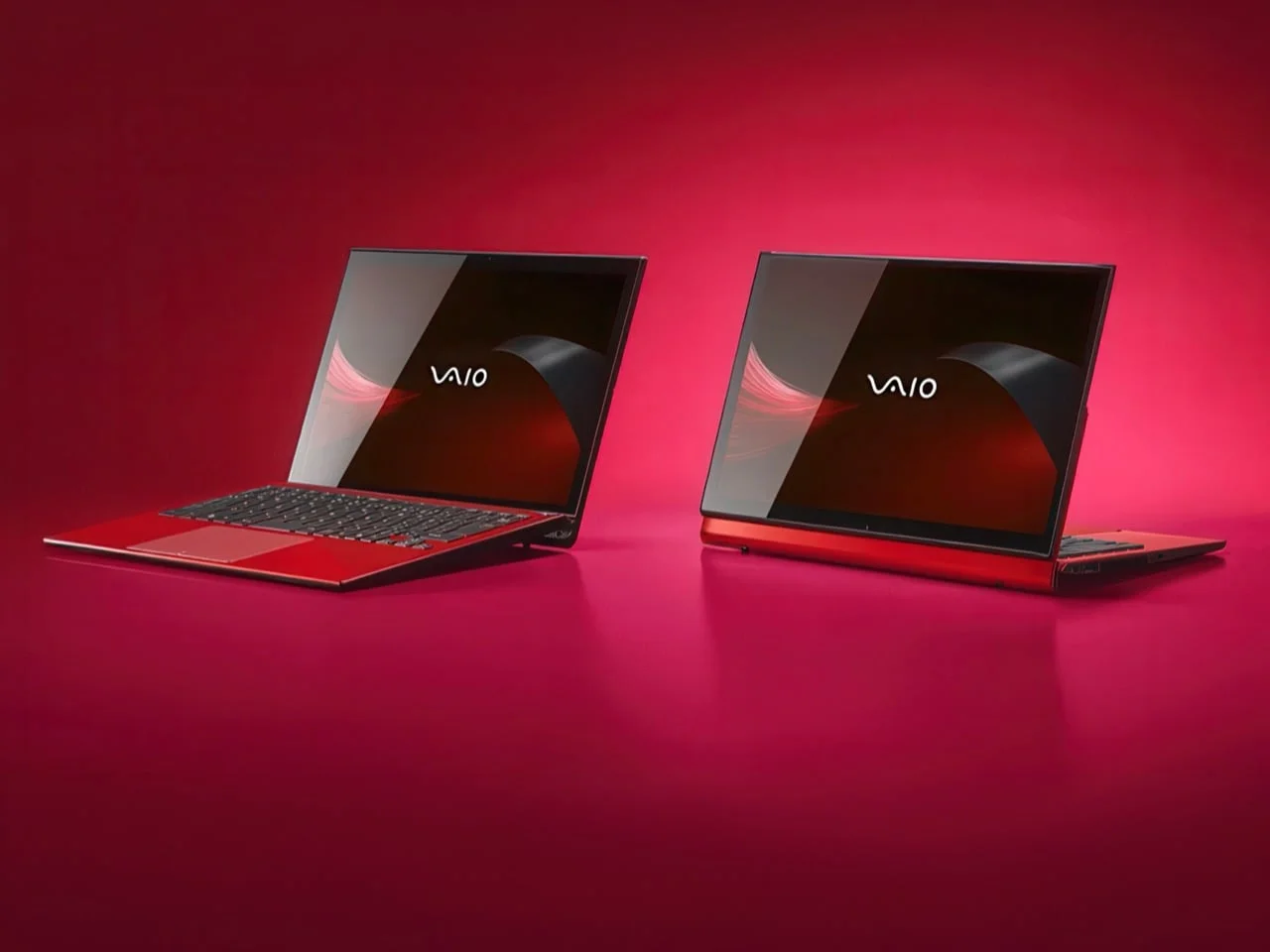
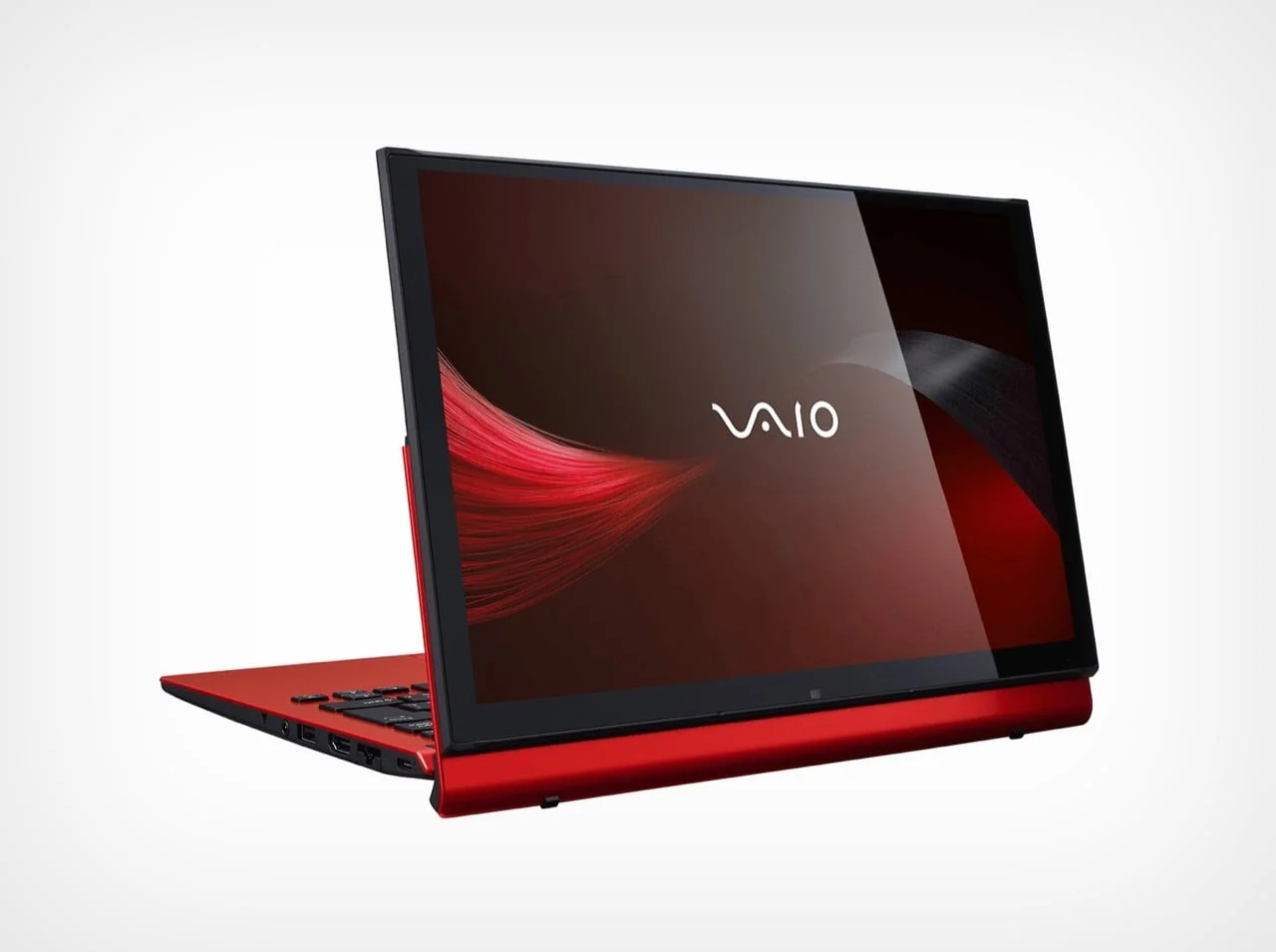
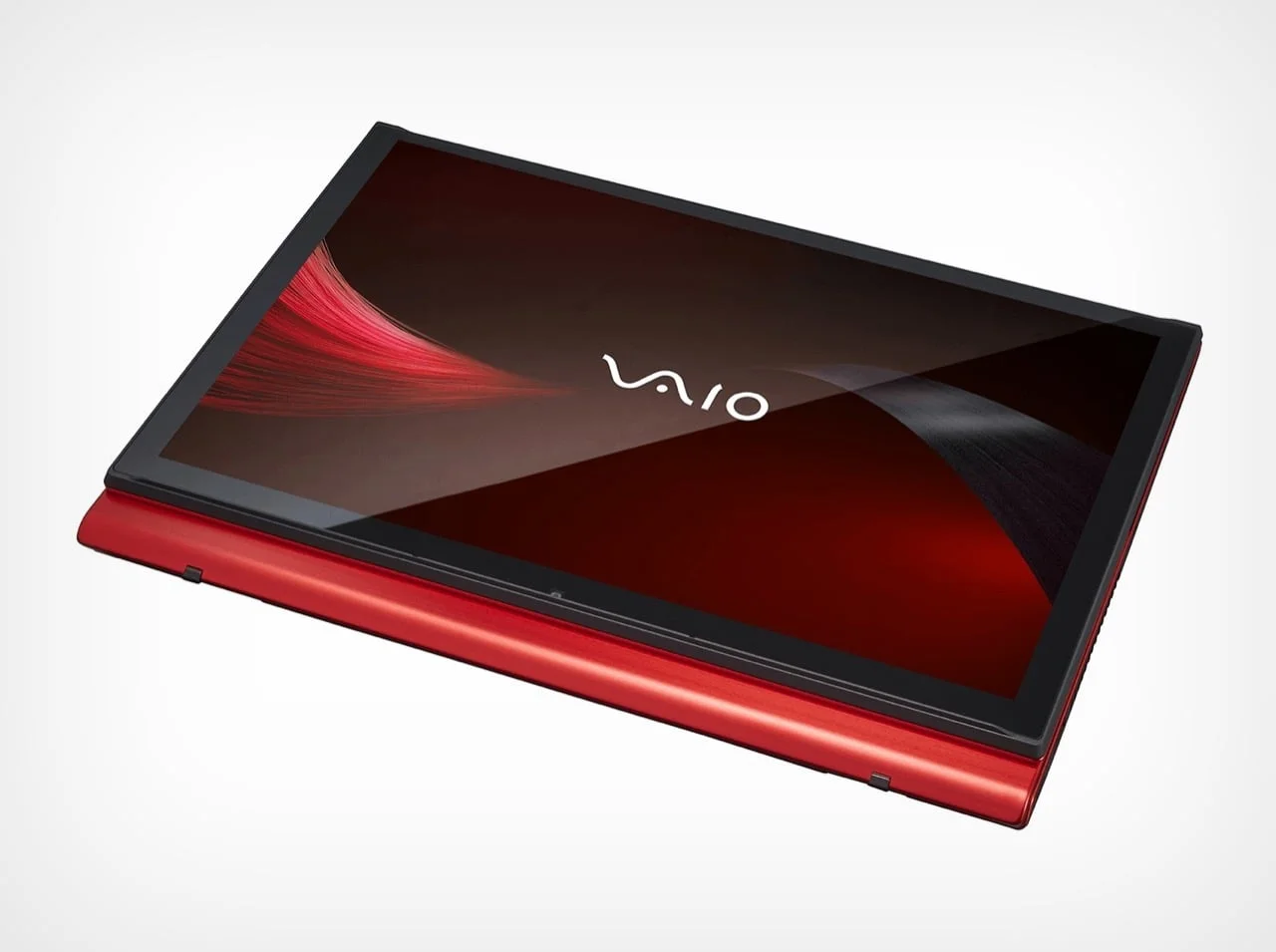
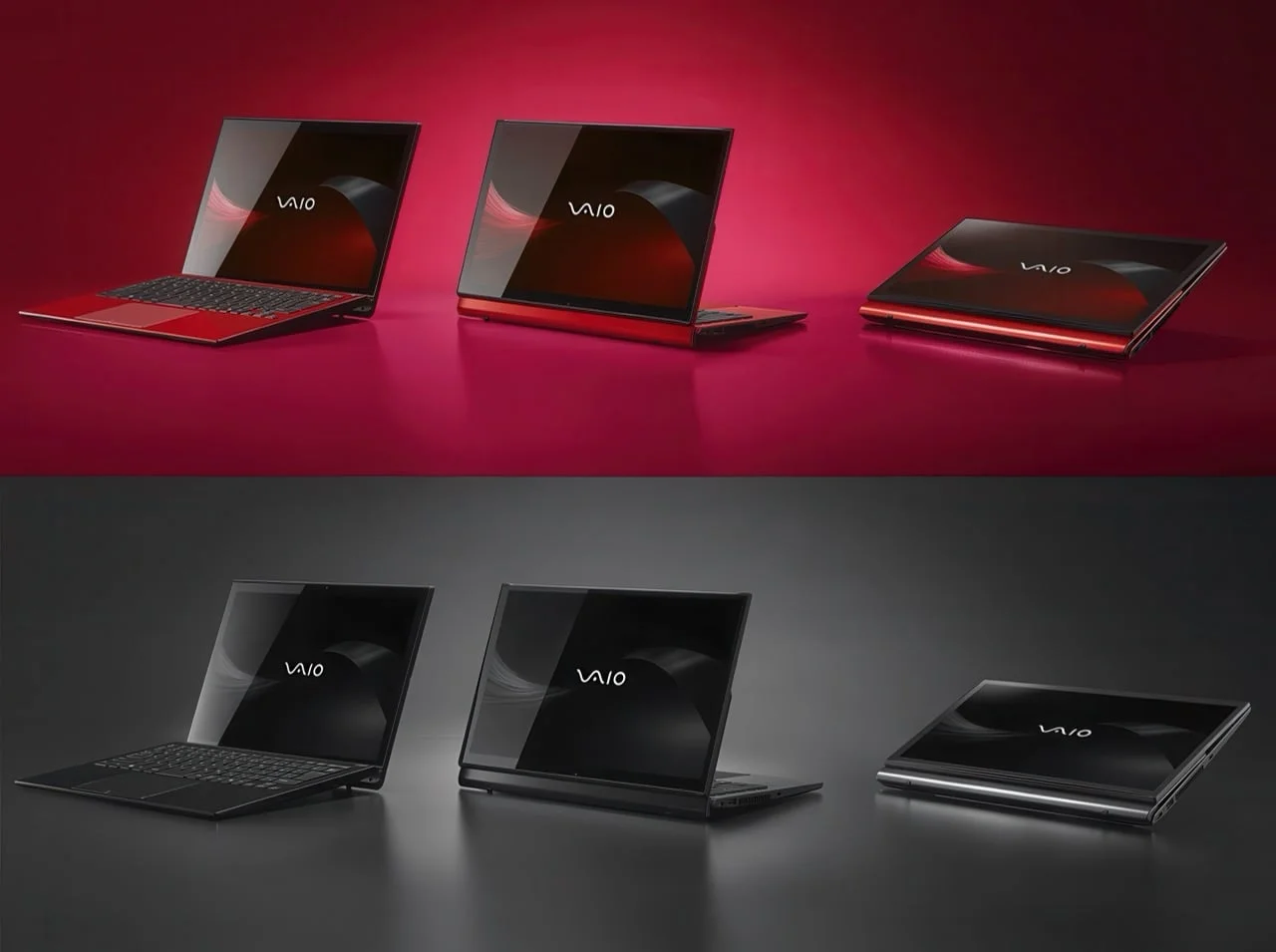
Describing the operating modes of the VAIO T is a bit of a challenge, but here’s the breakdown: you can pivot the top half toward you for 'view mode,' display facing outward for meetings while the keyboard remains stowed. Fold it completely for tablet mode—a slick transformation with no keys in the way, easily outshining typical convertibles. This versatility speaks volumes about VAIO's understanding of user needs in varying environments, especially as remote work continues to gain traction. Users often seek devices that can adapt to their workflow seamlessly, and VAIO's solution appears to respond to that demand.
Thanks to the innovative urethane sheet hinges and a newly implemented magnetic retention system, users experience a transition between configurations that almost feels instinctual. VAIO has invested serious thought into these functionalities, ensuring durability and ease of use. This focus on engineering details might not be glamorous, but it's where the true value can often be found: in the small design choices that enhance the overall user experience.
Aesthetics with a Touch of Tradition
On the aesthetics front, VAIO is reviving traditional color palettes with its Kachi-iro color scheme—deep indigo linked to historical samurai culture. This nod to heritage is commendable, especially in an industry often criticized for overlooking cultural significance in design. The base model comes in standard black and red, but a Kachi-iro Special Edition features a premium Intel Core Ultra X7 358H processor, complemented by a robust integrated GPU. This attention to detail clearly targets customers who appreciate both heritage and modern performance, possibly aiming to create a brand identity that resonates across generations.
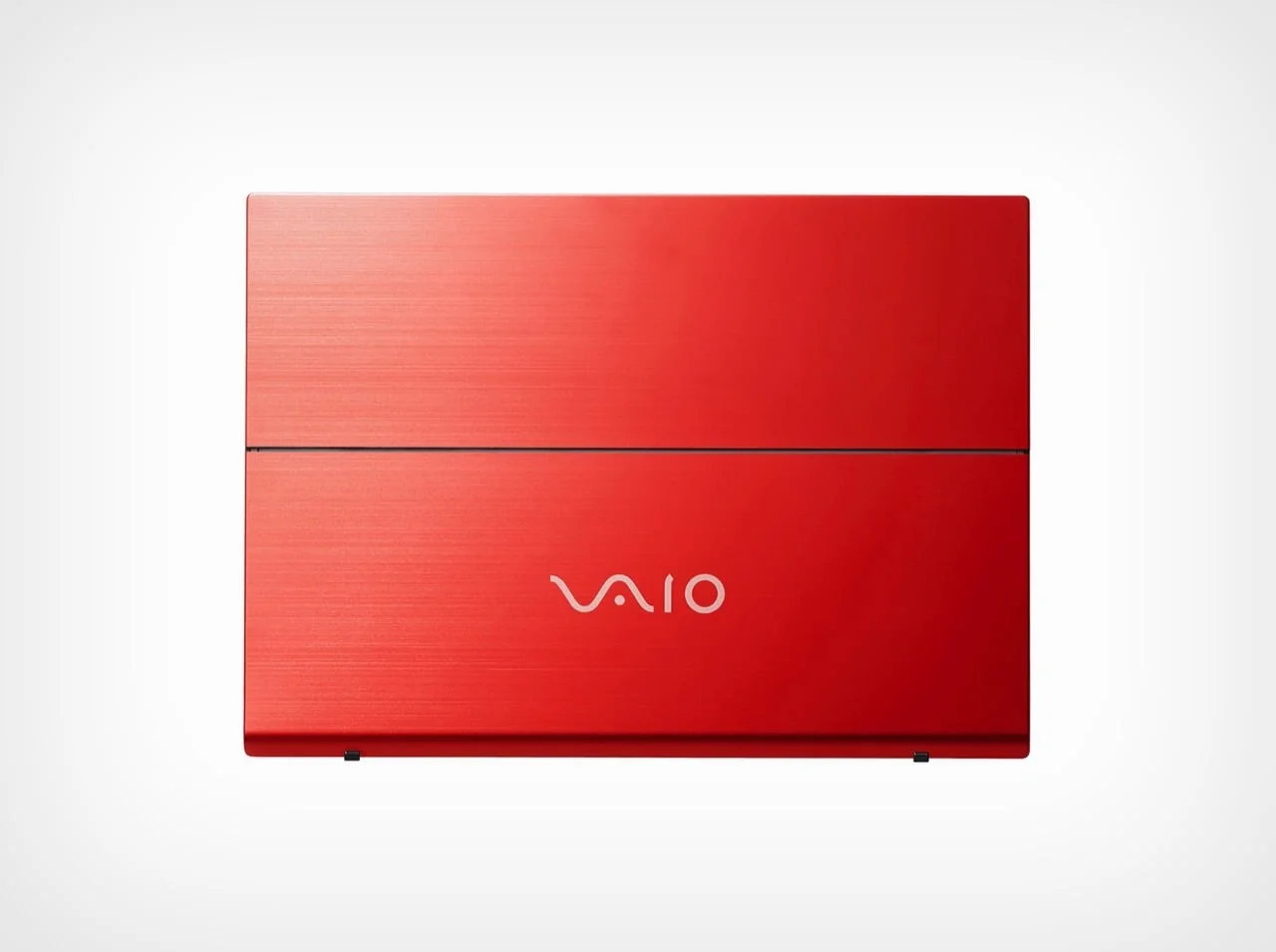
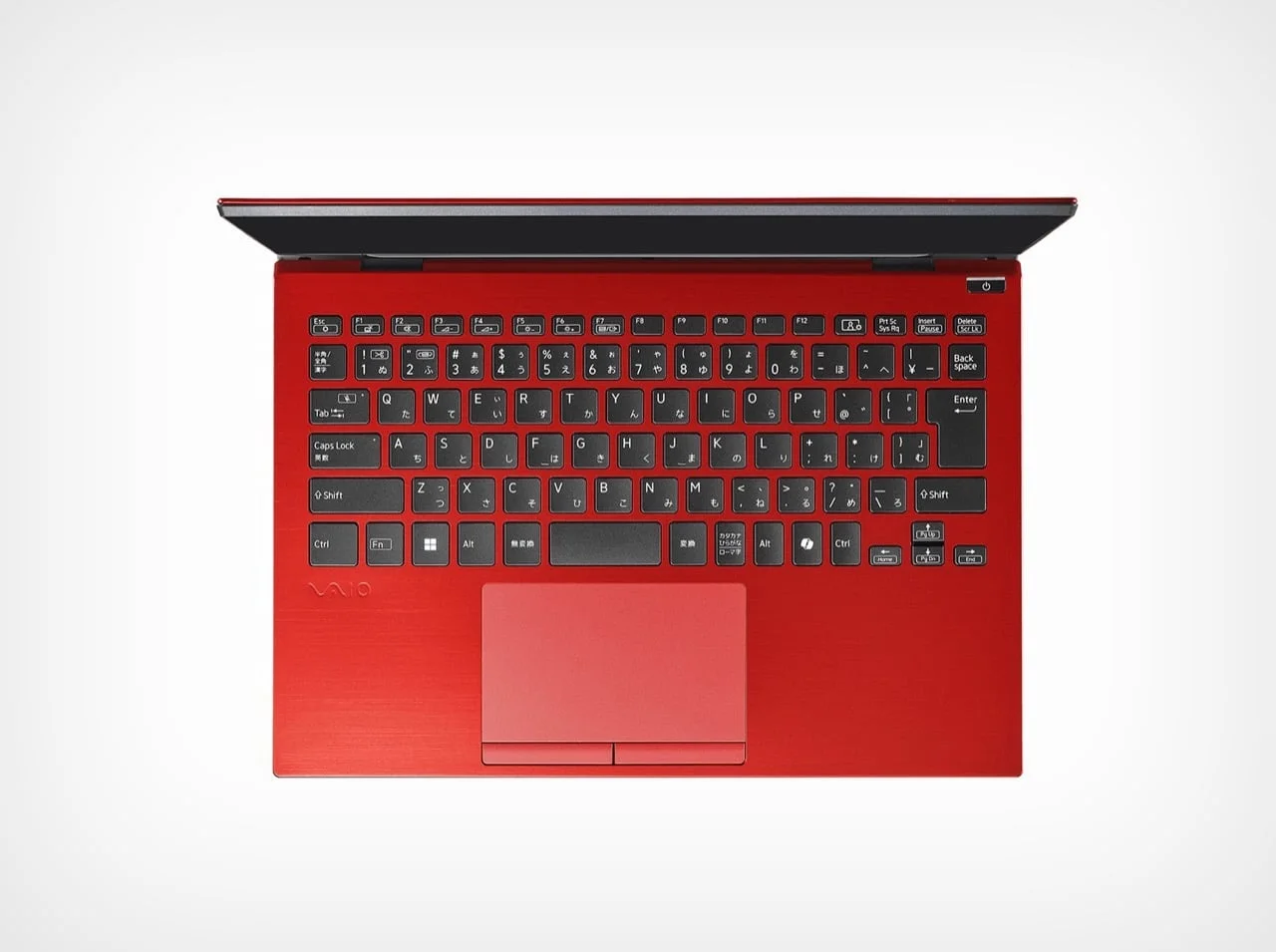
Technical Specifications and Challenges
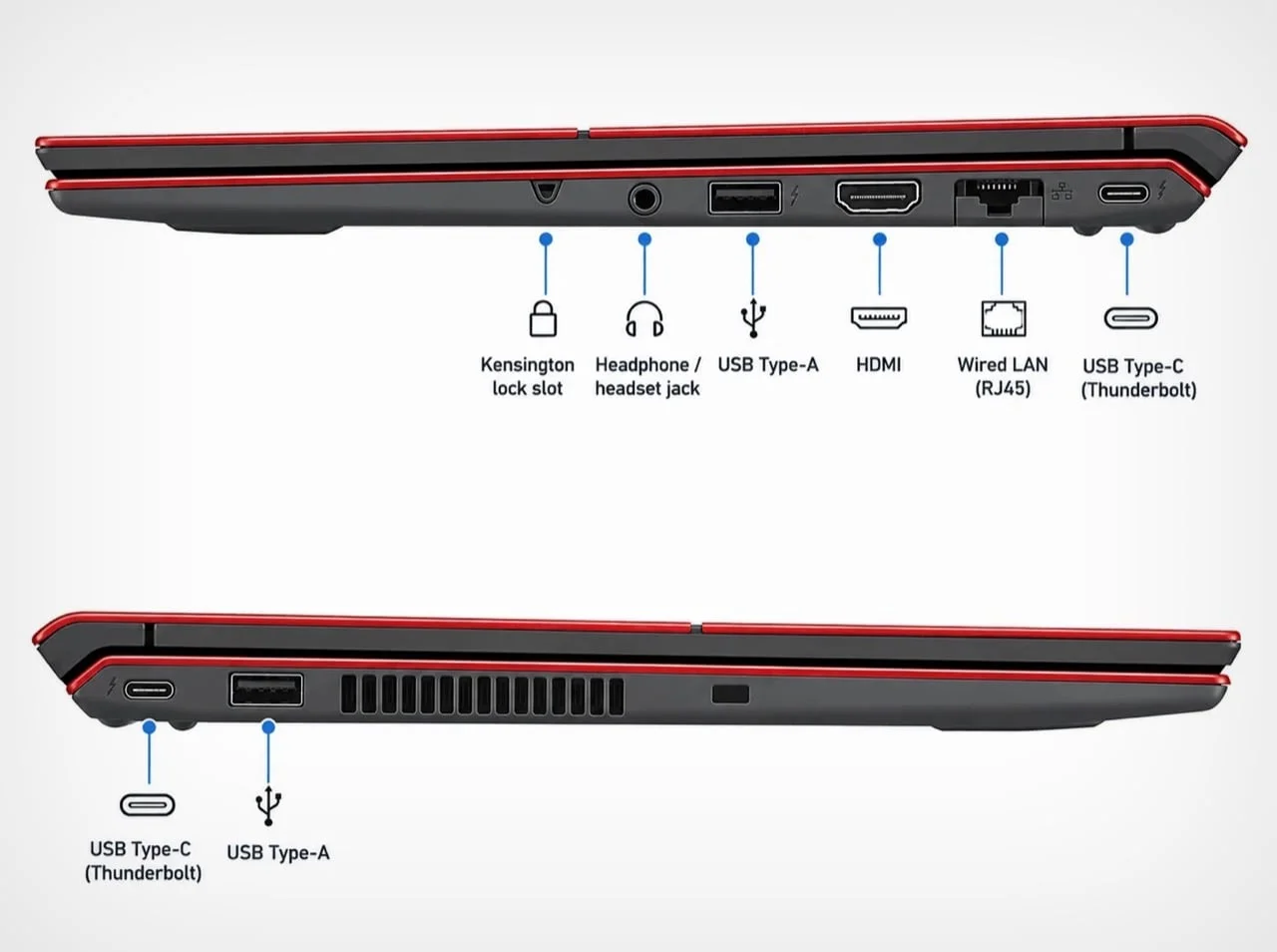
In terms of technical specifications, the VAIO T's 2560 by 1600 touchscreen display provides a lively viewing experience in a glossy finish. However, this glossy nature can also be a liability when sharing the screen in bright environments—the potential for glare can't be ignored. Users often face challenges in varying lighting conditions, and this could affect the VAIO T's usability in outdoor settings. The hardware options include up to 64GB of memory and a sizable 2TB PCIe 5.0 SSD, plus an optional battery promising about 18 hours of video playback per the JEITA 3.0 standard. Such capabilities signify a clear intention to cater to professionals who prioritize productivity on the go.
Market Position and Accessibility
Despite its appealing features, the high entry point of 374,000 yen for the base configuration—integrating an Intel Core Ultra 5—could limit its accessibility. This price point places it firmly among high-end machines, often necessitating comparisons with established models from competitors. Extra features like expanded storage or an English keyboard may further inflate the price for those eager to customize. Currently, VAIO hasn't indicated any plans for wider availability outside Japan, leaving many international tech aficionados to admire the device primarily from afar. This exclusivity could either enhance its desirability or hinder its market reach, depending on consumer demand and brand loyalty.
Future Implications and Outlook
Ultimately, the VAIO T exemplifies the idea that a return to old concepts can yield fresh opportunities. While it may not be positioned to dominate sales figures the way Lenovo has, VAIO shows that bygone mechanisms can still resonate with current user needs. Success in the tech world isn't solely about market victories; it’s also about providing genuine solutions to user experiences. As consumer preferences shift, VAIO's approach might pave the way for a new category of devices that prioritize authenticity and thoughtful design over sheer ubiquity. The potential for future iterations that build off this product's principles could be significant—if they can attract an audience willing to invest in quality over quantity.

Discussion
Sign in to join the discussion.