Pamir's Lapis One offers a unique, compact solution tailored for AI agents, blending functional design with Linux accessibility at a competitive price.
Meet the Lapis One
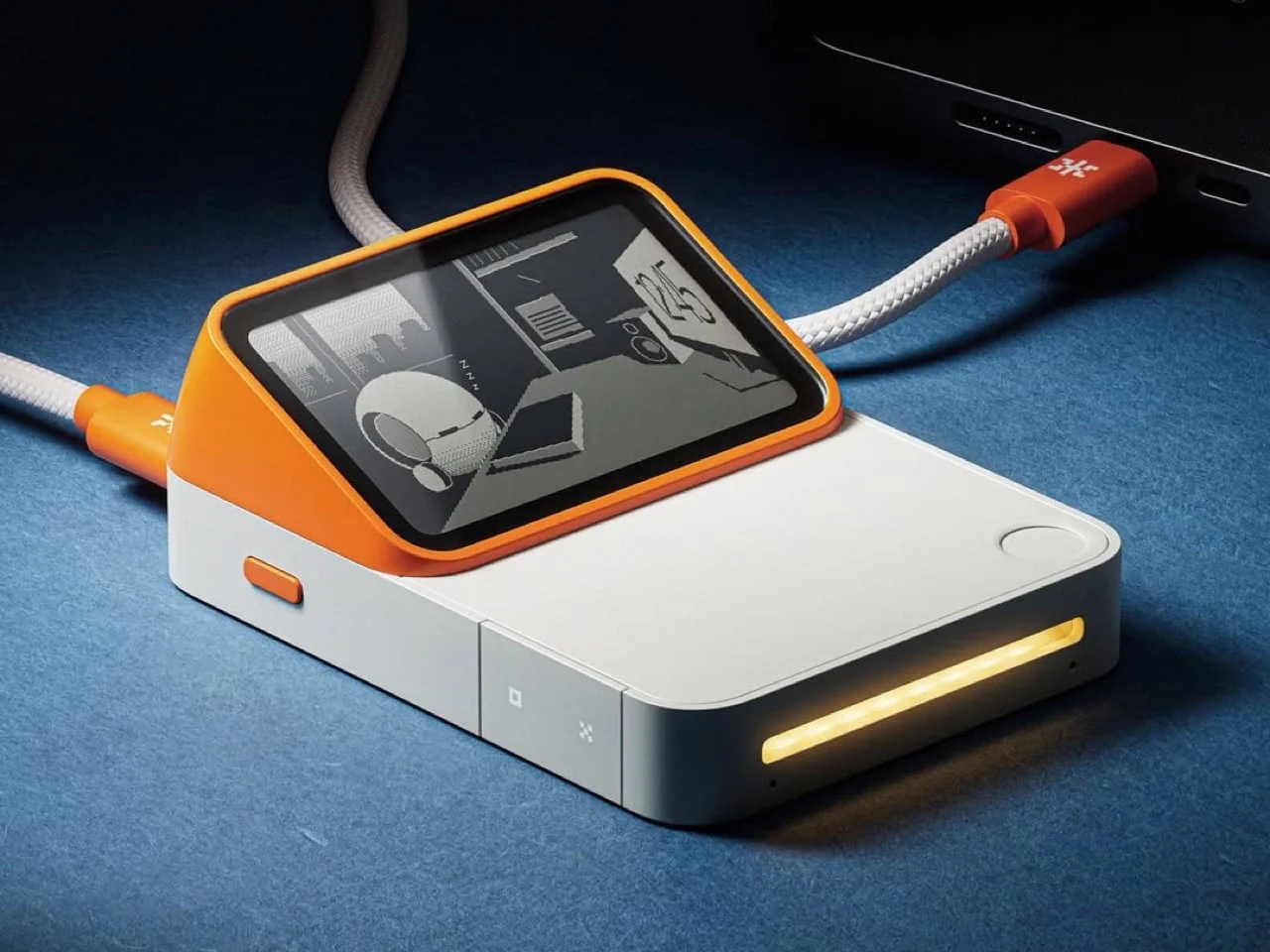
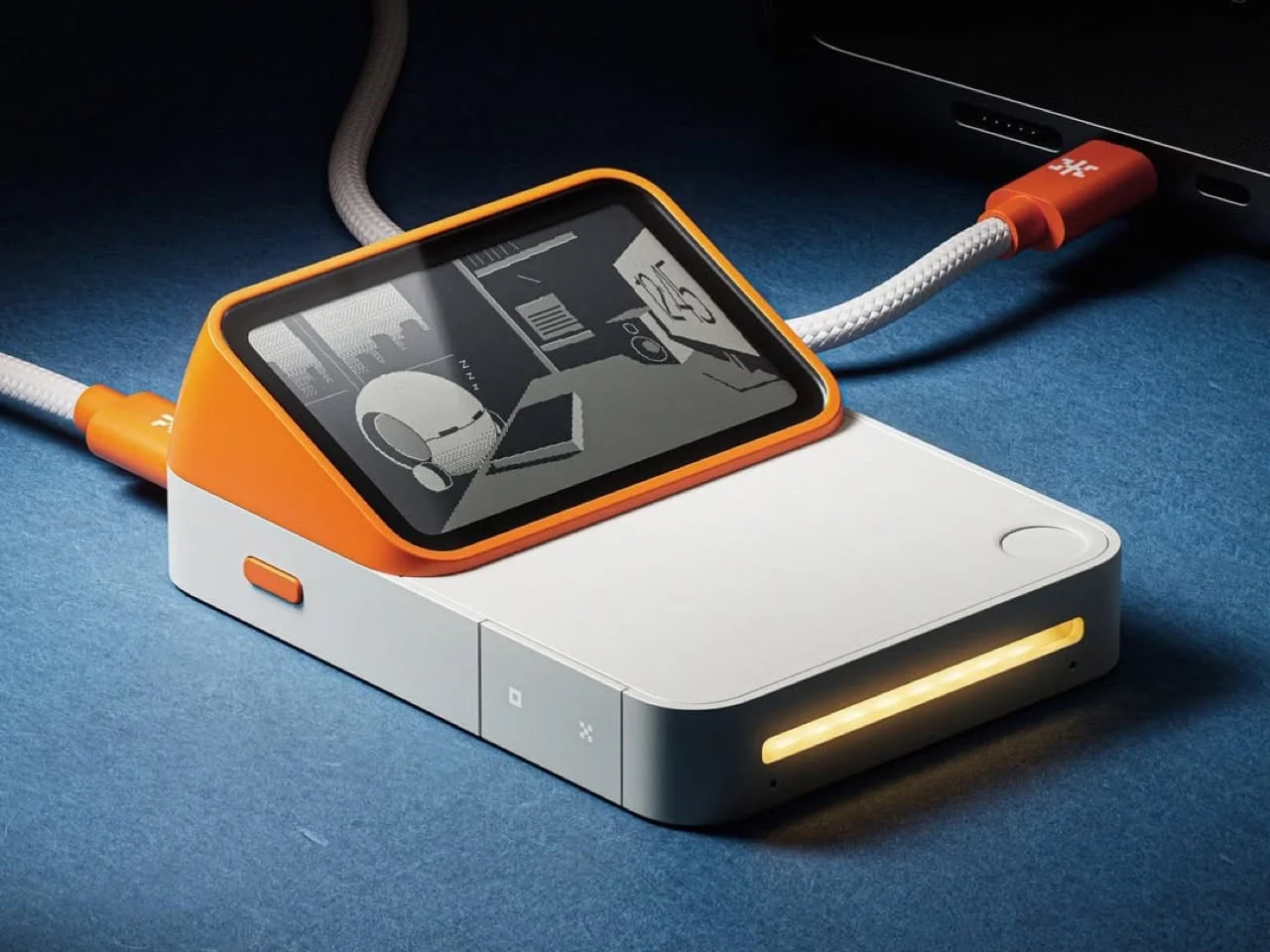
Pamir AI has recognized a growing trend where users are purchasing Mac minis solely to host their AI agents. Thus, they asked a pivotal question: Why not create a device tailored specifically for this purpose? The Lapis One emerged as a compact Linux machine dressed in a nostalgic aesthetic—a quirky design featuring a Rabbit R1-inspired orange top and an iMac G3-style body. This setup transforms your AI assistant into a dedicated entity, allowing it a proper workspace, while simultaneously granting users more freedom with their main devices. This differentiation is key—no more juggling multiple apps or devices. Just a clean, focused environment for AI interactions.
Specifications and Features
At its core, the Lapis One is powered by a Rockchip RK3576 processor, which boasts a neural processing unit capable of 6 TOPS, alongside 8GB of LPDDR5 RAM and 64GB of internal storage, expandable via an M.2 SSD and microSD card. With these specs, the Lapis One aims to provide a balanced blend of power and efficiency. A standout feature is the Agent KVM; this dedicated USB-C port gives users the ability to control a secondary computer through the agent, effectively bridging the gap between machines. It’s a nifty trick for those who want to multitask without overloading their main system. Plus, with Tailscale preinstalled, checking in with your AI assistant while you’re out is a breeze. With a pre-order price of $499, followed by a move to $599 once initial batches ship in December to the U.S., the pricing strategy targets both early adopters and cost-sensitive consumers.
A Nod to Nostalgia
The design of the Lapis One unmistakably pays homage to its predecessors. With its bright orange casing housing the screen, it draws clear inspiration from the Rabbit R1, complete with a pixel-art character that livens up the display. This nostalgic approach isn’t just a marketing gimmick; it's a deliberate strategy to appeal to both retro enthusiasts and those who are wary of more conventional tech. While the R1 sought to replace traditional phones—a strategy that met with skepticism—the Lapis One sidesteps this competition, requiring nothing more than a power source and internet connection to set it up. The accessibility factor allows it to attract a wider audience, particularly those intimidated by complex technology.
User Experience and Interface Design
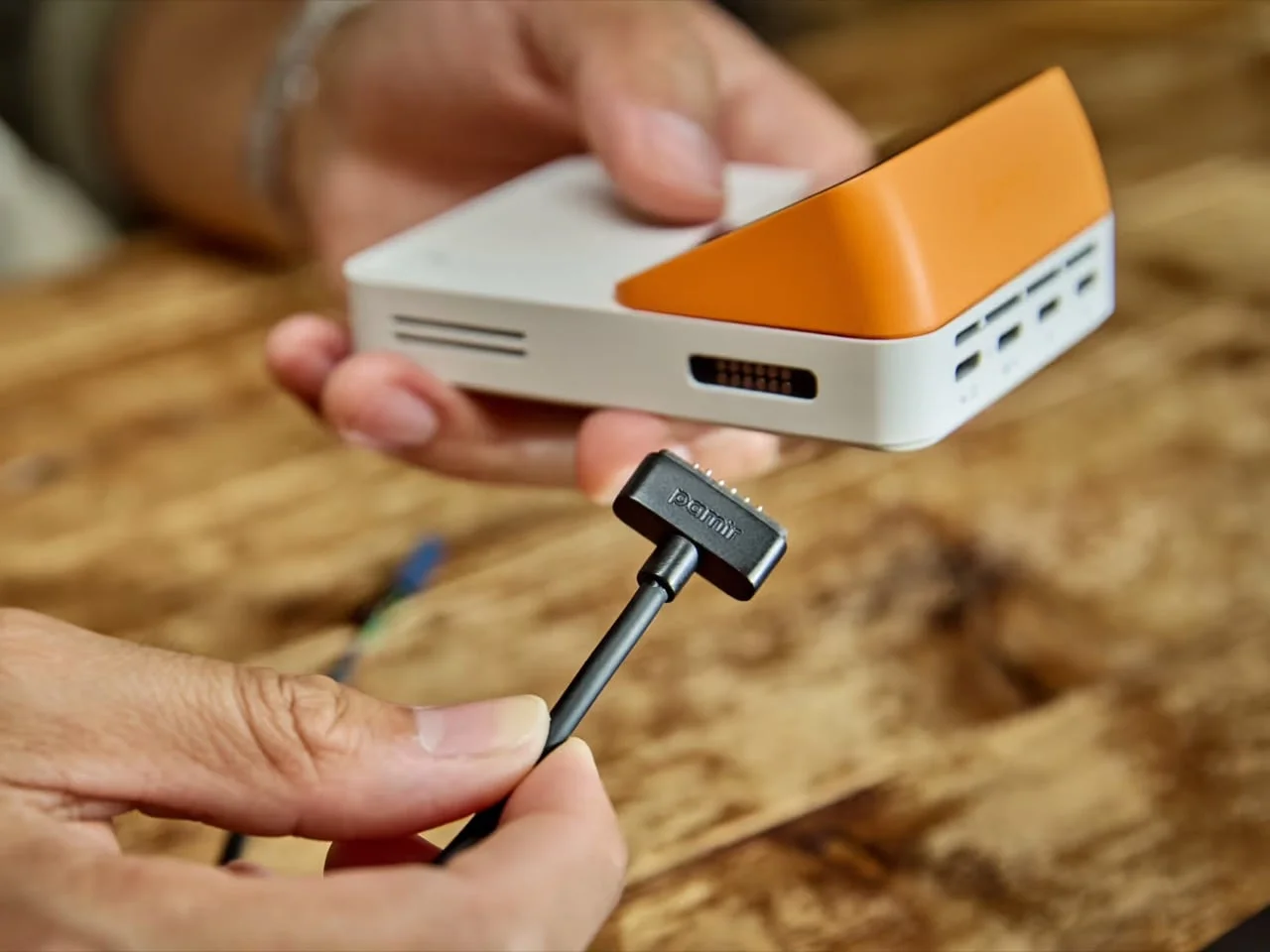
The Lapis One channels the spirit of the iMac G3 but more through its playful design philosophy than its color scheme. Apple's original iMac made computing approachable for many, and the Lapis One seeks to do the same for Linux enthusiasts, who might be discouraged by the platform’s technical reputation. It presents a polished interface rather than an intimidating command line, which could make or break the user experience for the average consumer. Centralization of the user experience here is key, as it dramatically reduces the friction often associated with Linux-based systems. Moreover, it offers four USB-C ports for varied functionalities—including power and video output—that favor usability over complexity. That’s a smart approach in a market often rife with convoluted setups.
Display and Power Options
The display itself is a Sharp memory LCD, similar to the one used in Panic’s Playdate. This low-power screen allows the Lapis One to maintain functionality without draining its 3,300mAh battery, doubling as a clock when your assistant isn’t engaged. Thoughtful product design shines here, moving beyond merely housing a development board. However, this seemingly simple feature supports more than just basic aesthetics. It subtly encourages users to keep the device on their desks, adding a continual presence of AI assistance into their daily lives. (And this is the part most people overlook.)
Potential Concerns
However, a few concerns linger. The battery's four-hour lifespan may limit the "personal UPS" promise to more of a nap timer for AI agents. In practical terms, occasional disconnections are possible during extended usage, potentially hampering productivity. Furthermore, the Agent KVM feature grants direct access to a secondary computer’s keyboard and mouse without any software limitations. This opens up fascinating possibilities but also requires careful discretion regarding what tasks the agent performs. It poses questions about security and user control that can’t be ignored. Lastly, at $499, comparisons to Raspberry Pi devices will likely arise, stirring discussions around value versus performance. Given the rise of affordable yet capable single-board computers, this could become a contentious point for potential buyers.
Conclusion and Market Implications
Nevertheless, Pamir’s design is commendable. The aesthetic successfully softens the intimidating nature of such technology, proving that smart design can make high-tech hardware feel like a welcome addition to any desk. Whether the $499 price tag is justifiable remains to be seen when the initial units hit the market in December. As users increasingly seek tailored solutions for AI processing, the Lapis One might just find its niche. If you're working in this space, keep an eye on user feedback; it will be telling of how well this device fulfills its promise. A blend of retro charm with modern utility may intrigue a diverse range of consumers, setting a fascinating precedent for future product developments in AI-centric hardware.
The post Pamir's Lapis One: A Purpose-Built Companion for AI Agents first appeared on Yanko Design.


Discussion
Sign in to join the discussion.