Yoniq's $199 Portal offers a budget friendly alternative to the PlayStation Portal, but its specifications and design leave many questions unanswered.
The Appeal of Affordable Gaming Devices
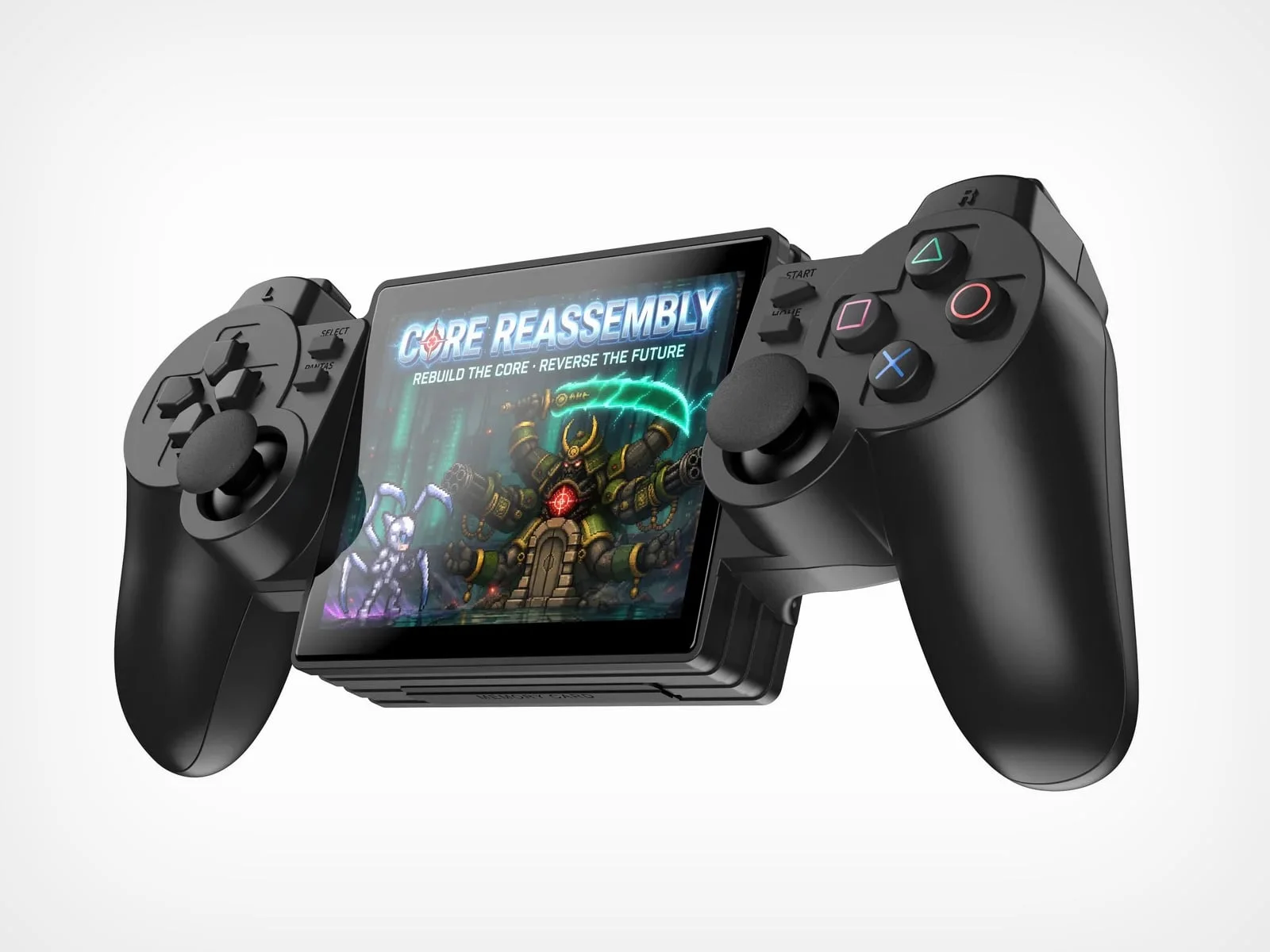
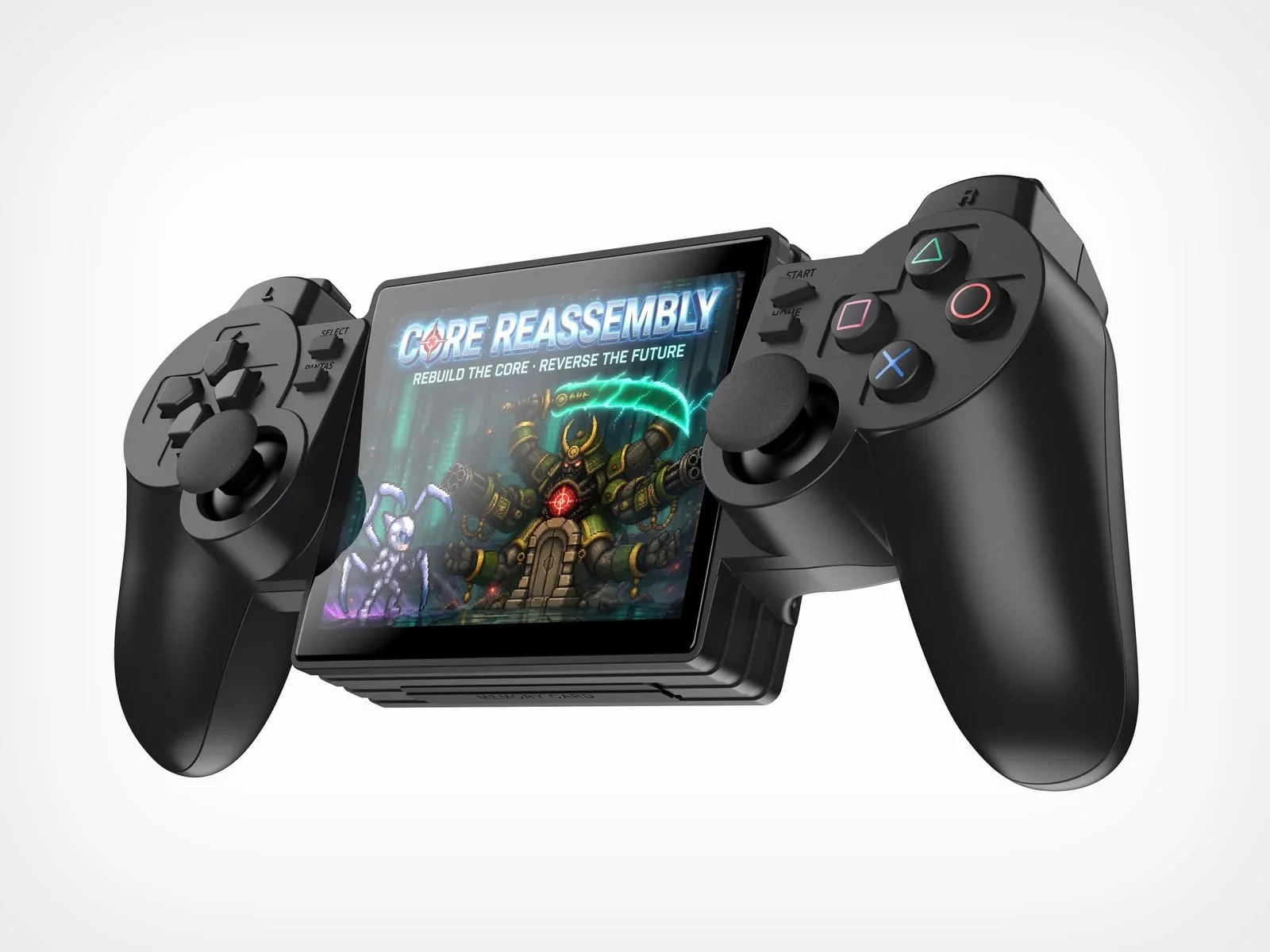
Every successful gadget seems to inspire a more affordable copy, and the PlayStation Portal is no exception. Enter the Yoniq Portal, a new handheld gaming device unveiled at Gamescom 2026. Priced at $199, it aims to provide gamers with a budget-friendly option, particularly when compared to Sony's device, which retails at $249.99 and requires a PS5 for gameplay. This strategic pricing targets a segment of gamers who may otherwise feel sidelined in the high-stakes universe dominated by premium gaming experiences. Yet, while the price tag is attractive, it's essential to scrutinize whether lower cost equates to lower quality.
Design Choices and Usability
The Yoniq Portal adopts a design reminiscent of Sony's DualShock 2 controller, integrating a 4.5-inch screen nestled between the two halves. The familiar button layout—triangle, circle, cross, and square—might give nostalgic gamers a sense of comfort, bridging the gap between past experiences and current expectations. The design's appeal could resonate with a demographic that grew up playing on the PS2. However, nostalgia alone won’t guarantee success. Today’s consumers demand more than aesthetic parallels; they seek functionality and performance that align with their gaming habits.
Unlike its competitor, the Yoniq Portal is crafted for local gameplay, demonstrated at Gamescom with a session of Winning Eleven 8, suggesting it may cater to fans of classic gaming through PS2 emulation. This focus on local gameplay might endear the device to a niche market, particularly those seeking to relive classic gaming moments away from the screen of a full console. Yet, the success of this model hinges on execution. As many in the industry have observed, emulation can be a tricky path strewn with legal and technical challenges, and Yoniq must navigate this landscape if it hopes to win over gamers.
Concerns About Transparency and Authenticity
Despite its appealing price point, potential buyers should tread cautiously. Yoniq has been vague about essential specifications, including the chipset, RAM, storage capacity, and even a release date. In fact, their own product page seems to describe a different product entirely—a stick-on phone controller priced at just $12.99. This raises skepticism around the Yoniq Portal’s viability and casts doubt on the company's ability to deliver a fully realized product. Transparency in specs isn’t just a marketing tactic—it's a critical component of consumer trust, especially for tech-savvy users who’ll be more discerning than ever.
At the convention, some initially doubted the authenticity of the prototypes, mistaking rendered images for marketing gimmicks. That brings forth a valid question: how much weight should we assign to these early claims? With technology products, especially in the gaming sector, first impressions can be misleading, and presentations often gloss over the underlying issues of performance and design. That said, initial impressions are often a harbinger for future performance. If you're working in this space, you understand the stakes.
Design Flaws and Functional Concerns
Here's the thing that raises some concerns: observations of the device suggest a bulkier design with a very thick screen, resembling the unconventional quad-fold phone designs that stack multiple panels behind one display. A simpler approach, employing a standard smartphone chassis, could've yielded a sleeker form factor and likely superior screen quality. Instead, Yoniq's choice appears more like a fallback on common engineering practices than a deliberate design decision, giving off a mixed vibe of creativity and compromise. Gamers want a device that feels good in their hands and is comfortable for long sessions, not one that feels like a relic of design mishaps.
One can't ignore the legacy of the PlayStation controller, which evolved significantly under the vision of designer Teiyu Goto. Back in the 90s, Goto had to advocate fiercely for the introduction of ergonomic grips—a feature that persists today. Fast forward decades later, and Yoniq seems to have borrowed heavily from that original silhouette, melding nostalgia with questions about authenticity. The tactile innovation seen in the original DualShock controllers, like the pressure-sensitive buttons, remains unaddressed with Yoniq’s model. It's hard to overlook the possibility that Yoniq is trading on the pioneering spirit of established brands without offering a fresh take.
Implications and Future Outlook
So, while the Yoniq Portal presents itself as a lower-cost, standalone alternative, it operates under a heavy cloud of uncertainty. There's potential here—gamers could find a true gem in a budget option, or they could end up holding a regrettable investment in a poorly equipped device. With key information about capabilities and performance still lacking, it’s premature to label this a worthy rival to the PlayStation Portal. The key takeaway? This is more significant than it looks. If Yoniq can address spec concerns, improve design quality, and ensure a robust launch, they might carve out a place in a competitive market. But if they falter, the gaming community won't hesitate to dismiss the Yoniq Portal as mere imitation dressed in a retro facade.
The post Yoniq's New Gaming Handheld: A Cost-Effective Alternative to the PlayStation Portal first appeared on Yanko Design.


Discussion
Sign in to join the discussion.