Adapting Gardens for a Changing Climate: Tips for Drought-Resilient Landscapes
Published Sep 23, 2026Reads 875Desk Amy Cutmore
As climate changes bring heat and drought, gardeners must adopt water-efficient practices like rainwater harvesting to thrive in the new normal.
**Shifting Climate and Garden Survival**
Remember the days when the term "The Great British Summer" was a tongue-in-cheek reference to fleeting rays of sun nestled between relentless downpours? Those days are behind us. The summer of 2026 brought unprecedented heat and drought, forcing gardeners to rethink their verdant retreats. If the current climate trends are any indicator, such high temperatures and sporadic rainfall are not anomalies but the new normal. Gardens that once flourished under consistent moisture now teeter on the brink of devastation.
As these harsh conditions persist, it's imperative to adapt our gardening strategies. The challenge isn't just survival but thriving amidst scarcity. So, how can you protect your once-lush landscape from transforming into a parched wasteland? Water-efficient garden design is key.
To explore effective techniques, we consulted leading horticulturists for insights on creating resilient, drought-tolerant flowerbeds and planters. From clever planting strategies to innovative landscaping tips, the goal is to maximize the utility of the little water that remains.
**Embrace Rainwater Harvesting**
A smart starting point is utilizing the water that’s readily available through rain harvesting systems. As David Nicholson from Elho points out, rainwater is often superior for plants since it lacks the additives commonly found in tap water, which can hinder growth.
Consider incorporating rain barrels or water butts to efficiently capture and store rainwater. Products like the **[Elho Green Basics Rain Catcher](https://www.elho.com/en/products/green-basics-rain-catcher/green-basics-rain-catcher-35ltr-living-black/)** are designed for easy installation alongside drains and downpipes, blending functionality with sustainability.
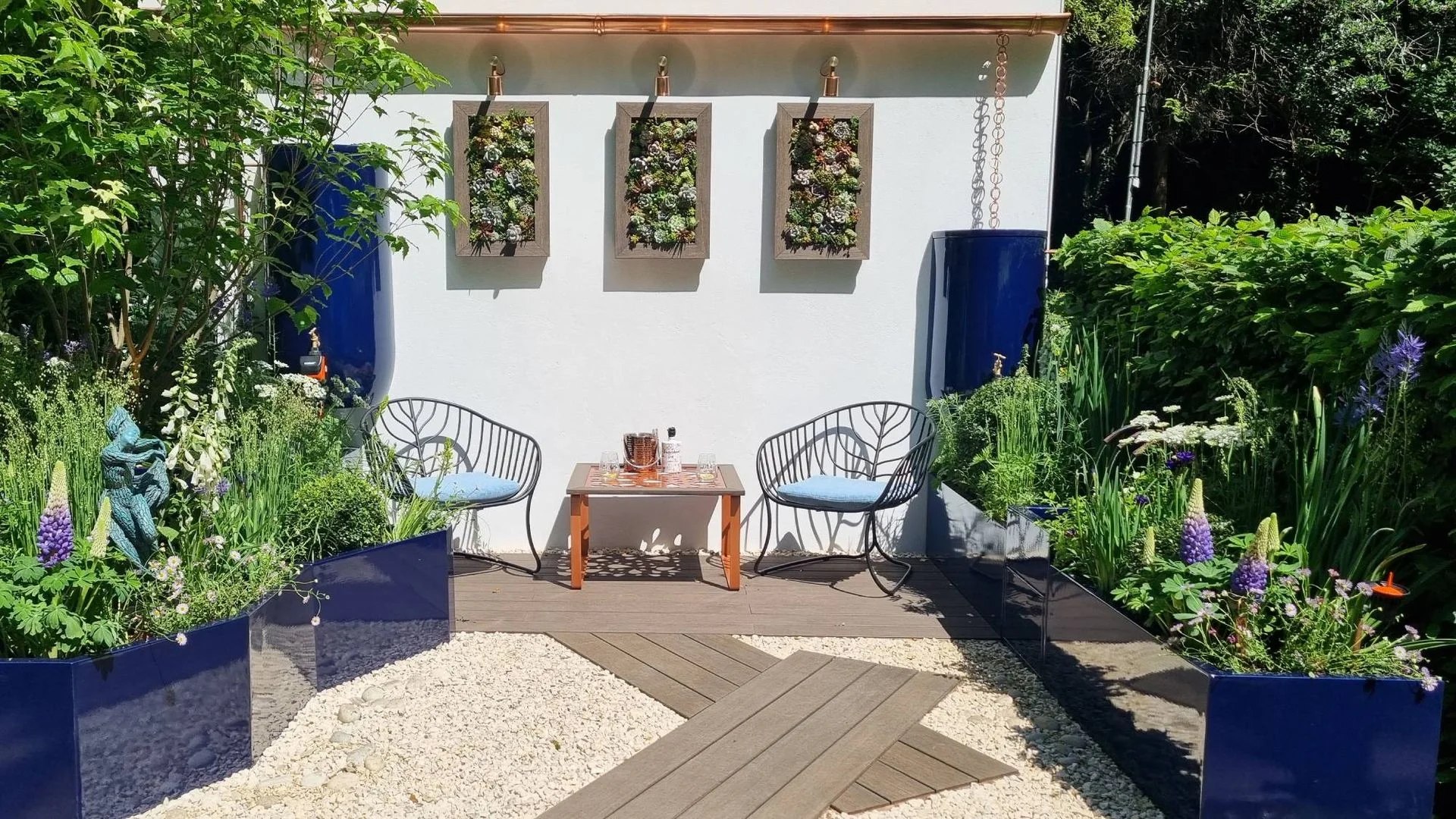
For a more aesthetically pleasing solution, rain chains can serve a dual purpose. According to Victoria Parkinson of Arctic Cabins, these decorative elements guide rainwater from gutters into holding tanks, which can be creatively repurposed as ornamental ponds. Some modern varieties are equipped with smart technology, allowing homeowners to release water strategically before rainstorms, optimizing ground absorption and increasing collection efficiency.
A look at **Belderbos Landscapes'** design showcased at the RHS Chelsea Flower Show demonstrates this concept beautifully. Featuring rain chains that direct water into stylish galvanised metal reservoirs, the garden serves as both a water collection system and a visual delight.
**Install an Attenuation Pond**
In drought-stricken gardens, adding a reliable water source can significantly enhance your landscape’s resilience. While typical garden ponds can be useful, **[Michael Wheat](https://www.pondandgardendesign.co.uk/)**, a renowned pond designer, advocates for the benefits of an attenuation pond. This type of pond is specifically engineered to capture rainwater runoff from hard surfaces like roofs and patios, ensuring water is retained instead of diverted into drainage systems.
Wheat explains, "An attenuation pond doesn't just serve as an ornamental feature, it's essentially a reservoir that alleviates pressure on urban drainage." While some may worry about evaporation during intense heat, he reassures us that well-designed ponds maintain substantial water levels and can be supplemented by strategically placed plants and rainwater collection for replenishment.
Cost-wise, a basic DIY pond can set you back a few hundred pounds, while professional installations, especially those designed for swimming, can range into the tens of thousands. Wheat advises potential pond owners to define their primary goals—be it for wildlife support, aesthetic enhancement, or water storage—to guide their design and financial planning.
**Select Drought-Resilient Flora**
If you're apprehensive about seeing your garden turn into a barren expanse as summers heat up, embracing drought-tolerant plants is a sensible solution. These hardy species can flourish even with scant water supply while still delivering vibrant colors to your garden.
Charlotte McGrattan from Hillier Garden Centres recommends options like Agave and Echinops that thrive in dry conditions, yielding both beauty and low maintenance. Expert Sarah Raven also highlights varieties like **[Limonium ‘Dazzle Rocks’](https://www.sarahraven.com/products/limonium-dazzle-rocks)** as ideal choices, known for their stunning blooms and resilience against drought.
In addition to carefully selecting suitable plants—like those suggested by Raven—it’s vital to arrange your planting wisely. Surrounding delicate, water-hungry varieties with sturdier plants can help maintain soil moisture and provide them with necessary afternoon shade.
As climate conditions shift, now’s the time to rethink how we garden. The right combination of design, plant selection, and adaptive strategies won’t just help mitigate the effects of drought; they could transform your garden into a sustainable haven for years to come.
5. Experiment with Sand Planting
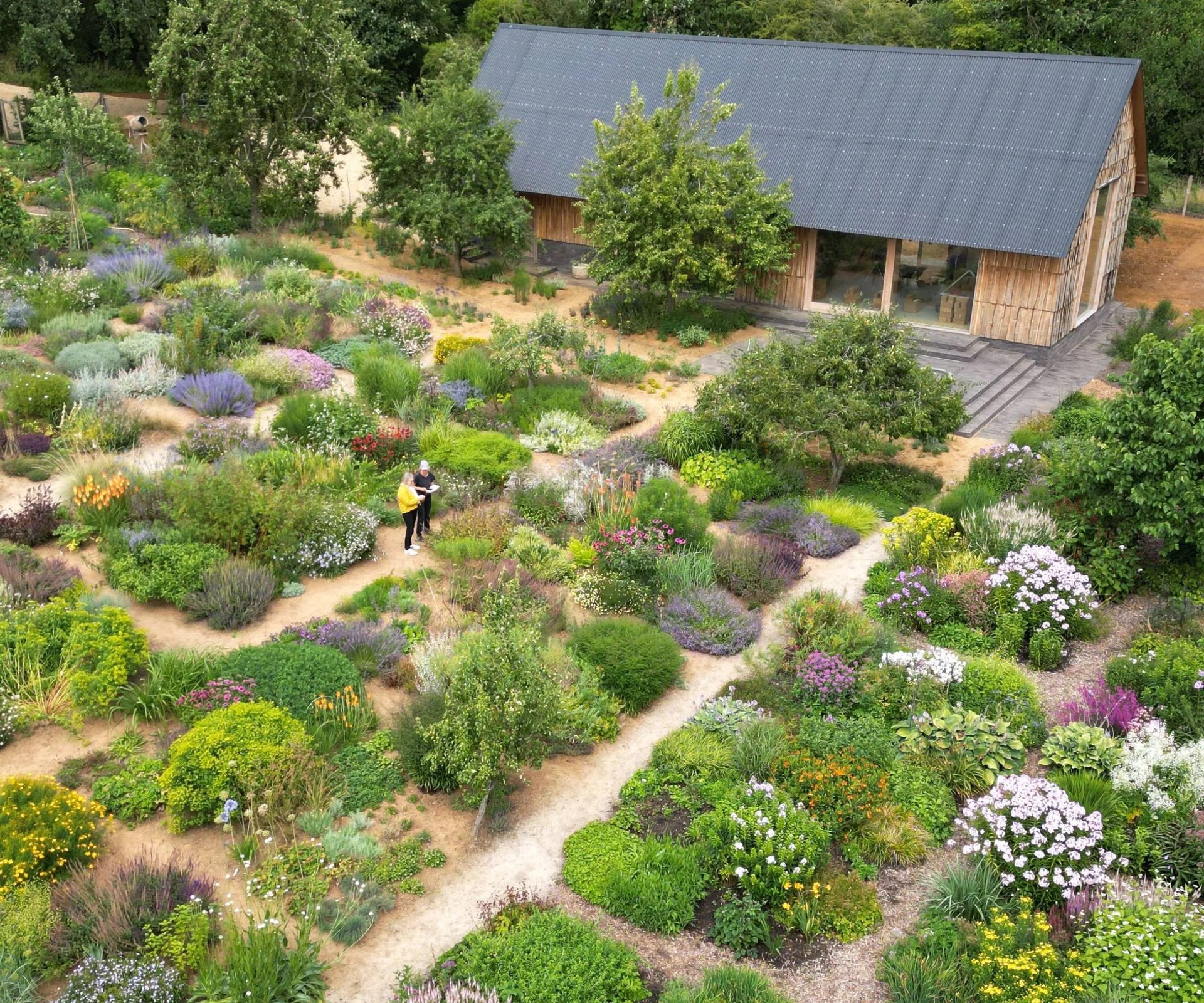
Part of the not-for-profit Serge Hill Project, the Plant Library showcases drought-tolerant species from arid regions, thriving in a bed of sharp sand.(Image credit: National Garden Scheme)
Switching from traditional soil to sand might sound unconventional at first, but this strategy holds intriguing potential, especially for those looking to create drought-resistant gardens. Wendy Smith, a landscape designer, highlights that certain renowned gardens are embracing this approach. “Using sand as a planting medium can foster tough conditions that prompt plants to establish deeper, more resilient root systems,” she notes. Instead of nurturing plants in rich soil, introducing them to about 20 centimeters of sharp sand can lead to a more robust and climate-adapted garden.
Yes, initial growth might be slower, but the long-term benefits are worth considering. As Smith points out, plants cultivated under harsher conditions tend to develop resilience, allowing them to endure periods of drought better than those grown in standard garden soil. This could be a game-changer for gardeners wanting to minimize water usage.
So, what types of plants excel in sandy environments? Smith suggests looking to the Mediterranean for inspiration. “Consider introducing plants like lavender, salvia, rosemary, or even ornamental grasses,” she advises. The success of these types in hotter climates indicates they're well-suited for the sandy conditions—demonstrating that with the right choices, a visually appealing and sustainable garden is entirely achievable.
6. Integrate Functional Garden Structures
This stylish gazebo can provide crucial shade, sheltering both delicate plants and people from the intense sun.(Image credit: Agriframes)
Creating shaded areas in gardens is becoming increasingly important, especially as heatwaves grow more common. “A little shade can make a significant difference, which becomes especially clear during extreme weather,” says Wendy Smith. Her clients used to prioritize sunny patios, but now, with rising temperatures and water conservation on their minds, the demand for shaded retreats is surging.
Smith champions the use of both natural and manmade structures for shade. Stylish umbrella trees serve a dual purpose, enhancing aesthetics while providing necessary cooling. But she doesn't shy away from including pergolas and gazebos. “They’re an instant solution for shade without burdening your garden with water-guzzling plants,” she explains.
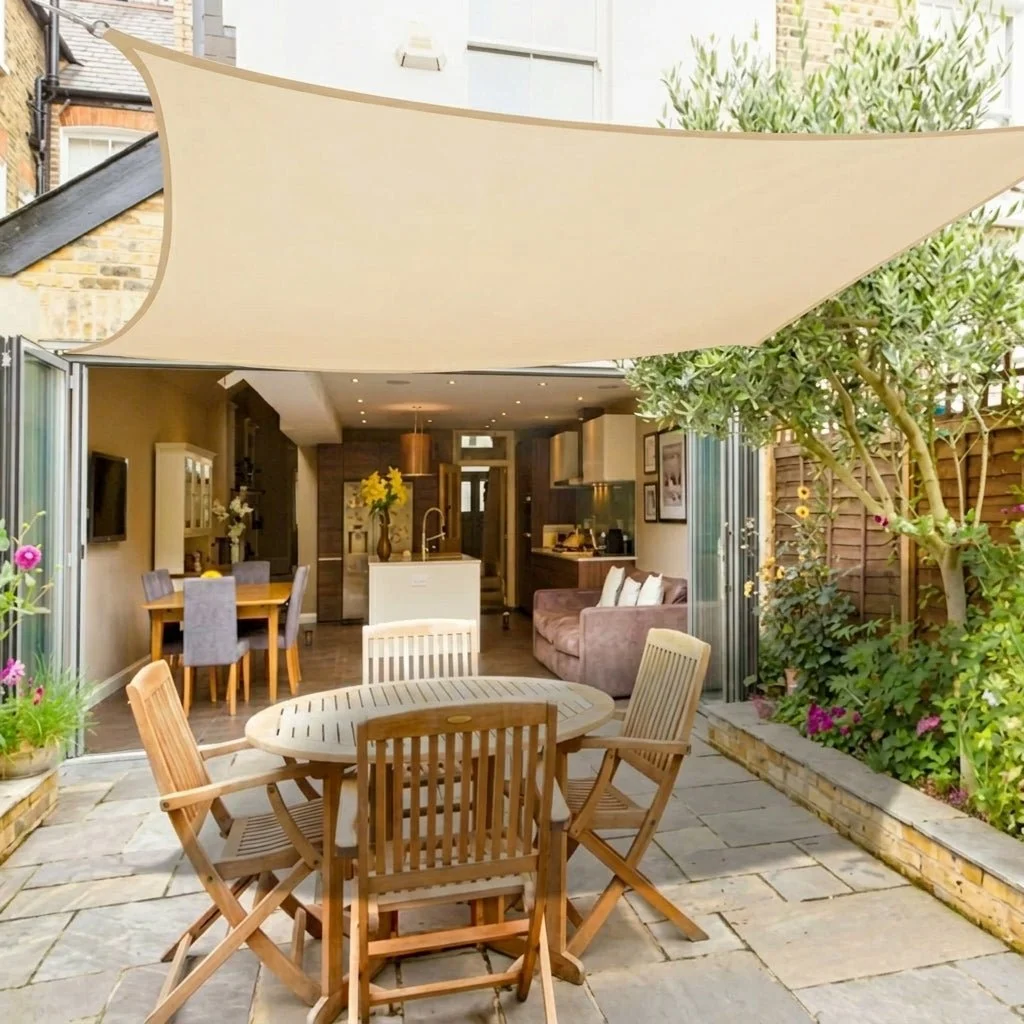
Rectangular Sun Sail With Uv Protection for Terrace and Garden - Beige / 1 X 1.5 M
This sun sail is a reliable way to shield plants and outdoor spaces from UV radiation while enhancing comfort.
Final Thoughts: A Resilient Garden Amid Changing Climates
As we look ahead, the challenge of maintaining a thriving garden in the face of unpredictable weather patterns becomes more pronounced. It’s not just about planting pretty flowers or cultivating herbs anymore; it’s about adapting to conditions that are likely to fluctuate significantly. The strategies we've explored—like using slow-release fertilizers and essential mulching—aren't merely helpful hints; they're critical tools in our gardening arsenal.
Consider the insights shared by gardening experts throughout our journey. They emphasize timing and technique, stressing that actions like watering should be strategic—initially, you might find it surprising how such simplicity can make a real impact. For instance, watering at cooler times of the day isn’t just a cliché; it’s a scientifically sound practice that can significantly reduce water loss. If you’re serious about fostering a more resilient garden, you’ll want to integrate these practices as the climate continues to shift.
What’s more, using organic solutions like seaweed-based fertilizers not only feeds your plants but also enhances their resilience against adverse conditions. This dual benefit is attractive, especially as gardeners strive for sustainable methods. The Maxicrop Organic Vegetable Feed, for example, doesn’t just support growth; it helps plants better withstand the stresses of drought and disease.
Moreover, the emphasis on mulch as a supreme water-retention technique is another revelation. It suggests a broadening perspective on what it means to cultivate a garden under increasingly erratic weather. By utilizing materials that reflect heat and insulate root systems, you're not just protecting plants but nurturing the very ecosystem they thrive in.
This adaptability is paramount. The combination of thoughtful product choices and time-tested techniques creates an informed approach to gardening. If you’re navigating challenges in your own garden, now's the time to reevaluate your strategies. With the resources and insights available, you have the means to cultivate a garden that’s not only beautiful but also resilient enough to withstand what Mother Nature throws its way.
Ultimately, as the climate continues to evolve, so too must our gardening practices. By fostering an environment that embraces sustainable methods and proactive care, you can ensure your green space thrives—no matter the weather.
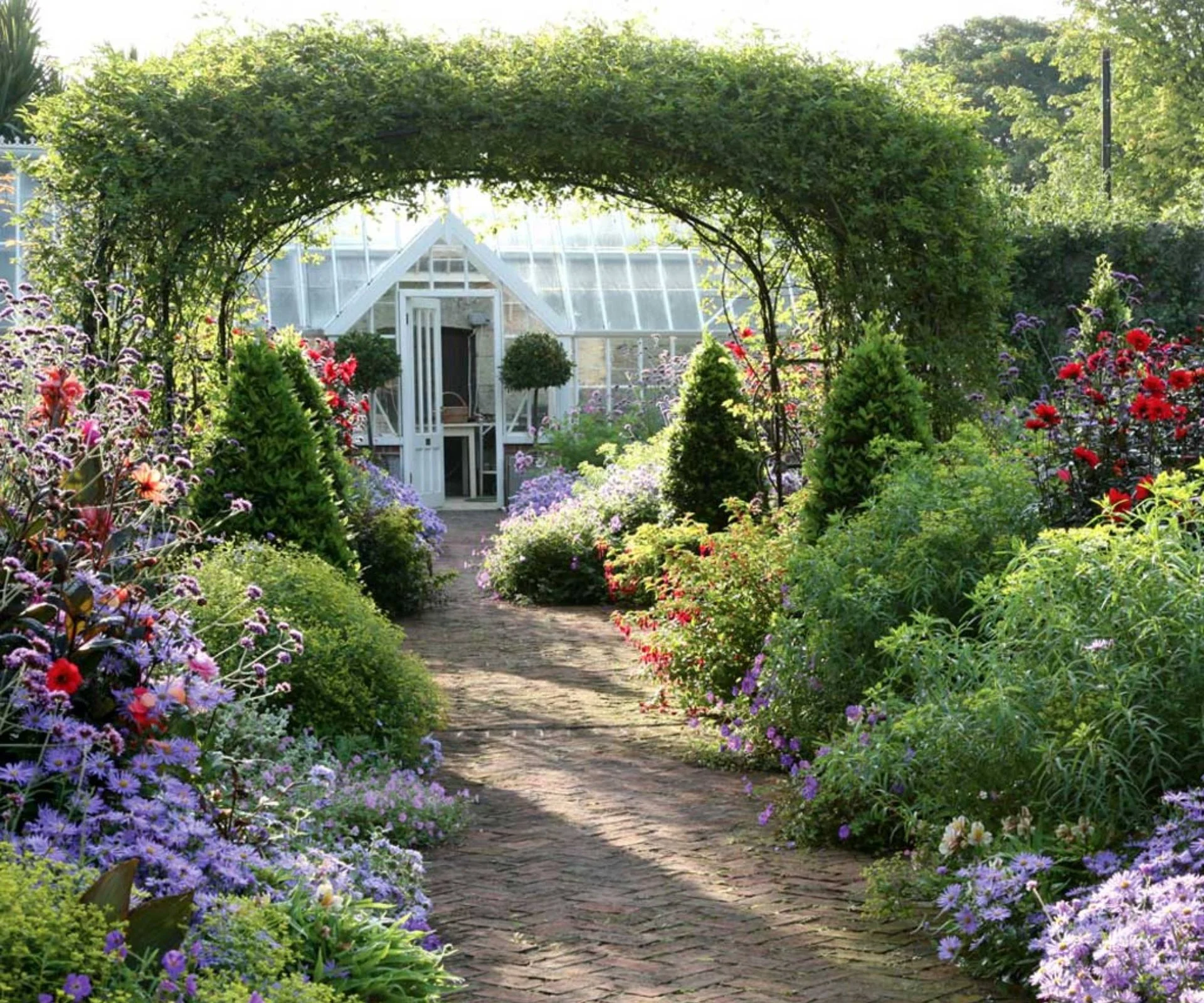
 Garden gazebo
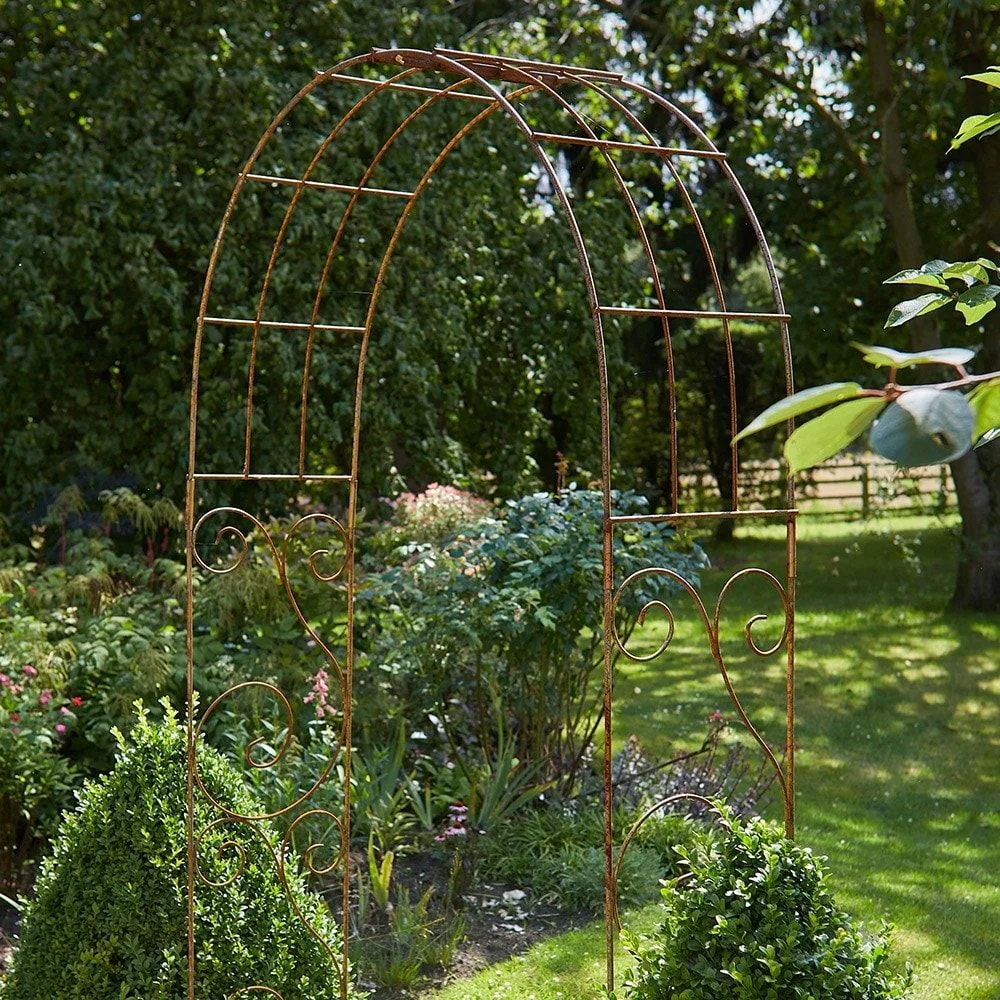 Rose arch
 Patio sail



Discussion
Sign in to join the discussion.