Recognizing the early signs of autumn damp is essential to prevent serious moisture-related issues this winter. Here's what to look for and how to address it.

While condensation is often dismissed as a minor inconvenience, it can signal the onset of autumn damp. If ignored, it may lead to larger issues during the colder, wetter months, such as mold proliferation and the spread of damp patches.
As autumn approaches, it's crucial to address these signs early to mitigate potential damage. Here are the primary indicators of damp to watch for as the season changes and practical solutions for each.
1. Condensation
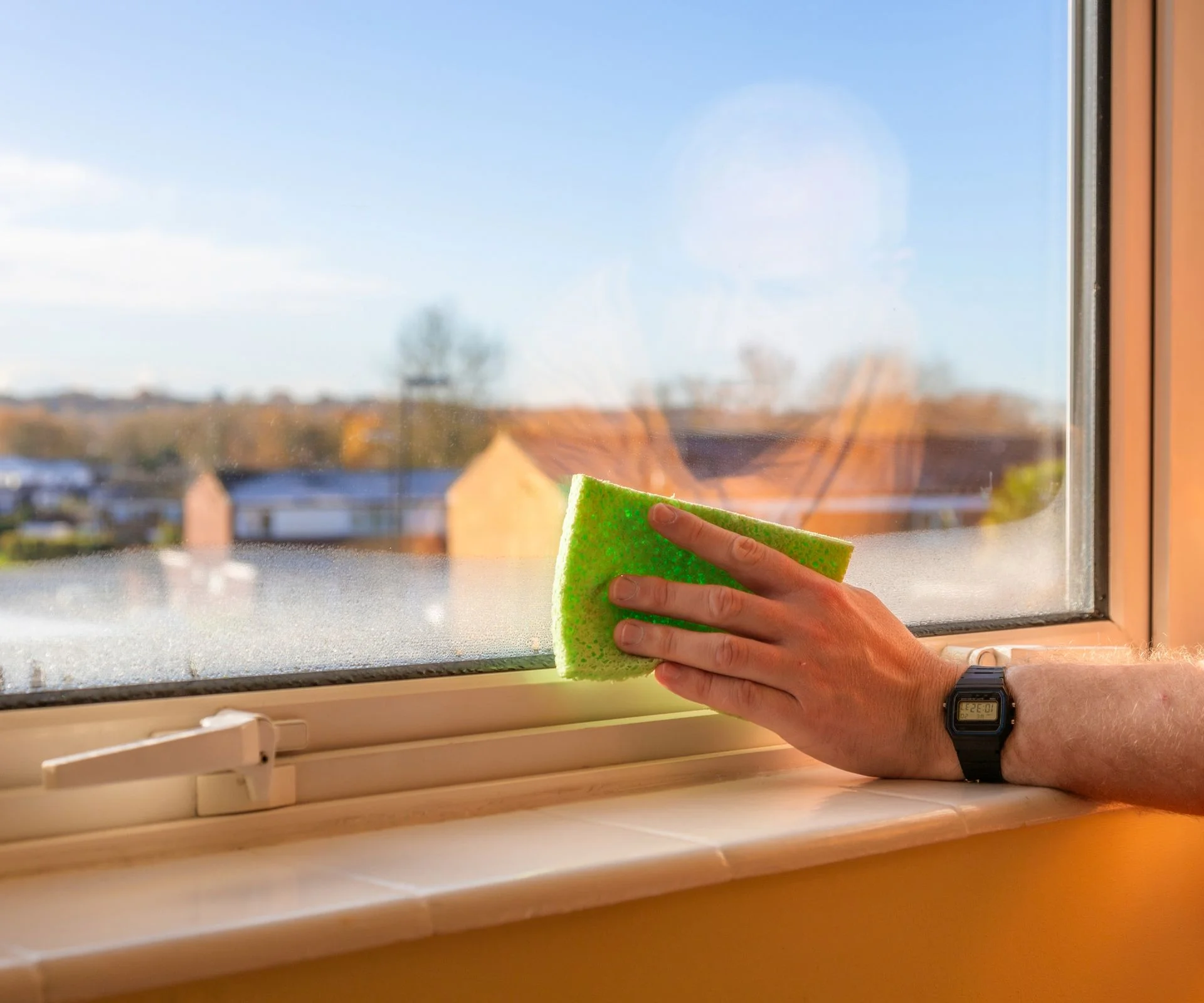
The problem: Condensation in UK homes is a widespread issue, but consistent moisture pooling on windows indicates potential underlying issues.
The fix: Michael Zohouri, founder of Pyramid Eco, suggests enhancing ventilation. This includes using extractor fans in kitchens and bathrooms, opening trickle vents, and avoiding the drying of clothes in enclosed spaces. Additionally, wipe away standing water around window frames to reduce moisture build-up.
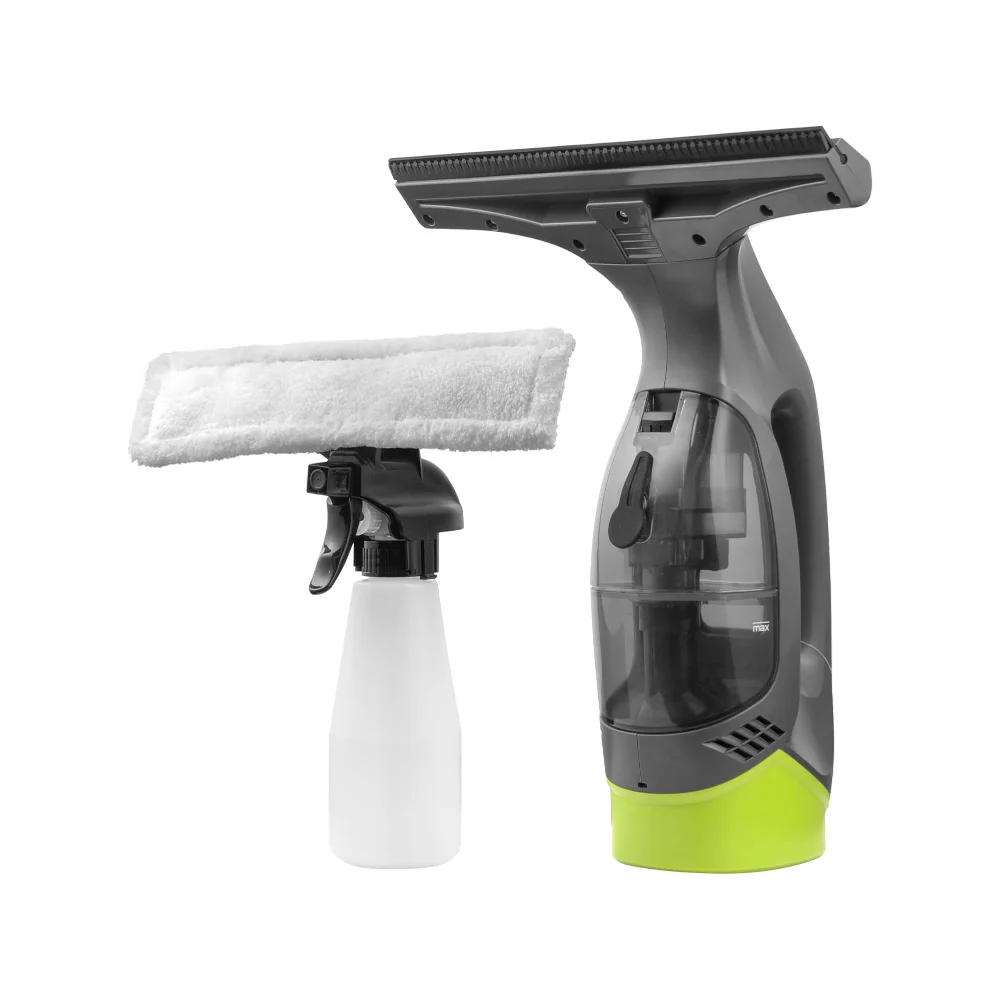
This lightweight vacuum effectively cleans windows of moisture, keeping them free from condensation.
2. Musty Smells
The problem: Musty odors can signal damp issues before they become visible, warns Marjan Kola, Trade Group Manager at Aspect.
Focus particularly on musty smells near large furniture pushed against external walls, where airflow is restricted. This can create a cool, moist environment inviting trouble.
The fix: Check for moisture accumulation behind furniture, and wipe it down if detected. Elevate airflow by ensuring furniture is slightly away from walls and ventilate rooms routinely. If the odor persists, consider investigating other sources of moisture.
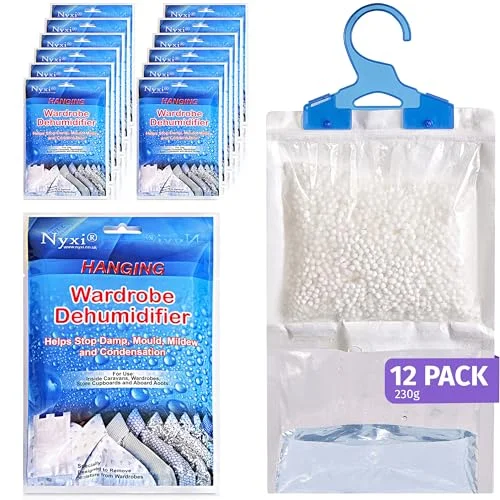
These dehumidifier bags can help combat damp odors in wardrobes and enclosed areas.
3. Black Spots
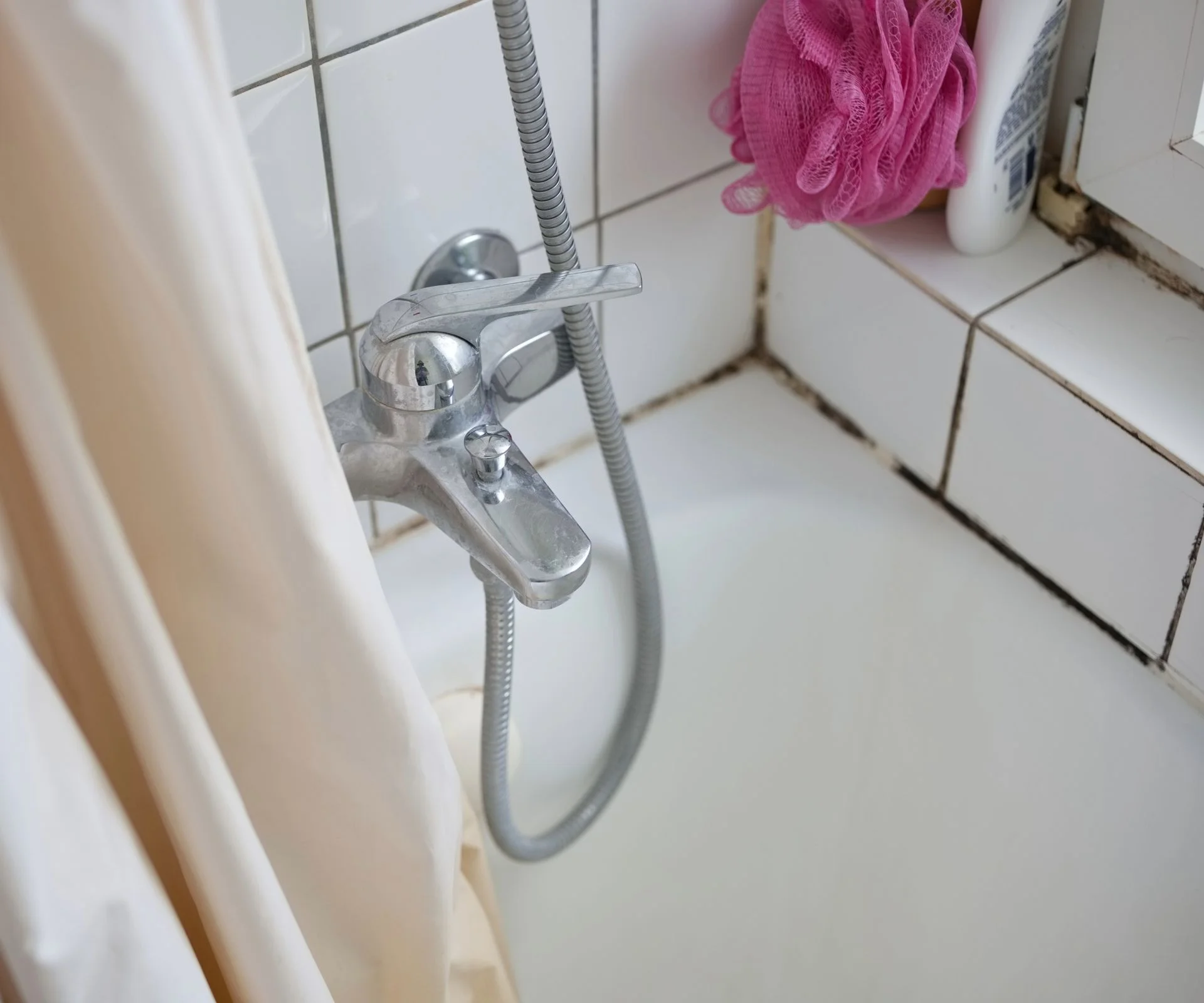
The problem: Small black spots around windows or ceilings may seem harmless, but they can indicate a larger mold issue, according to Michael Zahouri.
The fix: Address any visible mold immediately, yet the focus should be on identifying the cause. If the area experiences regular condensation, enhance ventilation and humidity control to prevent recurring growth.
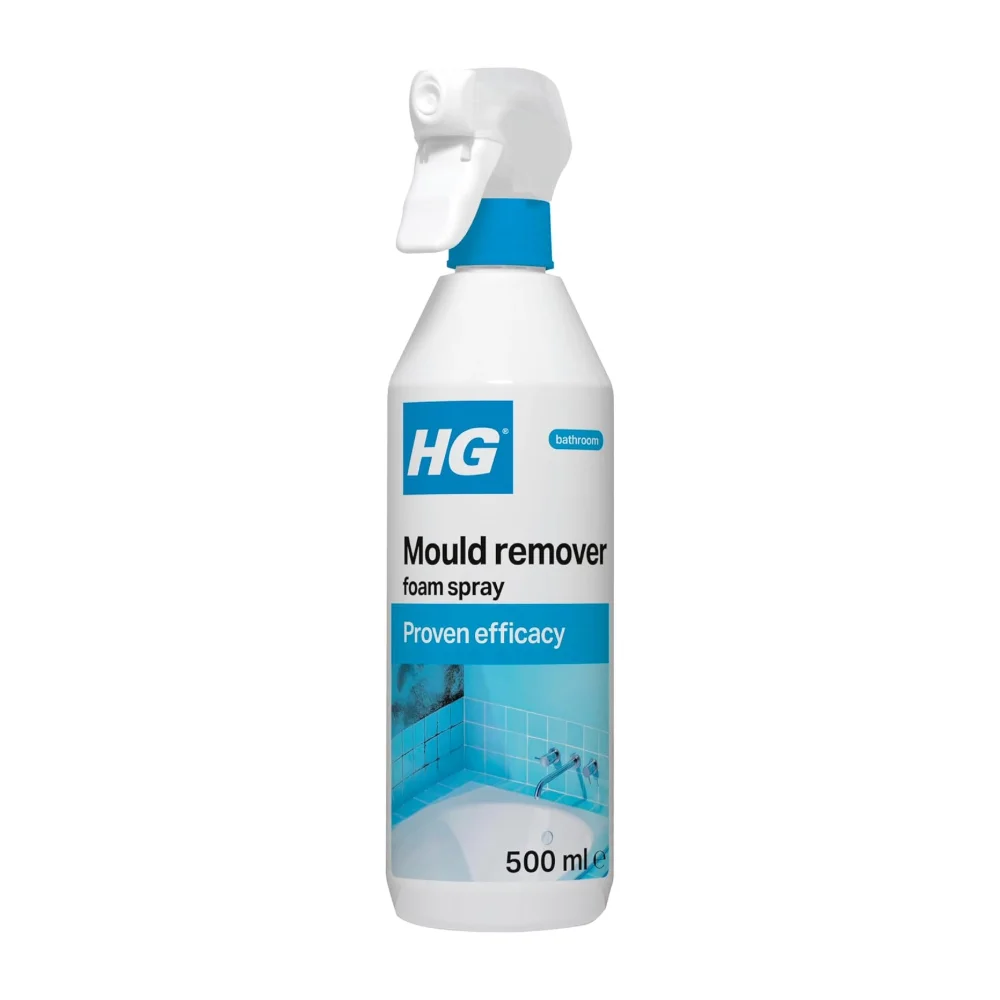
This product quickly eliminates mold and mildew from surfaces.
4. Peeling or Bubbling Walls
The problem: If you notice paint or wallpaper bubbling or lifting at the edges, it’s often a sign of moisture intrusion, says Michael Zahouri.
The fix: Rather than covering up the issue with another layer of paint, eliminate the moisture source first, then allow the area to dry completely before redecoration.
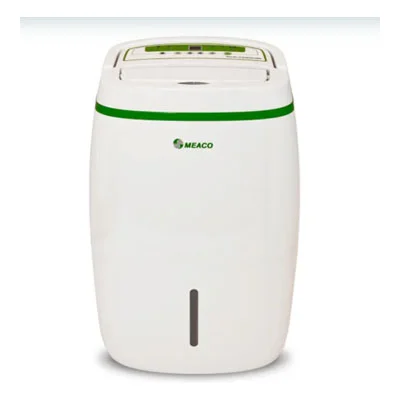
This appliance removes up to 20 liters of moisture daily while purifying the air.
5. Staining That Appears or Worsens After Rain
The problem: Stains that appear or darken after rain can indicate water ingress, warns Marjan Kola.
The fix: The priority is identifying and stopping the source of water penetration. Inspect gutters, external walls, and other potential entry points after rainfall. Don't wait for stains to dry before addressing the issue; if necessary, consult a professional to investigate hard-to-reach areas.
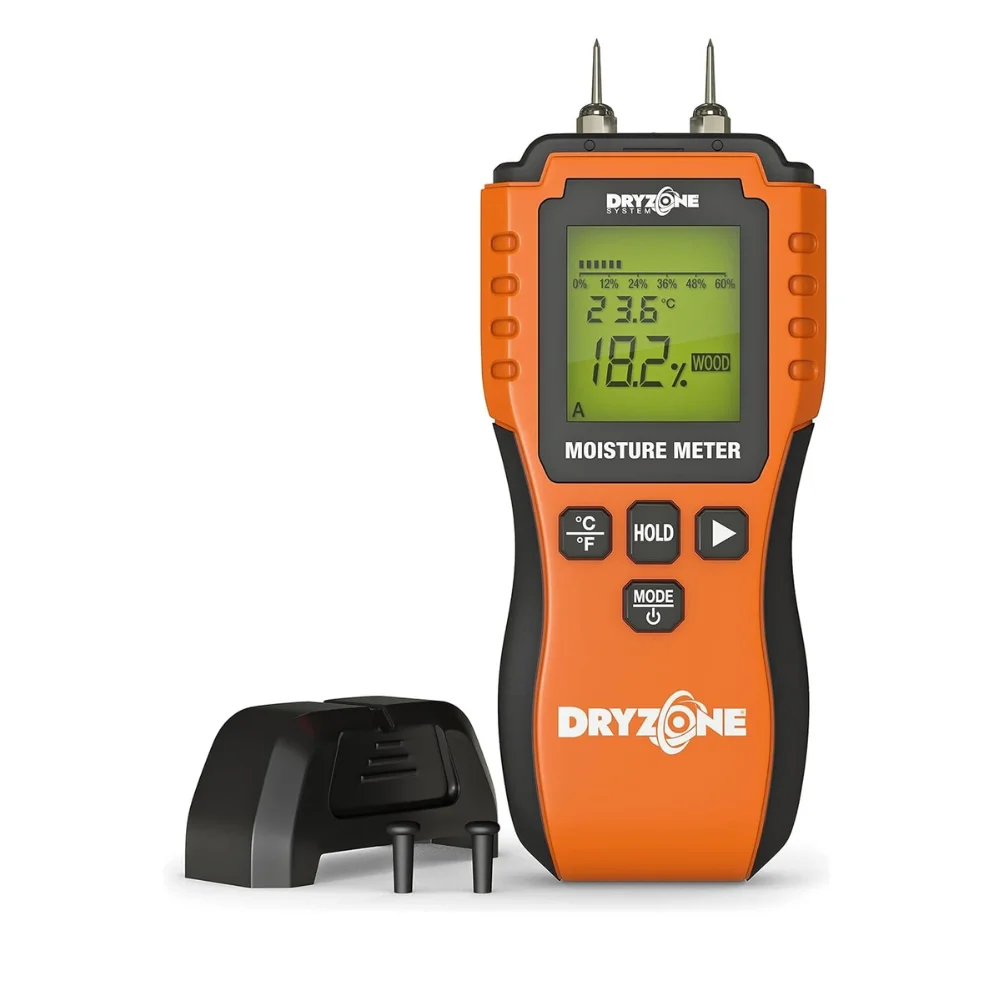
This moisture meter efficiently detects dampness in various materials.
6. Cold or Damp Patches on Walls
The problem: It’s concerning if a particular section of your wall feels consistently colder or damper, as this may suggest moisture intrusion or condensation.
The fix: Check what’s on the opposite side of the wall to identify any potential sources of leakage, be it external water ingress, overflowing gutters, or structural cracks. Addressing these issues promptly can prevent escalation into serious mold problems—which, as Michael Zahouri highlights, can lead to costly repairs later.
Taking action on these early signs of damp can save you significant time and money in the long run. If you’d like more insights, explore our guides on damp causes and treatment options for older homes.



Discussion
Sign in to join the discussion.