Learn how to creatively utilize low ceilings with color and lighting to enhance your room's aesthetic and ambiance.
Designing a room where the ceiling height feels constricted can often lead to frustration. The proportions of a space dictate not just how it looks but how it feels, influencing everything from functionality to atmosphere. Properly navigating these challenges—be it irregular shapes, low ceilings, or varying levels—can elevate the experience and aesthetic of your environment. If you’re in this field, understanding how to turn these supposed limitations into strengths can differentiate a merely adequate design from an exceptional one.
### Understanding Ceiling Dynamics
A key element to consider in any design scheme is the type of ceiling in your space. For example, homes from historical periods like Georgian or Victorian often come with impressively high ceilings, a trait that enhances both air circulation and natural light. Conversely, many contemporary builds take a utilitarian approach with lower profile ceilings, which might lack that same spacious feeling.
But don’t let the height limit your creativity. Whether you're working with a charming cottage or a modern flat, there are design strategies to optimize how a room looks and feels within those constraints. Designers today are keen to flip the narrative around low ceilings, showing that they can be stylish rather than stifling.
### Debunking the Ceiling Color Myth
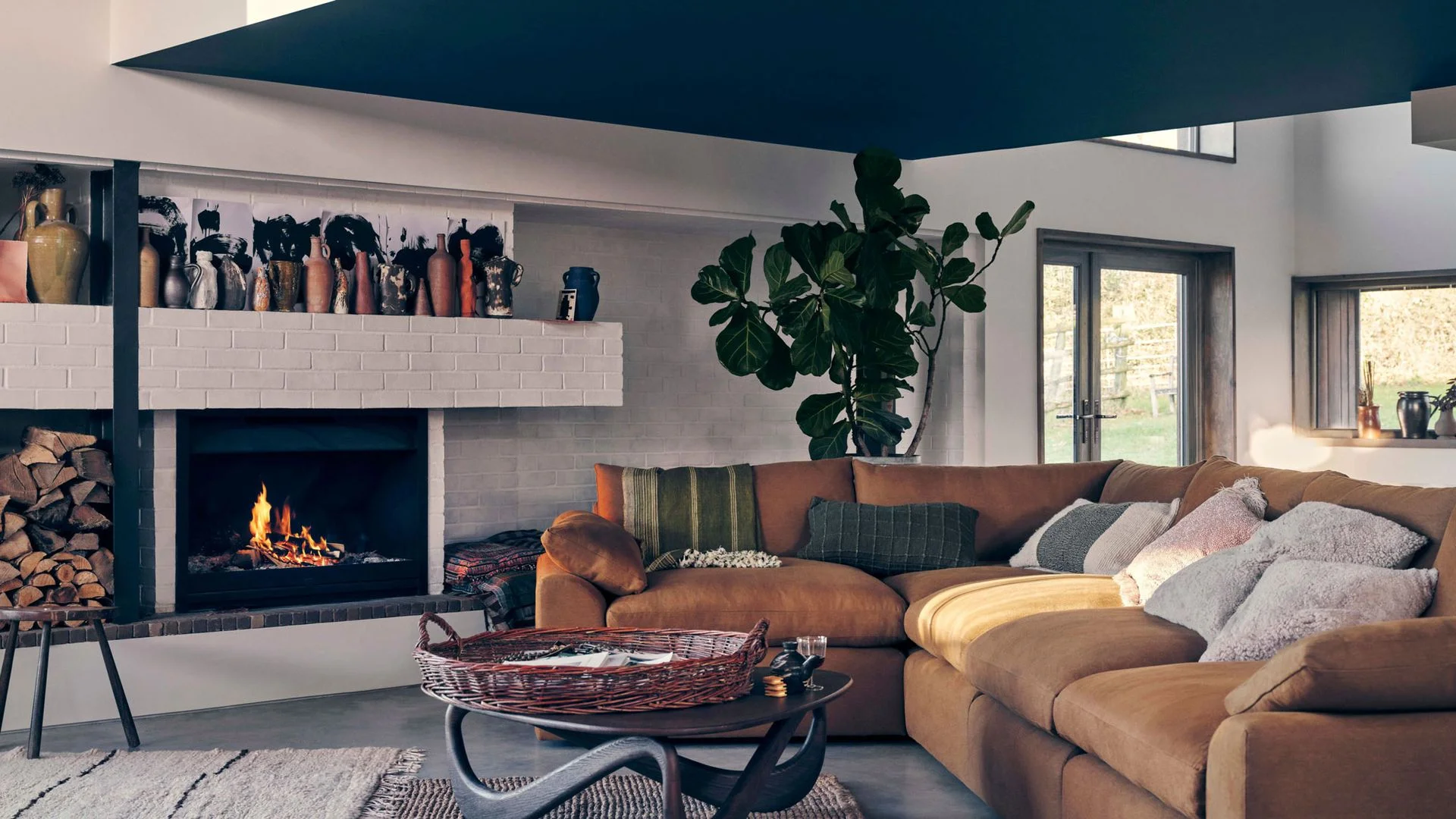
One long-held belief is that a low ceiling must always be painted white to create an illusion of height. Interior designer Holly Scott challenges this notion, suggesting that a more thoughtful approach to color can actually enrich the space. "There’s a tendency to want to make the ceiling invisible, but that’s not always the best strategy,” she explains. Instead of fighting against the architecture, Scott advocates for using color to create an inviting atmosphere.
By extending a wall color up onto the ceiling, you effectively erase the harsh line that delineates between the two, allowing the ceiling to feel integrated and designed rather than an afterthought. She shared her experience with a recent project where a rich blue ceiling complemented lighter walls, making the ceiling not just acceptable, but a focal point that harmonized with the rest of the room’s decor.
However, Scott does caution against excessive contrast, especially in rooms where the ceiling is already challenging. “High contrast can highlight where the ceiling starts, which may not be the visual effect you’re after,” she warns.
### Rethinking Lighting Choices
The lighting in a low-ceilinged room is another crucial aspect that can dramatically affect its ambiance. Traditional wisdom might suggest avoiding pendant lights, but again, Scott points out that this is a misconception. Thoughtful placement can allow statement pieces to coexist comfortably even in tighter spaces.
Michael Jackson from Northern Lights argues for a layered lighting approach. “Flush mount lights might seem like the go-to option, but you shouldn’t rely solely on overhead lighting,” he advises. Instead, integrating wall sconces that illuminate upward can draw the eyes to the ceiling, effectively countering the visual weight of the room. This gives the space a more open feel, creating an illusion that the ceiling is higher than it truly is.
### Choosing the Right Furniture
When it comes to furniture, there's an initial instinct to go for smaller items in low-ceiling spaces. However, both Scott and Mark Caulfield of Glass House Architecture suggest that a mix of sizes can work effectively. Large, bulky furniture may crowd a room, but this doesn't mean you should only fill a space with tiny items, which can create a cluttered vibe.
Scott recommends pieces that fit proportionally within the room while allowing enough open space to breathe. "Low-backed furniture with visible legs can make a significant difference, giving a sense of openness," she explains. Ultimately, using well-chosen, well-placed furnishings can make the room feel balanced rather than constricted.
### Elevating Window Treatments
Window treatments play a crucial role in optimizing low ceilings, too. According to Scott, starting curtain heights high and allowing them to flow down to the floor can create an illusion of verticality. Avoid mounting curtains just above the window; instead, consider how extending that line can enhance the room’s proportions.
### Embracing Color and Patterns
While dark colors and intricate patterns may seem major faux pas in a low-ceiling space, designing intentionally can actually highlight the unique character of a room. Scott argues for embracing the building’s proportions rather than disguising them. For instance, applying rich tiles in kitchens or bathrooms can lead to designs that don’t just complement the space but celebrate its intimacy.
By laying tiles vertically or choosing gloss finishes, you can create light-reflecting surfaces that visually expand a space. Such choices can work wonders in making low ceilings feel less oppressive.
### Conclusion
Navigating the intricacies of low ceilings may seem daunting, but it doesn’t have to be. With thoughtful design strategies, you can transform challenges into opportunities to create warm and inviting spaces that fully embody the intent of the architecture. So, the next time you find yourself working with lower ceilings, remember these insights and let creativity guide your choices.



Discussion
Sign in to join the discussion.