Explore the key differences between compost and topsoil, their applications, and how to optimize your gardening efforts for better plant health.
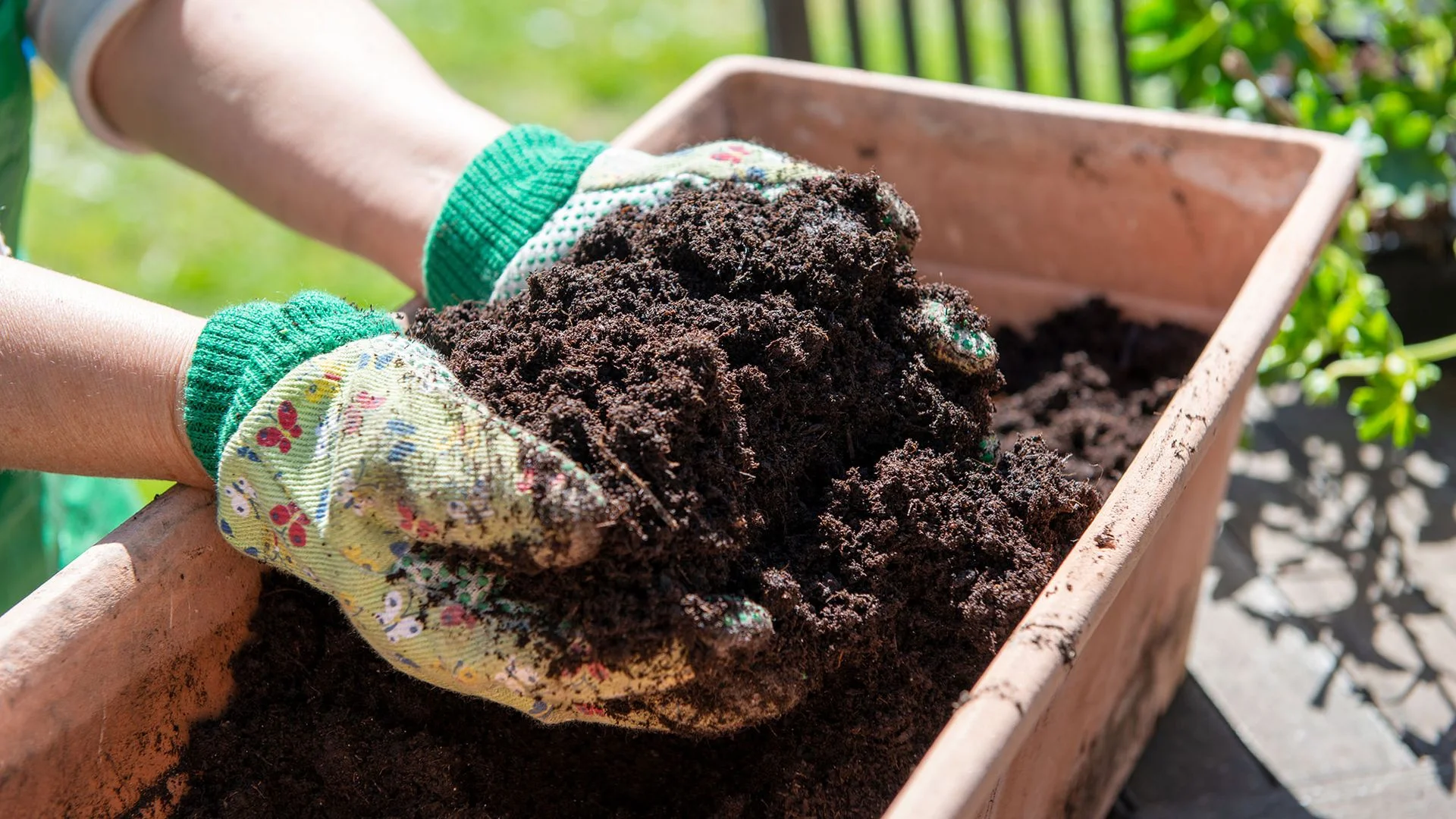
When it comes to gardening, distinguishing between compost and topsoil is essential for achieving the best results. While both are vital materials found in most gardens and provided in bags at garden centers, they serve different purposes that can greatly affect the health and growth of your plants. Choosing the right one—and knowing how to combine them—can lead to lush gardens or barren patches where nothing thrives.
Defining Topsoil
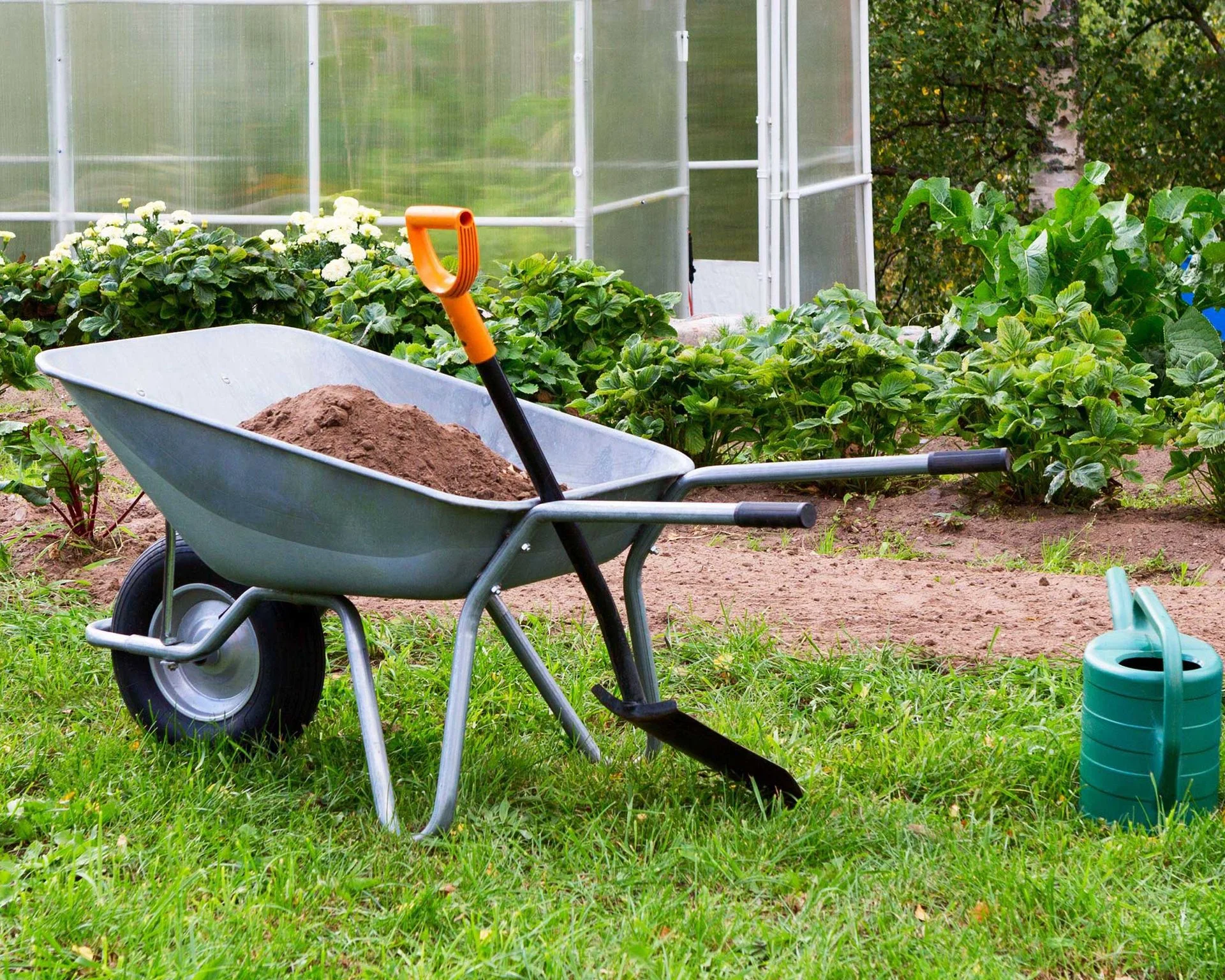
Topsoil is essentially the uppermost layer of soil and boasts the highest concentration of nutrients. This layer is not just a generic layer of earth; it's rich in organic matter and microorganisms that play a crucial role in plant health. It’s the go-to option for any gardener looking to provide a solid foundation for plants. Available in several grades from various garden suppliers, topsoil can be categorized into premium, general-purpose, and economy types. Premium topsoil is free from weeds, rich in nutrients, and offers a loamy texture that’s perfect for creating new flowerbeds or improving existing ones. It's the type most likely to help your plants flourish.
General-purpose topsoil serves versatility well, making it suitable for everything from constructing new borders to establishing fresh lawns. Depending on the intended use, one can select between coarser and finer textures; coarse varieties are typically less expensive and ideal for projects such as laying turf, while finer grades are better suited for top dressing. The key is in understanding how the texture impacts drainage and aeration in the soil. Economy topsoil, though cheaper and often unrefined, can serve well for structural projects, though it may lack the desired quality for direct planting. Think about this: if you want to grow vegetables or delicate flowers, skimping on quality can lead to disappointing results.
Before making a purchase, it’s vital to inspect topsoil closely. Even premium options can sometimes contain unwanted materials like rocks or glass. Careful selection and subsequent maintenance become essential once it’s in the garden, particularly as issues like compaction or nutrient leaching can severely hinder plant growth.
Understanding Compost
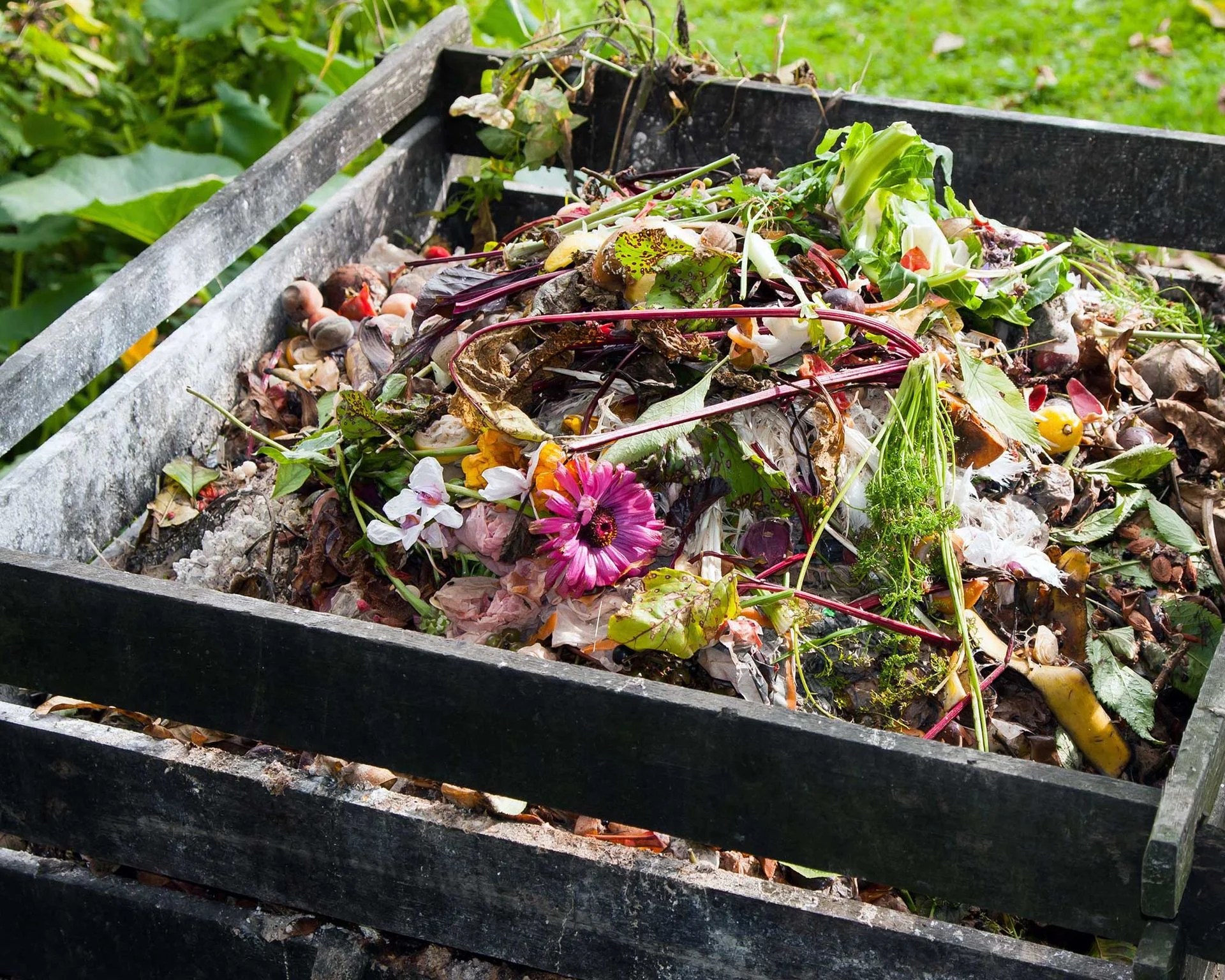
Compost, meanwhile, is derived from decomposed organic materials such as kitchen scraps and garden waste. This isn't just a pile of rotting vegetables; it's a powerhouse of nutrients waiting to be released slowly into your soil. If managed properly—whether through hot composting techniques or worm composting—this process can yield nutrient-rich compost relatively quickly. Many gardeners opt for commercial, peat-free composts for their environmental benefits, as these options help reduce our carbon footprint considerably.
What sets compost apart is its ability to release essential nutrients over time, often exceeding what topsoil can provide. The slow release means that plants can access these nutrients as they grow, rather than receiving a quick burst that might wash away during watering or rain. Compost can significantly enhance soil quality, improving drainage in compacted soils, making it an excellent choice for enriching raised beds and borders. Just think about those tightly packed urban gardens where every inch counts; compost can transform that hard earth into a thriving environment.
Mixing Topsoil and Compost
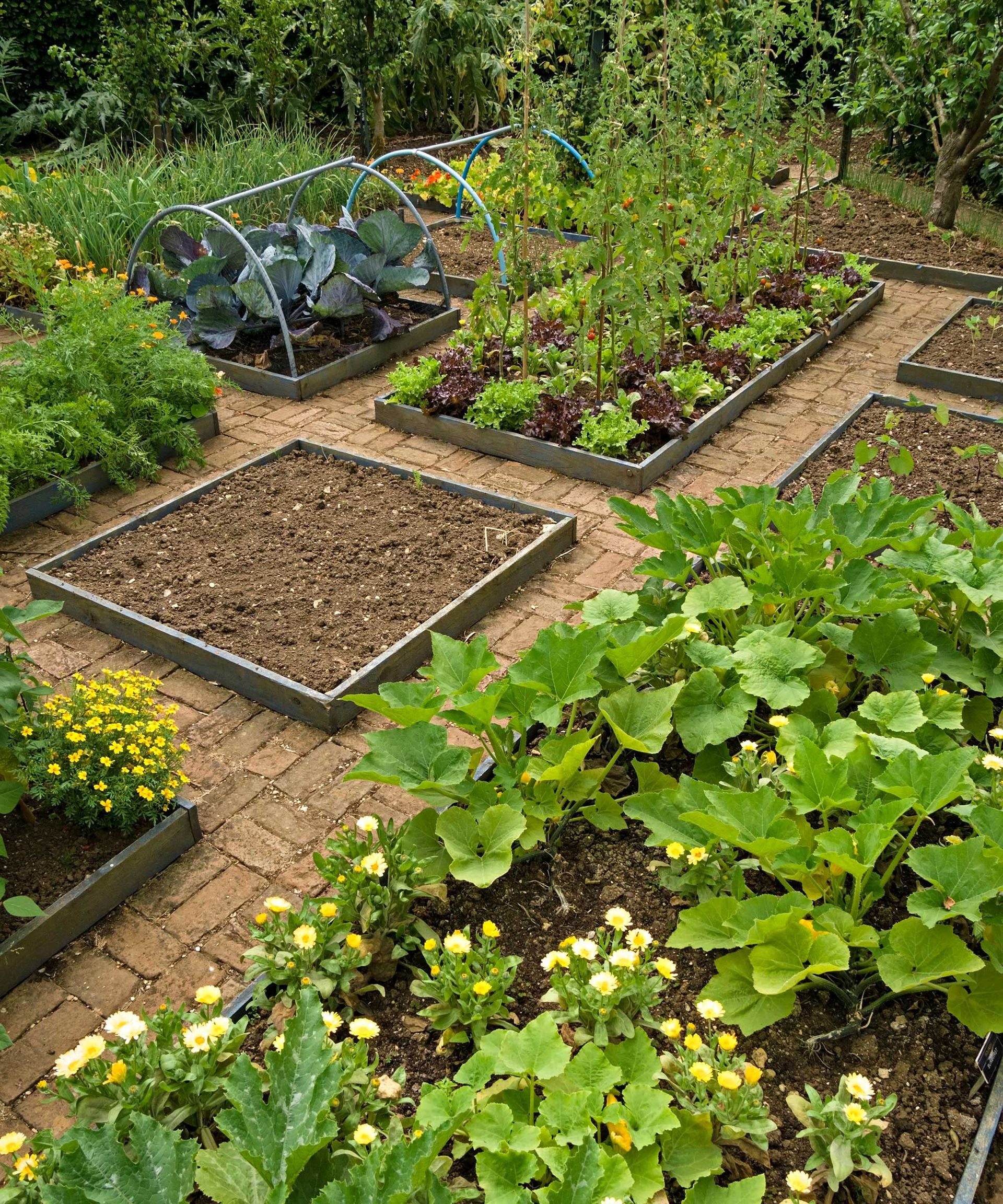
The synergy of compost and topsoil works wonders in gardening. By mixing the two, you can create an ideal planting environment that capitalizes on the strengths of both. Topsoil’s affordability makes it a logical choice for larger areas, while its moisture retention complements the nutrient-dense nature of compost. This combination is particularly effective for creating raised beds or enriching borders, resulting in healthier, more productive plants. It’s this strategic pairing that many seasoned gardeners swear by—could it be the secret sauce for your backyard oasis?
For container gardening, combining topsoil with compost allows you to tailor your soil mix to meet specific plant needs. Specificity here is key. Some high-demand plants, often supplemented with fertilizers for an optimal nutrient profile, thrive only with the right mix. Knowing what plants grow best together—and how they react to various soil combinations—can drastically improve your success rates.
Fertilizers: A Different Tool
Now, you might be contemplating substituting fertilizer for compost. While both are used to nourish plants, their mechanisms differ significantly. Fertilizers deliver nutrients rapidly but don’t aid in improving soil structure, making them less effective as a sole solution. They’re a quick fix for nutrient deficiencies, but they can’t replicate the long-term benefits of a well-balanced soil structure enriched with organic matter.
Instead, blending compost with topsoil remains the preferred method for cultivating a balanced growing environment. Fertilizers can act as an added boost when needed throughout the growing season. However, solely relying on them without a solid foundation of compost and topsoil can lead to nutrient burn or poor plant health. Understanding the distinct properties and applications of compost and topsoil is key to advancing your gardening endeavors. Whether you’re working on a new project or maintaining existing beds, managing these materials effectively helps create thriving plant ecosystems.
Implications for Future Gardening
As we become increasingly aware of sustainability issues, the conversation surrounding compost and topsoil is likely to grow. The environmental benefits of composting are undeniable—reducing waste while enhancing your garden—with public and private entities promoting composting as a means to aid soil health. That said, integrating these materials into your gardening practices isn't just about being eco-friendly; it's about cultivating a space that flourishes.
If you're working in this space, think about the significance of understanding soil health, not just plant aesthetics. The right mix can lead to less reliance on chemical fertilizers and a greater chance of success in creating a sustainable garden. As more gardeners embrace organic practices, the importance of compost and topsoil is bound to evolve. Stay alert: what works today might not be enough tomorrow, and adapting will be key to thriving in your gardening endeavors.



Discussion
Sign in to join the discussion.