Apple Music has opened a 600-capacity venue in London, designed for intimate performances and advanced digital broadcasting capabilities.
Introduction to Apple Music Hall
Live concerts evoke a distinctive enchantment cherished by many. They provide not just music but a communal experience that brings fans together. However, as ticket prices soar to staggering heights—often making live experiences inaccessible for many—there’s a growing yearning for smaller, more intimate concert settings. Recognizing this shift in audience preference, Apple Music has launched the Apple Music Hall, nestled within the iconic Battersea Power Station in London. The venue aims to redefine the concert experience, prioritizing connection over scale.
Details of the Venue
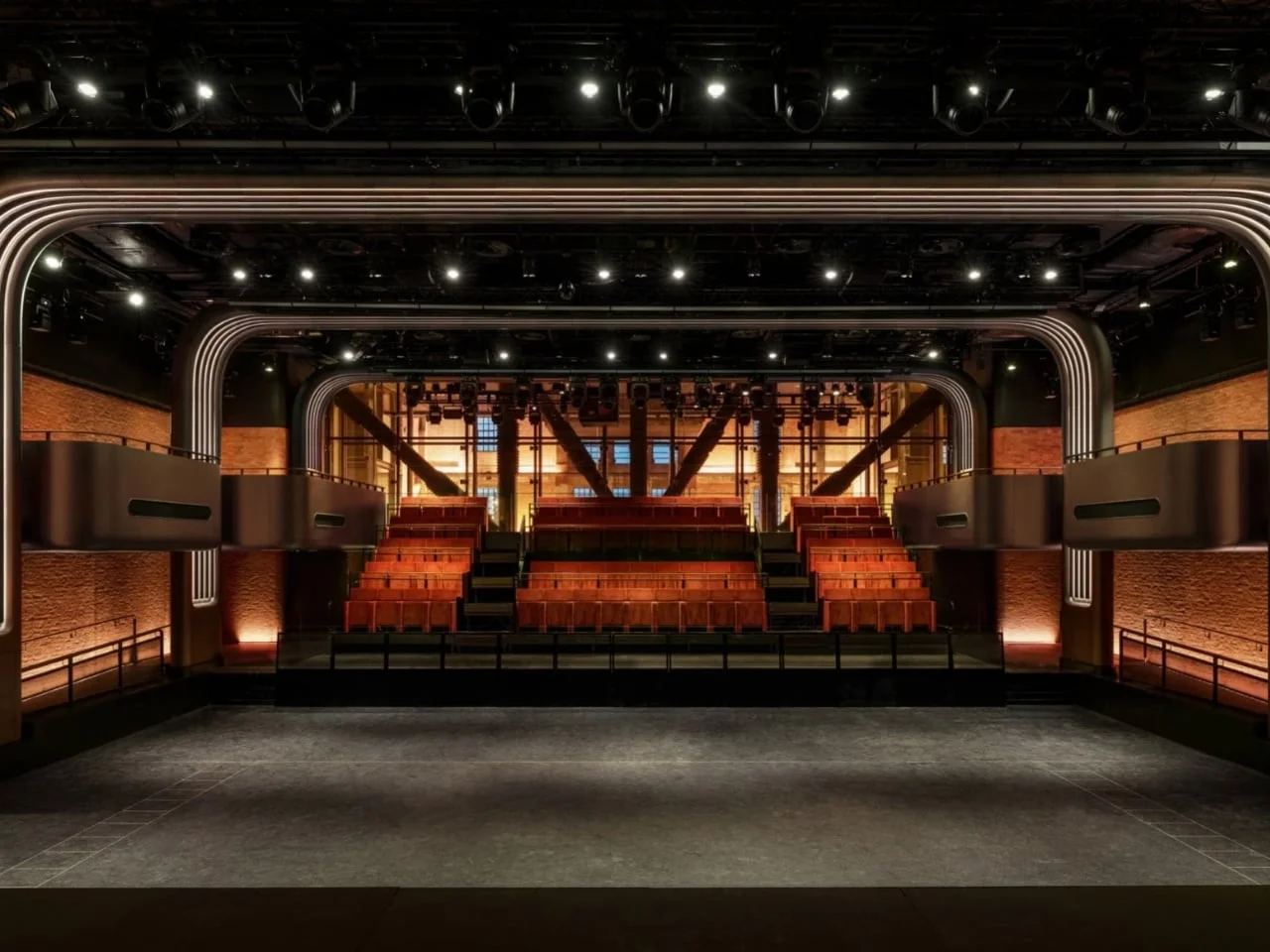
Unlike sprawling arenas that can accommodate thousands, the Apple Music Hall is purposely small, housing only about 600 attendees. This intimate capacity enables artists to forge deep connections with their fans, altering the way performances are perceived—moving away from mere spectacle toward genuine interaction. Details matter here. The flexible layout of the hall ensures that concerts can adjust to match the ambiance of the event. Whether it's a seated performance offering a meditative experience or a standing show that encourages energetic engagement, the space changes with the music.
Architectural Integration
One of the Apple Music Hall's most captivating features is its respect for the historical character of Battersea Power Station itself. This landmark is known for its distinctive Art Deco architecture, and it’s been carefully incorporated into the venue’s design. The interior pays homage to its roots, showcasing beautifully preserved heritage brickwork and exposed steel joists that narrate the building's storied past. The arches within the venue echo the power station’s original designs while the bronze balconies, reminiscent of historical windows, add a touch of elegance. Such design choices reflect a commitment not only to present a performance space but to honor a significant piece of London's architectural history.
Balancing Tradition and Modernity
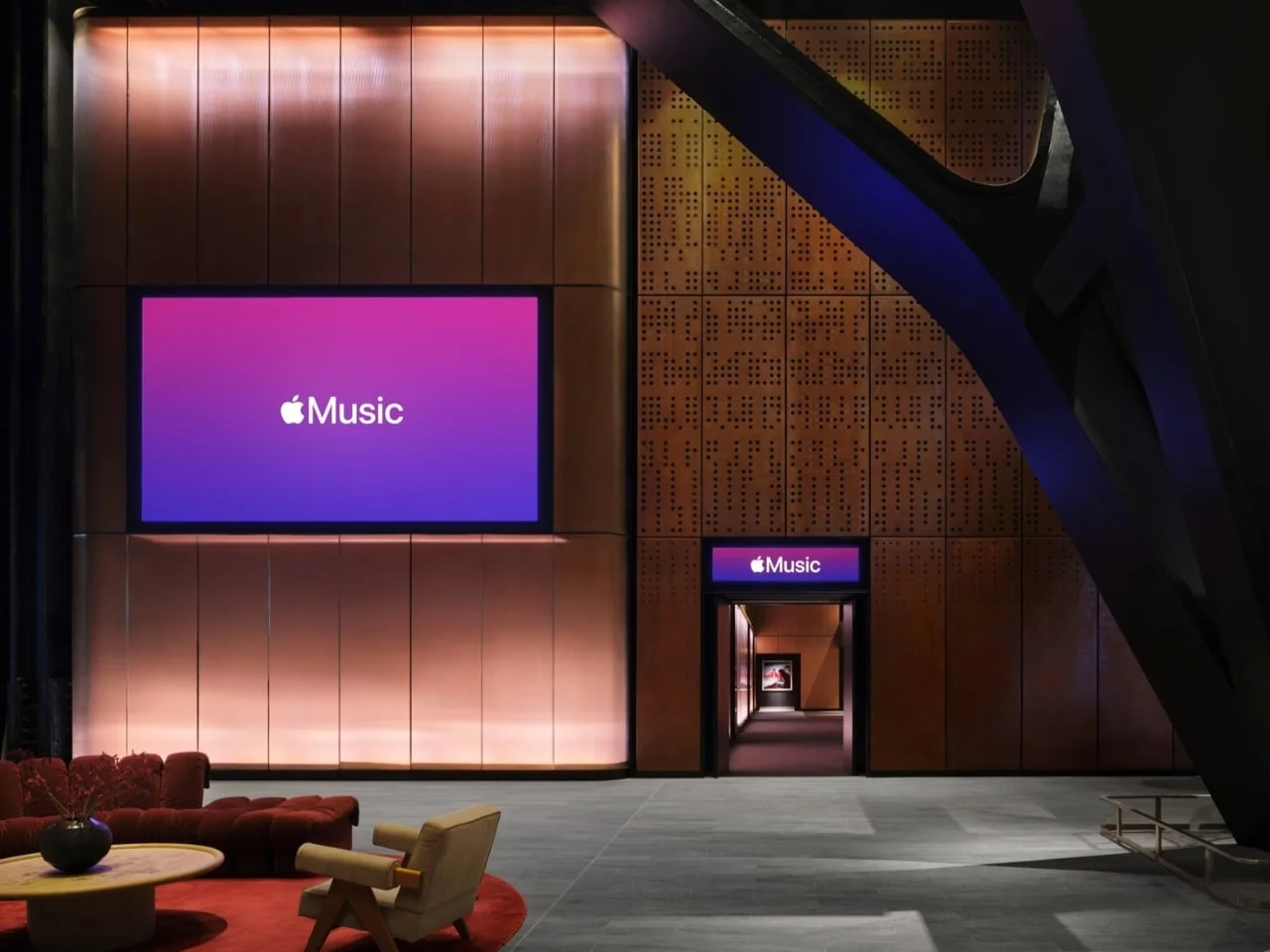
On entering the Apple Music Hall, guests encounter a foyer that exemplifies a delicate interplay of old and new. The cozy seating is framed by glass walls offering stunning views of the Thames, allowing visitors to engage with both the historic context and modern comforts. This blending of styles isn't accidental; it's the result of thoughtful planning led by Kristina Raspe, Apple’s vice president of Apple Places. She champions a design strategy that adeptly preserves the power station's history while establishing a next-generation performance venue. This balance enhances the overall visitor experience, ensuring that the hall is not just about music, but about atmosphere.
Technological Features
But the Apple Music Hall isn’t just a tribute to history; it’s also a high-tech showcase. The venue is fully equipped for broadcasting, enabling artists to reach a broader online audience. With a sophisticated 48-speaker spatial audio system and 16 hardwired cameras, Apple Music Hall positions itself to outshine competitors in its category. This capability allows performers to produce professional-quality recordings on-site. They can mix their music moments after performing, eliminating the need for additional equipment or studio time. This tech-forward approach isn’t just beneficial for artists; it enhances the audience's experience, whether they’re present in the hall or watching remotely.
Opening and Cultural Significance
The venue is set to welcome its first guests on September 28, marking a notable point in the trajectory of live music experiences, especially amid the streaming era's dominance. As listening habits have shifted towards the convenience of couch streaming, Apple Music Hall aims to bridge the divide between virtual and live experiences. It seeks to reinvigorate the excitement of in-person concerts while still catering to those who can't attend. This dual capability means that while a select few enjoy the ambiance of being physically present, many others can feel a part of the action in real time. What this means for you, the music lover, is an opportunity to experience your favorite artists in a new, exciting way.
Implications for the Future of Live Music
The emergence of the Apple Music Hall symbolizes more than just a new venue; it's indicative of a critical evolution in how we engage with music. As traditional concert experiences face challenges from rising costs and changing consumer behaviors, venues like this one may represent a path forward. The focus on intimacy and the innovative use of technology could set a new standard. In practical terms, this means more artists might seek smaller venues that allow for deeper connections with their audiences, offering a refreshing counterbalance to the noisiness of larger arenas. Here's the thing: fans yearn for genuine experiences that can't be replicated through streaming. This space could satisfy that desire while also demonstrating how technology can enhance rather than detract from live performance.
Conclusion
For those nostalgic for smaller venues, the Apple Music Hall presents an enticing opportunity to immerse oneself in the vibrancy of live music. While it won’t replace the adrenaline rush of a packed arena, it offers a compelling alternative that captures the essence of intimate concert experiences. This venue doesn’t just represent a shift in concert-going; it’s a testament to the enduring human need for connection through music.
The post Apple Music Hall: A New Intimate Venue for Live Performances in London first appeared on Yanko Design.



Discussion
Sign in to join the discussion.