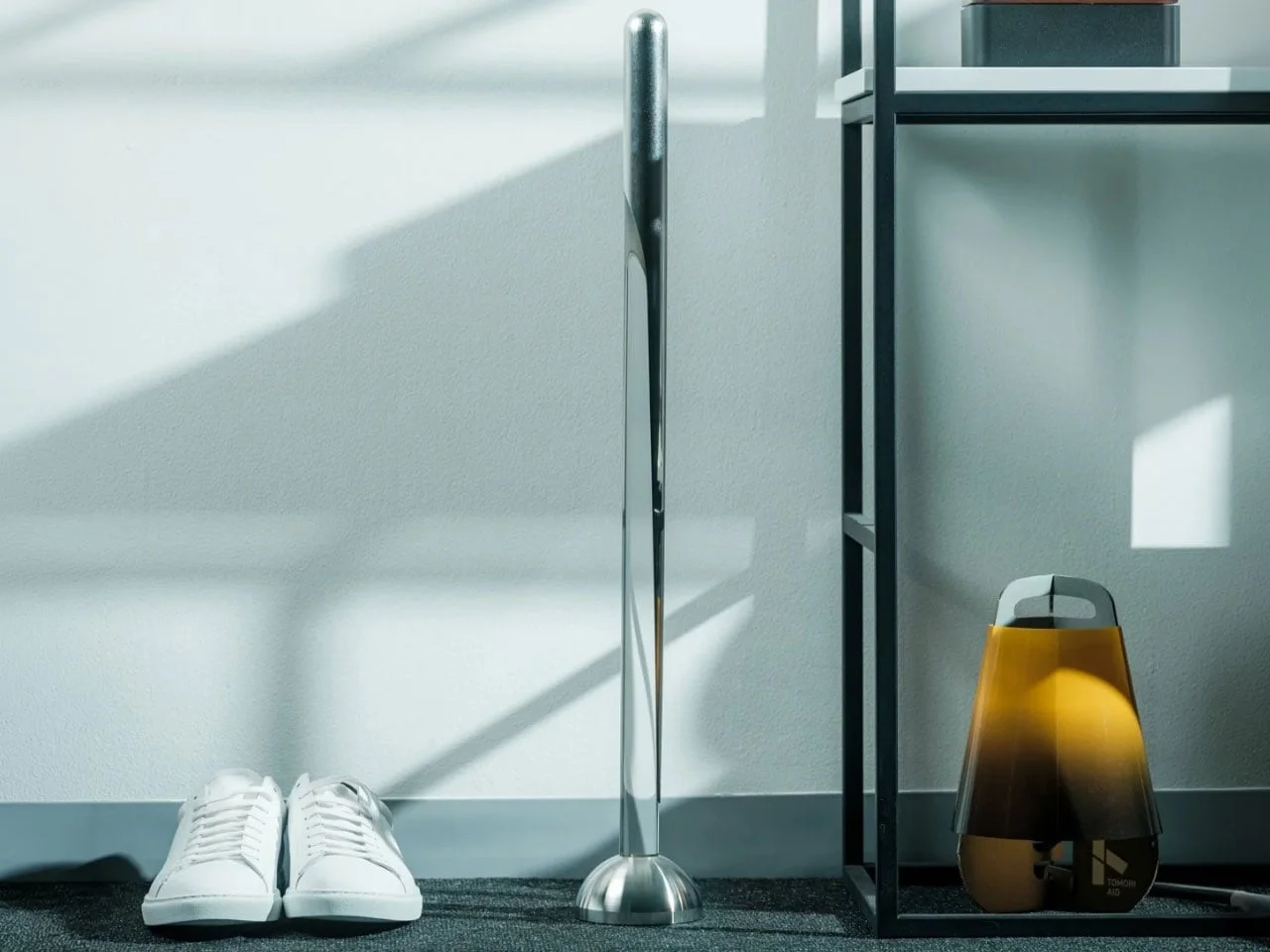
The Invisible Shoehorn blends sleek design with practical functionality, transforming an everyday tool into an artful display piece for your entryway.
Design Meets Functionality
The Invisible Shoehorn offers a compelling marriage of form and function, tackling a common struggle: getting dressed. For many, especially those with mobility challenges, slipping on shoes can become an exercise in frustration. This tool distinguishes itself not just for its practicality; it enhances home decor, making it an integral part of a well-considered space. It's a glimpse into how elements meant for utility can transform into statements of style.
Smart Design by Kairi Eguchi
Designed by Kairi Eguchi for Takeda Design Project, the shoehorn stands at an impressive 27 inches tall. This height isn't arbitrary; it enables users to don their shoes comfortably while standing, which is a significant advantage for anyone who struggles with bending. Made from polished stainless steel, its construction reflects a commitment to both durability and aesthetics. The tapered body transitions seamlessly from a rounded handle to a slender, curved tip — this shape not only enhances the user experience but also minimizes the chance of snagging, which can be a common issue for those using traditional models. Such thoughtful design choices aim to prevent unnecessary strain, resonating particularly with an aging population or individuals with mobility limitations.
Aesthetic Appeal Through Clever Design
A standout feature of the Invisible Shoehorn is its clear acrylic stand, which mirrors the contours of the shoehorn itself. This design creates an optical illusion, where the stainless steel appears to hover effortlessly when docked, transforming it into a contemporary sculpture. Such an element is more than a gimmick; it's a clever strategy to bridge practicality and aesthetics, allowing the shoehorn to blend into modern interiors. This blend of artistry and functionality is appealing — rather than being just another tool cluttering your space, it serves as a stylish conversation piece.
The Shift in Home Decor Philosophy
Unlike conventional shoehorns that often find themselves hidden in drawers, the Invisible Shoehorn is explicitly designed to be displayed. It elevates the mundane act of putting on shoes into something that can be appreciated, whether it’s sitting on a console table or arranged among other decorative objects in your entryway. The shift in philosophy here is significant; it acknowledges that functionality doesn't have to come at the expense of style. Many people overlook this transformative power of design in everyday tools.
Market Context
Most shoehorns on the market today deliver straightforward solutions — ranging from flimsy plastic versions to functional long-handled metal varieties offered by brands like Vive Health. While these models might address immediate needs effectively, they rarely make the cut for aesthetic value, often feeling relegated to the category of purely practical objects. Major players known for their ergonomic designs, such as OXO, produce shoehorns that, while functional, lack the artistic flair that many consumers now desire. Priced between $10 to $30, these options are accessible but not imaginative, making the premium cost of the Invisible Shoehorn more justifiable in context. At $299, its price tag locates it in a more aspirational market, catering to both those seeking relief from physical strain and design enthusiasts seeking intentionality in their living spaces.
Redefining Functionality
This product goes beyond simply helping individuals secure their footwear; it taps into a broader desire for style in everyday tools. The Invisible Shoehorn challenges the conventional perception that practical home items must forfeit beauty for utility. This shift invites consumers to rethink their interactions with ordinary tasks. Why not make these tasks enjoyable? Such thought is innovative in itself.
The User Experience
For anyone grappling with stiffness or anyone who simply appreciates good design, the Invisible Shoehorn embodies thoughtful innovation. It offers relief by alleviating the hassle of bending down to put on shoes and conceals its presence when not in use. This combination of beauty and practicality isn't just refreshing; it redefines what a simple shoehorn can represent. Its design allows it to exist in the limelight rather than hidden away.
Implications for Future Design
Investing in the Invisible Shoehorn is more than acquiring a functional tool; it’s a commitment to elevating daily life and reshaping the environments we inhabit. This product encourages a rethink of how we engage with ordinary tasks, championing a shift toward a polished aesthetic rather than a cluttered appearance often associated with functional items. If you're working in this space, the success of products like this could signal a wider movement — one that insists on the marriage of utility and design. We could be looking at a trend where everyday items aspire to be not only functional but also beautiful. That's a direction worth watching closely.
Discussion
Sign in to join the discussion.