Before installing plug-in solar panels in your front garden, weigh planning regulations, safety concerns, and neighborhood aesthetics.
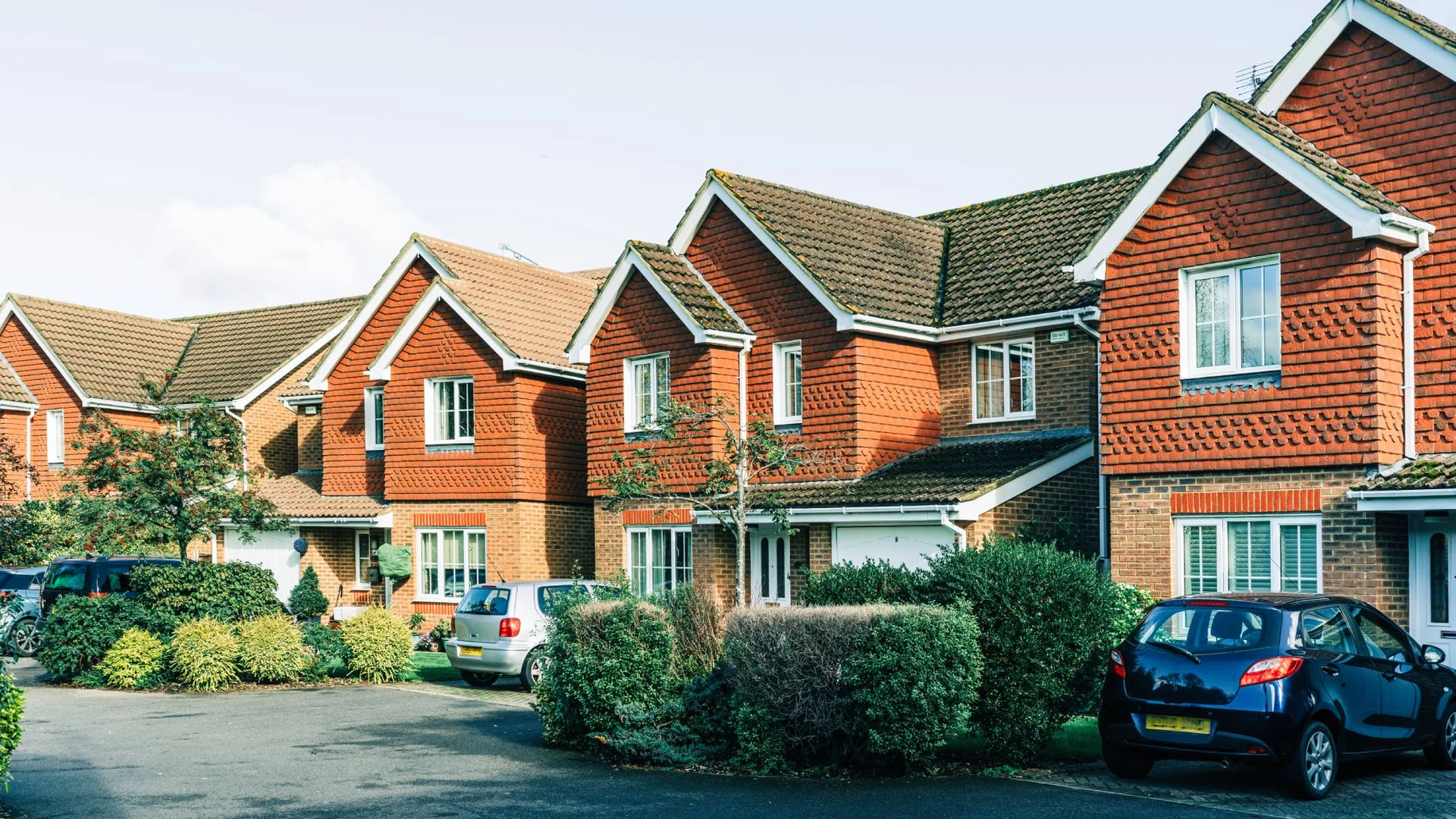
As homeowners increasingly seek alternative energy sources, the allure of plug-in solar panels is undeniable. However, the placement of these panels—especially in a front garden—can be fraught with challenges. If you’re leaning towards this option, it’s essential to navigate a few key issues including planning regulations, safety concerns, and the potential impact on your home’s curb appeal. The growing popularity of sustainable energy solutions makes it all the more necessary to consider these factors carefully.
Understand Planning Regulations
When contemplating installation, planning laws should be your first point of consideration. Although plug-in solar panels typically fall under permitted development (PD) categories, it's not as straightforward as it may seem. Specific guidelines govern the maximum height and placement of solar panels in front gardens, especially those that are compact or near public roadways where visibility becomes a factor. Local authorities often impose unique restrictions that reflect community standards and aesthetics, so understanding these laws is crucial.
Height and Boundary Restrictions
In the UK, regulations dictate that ground-mounted systems installed forward of the principal elevation must not exceed one meter in height if they’re positioned within five meters of any boundary. This presents a challenge for most front gardens, which are often limited in size. Many homeowners may not be aware that areas such as Conservation Zones or Areas of Outstanding Natural Beauty (AONBs) impose even stricter regulations, potentially banning installations in front gardens altogether. Such restrictions aim to preserve the character and visual integrity of these sensitive areas, necessitating an in-depth understanding of local guidelines. Simon Rix, founder of Planix.uk Planning Consultants, notes the difficulty in balancing height limitations while ensuring adequate sunlight exposure. If you’re considering a solar panel installation, factoring in site-specific rules is essential for avoiding future headaches.
Implications for Flat Dwelling Residents
If you live in a flat, the road to securing a plug-in solar panel is even more daunting. Permitted development rights for standalone solar panels seldom extend to flat dwellers, particularly in conservation areas where visibility can trigger formal planning requirements. This adds another layer of complexity for residents who are interested in sustainable energy options. For those unsure of their property rights, consulting a local planning consultant is advisable to clarify applicable regulations. This resource can assist with navigating the often murky waters of permissions and restrictions, saving you time and frustration.
Assessing Safety and Practicality
Even if you secure planning approval, safety and practical considerations can complicate your decision. Front gardens typically serve as high-traffic zones due to their role as primary entry points, leading to heightened risk for your solar installations. It's not just about aesthetics or local regulations; practical safety issues loom large. Potential theft and damage are real concerns, particularly given that the temporary nature of many plug-in systems can make them attractive to thieves.
Insurance and Security Concerns
Your home insurance provider may also adjust policies or premiums to reflect the increased risk associated with front-installed solar panels. That's something many homeowners overlook. The necessity of augmenting security measures becomes apparent and is advisable—this could include installing improved lighting or approved security mounts to deter theft. Understanding the implications for your insurance coverage is just as important as considering any physical security measures.
Electrical Considerations
Moreover, proper electrical compatibility is crucial. Plug-in solar panels require a direct connection to an electrical socket that’s integrated into your home’s wiring. If your front garden lacks a dedicated, waterproof outdoor socket, you may face additional installation costs. You might need an electrician to expand your electrical infrastructure, which could add time and expense to your project. That’s a detail that could catch many homeowners off guard.
Impact on Curb Appeal and Neighborhood Dynamics
Finally, the aesthetic dimension of placing solar panels in your front garden shouldn't be overlooked. Although plug-in systems may be temporary, they're often larger than people anticipate, significantly altering the visual appeal of your home. Consider this: Even if the panels are functional, their appearance could detract from your home’s charm, especially if they clash with the existing architectural style or landscaping.
Neighboring Influences
Community sentiment towards your solar installation is also worth considering. While some might view it as an environmentally forward move, others may take exception to how it affects the overall aesthetic of the neighborhood. Joe Pepper, a partner at Bridge McFarland LLP, advises that if neighbors raise concerns, they should refer to local planning departments to assess whether installations comply with regulations. “Aesthetic complaints, however, lack weight if all guidelines are followed.” That said, navigating these social dynamics can prove as challenging as adhering to regulatory requirements.
If after careful consideration you conclude your front garden might not be suitable for solar panels, you might want to explore alternative front garden innovations to upgrade your exterior without compromising style. This could involve using energy-efficient lighting or decorative elements that enhance sustainability without drawing ire from the neighbors.
Future Outlook and Implications
The movement toward renewable energy is gaining momentum, and as technology evolves, the challenges associated with installing solar solutions in residential settings may diminish. Companies are innovating ways to make solar panels smaller, more attractive, and even adaptable to various property types. If you're working in this space, staying informed about these advancements could pave the way for future implementations that are not only compliant but also visually appealing. As homeowners weigh practicality against aesthetics, the threshold for adopting such technologies will hinge on resolving these longstanding issues.



Discussion
Sign in to join the discussion.