Discover the advantages and suitable applications of mesh sandpaper, a modern alternative that enhances sanding efficiency for DIY projects.
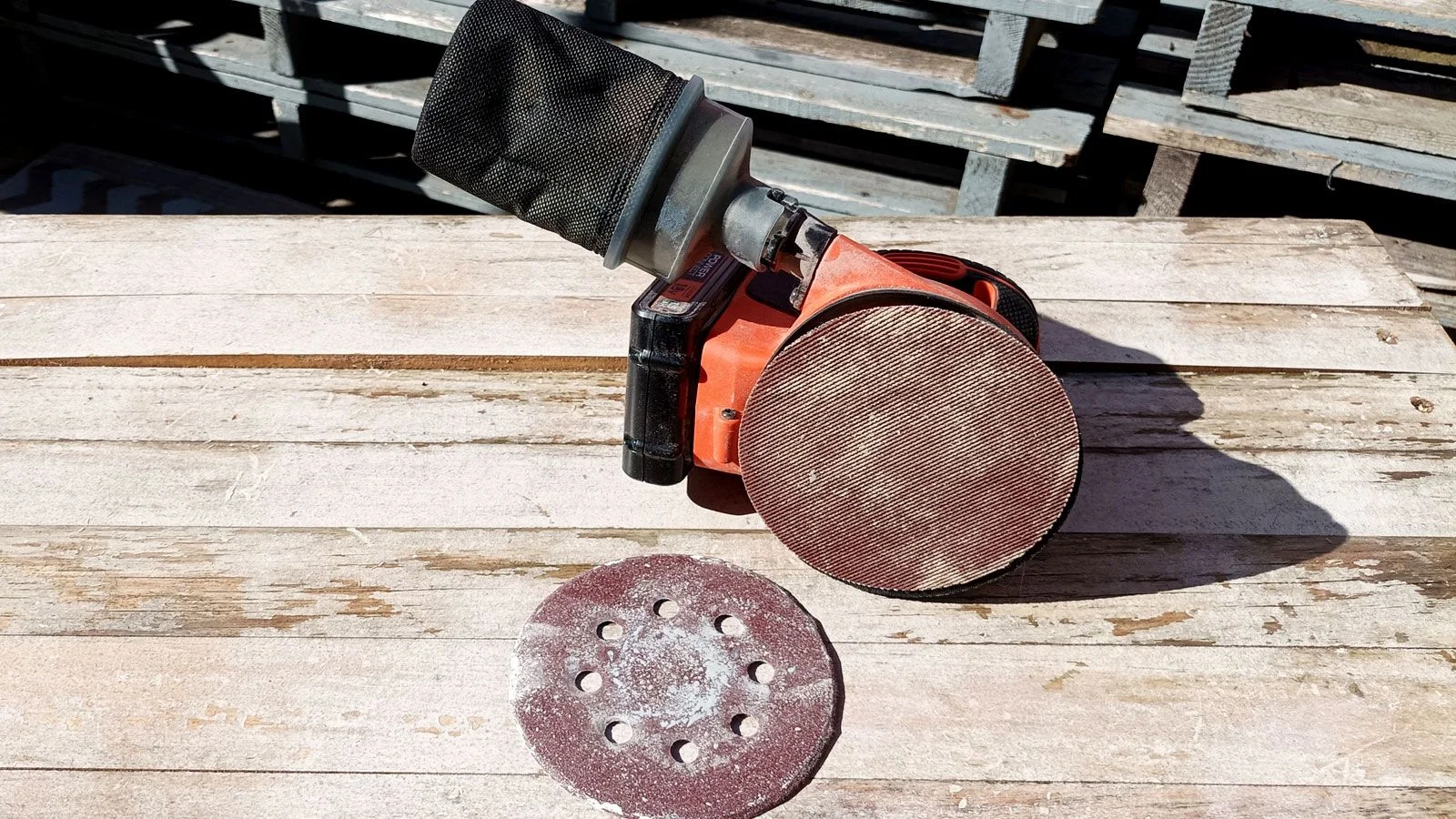
Mesh sandpaper is gaining traction among DIY enthusiasts as a preferred option for various sanding tasks. While traditional paper-backed sandpaper has been a reliable choice for years, mesh sandpaper offers notable advantages that can streamline your projects and improve overall results.
Understanding Mesh Sandpaper
At its core, mesh sandpaper consists of strands of interwoven material with an abrasive coating, differing significantly from standard paper-based sandpaper. Its unique design allows for better airflow during sanding, which enhances performance, especially when paired with machines like orbital sanders.
This sandpaper type comes in multiple shapes and sizes, accommodating various DIY needs: circular discs for orbital sanders, mesh rolls for hand sanding, and flexible sheets for detailed work. In case you’re wondering about where to buy it, local hardware stores such as B&Q, Screwfix, and Toolstation stock a range of options. There are also numerous online retailers like Amazon that carry a wide array of mesh sandpaper products.
Exploring Different Varieties of Mesh Sandpaper
Mark Irving, a building expert from Build & Plumb, highlights that standard abrasive mesh is the most commonly used type. It’s versatile enough for woodworking, drywall projects, paint removal, and metalworking. The compatibility with various sanding tools is a big plus, as you can easily switch between manual and electric sanders.
Advantages of Using Mesh Sandpaper
Here’s the thing: mesh sandpaper boasts several compelling benefits over traditional varieties.
Enhanced Dust Extraction
The open structure of mesh sandpaper allows dust to escape rather than accumulate on the surface, making it more effective when paired with dust collection systems. This feature not only keeps your workspace cleaner but also enhances the lifespan of the sandpaper itself.
Longer Durability
Because dust and debris pass through instead of clogging the surface, mesh sandpaper can outlast its paper counterparts. You might find that a piece of mesh sandpaper lasts several times longer, offering better value in the long run.
Superior Finish Quality
With dust consistently being pulled away during sanding, the abrasive particles remain exposed for a cleaner, smoother finish. This means less risk of scratches or uneven surfaces, which can be crucial for achieving professional-level results.
Eco-Friendly Reusability
When mesh sandpaper gets dirty, you can clean it and use it again, reducing waste. This feature not only saves you money, but it’s also more environmentally friendly than single-use options.
Potential Drawbacks
Despite its many benefits, mesh sandpaper does have some downsides to consider.
Higher Price Point
Mesh sanding discs typically carry a higher price tag compared to traditional sandpaper. For instance, a pack of 50 mesh sanding discs can cost around £24, whereas standard paper-based discs might be available for about £10 for a similar quantity. However, given the longevity of mesh options, the initial expense could be offset over time.
Edge Snagging Risks
Due to its open design, mesh sandpaper can be prone to snagging on sharp edges, rough grain, or protruding nails. This characteristic requires careful handling to avoid tearing the disc before its useful life is up.
Limited Grit Options
Mesh sandpaper typically offers a more narrow range of grits, focusing mainly on medium to coarse options. While acceptable for many common tasks, it may not suffice for more specialized applications requiring ultra-fine grits.
It’s also worth acknowledging that mesh sandpaper isn't ideal for hand sanding applications, as the structure can be unwieldy, making standard paper-backed sandpaper a better option for intricate or delicate jobs.
Recommended Uses for Mesh Sandpaper
Having switched to mesh sandpaper, I’ve found it especially effective in tasks like paint removal, sanding windows, and preparing various surfaces. The ability to reuse the product without frequent clogging has significantly enhanced my workflow. Notably, mesh sandpaper performs well on most DIY projects that would typically require standard sandpaper.
If you’re considering a detail sanding project, mesh pads designed for detail sanders can offer precision in tight spaces. You can even adapt common sanding tasks like prepping walls and smoothing out surfaces by using mesh products. Just be sure to use a sanding block when hand sanding to facilitate a smooth finish and avoid discomfort.
Understanding the Cost Implications
When examining the cost of mesh sandpaper, it’s apparent that they often demand a higher initial investment compared to traditional options. For example, 50 mesh sanding discs can go for about £24, whereas equivalent standard sanding discs might be only £10. However, the longevity and effectiveness of mesh sandpaper can justify the higher cost in many scenarios.
For budget-conscious DIYers, there are more affordable mesh options too, with some mesh rolls priced around £5. While these may be less suited for heavy-duty orbital sanding, they can work just fine for hand sanding tasks.
When to Avoid Mesh Sandpaper
While mesh sandpaper carries multiple advantages, there are situations where traditional sandpaper might still be the better choice. For example, sanding surfaces with exposed nail heads can lead to quick ruin of the mesh material.
Mark Irving points out that areas with intricate details, particularly those smaller than half a centimeter, may lack enough contact area for effective sanding. Additionally, mesh sandpaper may not be the best option for wet applications where solid backing is necessary.
For those passionate about DIY, integrating mesh sandpaper into your toolkit can greatly enhance a variety of projects, from shelf building to more complex renovations. Consider your specific needs and weigh the pros and cons as you decide whether to make the switch.



Discussion
Sign in to join the discussion.