Corner windows enhance natural light and views in homes but require careful consideration of design, privacy, and structural implications.
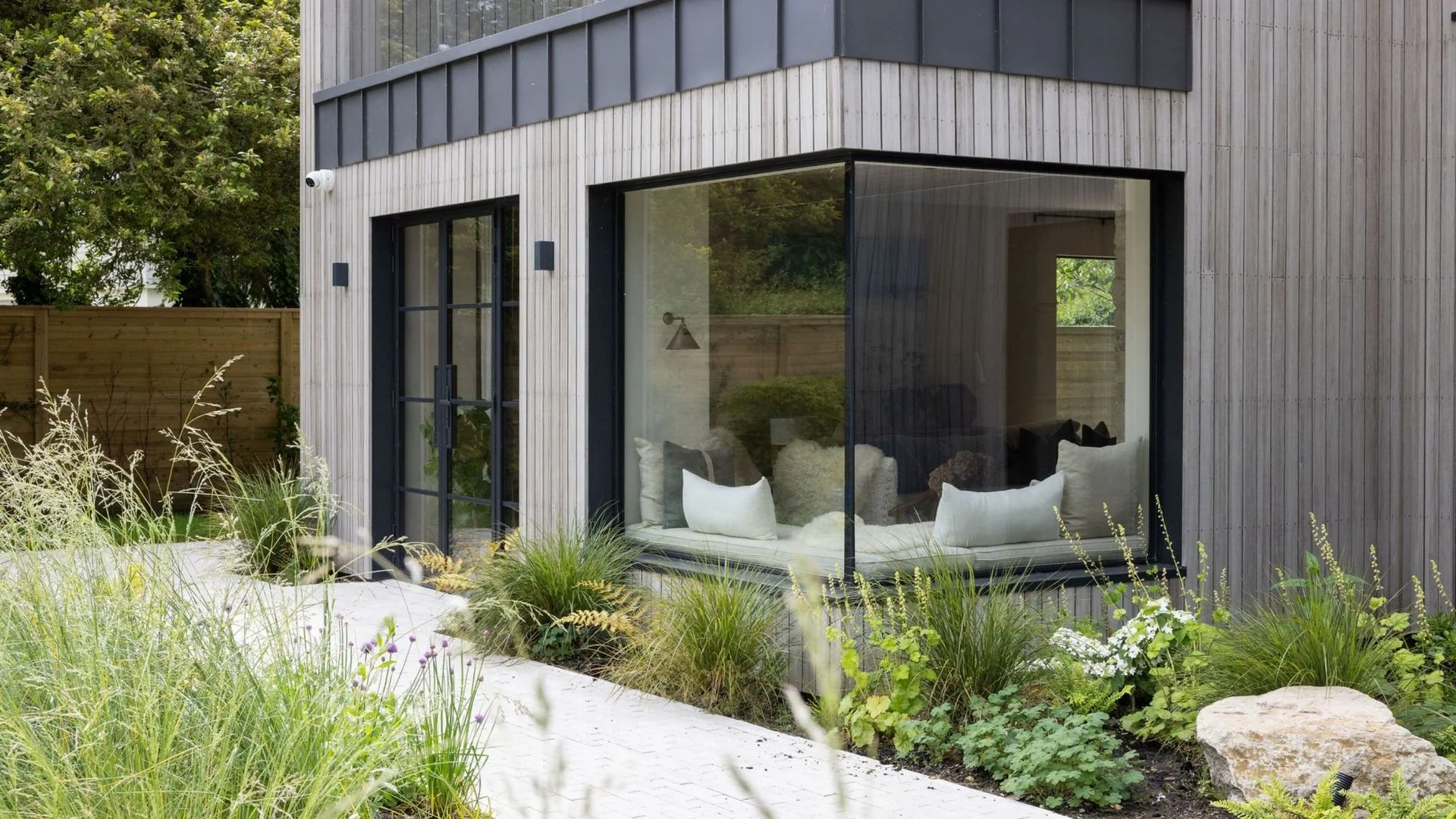
Corner windows can infuse a room with natural light and frame stunning views, turning any space into a focal point of architectural beauty. However, achieving the right balance requires thoughtful planning beyond merely replacing traditional windows.
When assessing corner glazing, homeowners face several considerations. Selecting the appropriate type of glass is essential, but so are ventilation options, the decision between fixed and operable windows, and how the installation impacts the overall structural integrity, privacy, and budget.
Advantages of Corner Windows
According to Allan Reid, a specialist in uPVC and the founder of Art Windows and Doors, corner windows significantly alter the ambience of a room. They do this by allowing abundant natural light to flood in from multiple directions, which is especially beneficial in areas like kitchens or open-plan extensions. Adam Randall, co-founder of Fluid Glass, adds that these windows prevent spaces from becoming gloomy, particularly in darker areas of the home.
The expanded views afforded by corner windows are a compelling reason for their popularity. They provide an unobstructed view of outdoor features such as gardens or treetops that might be positioned at an angle to a conventional window, enhancing the overall experience of the room.
Best Applications and Considerations for Corner Windows
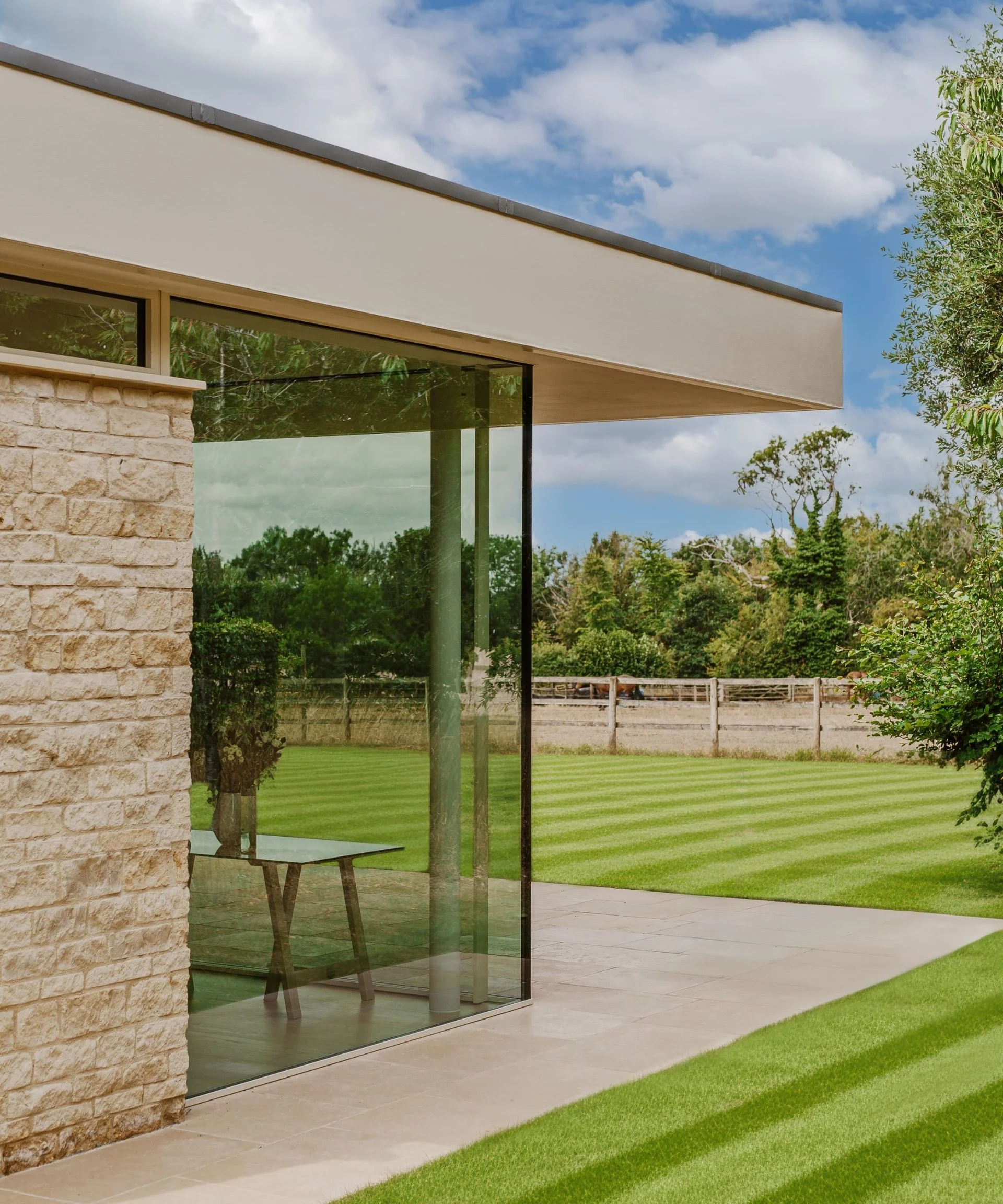
Corner windows predominantly suit contemporary designs characterized by sleek lines and expansive glass. However, they can also enhance traditional properties when incorporated into glass extensions, offering a striking contrast to classic facades.
Adam Randall notes that terraced and semi-detached homes are ideal candidates for corner windows, particularly in rear extensions where natural light is most needed. However, not every property lends itself well to such features. Urban settings, where windows might directly overlook neighboring properties, typically warrant caution. In cases where structural support poses challenges, such as the necessity for a bulky beam or a post, the aesthetic appeal can diminish. Homeowners in conservation areas should also consult with local authorities to understand any restrictions before pursuing such installations.
Framed vs. Frameless Corner Glazing
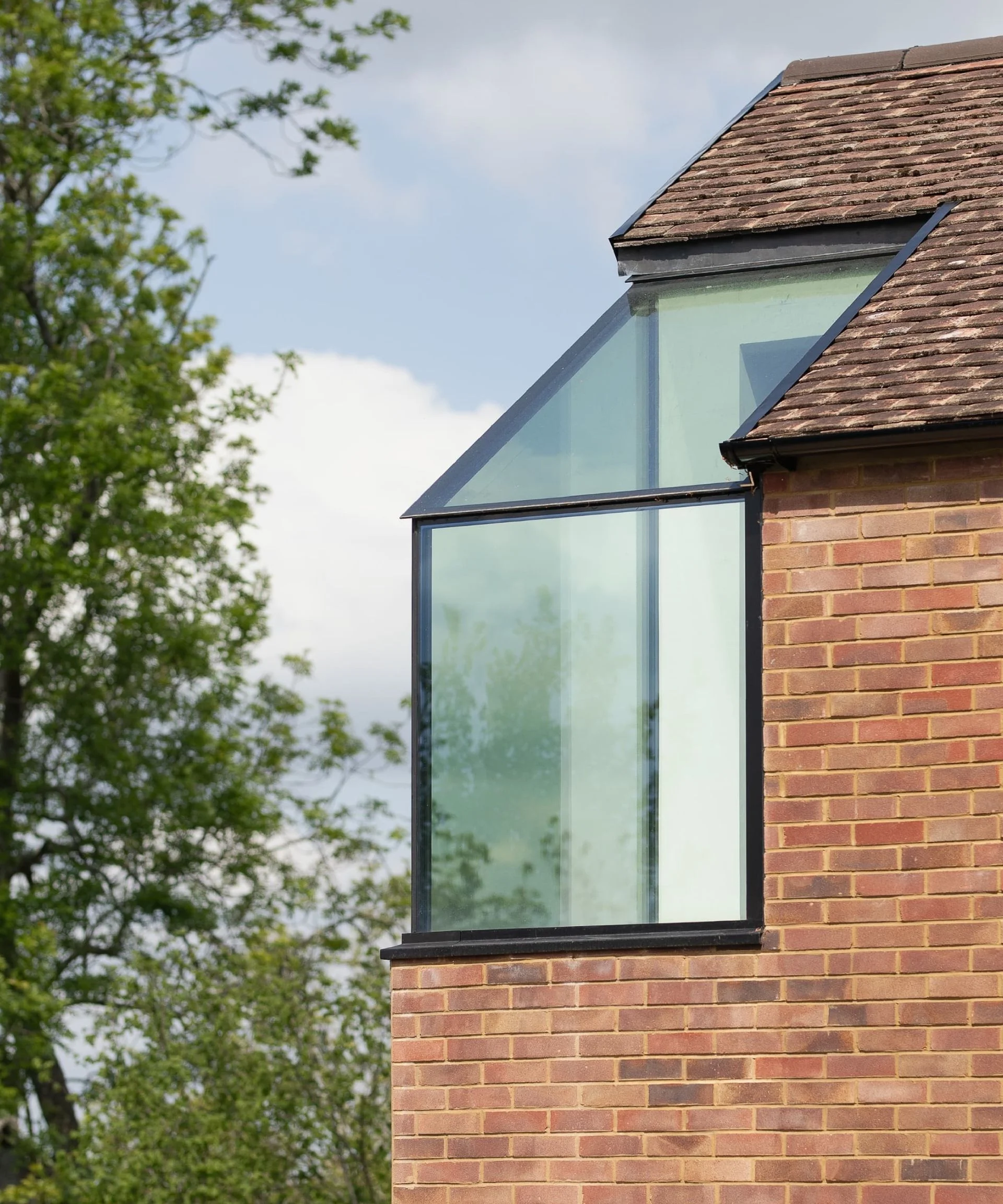
The allure of frameless corner systems is their capacity to maximize views, as highlighted by Adam Randall. Yet, choosing this option doesn't remove the structural requirements; alternative support mechanisms must be integrated. Allan Reid emphasizes the necessity of planning these supports early in the design process with architects and structural engineers to avoid costly redesigns later.
On the other hand, framed corners frequently represent a more practical choice. They afford additional support required in high-wind environments or when the design involves tall glass installations. The practicality of framed designs extends to ease of replacement and installation adjustments when building tolerances vary.
Cost Considerations
Frameless glazing generally comes at a higher price—typically between 30-40% more than framed versions. This premium results from the required specifications for larger, thicker glass and modifications, including polished edges for a seamless fit. Additionally, installation logistics can add to costs, especially if crane access is necessary. Despite the greater upfront investment, the ongoing performance—U-values, warranty coverage, and maintenance needs—tend to be comparable.
Selecting the Right Glass for Corner Windows
Choosing the appropriate glass type is crucial, with factors such as energy efficiency, safety, and sunlight exposure playing important roles. Reid recommends considering low-emissivity coatings and safety glazing during the design phase to prevent future complications. Randall agrees, advising clients to opt for solar-control glass, which balances heat retention and sunlight admission, ensuring comfort throughout the day.
Addressing Privacy and Overheating Concerns
In spaces with glass on two sides, privacy can become a significant consideration, particularly in densely populated areas. Reid suggests assessing the external view as part of the design considerations to determine the optimal window size and position. Although solutions like blinds or privacy glass are available, they might conflict with the desired open feel.
Interestingly, corner windows, being positioned in extensions often set back from neighbors, can mitigate privacy concerns. When additional screening is necessary, customizable shutters allow flexibility for maintaining light while enhancing privacy.
Temperature regulation is another aspect to consider. Large glass areas may lead to overheating without sufficient ventilation. Randall recommends orientations that mitigate heat risks, such as opting for north- or east-facing corners that receive less intense sunlight. He also advises the use of solar-control glass to limit heat gain while maximizing daylight.
Should Your Corner Window Open?
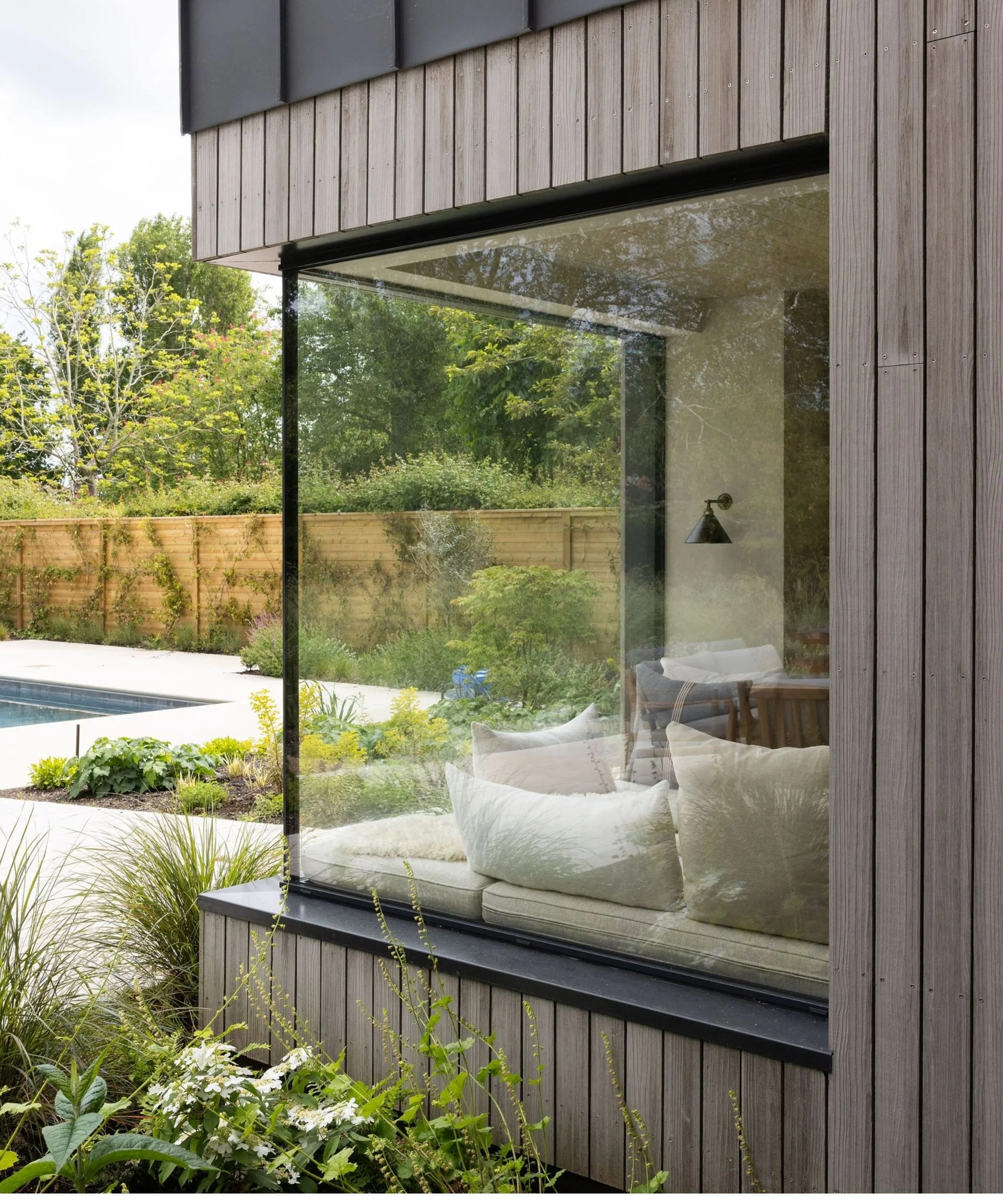
The decision to opt for an operable corner window largely hinges on the design intent and functional requirements of the space. Design professionals typically recommend three configurations:
- Fixed Glass Corner: Ideal for spaces where the primary goal is to enjoy the view without any interference, offering superior thermal performance and minimalistic aesthetics.
- Opening Corner: Beneficial for maximizing light and fresh air access, though an open design may necessitate a separate sliding door to maintain functionality.
- Combination of Both: A fixed corner window can deliver sweeping views, complemented by a minimal sliding door in the room for ventilation and accessibility.
Regardless of the choice, ensuring adequate ventilation is essential. Adam Randall points out that combining corner glazing with other openings, such as sliding doors or rooflights, can greatly enhance airflow and comfort, especially in warmer conditions.
For those contemplating a corner window project, understanding the associated costs and planning accordingly is vital. Tools like extension cost calculators can provide preliminary figures to help guide financial expectations.



Discussion
Sign in to join the discussion.