There’s no fixed daily runtime for a dehumidifier. Aim for about 55% humidity, use the humidistat and check why damp returns.
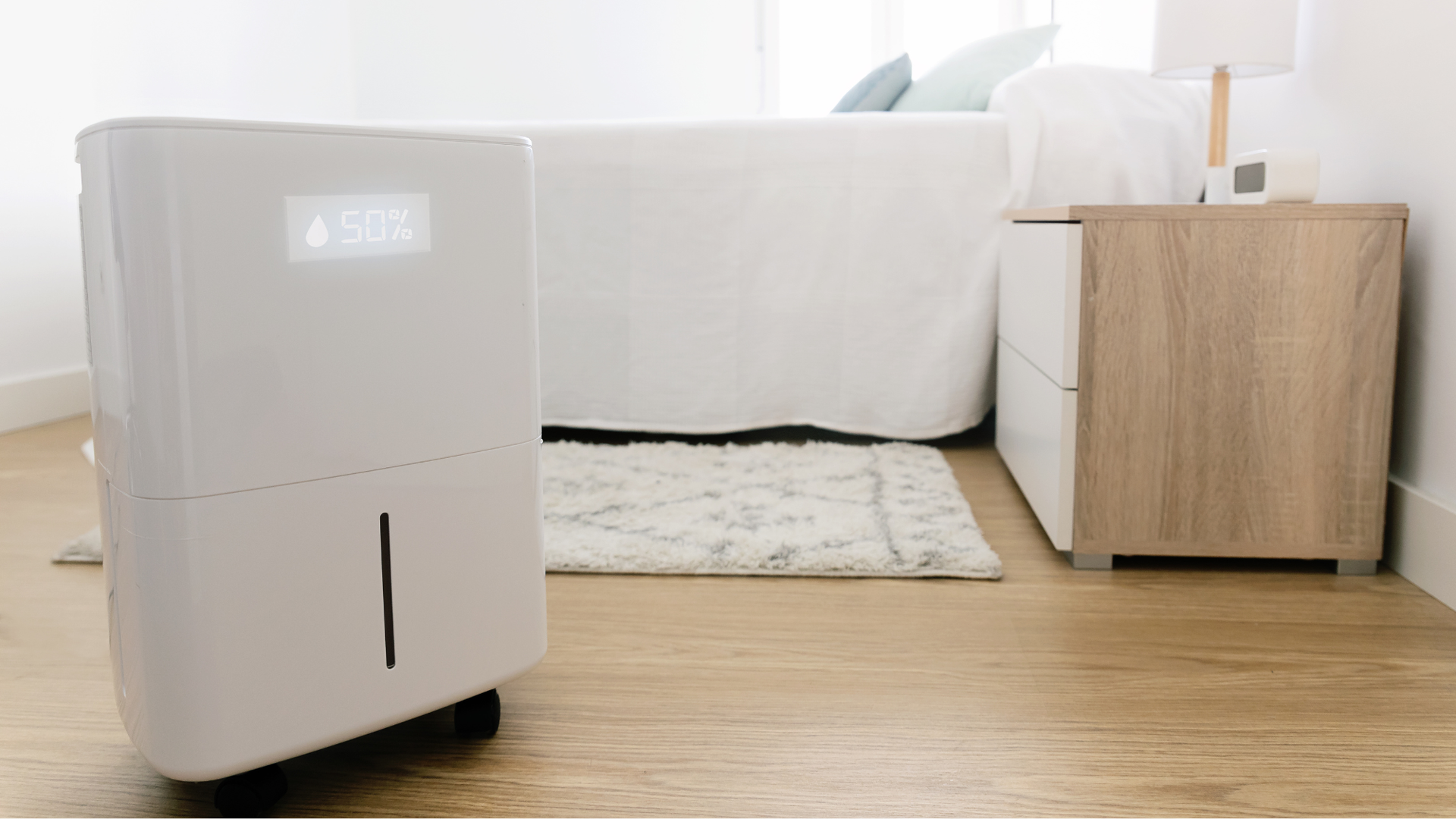
Use humidity readings, not a fixed schedule
A dehumidifier’s useful runtime depends on how much moisture is in your home, so a fixed daily schedule can waste energy or leave damp untreated. The practical guide is your humidity reading: Meaco founder Chris Michael recommends aiming for 55% relative humidity in UK homes to help limit condensation and discourage mould. That target gives you a clearer basis for deciding when to run the appliance than a rule such as switching it on for a set number of hours each day.
Humidity changes as people cook, shower, dry laundry and breathe, and it can vary between rooms and over time. A reading is therefore a snapshot of conditions where the sensor sits, not a complete account of every damp patch in the property. Even so, it can help you see whether the general trend is improving and whether the unit is cycling on and off as intended.
Let the humidistat set the pace
How long the appliance needs to run varies with the home and the moisture produced by everyday activities. A model with a humidistat can manage that variation: set the target, and it stops extracting moisture when the air reaches that level, then starts again if humidity rises. This makes operation responsive to actual conditions, though it still depends on the sensor reading and the target being set sensibly.
For a direct check, a digital hygrometer can show whether relative humidity sits within the 40% to 60% range that Safeguard technical advisor Simon Trenerry gives as a point to stop running the unit. The 55% target offers a useful midpoint. Less window condensation, fewer musty smells and faster-drying laundry can also signal that conditions are improving. Those signs are useful, but they’re not substitutes for checking the reading: condensation can have other causes, and a single dry window doesn’t show that every room is under control.
If you're working in this space, place the hygrometer where it can give a representative reading, away from obvious sources of heat or moisture. Check it over time rather than treating one measurement as a verdict. A short run may be enough when the reading is already near target; persistently high readings point to a different pattern.
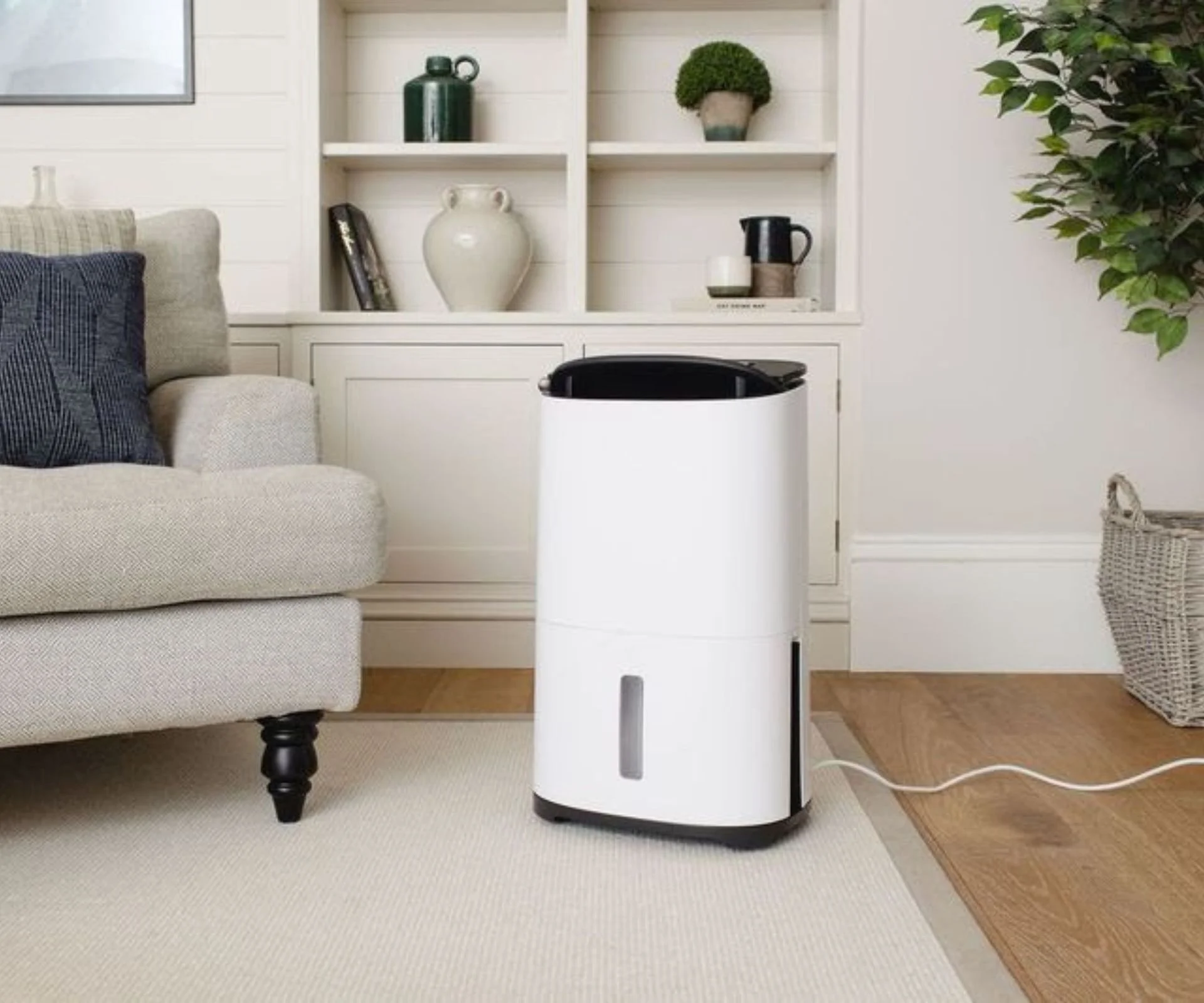
Running it overnight or while you're away
Many units switch off when they reach the chosen humidity or when the water tank fills, but whether yours can run unattended depends on its design. Check the manufacturer’s instructions before leaving it on overnight or for a full day. Automatic shut-off features can reduce the chance of a full tank causing a spill, but they don’t remove the need to understand how your particular appliance handles drainage and restart behaviour.
Before unattended use, Trenerry advises placing the unit on a stable, level surface with room for airflow. Keep curtains, bedding and other obstructions clear, plug it directly into a wall socket, and make sure any continuous-drainage hose is secure and directs water safely. Don’t use an appliance that’s damaged or malfunctioning. These are simple checks, but placement matters: restricted airflow can interfere with operation, while an unsecured hose can turn continuous drainage into a source of water on the floor.
Electricity tariffs with cheaper overnight rates may make those hours a sensible time to dry washing or reduce general humidity, Michael says. But if your home is already at the target level, continuous operation only adds unnecessary running time. One featured Meaco model in the source costs just over 6p per hour to run, though costs vary by appliance and tariff. That figure is a product specific example, not a reliable estimate for every home: actual cost depends on the unit and the electricity rate you pay.
Here's the thing: overnight use makes sense only when the appliance has a suitable operating setup and there’s a reason to run it. A timer can help constrain a run, while a humidistat can stop the unit once the target is reached. Neither feature can identify why a room is damp.
When humidity rebounds, look for the cause
If readings rise quickly after switching the dehumidifier off, simply running it longer may not solve the problem. Poor ventilation, routine household activities, leaks or defects in the building can all contribute, Trenerry says. The appliance can remove moisture from the air, but that doesn’t prevent new moisture from entering or being produced.
He describes dehumidification as one part of moisture management, alongside adequate ventilation, suitable heating and property maintenance. If damp or mould keeps returning, tracking down and addressing the source of the moisture is more effective than repeatedly removing it from the air. This is more significant than it looks: a unit can make a room feel drier while the underlying source remains, so improvement at the appliance’s sensor may not tell the whole story.
And yet, a dehumidifier can still be useful while you investigate. It may help manage excess moisture and dry laundry, but recurring high readings are a prompt to look at ventilation, leaks and the condition of the building. The pattern matters. A one off rise after routine household activity is different from humidity that stays high or returns quickly.
What the product choices tell you
The Homebuilding team’s featured models illustrate a few different priorities: a larger unit with laundry and timer modes, a mid-range compressor model with several operating modes, and a compact option for smaller homes. The listings also describe features such as a humidity sensor, automatic cut-out and a water tank. Those features can affect how you manage runtime, but the article’s guidance still applies across models: use readings and follow the manufacturer’s instructions.
The highlighted running cost belongs to one Meaco model, so it shouldn’t be read as a category wide price. Likewise, a product’s stated size or modes don’t establish how long it’ll need to run in your own home. Room conditions, moisture production and the target setting all shape that answer.
Dehumidifiers featured by the Homebuilding team
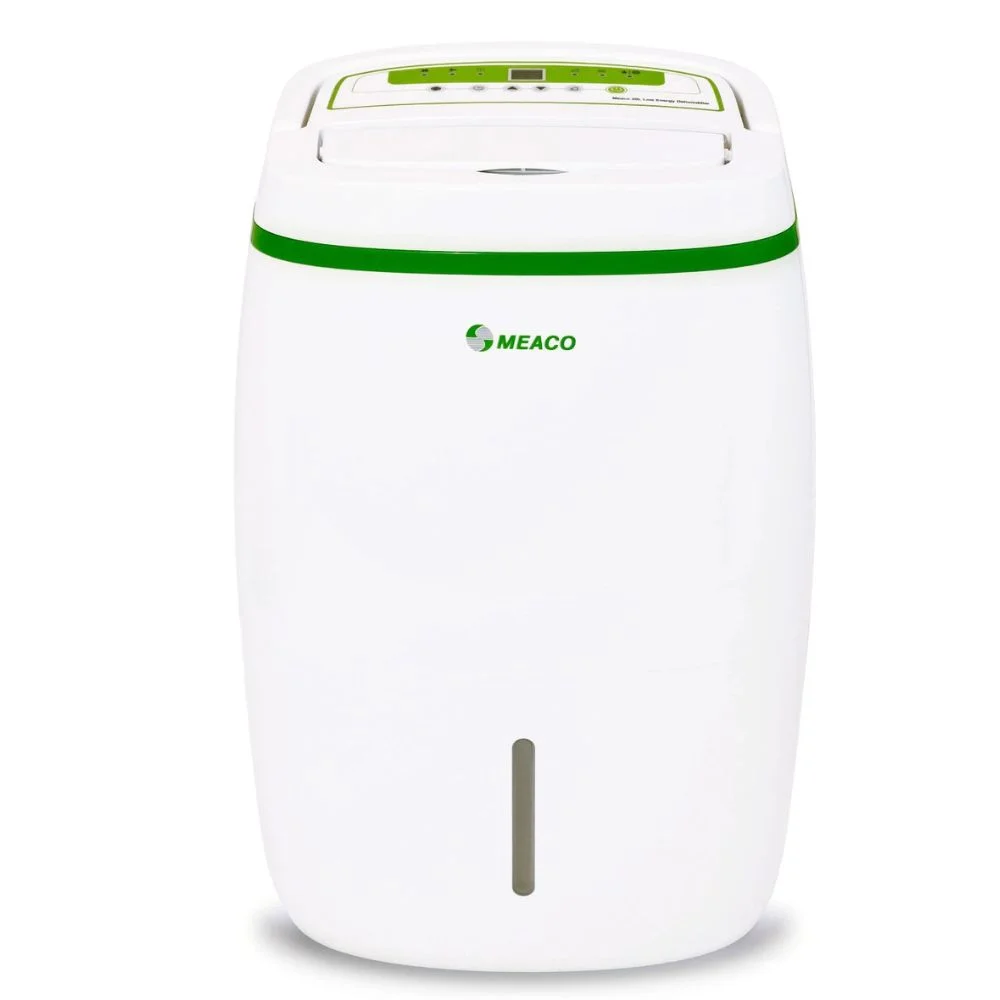 Best overall
This two-in-one dehumidifier doubles as a HEPA air purifier, costs just over 6p per hour to run, and features a laundry mode, timer and automatic cut-out.
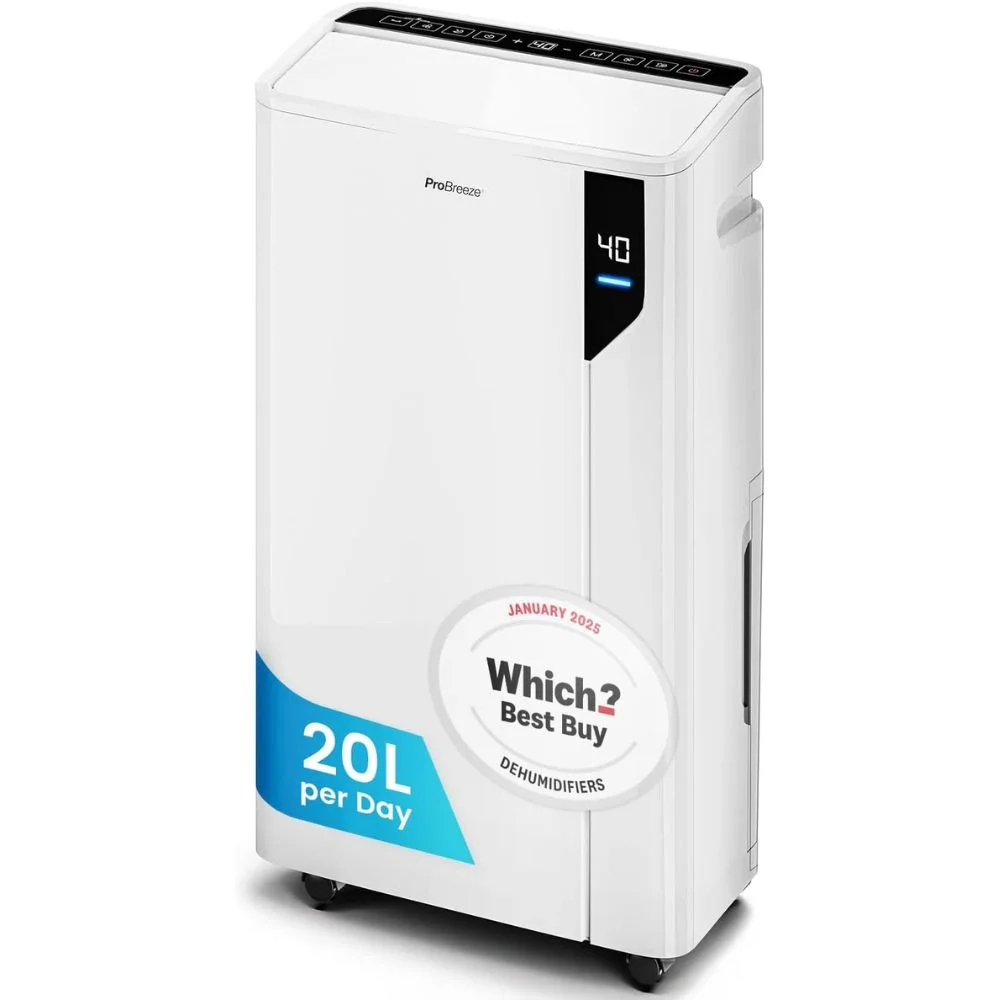 Best mid-range
Our top choice for medium to large-sized homes, this dehumidifier features a large water tank, five operating modes and a smart humidity sensor.
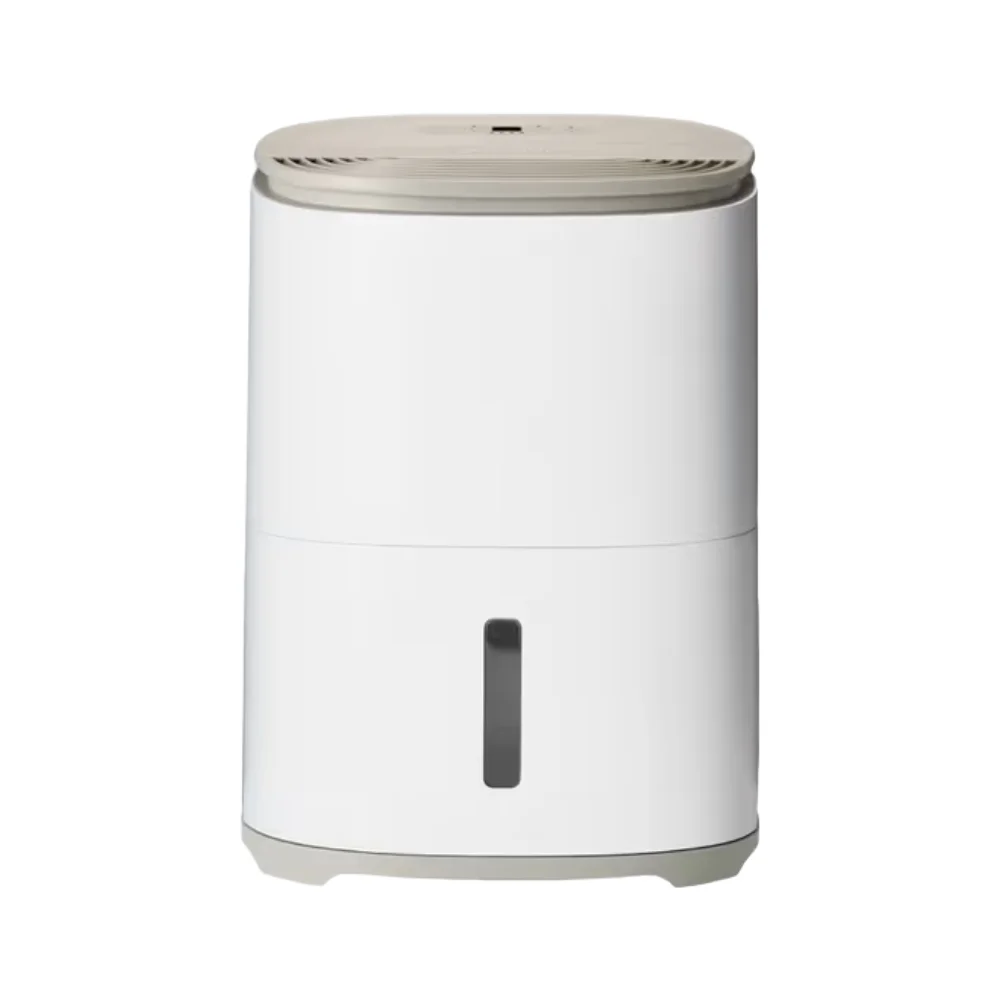 Best compact model
The perfect size for smaller homes, this compact dehumidifier is ultra-portable and did a top job of banishing damp and condensation, as well as drying wet laundry.
A practical rule for runtime
There’s no universal number of hours to aim for. Use humidity readings to guide operation, and treat a fast return of damp as a signal to investigate the home’s moisture sources. A humidistat can reduce guesswork by responding to the chosen target, while a separate hygrometer gives you a way to check conditions directly.
Keep the appliance clear, stable and set up according to its instructions, especially when it’s running unattended. If you're deciding whether to run it longer, ask what the reading shows and whether the home is producing or taking on more moisture. The number of hours is only useful when it’s tied to those conditions.
One sentence that carries the point: Run it to manage humidity, then look beyond the machine if the damp returns.
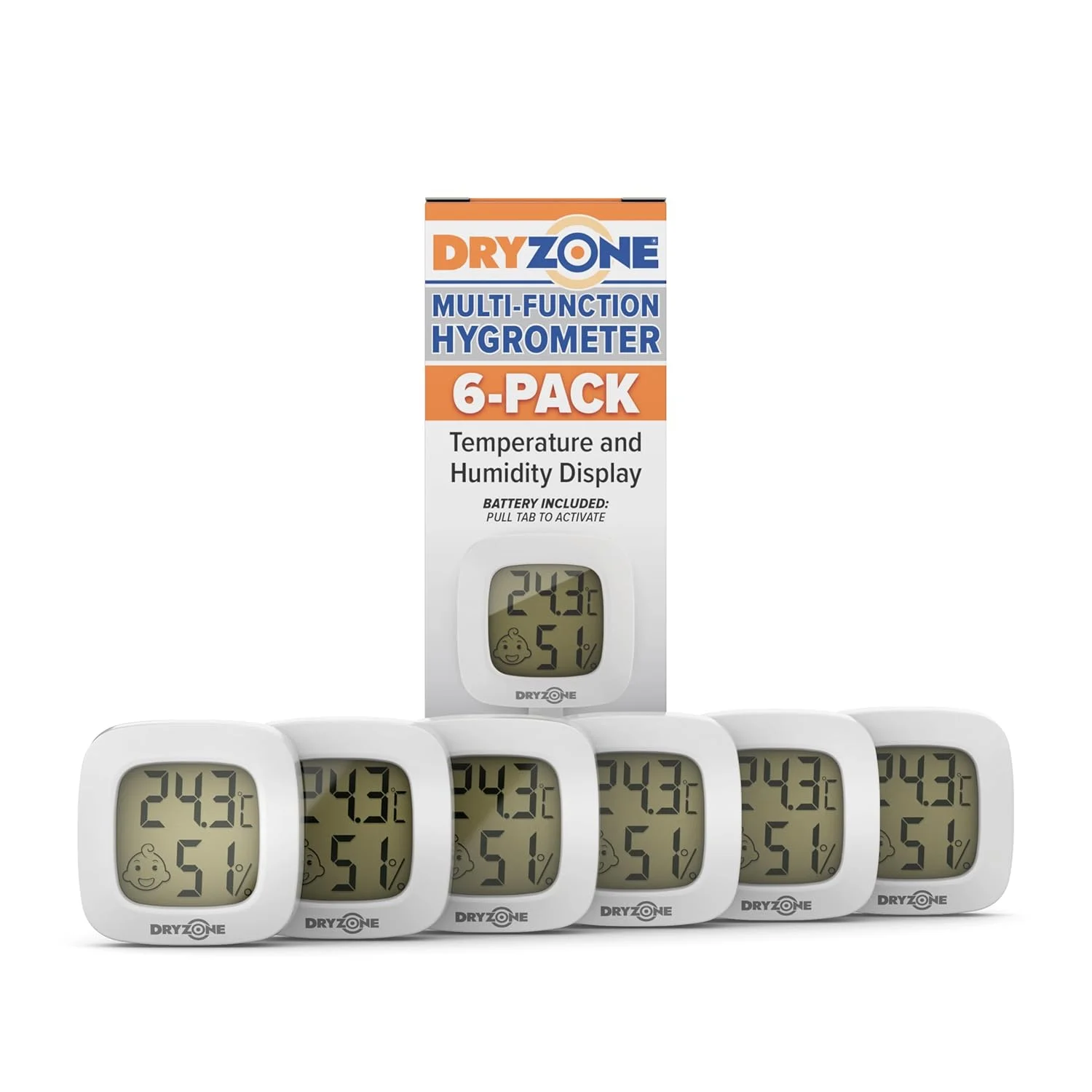
This six-pack of hygrometers will come in handy for monitoring your home's humidity and temperature.
Related guides: how dehumidifiers work and whether dehumidifiers can help reduce dust.


Discussion
Sign in to join the discussion.