Plug-in solar still generates electricity on bright winter days, but annual output matters more than winter performance. Smart timing can help households use more of what they produce.
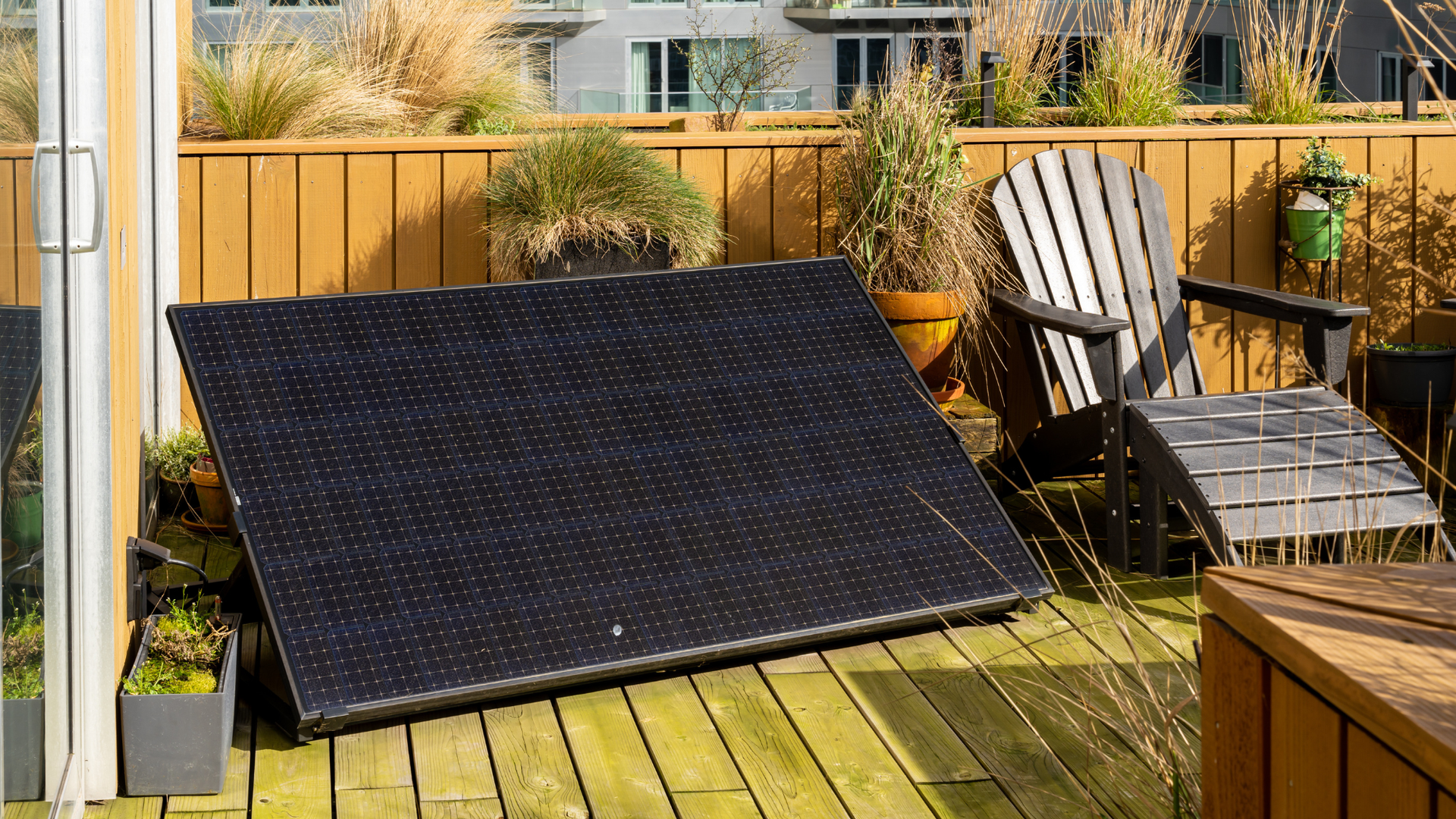
Winter can make plug-in solar look underwhelming: short days, cloud and a low sun all limit generation. But a winter snapshot can give a misleading impression of how useful a system is. The more relevant measure is its output across the year, weighed against when a household uses electricity and how much of that use the panels can cover.
Summer typically supplies most of the energy, while even modest winter generation can reduce the electricity a household buys from the grid. That contribution depends on timing: power produced while appliances are running can be used directly, while electricity generated when demand is low may be less useful to the household. A plug-in system is therefore best judged as a way to trim grid use over time, not as a dependable source of winter power.
Winter output depends on light, not warmth
Kian Milroy, a renewables electrical engineer at Heatable, says solar panels need light rather than heat to generate electricity. On a clear, bright winter day, they can still perform well despite low temperatures. Cold weather by itself isn’t the main obstacle; the available sunlight is.
That doesn’t mean winter conditions are easy on output. Shorter daylight hours leave less time for generation, while cloud cover reduces the light reaching the panels. The sun’s lower angle also changes how directly its rays hit the modules, and snow covering them can stop generation altogether. These effects can combine, so a panel’s ability to work in cold weather shouldn’t be mistaken for an expectation of strong winter production.
Milroy’s advice is to assess plug-in solar panels by their expected annual performance, rather than judging them by a single season. He describes winter production as “effectively a bonus” rather than something the system should need to rely on to pay for itself. That’s a useful distinction: a system can contribute during winter without making winter output a sound basis for estimating its value.
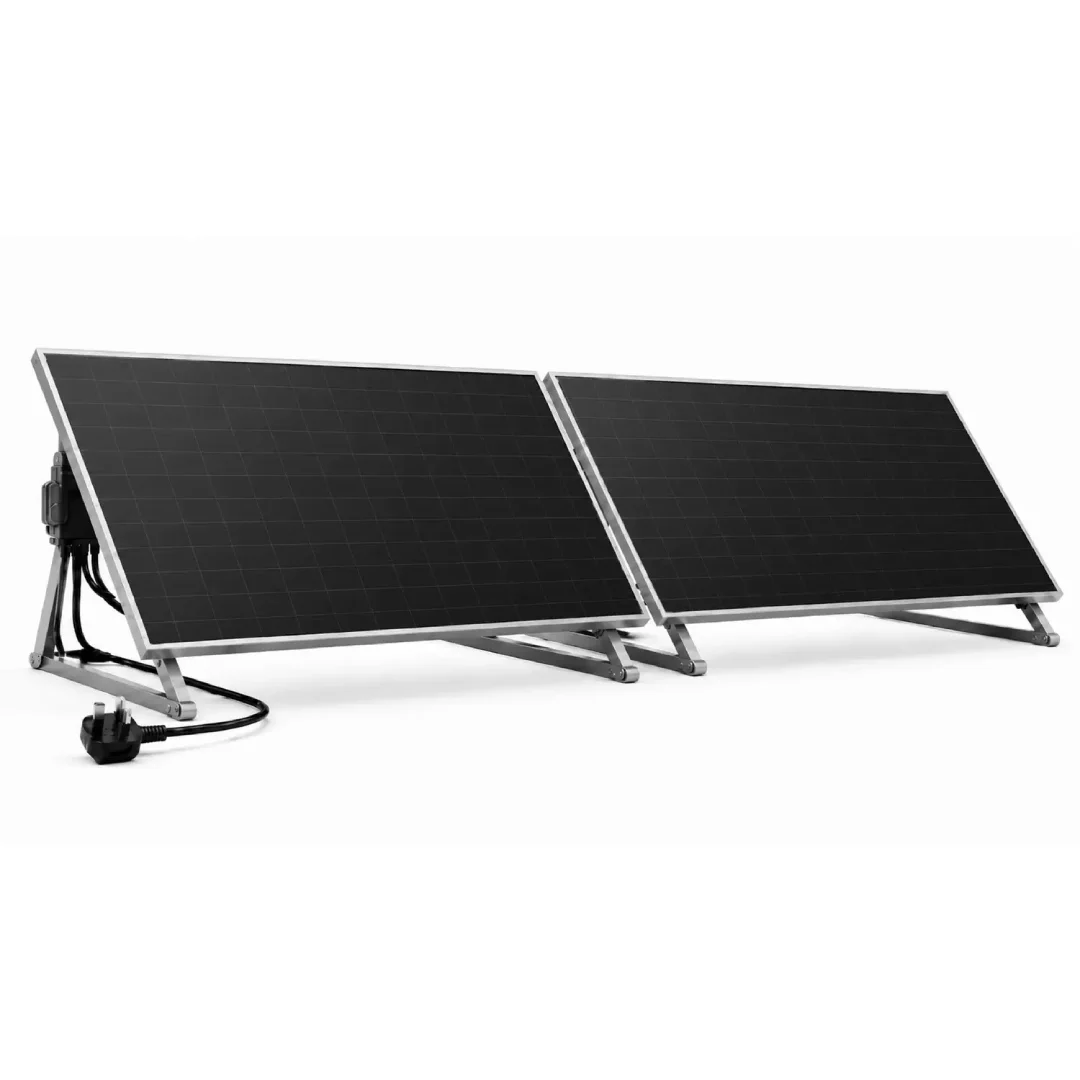
These plug-in panels couldn't be easier to install – I had them running in five minutes and love how you can track your generated electricity via the app.
Rated capacity isn’t a winter forecast
How much electricity a system generates depends on weather, location, capacity, panel direction and tilt, and any shading. Those factors describe why the same rated system can produce different results in different settings. An 800W system can approach that output in ideal conditions, Milroy says, but winter rarely provides them. Rated power describes what a panel can reach under favourable conditions; it doesn’t predict its daily energy production.
That distinction matters when comparing a headline capacity with the electricity a household can expect to use. Capacity is a measure of possible output at a point in time, whereas annual estimates account for changing conditions across the seasons. Neither figure alone tells the whole story: the household’s position, shading and routines shape how much generated electricity can be put to work.
Annual estimates give a more useful basis for assessing value. Andrew Northcott, Knowledge Manager at Energy Saving Trust, puts the typical annual bill saving from a plug-in solar system at around £70 to £100. That’s a modest contribution, but it can trim grid electricity use. The estimate gives a broader reference point than a winter reading, though a specific household’s result will depend on its own conditions and consumption.
Shift household use into daylight
The clearest way to get more value from limited winter generation is to use electricity while the panels are producing it. Northcott says plug-in systems can power everyday appliances directly, so running devices during the brightest hours can help households consume more of their own solar output. The practical question isn’t only how much electricity the panels generate, but whether household demand coincides with that generation.
If you’re working out whether a system fits your routine, look at when appliances are usually running and whether their use can be shifted. There’s no need to assume every task can move into daylight; the useful gains depend on what the household can realistically reschedule. This is more significant than it looks: a small amount of generation can matter more when it replaces electricity the home would otherwise draw from the grid at that moment.
Fiona Conor, founder and CEO of Trust Electric Heating, suggests using smart controls to schedule heating during daylight hours. Panel placement also matters: a south-facing position with little shade from buildings or vegetation gives the lower winter sun a better chance of reaching the modules. Placement can’t remove the limits imposed by short days and cloud, but it affects how much available light reaches the panels.
And this is the part most people overlook: good timing and placement can improve how useful the system is, but they can’t turn a seasonal source into a constant one. Winter remains the harder test. The annual picture is what counts.
What to weigh before buying
For anyone considering buying plug-in solar panels, winter is only one part of the calculation. Annual generation, panel position and the ability to shift household use into daylight hours offer a more grounded picture of what the system can contribute. A buyer focused only on the darkest months may underestimate the yearly contribution; one focused only on rated capacity may overestimate it.
What this means for you is straightforward: treat winter production as a limited contribution, then consider the full year and the home’s pattern of use. The numbers here are underwhelming if you expect a plug-in system to make a large dent in bills by itself. They’re more useful as a guide to a smaller, conditional saving.
See the guide to the best place to install plug-in solar panels or the review of the UKSOL Pro Duo Plug-In 890W Solar Kit.



Discussion
Sign in to join the discussion.