A fan may still leave bathroom condensation if it’s undersized, blocked or poorly positioned. Cold surfaces and lingering moisture can also be to blame.

Why bathroom condensation persists
Bathroom condensation can persist even when an extractor fan is installed. The fan helps remove humid air, but its effect depends on whether it’s sized for the room, positioned well and kept clean. Cold walls, windows and tiles can still collect moisture, even when ventilation is working properly.
Condensation forms when moisture in warm air meets a colder surface and turns back into water. Bathrooms are especially prone to it in winter, when surfaces may be colder and showers add moisture quickly. A brief mist on a mirror is common; repeated damp patches, black spots or musty smells suggest the room needs a closer look.
The distinction matters. A fan can reduce the amount of humid air in a bathroom, but it can’t make cold surfaces warm. If you’re seeing persistent moisture, the cause may be poor extraction, cold surfaces, or both.
Check whether the fan can clear the room
A fan that’s running may still be underperforming. Rob Stevens, ventilation and HVAC expert at Aspect, says its extraction rate needs to match the bathroom and its ductwork. If the rate is too low, humid air can linger, leaving more time for condensation to form on cold surfaces.
For fans that switch on and off, guidance in England sets a minimum extraction rate of 15 litres per second. That gives homeowners a reference point, but the right choice also depends on the room and the route the air has to travel through the ductwork. An online airflow calculator can help estimate what a particular room needs.
Run time matters, too. A fan that stops as soon as the light goes off may leave moisture behind after a shower. A humidity-sensing fan can manage its run time automatically; otherwise, Michael Zohouri, founder of Pyramid Eco, recommends leaving the fan on for at least 20 minutes after showering.
Dust and debris can restrict airflow, so clean the fan when needed. A dirty grille or fan can reduce how much air it moves, even if the motor still runs. The guide to cleaning a bathroom extractor fan explains how to do so safely.
The fan also needs replacement air to move through the room. Zohouri advises against making the bathroom airtight and recommends leaving a sufficient gap beneath the door. Without an air path into the room, extraction can be limited; the fan needs air to draw through as it removes humid air.
Position can affect performance. Warm, moist air rises, so Stevens recommends placing the extraction point as high as practical: on the ceiling or no more than 40cm below it. If the fan sits much lower, ask whether it can be moved. Placement won’t solve every ventilation problem, but it can help the fan capture humid air where it gathers.
Three extractor fans to consider
These product examples highlight features that may matter when replacing a bathroom fan, including extraction rate, noise and timer controls. A product description alone can’t show whether a model suits a particular bathroom or duct layout, so match the specification to the room before choosing.
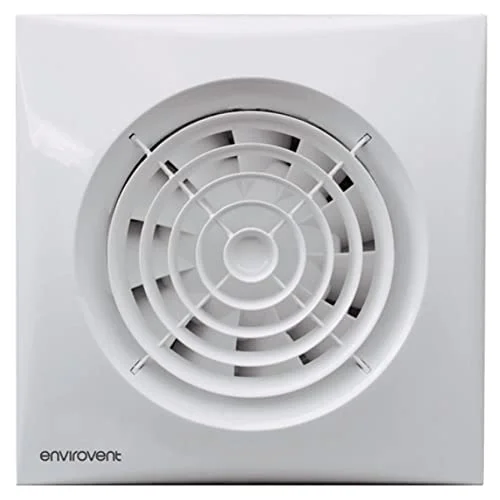 158mm x 158mm
Time to replace your extractor fan? We recommend this one for its ultra-quiet design and high extraction rate.
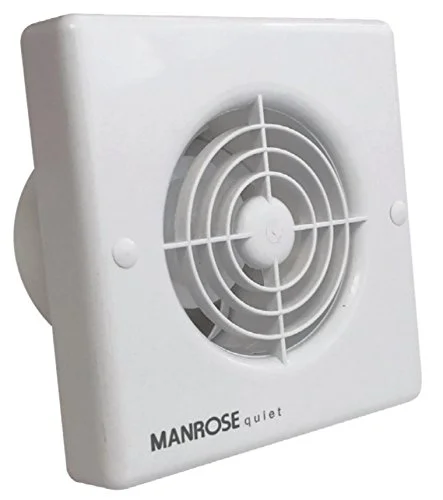 163 x 163mm
This energy-efficient fan will extract 21 litres per second and features an adjustable timer.
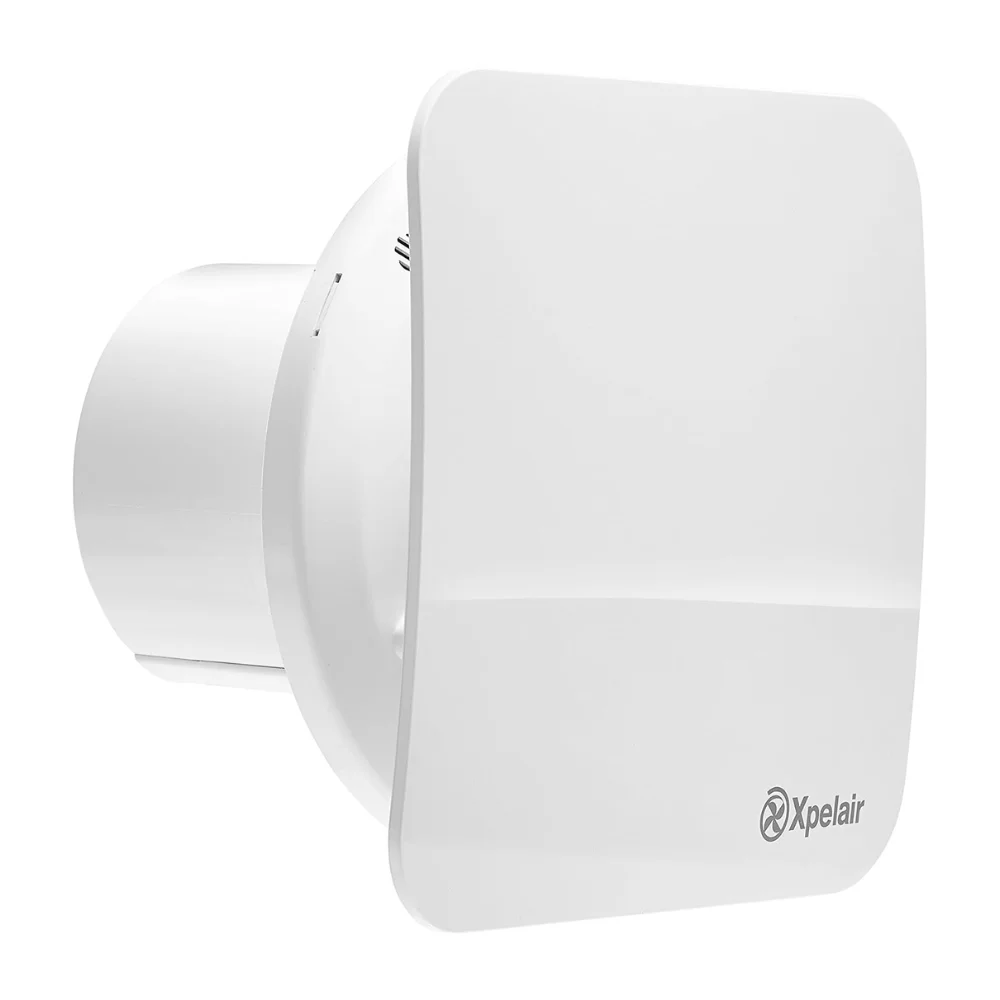 Sleek design
Sleek, quiet and easy to install, this extractor fan is a great option and its smooth surface is a breeze to wipe clean.
Cold surfaces can keep collecting moisture
Even effective ventilation may not prevent all condensation. Poor insulation and particularly cold walls, windows or tiles can cause moisture to form, especially when the air is humid. Damian Wallis says some condensation can appear on cold surfaces even in a well-ventilated room.
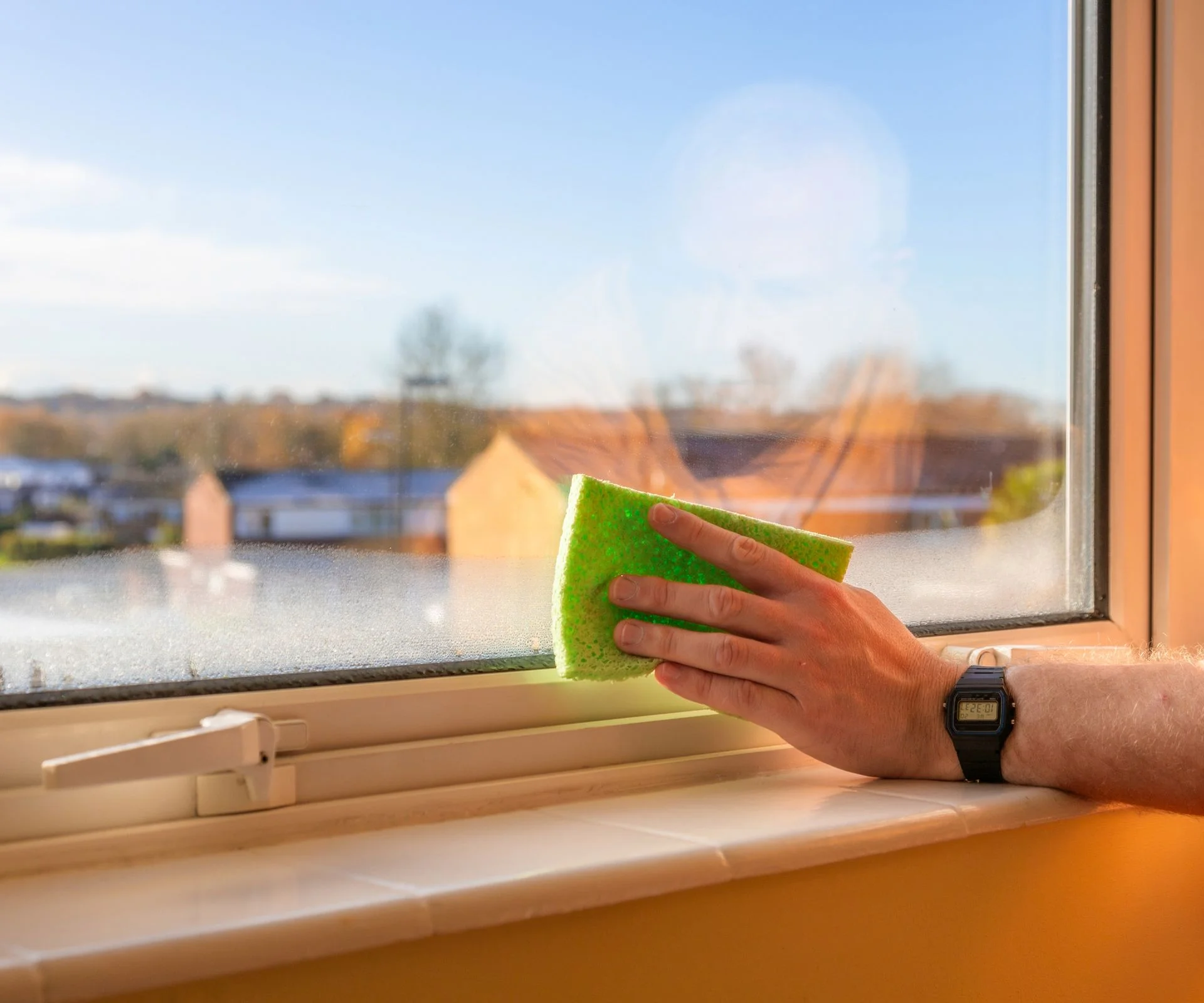
Occasional misting may be expected; persistent buildup, black spots or a musty smell point to a need for further investigation. The pattern can offer clues: condensation that returns on the same cold surfaces may call for attention to insulation or room temperature as well as ventilation.
This is more significant than it looks. Treating every damp patch as a fan problem can lead to repeated cleaning without addressing why moisture keeps forming. And this is the part most people overlook: the air and the surfaces both matter.
Reduce moisture after showering
Opening a window during or after a shower helps humid air escape, Damian Willis says. Pair that with wiping down wet surfaces to reduce the moisture left in the room. These steps lower the amount of water that can evaporate back into the air after you’ve finished washing.
For windows, mirrors and tiles, Stevens recommends using a squeegee or a window vacuum, then drying any remaining wet patches with an absorbent cloth. It’s a simple routine, but it removes water before it has time to linger on cold surfaces.
If the fan has a boost setting, use it to clear humid air faster and help existing condensation evaporate. Without one, keep the fan running at its usual speed while the room dries. A quiet fan that runs long enough may be more useful than a stronger unit that’s switched off too soon.
What this means for you: check airflow, run time, cleanliness and position, then consider whether the room’s surfaces are unusually cold. If you’re working in this space, keep an eye on whether condensation clears after the bathroom has aired and dried. Persistent moisture calls for checking the fan’s performance alongside the temperature of the room’s surfaces.
Here's the thing: there isn’t one fix for every bathroom. Better ventilation helps. Warmer surfaces help, too.
For more background, see the guide to normal humidity levels in a house and advice on reducing condensation at home.


Discussion
Sign in to join the discussion.