Check deeds, Land Registry records and access rights before buying a home with a shared driveway. Clear expectations can help prevent neighbour disputes.
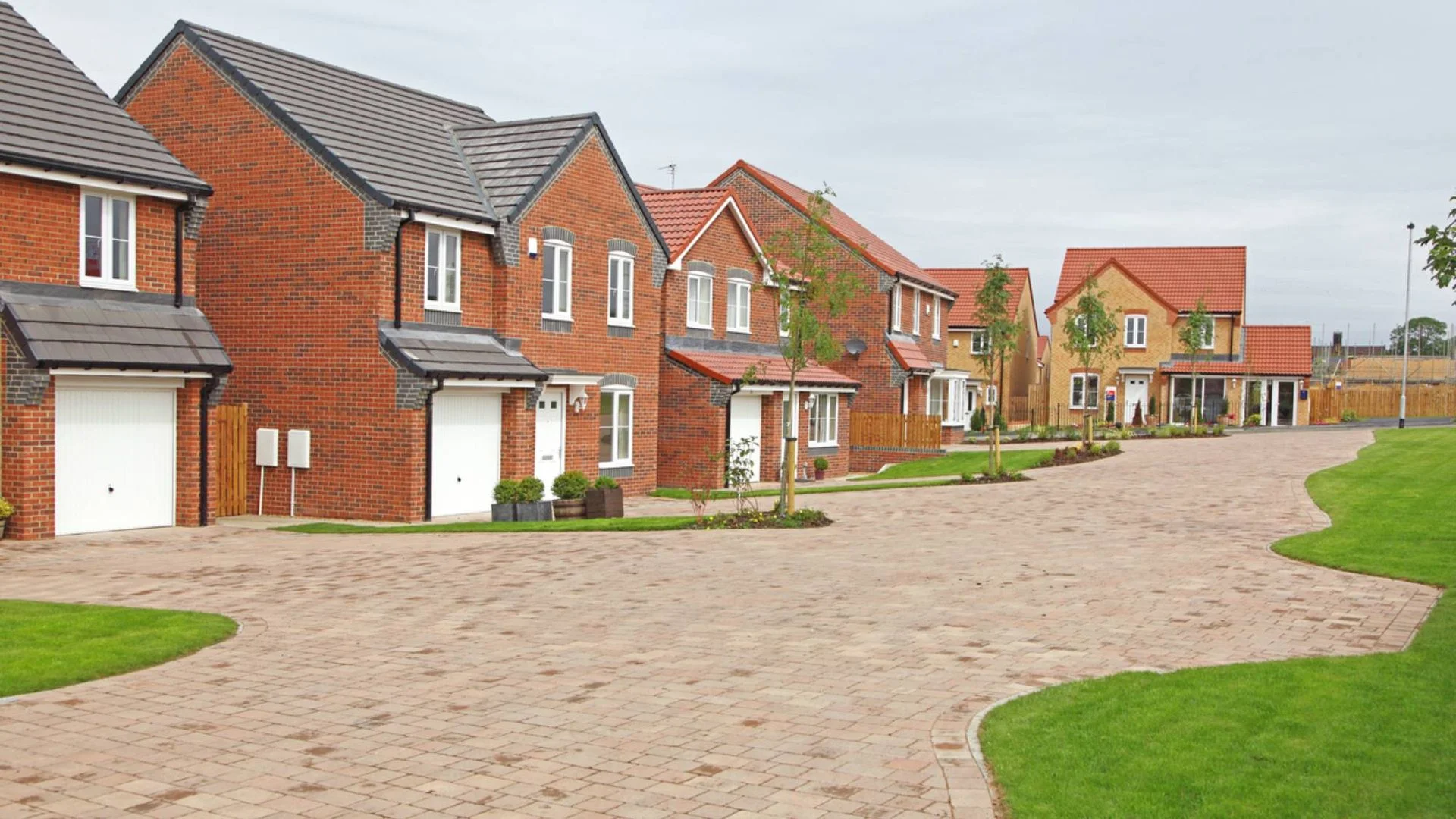
The real risk of a shared driveway isn’t the strip of tarmac. It’s discovering too late that you and your neighbour disagree about who can use it, where a car can stop, or who should pay when it needs work. I learned that after buying a Victorian three-bedroom house in Bedfordshire for far less than a comparable home nearer London. I’d fallen for the property and barely registered its shared driveway. That changed once I moved in.
I’m not naturally generous about sharing—even dinner companions have nearly lost a hand over my chips—so I was surprised to find that the arrangement can work. I’ve shared the drive with two neighbours, and things have been mostly harmonious. The difference comes down to knowing the legal terms, talking before problems arise, and making room for the other household’s needs.
1. Find out what the paperwork allows
Before buying, establish exactly what access and use rights come with the property. My solicitor explained mine before I moved in, which made it easier to agree on basic driveway etiquette with my neighbour.
Robin Edwards, a buying agent at Curetons Property Finders, advises buyers to weigh a shared drive carefully rather than reject a home automatically or assume the arrangement will be trouble-free. A solicitor should investigate the legal terms before contracts are exchanged, he says: leaving a difficult setup is much simpler before purchase than resolving a neighbour dispute later.
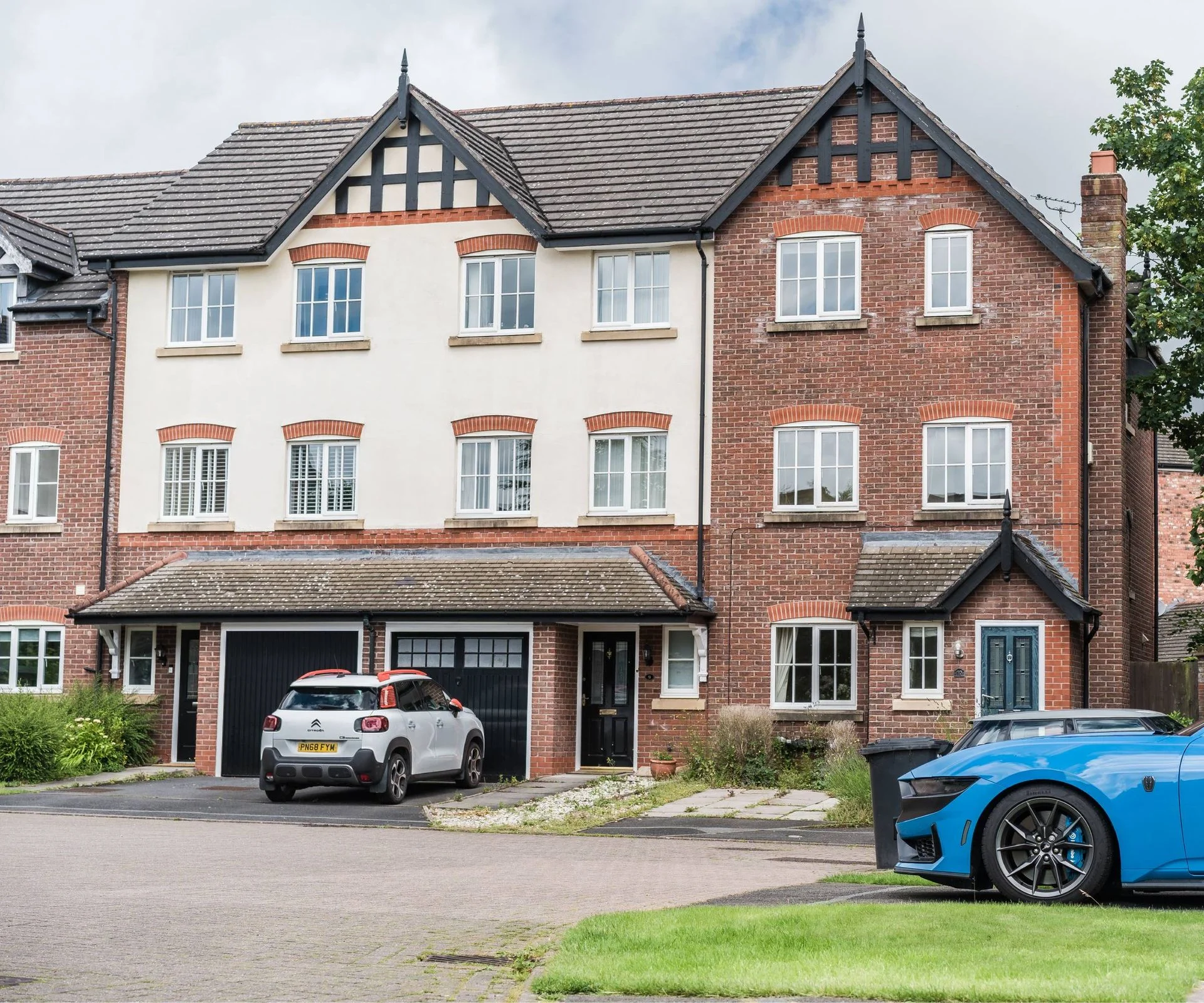
A solicitor will usually examine the deeds and Land Registry records to work out who owns each part of the land and which rights apply. Shinead Wilson, a property litigation partner at Keystone Law, says the documents are the place to begin. Get official copies of the register and title plan from HM Land Registry, then check both your title and your neighbour’s. For rights granted since 13 October 2003, the benefit should appear on the title of the property that enjoys it, and the burden on the title of the property subject to it.
The original deed or transfer that created the right may spell out whether access is on foot or by vehicle, when it can be used and for what purpose. That wording matters. An older right of way may not be written down in the same way: Wilson says one can arise from at least 20 years of open use without force or permission, under the doctrine of lost modern grant or the Prescription Act 1832. A sale can also carry an existing right with the land, because a conveyance is deemed to include the ways, easements and other privileges enjoyed with the property.
Top tip: If the house is older, don’t assume that a right is absent just because you can’t find it stated plainly. Ask your solicitor to check how the access has been used and what the transfer documents convey.
2. Do the small neighbourly things
My neighbour and I often put each other’s bins out or bring them back in. When one of us is away, we also check whether the other needs a parcel collected or the house watched. These are modest favours, but they make it easier to ask for help when something more complicated comes up.
Sandra Richardson, a planning officer at Luton Borough Council, suggests bringing in a neighbour’s bins when you’re already moving your own. It saves them having to stop and shift bins when they get home, and can prevent a small irritation from becoming a regular one.
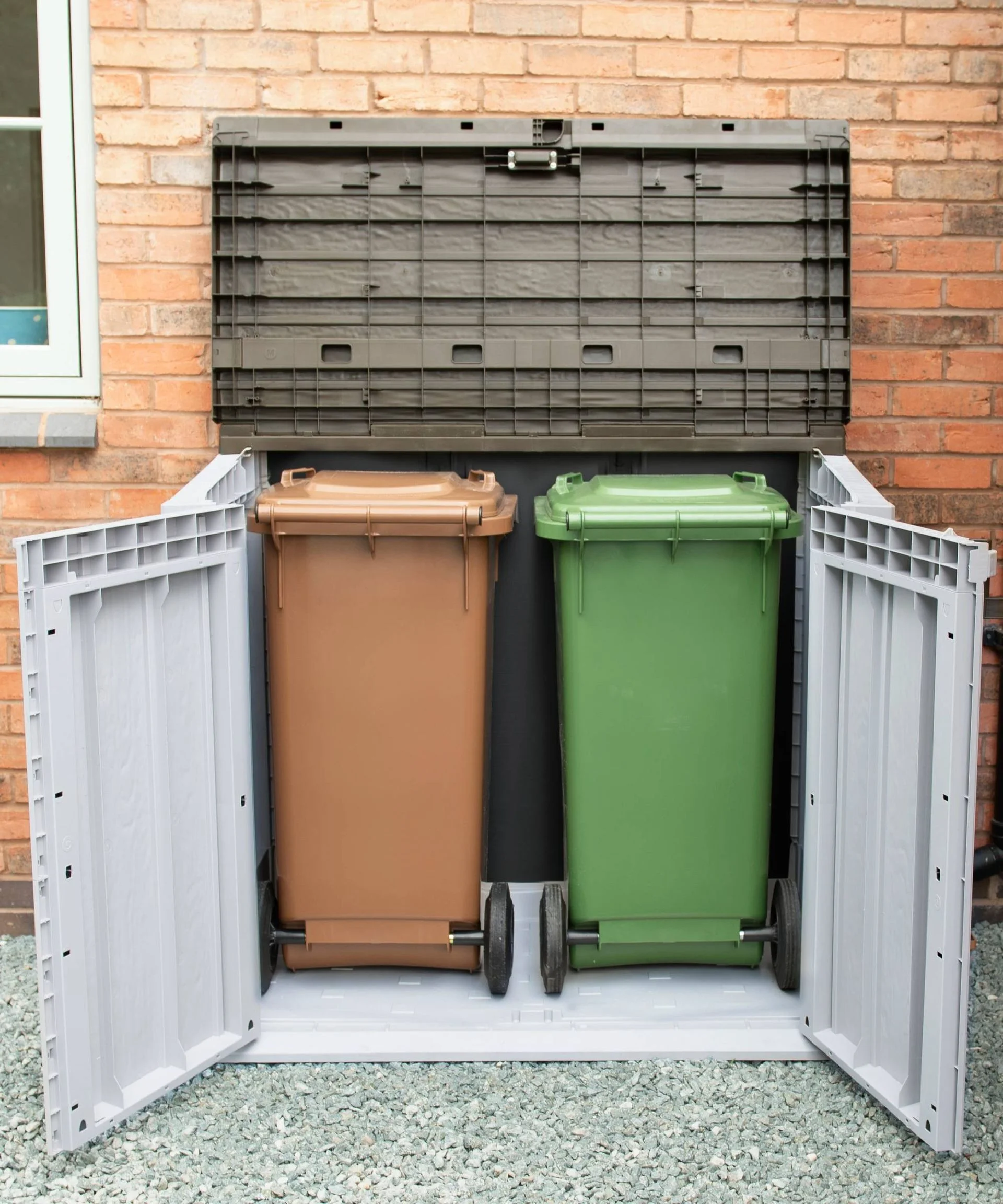
Keep bins orderly, too. Wheelie bin storage can stop them looking untidy or blowing into the shared area. If odours become a problem, talk with your neighbour about arranging regular bin cleaning; sharing a subscription could reduce the cost.
3. Agree on parking and access
Our driveway is a narrow gap between two Victorian semis, wide enough for one car. Each home has its own parking space in the side return at the back—a common arrangement for shared drives. We use those spaces because the road is busy and to keep insurance premiums down, but that still calls for consideration. If my husband gets home late, he parks on the road so the engine won’t wake the neighbours.
Our neighbours have made off-road parking in their front garden and take care not to spill into the shared section. We also talk before maintenance work or a skip is arranged if it could restrict parking.
Richardson says parking rows often begin with someone who expects to be in the way only briefly. Unloading shopping or packing for a holiday can stretch from a few minutes to 45, leaving a neighbour unable to get through. Tell the other household ahead of time if you expect to block access, so they can move their car or plan around it.
4. Keep the shared space in decent shape
Weeds and clutter can turn a shared drive into a daily reminder of what each person thinks the other should be doing. Richardson points out that one owner might be responsible for two-thirds of the driveway and the neighbour for the remaining third. Even so, a strict boundary around each person’s duties can be less useful than a little goodwill.
If you’re already weeding your section, spending a few more minutes on the rest shows that you care about the shared space. The same approach works for litter picking or pressure washing, provided the job won’t cause a problem for your neighbour. Small efforts can head off the sort of minor resentment that grows into a bigger row.
5. Talk about building work before it starts
My newest neighbour built a small extension into her own parking space. It didn’t affect our shared access, and she made sure a new window wouldn’t compromise our privacy. That kind of advance consideration is useful even when the work seems minor.
If either household is planning an extension, look over the plans together, particularly if the work could affect access, parking or privacy. Richardson says neighbours should be told what is happening even when planning permission isn’t needed. Raise concerns early, too: if new windows would look into your home, you might ask about moving them or using obscured glass.
Construction logistics can be just as disruptive as the finished work. Scaffolding, deliveries and materials may block the driveway. Discuss access with your neighbour in advance; a temporary restriction may help work finish sooner, and speaking directly with the builders can turn up practical ways to keep the route usable.
6. Plan driveway improvements together
My neighbour and I have similar tastes, so we’re planning a makeover with pamments and gravel and will share the cost. Not everyone agrees on appearance or upkeep, though. Disputes can flare when one owner puts up a fence or starts growing a hedge between properties.
Richardson warns that owning most of the driveway doesn’t necessarily mean you can fence off a boundary: the neighbour may have access rights across the whole area. Talking through the design—whether that means plants, tidier edges or sharing resurfacing costs—can avoid a physical barrier that restricts access or breeds resentment.
Paula Higgins, chief executive of the HomeOwners Alliance, advises involving your neighbour in choosing a contractor. Put the agreed work, materials, drainage, schedule and costs in writing, and decide how everyone will get to their home while the work is under way.
Separate essential repairs from upgrades you simply prefer; your neighbour may not have to contribute to a more expensive finish. Check with the council whether planning permission or highways consent is required, particularly if the work changes drainage or the access onto the road. Shared driveways don’t have their own separate driveway building regulations, but the council may consider width, visibility, how many homes the drive serves, and whether vehicles can enter and leave safely.
Questions about shared driveways
What should I do if there’s a dispute over my shared driveway?
Begin with a conversation, Wilson advises. Parking, gates and obstructions account for many driveway disputes, and a calm discussion is often cheaper and easier than a legal claim. If talking doesn’t resolve it, establish who owns the land, what rights each home has and what the documents say about use.
Patrick Ansell, legal head of litigation at Taylor Rose, recommends asking a solicitor to clarify ownership and rights if the paperwork is hard to interpret. Keep a record of the issue, including correspondence and photographs where relevant.
Mediation may be the next sensible step: it can be quicker and cheaper than court, and less damaging to a relationship with someone who lives next door. If the matter reaches court, Wilson says the key question is whether the obstruction substantially interferes with the right. There’s no claim if you can still use the drive as conveniently as before.
A single gate may be acceptable, while three gates in less than 100 metres have been judged excessive. Parking is generally a problem only when it actually blocks the right of way. A substantial interference can count as private nuisance and give the affected person grounds to sue.
Can I change the rights over a shared driveway?
Yes, but usually only if the parties agree and record the change properly. Wilson says varying or releasing an easement requires a deed. If the property that benefits from the right has been divided into several plots, each plot owner must join the deed for the variation to take effect.
An informal letter or understanding is risky. At a minimum, a change must be in writing to have effect in equity, and an oral or informal agreement won’t bind a future buyer who didn’t know about it. Once agreed, the Land Registry entries should be updated.
Neither owner can change the arrangement alone. Offering an equally convenient alternative route doesn’t automatically remove the original right, and the landowner can’t build over or block the route in a way that substantially obstructs it unless the power to do so was expressly reserved. A right also doesn’t disappear just because it hasn’t been used: abandonment requires a settled intention never to use it again. Wilson cites a case where even 175 years without use wasn’t enough.
How do shared driveways work on new-build estates?
Ownership can be harder to pin down on a new-build estate, Higgins says. The drive may belong to individual homeowners, the developer or a management company. Check the title papers and transfer deed for ownership, access issues, parking rights and maintenance responsibility.
An estate management charge may cover maintenance even when the house is freehold, but don’t assume it includes the particular shared drive. Some remain the responsibility of the households that use them.
Will a shared driveway devalue a property?
Edwards says some buyers are deterred, depending on the layout, legal arrangements and relationship with the neighbours. Many are wary of relying on another household’s cooperation. Parking conflicts, blocked access and uncertainty about repair bills are common worries; even bins repeatedly left in the wrong place can become a source of friction.
Still, a shared drive isn’t automatically a reason to walk away. It can provide valuable off-street parking, especially in urban areas where space is scarce, and sharing maintenance costs can help if everyone understands their responsibilities. The numbers here depend on the individual property and arrangement; there’s no single answer for how much value a shared driveway adds or subtracts.
How can I make a shared driveway more appealing to buyers?
Keep the drive presentable: organise the bins, park neatly and stay on top of maintenance. Edwards says a poorly managed shared driveway can hurt a home’s value and sale prospects because buyers don’t want to inherit an existing neighbour dispute. Clear, documented terms that work in practice make the arrangement much easier to explain.
For more guidance on choosing a design, see choosing driveway materials. If gravel is your choice, find out how to stop it shifting.



Discussion
Sign in to join the discussion.