Plug-in solar panels are now legal in the UK, offering an accessible way for homeowners to reduce energy bills and enhance energy independence.
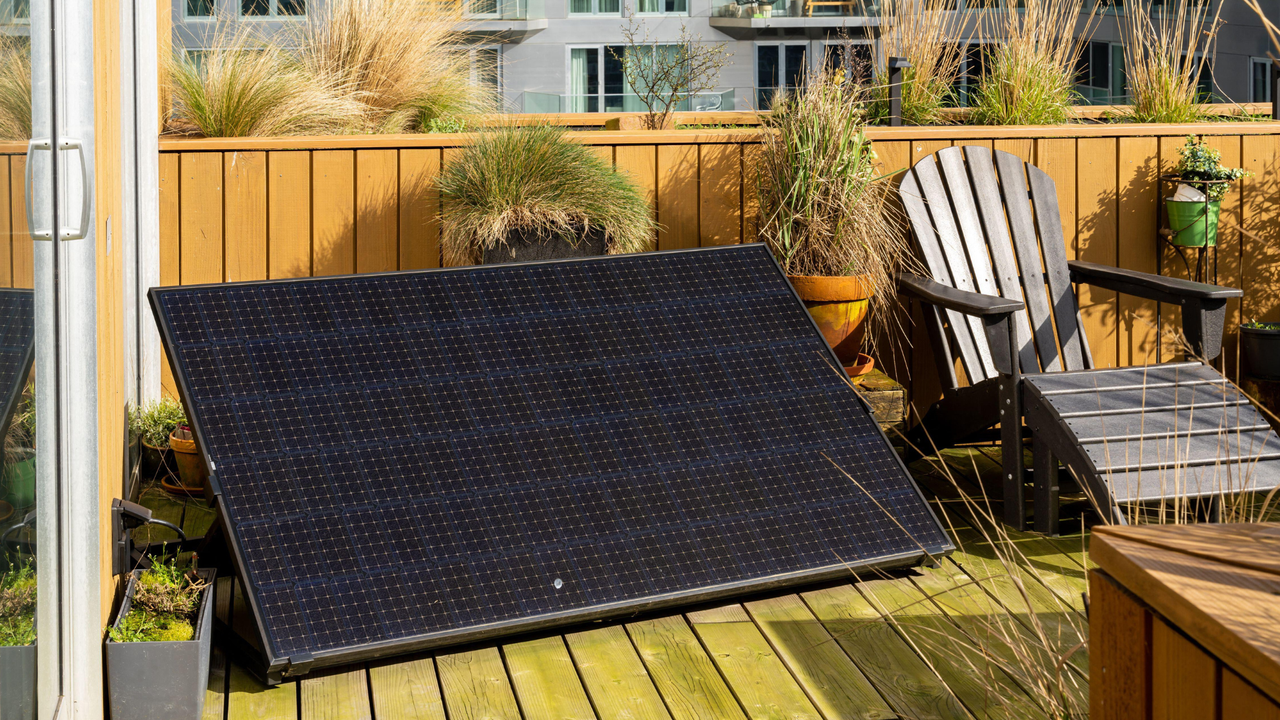
The UK government’s recent endorsement of plug-in solar panels marks a significant shift for homeowners seeking to lower energy costs and boost personal energy security. Priced from around £280, these panels can be installed by the owner without the need for a qualified electrician—though professional help is advisable if there’s uncertainty about the home's wiring. This move reflects a growing trend towards empowering homeowners with more energy independence while tapping into renewable sources.
The Safety Shift
Previously restricted under UK electrical safety regulations due to fire and shock hazards, these plug-in solar panels have undergone rigorous independent testing that assured their safety for consumer use. This back-and-forth over regulations isn’t just bureaucratic; it underscores the tension between safety and innovation. Consumers now have the freedom to harness solar energy, but they must ensure they purchase compliant panels from registered vendors and verify that their property’s electrical systems are suitable for installation. Ignorance in these areas could lead to costly mistakes.
Permitted Development Rights and Planning Considerations
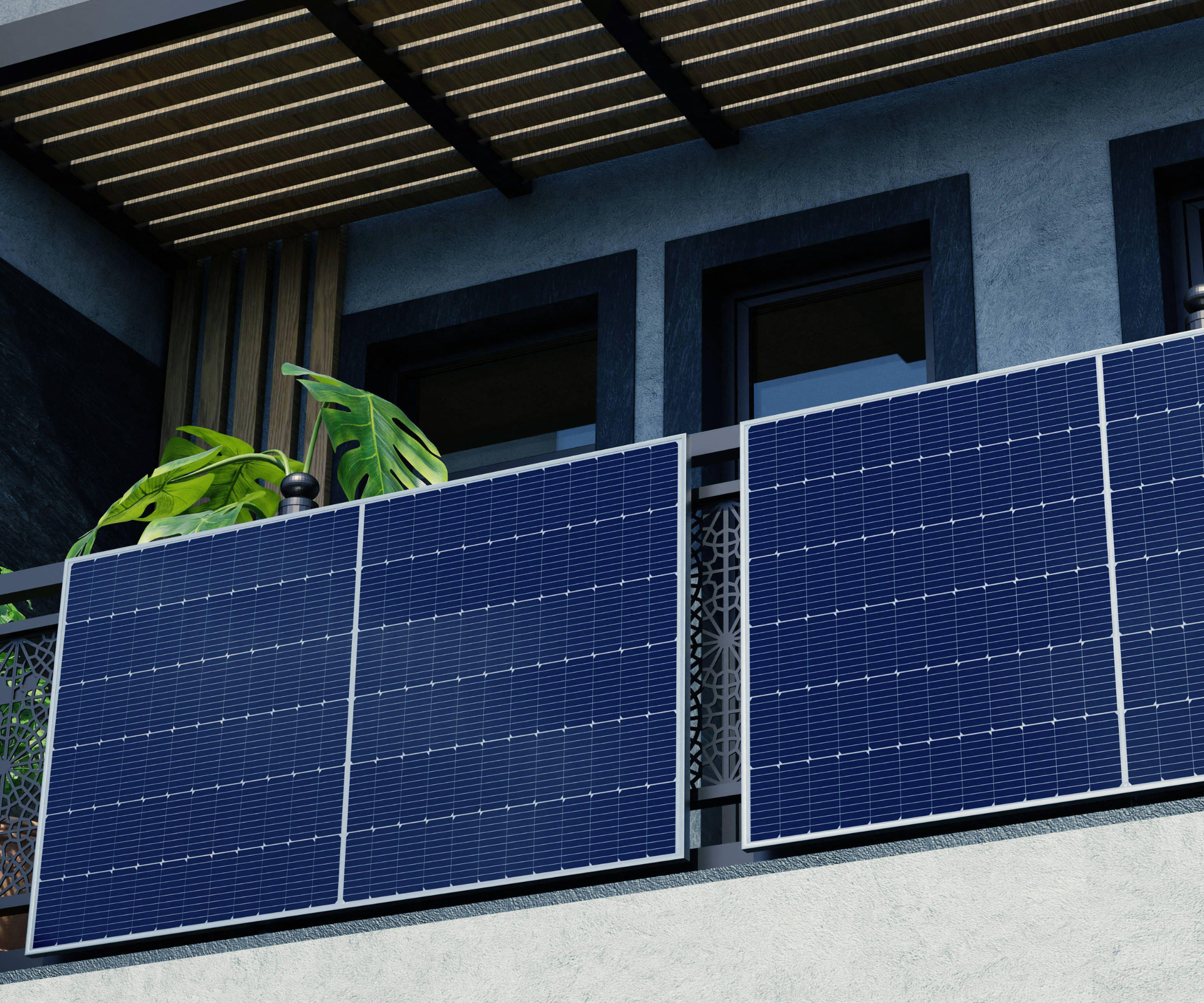
The introduction of a new Permitted Development Right helps to streamline the process for homeowners in England, but certain restrictions apply. Residents in flats, high-risk buildings, and conservation areas must verify planning permission requirements before proceeding. This isn’t just about red tape; these regulations are significant for maintaining the safety and aesthetic integrity of buildings. For many homeowners, navigating this aspect can be a daunting task; ignorance can be costly.
Optimal Placement and Usage Limitations
When selecting a location for these panels, unshaded, south-facing areas are ideal. North-facing installations risk significantly underperforming, a reality some buyers might overlook in eagerness to adopt solar. Under the new rules established by the Energy Saving Trust, homeowners are limited to installing only one panel per property. This panel must be directly connected to a mains socket and can't exceed an output of 800W. The limitations have raised eyebrows. Why not allow more? But here’s the thing: these restrictions might actually encourage users to fully comprehend how to make the most out of a single panel before escalating their solar ambitions.
The Department for Energy Security and Net Zero indicates that households could save roughly £110 annually on energy bills. That’s a number that could certainly capture the attention of budget-conscious homeowners. These plug-in systems might contribute up to 20% of a typical home’s electricity consumption. For many families, this offers a tantalizing glimpse into more sustainable living without overspending. This is more significant than it looks—every little bit counts in an age of rising utility expenses.
Availability and Retail Options
You can now find these plug-and-play devices at well-known retailers, offering a more economical entry point compared to traditional rooftop solar setups. Notable retailers include:
The accessibility of these products at major retailers simplifies the solar energy journey for the average consumer. Everyone from the tech-savvy young professional to the older, more skeptical homeowner can explore their options without having to navigate feelers in what used to be a niche market. This democratization of solar energy could lead to increased adoption, thereby driving down overall costs and pushing the industry for more efficiency.
Expert Insights on Plug-In Solar
Energy Secretary Miatta Fahnbulleh remarked on the initiative, stating, "Plug-in solar is a straightforward and cost-effective method for households to gain control over their energy expenses." Her statement encapsulates the sentiment behind this move towards plug-in technology. It empowers homeowners. Joanna O’Loan from the Energy Saving Trust further emphasized that as access to these products grows, transparent and reliable information is vital for consumers to make informed decisions tailored to their energy needs and financial situations.
For homeowners weighing their options between traditional solar panels and plug-in variations, exploring guides on solar panel grants can provide additional clarity on potential savings and expected ROI. This decision isn’t just financial; it’s a philosophical one about energy independence and sustainability.
Implications and Future Outlook
The endorsement of plug-in solar panels is more than just a casual update in policy; it signifies a pivotal moment in how energy consumption might evolve in residential settings. As energy prices ebb and flow, you'll likely see higher adoption rates among homeowners seeking alternatives to traditional electricity sources. The decentralized nature of this energy solution could lead to a future where energy security isn't just a government concern but a personal priority for many households. If you're working in this space or considering these options, the forthcoming years will be crucial as technology evolves and consumer trust builds around these systems.
While immediate cost savings are enticing, the long-term benefits of widespread solar adoption could fundamentally change the energy conversation in the UK. Given the rising awareness about sustainable practices, plug-in solar panels may well become a common sight not just on rooftops, but also balconies and backyards across the country.



Discussion
Sign in to join the discussion.