September is the perfect time to plant quick-maturing and overwintering vegetables, ensuring a bountiful harvest as the seasons change.
In the realm of gardening, timing is everything, and September provides a unique opportunity to harness the advantages of the transitioning seasons. While spring ushers in new beginnings and summer bursts with abundant harvests, autumn presents a compelling panorama of garden potential. It's not just about nurturing fast-growing summer crops any longer; fall is the perfect time to explore rapid-maturing vegetables that thrive in the cooler air, delicate miniature crops, and hardy overwintering plants that will prepare themselves for the next growth cycle.
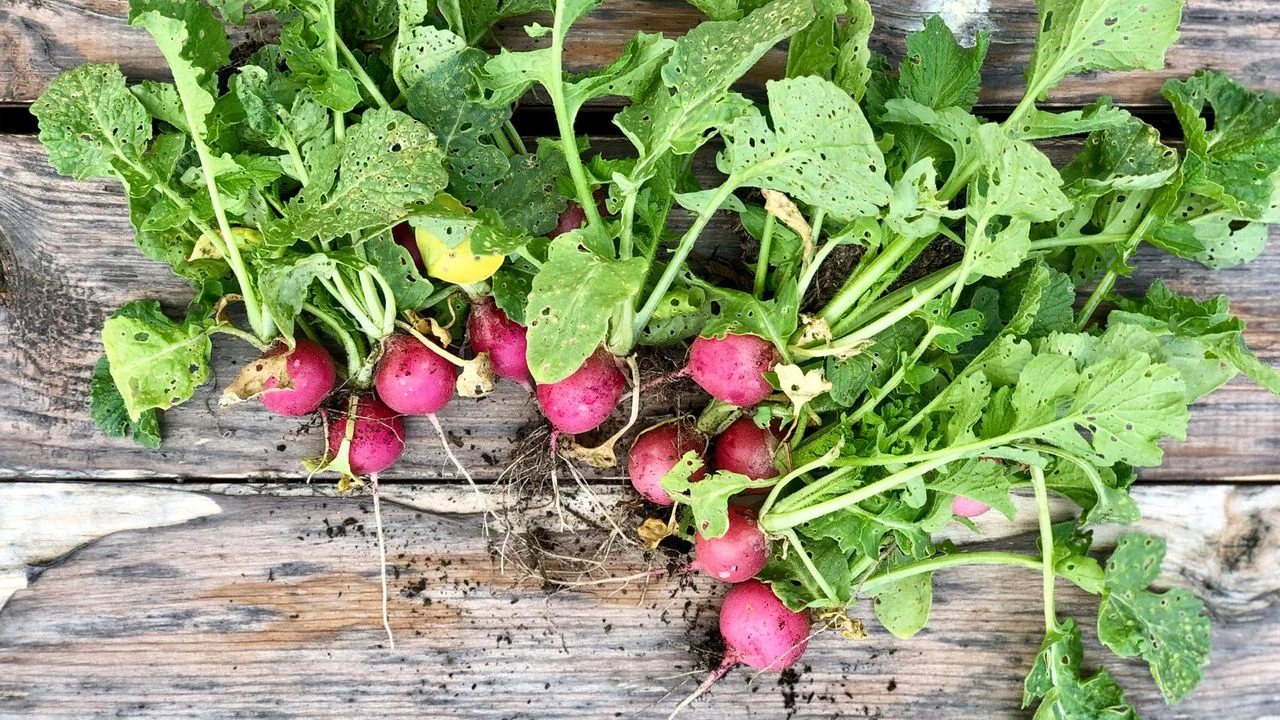
As the autumn equinox approaches, gardeners will notice a decrease in daylight hours coupled with cooler temperatures. But don’t let that dissuade you. Selecting the right crops for your vegetable patch can actually optimize these conditions. Now is the ideal time to sow leafy greens, spring cabbage, Japanese onions, and other quick-maturing varieties. These crops often flourish during this time due to the warm soil and cooler air, which provides the right impetus for growth. Interestingly, vegetables like radishes that would take about four weeks from seed to table in summer might require a few weeks longer in fall—but the wait pays off with superior flavor. Meanwhile, slow-growers like spring cabbage become fully developed, packing in flavor with each passing week.
To maximize your harvest throughout the colder months, consider employing containers, cold frames, and cloches. Using these tools can give your vegetable garden a significant edge, ensuring you can enjoy fresh produce well into winter.
### 1. Collard Greens
If you're looking for a steadfast addition to your autumn garden, collard greens are a prime candidate. These nutritious leafy greens not only taste better after a frost but also represent a tradition dating back to ancient Greece. Rich in vitamins K, A, and C—as well as calcium and B6—collards can be a great cholesterol-lowering food when incorporated into your diet. Sowing them now allows for staggered harvests, which means you can enjoy this nutrient-dense vegetable throughout the winter.
Space them widely—about 45-60 cm apart—to give them room to grow, and ensure you plant them in nutrient-rich, well-draining soil with a slightly acidic pH. A thin layer of mulch will help retain moisture while suppressing weeds. If consistently watered, you can expect your collards to be ready for harvest in around 65-75 days. The added sweetness from a frost touch makes them particularly delectable, whether steamed or braised. Explore varietals like ‘Green Glaze’, ‘Champion’, and ‘Flash’ for diverse textures and flavors.
### 2. Japanese Onions
For those venturing into overwintering crops, Japanese onions should definitely make your list. These hardy varieties, often called autumn planting onions, can withstand the cold and yield crispy, flavorful bulbs come spring. They thrive under shorter daylight conditions and are remarkably resilient, requiring less light than traditional onions.
Chris Bonnett from GardeningExpress.co.uk highlights the resilience of these onions, noting their ability to endure cold spells. If temperatures plummet, a fleece cover can provide extra protection. Consider planting reliable varieties like ‘Senshyu Yellow’ which can tolerate frigid temperatures down to -18°C. Other options include ‘Toughball’ for its resistance to botrytis and downy mildew, or the well-storable ‘Electric’.
### 3. Baby Turnips
Another stellar choice for a September planting is baby turnips. Known for their rapid growth, they favor cooler, moist conditions, making them perfect for this time of year. Bonnett asserts that if you plant now, they're ready in about six weeks—just in time for autumn meals.
Plant your seeds about 1 cm deep, with rows sufficiently spaced apart, and maintain regular watering to prevent bolting. It’s crucial to monitor moisture levels, as dry spells can lead to a less palatable final product. Select from varieties such as 'Tokyo Cross', 'Purple Top Milan', and 'Hakurei' for their unique flavors and textures.
### 4. Arugula (Rocket)
Arugula, or rocket, is another vibrant option for late-season planting. Its adaptability to cooler growing conditions allows it to thrive where other crops may struggle. With a quick maturity rate of roughly a month, it enhances your meals with its distinct flavor while ensuring a steady supply if you continue sowing.
Lucy Chamberlain advises that the autumn warmth fosters quick germination. Once planted, arugula thrives in full sun or partial shade with regular watering. Harvest tender leaves young for the best flavor and consider varieties like ‘Dragon's Fire’ and ‘Scorpion’ for a spicy twist.
### 5. Wok Broc (Chinese Broccoli)
For something a bit different, try wok broc, also known as kai lan. This fast-growing, nutrient-packed crop is perfect for September sowing and offers a delightful addition to stir-fries. By sowing directly into rich soil, you can enjoy the tender leaves and stems in as little as six to eight weeks after planting.
The ongoing appeal of wok broc, as mentioned earlier, lies in its cut-and-come-again nature. By leaving some flowers on the plant, you can attract beneficial pollinators—an excellent strategy for fostering biodiversity in your garden.
### 6. Mustard Leaves
Last but not least, mustard leaves can provide quick greens that are both flavorful and nutritious. They thrive in cooler temperatures and can be harvested multiple times, ensuring continuous supply throughout the colder months. Plant them directly in fertile soil, and they’ll reward you with a wealth of peppery leaves in as little as 45-55 days.
Gardeners should be mindful to thin the seedlings to allow for adequate spacing and avoid overcrowding, which can stunt growth. Varieties like ‘Red Giant’ and ‘Osaka Purple’ not only offer visual appeal but also serve as versatile components in various culinary creations.
### 7. Spinach
Lastly, spinach is an unbeatable choice for September gardens. Known for its hardiness and nutritional benefits, this leafy vegetable performs exceptionally well in cooler weather. If you’re passionate about growing a reliable crop, make sure to sow seeds now to take advantage of the fall conditions.
In conclusion, if you’re strategic about your planting this September, you can create a thriving vegetable garden that stands up to the winter months, yielding delicious produce while embracing the unique opportunities that the change of seasons brings.As September rolls in, savvy gardeners know it’s the moment to maximize their vegetable yields before winter sets in. The transition to cooler weather doesn't mean the end of the planting season; instead, it’s a prime opportunity to sow a range of hardy crops that can thrive in the waning light.
Here’s a stark reality: neglecting the task of planting now can mean forfeiting a fresh bounty during the colder months. Choosing the right varieties often makes all the difference. Take, for instance, ‘Red Veined’ spinach or the robust ‘Mikado’ spinach — both can be harvested in just six to ten weeks, allowing you to capitalize on the autumn stretch before frost arrives.
And it’s not just about the quick turnaround. Options like pak choi and coriander not only grow rapidly but also offer great resilience against colder conditions. Lucy Chamberlain points out that even as temperatures drop, a small patch of well-maintained pak choi can yield impressive amounts of tender greens. She advises planting in situ and avoiding root disturbance to help ensure sturdy growth.
On another front, if you're looking for a winter harvest, radishes provide a swift return on investment and a delightful crunch to winter salads. Varieties like ‘Watermelon’ and ‘China Rose’ add flavor and color to the plate while standing up to the cooler climate.
As the planting progresses, don’t overlook the long-term advantage of sowing spring cabbage. With careful preparation and oversight, meticulous gardeners can plan ahead for a vibrant harvest next spring. This labor of love comes with the promise of fresh produce that directly benefits your kitchen table.
In sum, September presents a dual opportunity: not only can you secure a fall harvest, but also set the stage for the growing seasons to come. So if you’re working in this space, get those seeds in the ground and prepare for what your garden will produce. It might just be your best investment against the frosty months ahead.



Discussion
Sign in to join the discussion.