September is the ideal month for planting spring bulbs and vibrant perennials, setting the stage for a beautiful garden come spring.
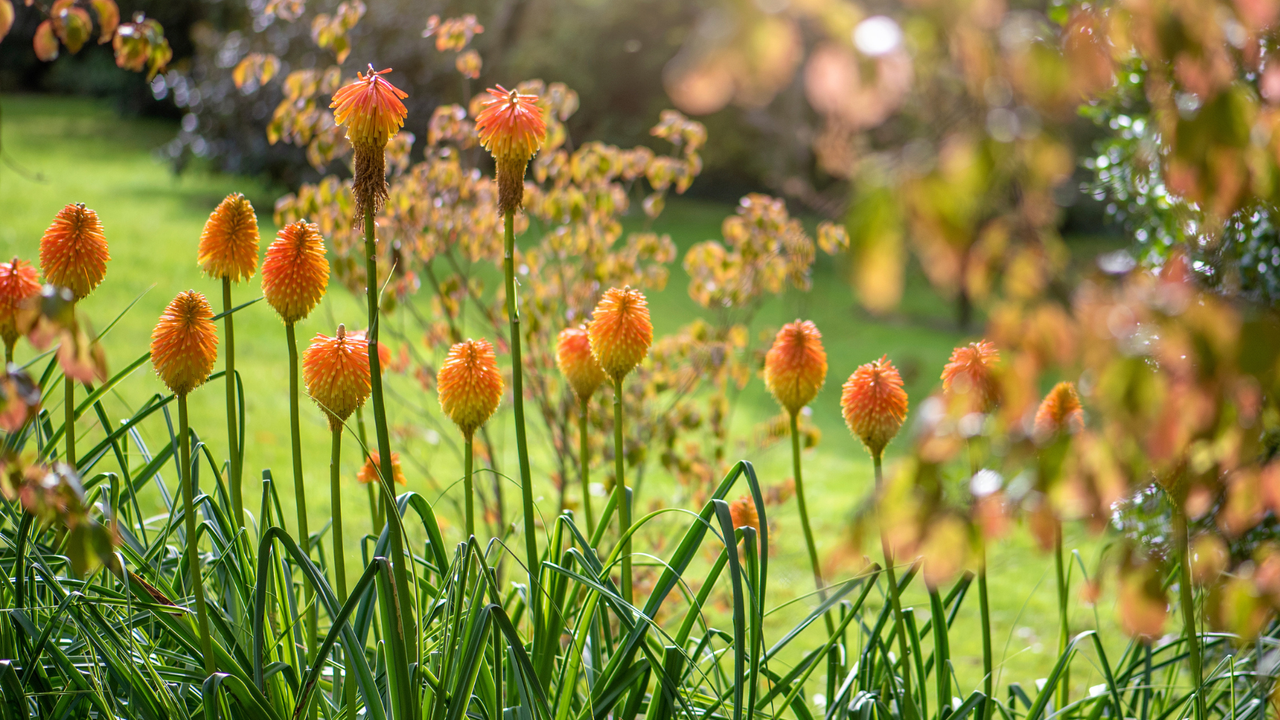
Perfect Timing for Planting in September
As summer transitions to fall, September becomes a gardener’s dream. The soil, still warmed by the summer sun and complemented by early autumn rains, reaches an ideal balance for introducing new plants. This month is particularly significant for gardeners as it offers a prime window for establishing roots before winter sets in, giving plants a head start when they wake in spring. At the forefront of your planting agenda ought to be spring bulbs. Available now, these jewels are particularly sought after, so buying early ensures you get the best selections. Bulbs serve as a vibrant and versatile addition to any garden, thriving in borders, containers, rock gardens, and even naturalizing in lawns. However, bulbs aren't the only stars of September planting. The opportunities are abundant, catering to various garden aesthetics and growth conditions. The options laid out below detail what to plant this month, setting you up for a colorful and lively garden come next spring.Nectaroscordum – The Elegant Allium
One standout choice for adding height to your borders is **Nectaroscordum siculum**, commonly known as Sicilian honey garlic. This unique allium diverges from the conventional round-headed flowers associated with the onion family; instead, it features umbrella-like structures of pale cream blooms, tinged with pink and garnished with green tips. Reaching nearly 1.2 meters when conditions are right, these plants continue to contribute to the garden's visual appeal long after flowering ends, with distinctive arrow-headed seed pods that rise elegantly from their sturdy stems. When it comes to planting, select a sunny location with well-drained soil, ideally enriched with compost or manure. Bulbs should be set at a depth two to three times their own height and spaced according to their size, preferably in odd-numbered clusters to avoid a uniform look. Gently firm the soil over the bulbs after planting and ensure they are watered adequately. With the proper care, you can expect stunning flowers by spring. Although they can be propagated from seed, be aware it may take six years for them to bloom.
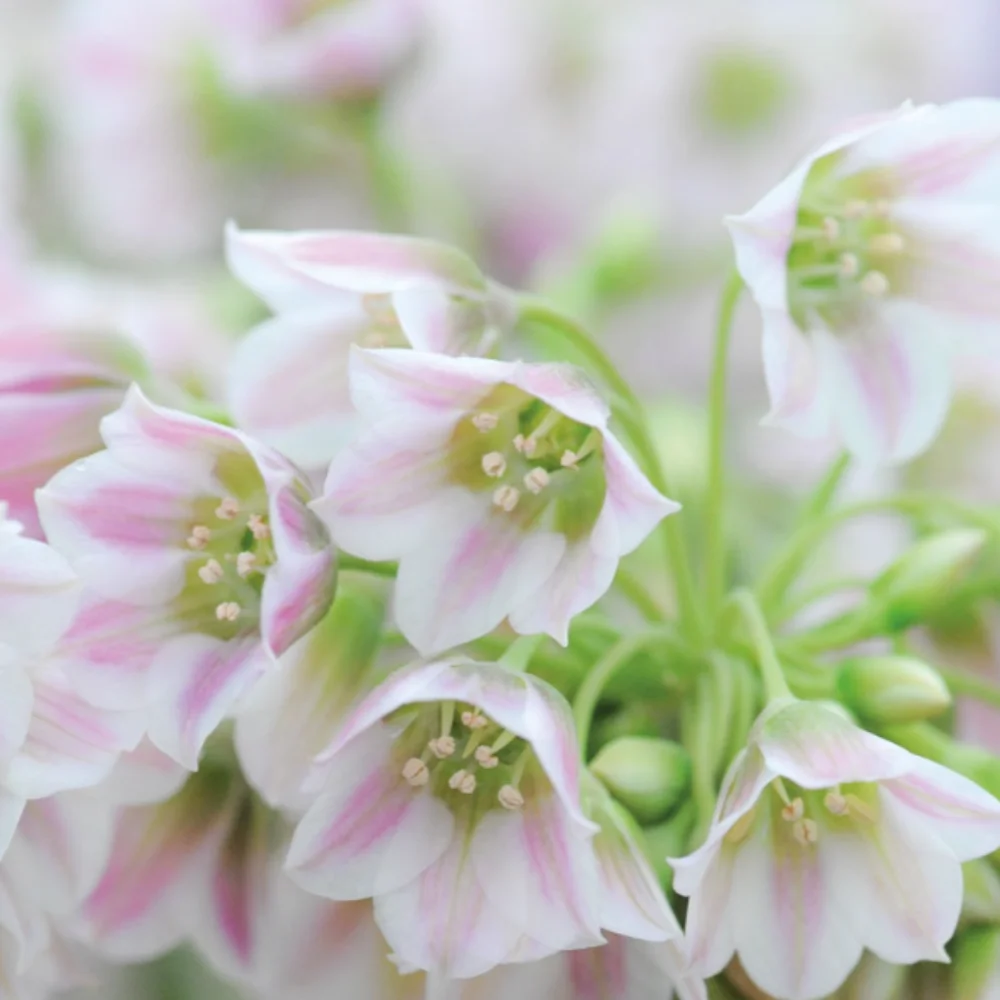
Hardy
Nectaroscordum Siculum
Perfect for cottage gardens, this beauty flowers in May and June, reaching 120cm in height with a spread of 10cm.
Red Hot Pokers for Late Color
Another must-plant for vibrant late summer color is the **Kniphofia**, commonly referred to as red hot pokers. While their classic varieties showcase vivid red blooms, you'll also find stunning yellow and cream options available. Their striking spires can elevate any garden border, and dwarf types work beautifully at the front of beds. To plant red hot pokers, dig a hole that matches the depth of the root ball, but make it wider. Incorporating well-rotted organic matter helps, especially in enriching your soil. Before planting, soak the root ball in water for about thirty minutes. When ready, ease the plant from its pot, free any circling roots, and place it in the prepared hole. Fill the surrounding space with soil and compost, firming gently to eliminate air pockets. After planting, water thoroughly and add a layer of mulch to help retain moisture. If you’re dealing with clay soil, it’s wise to break up the sides of your planting hole to improve drainage; otherwise, your newly planted roots could end up submerged in waterlogged conditions.
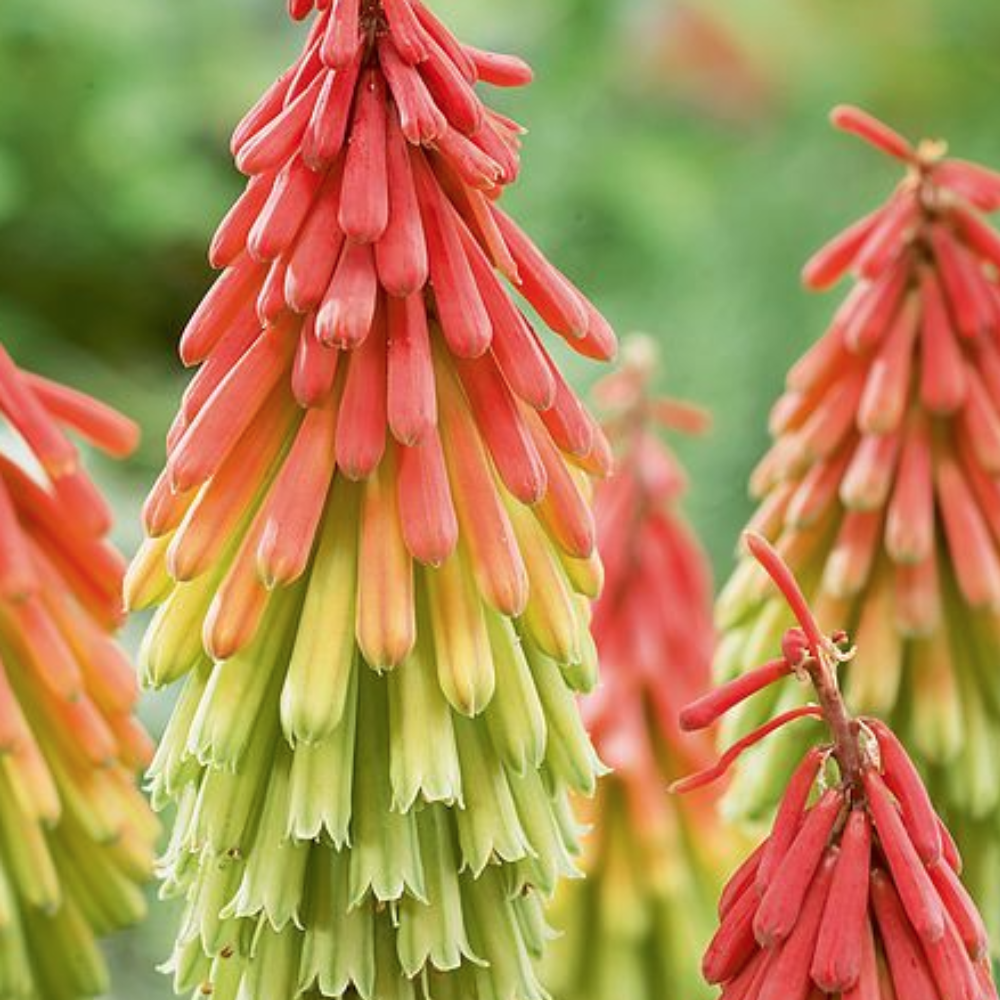
Low-maintenance
Red Hot Pokers
These vibrant plants grow up to 45cm tall, making a striking addition to any garden.
Embracing Sedum for Fall Foliage
For those who want to incorporate autumnal hues into their garden while also supporting local pollinators, **Sedum**, or stonecrop, is an excellent choice. This plant, often referred to as ice plant, boasts succulent leaves and flowers that bloom in various shades of pink, providing vital late-season nectar for bees and butterflies. Drought-resistant and low-maintenance, sedum thrives in sunny locations. To prevent issues with slugs and snails, consider surrounding young plants with a ring of wool pellets, which not only deter pests but also help retain soil moisture. Whether placed in a pot or at the front of a border, these hardy plants make for an eye-catching addition. When managing their growth, employing the “Chelsea chop”—where you trim back one-third of the plant—can keep sedum looking tidy while extending its flowering period.
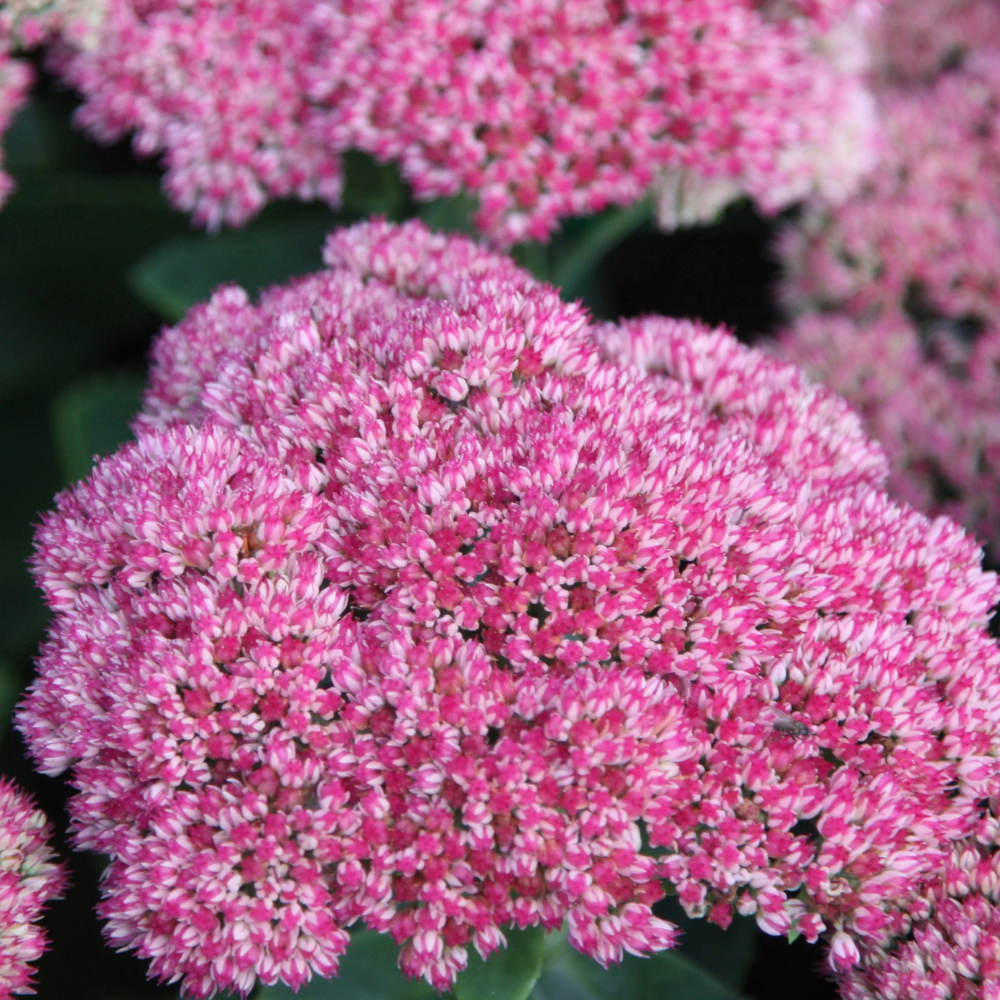
Hardy
Sedum
This pink-flowering plant blooms from August to September and comes with a five-year guarantee.



Discussion
Sign in to join the discussion.