Homeowners considering underfloor heating must weigh pet comfort. Expert insights reveal how to manage temperature for a harmonious household.
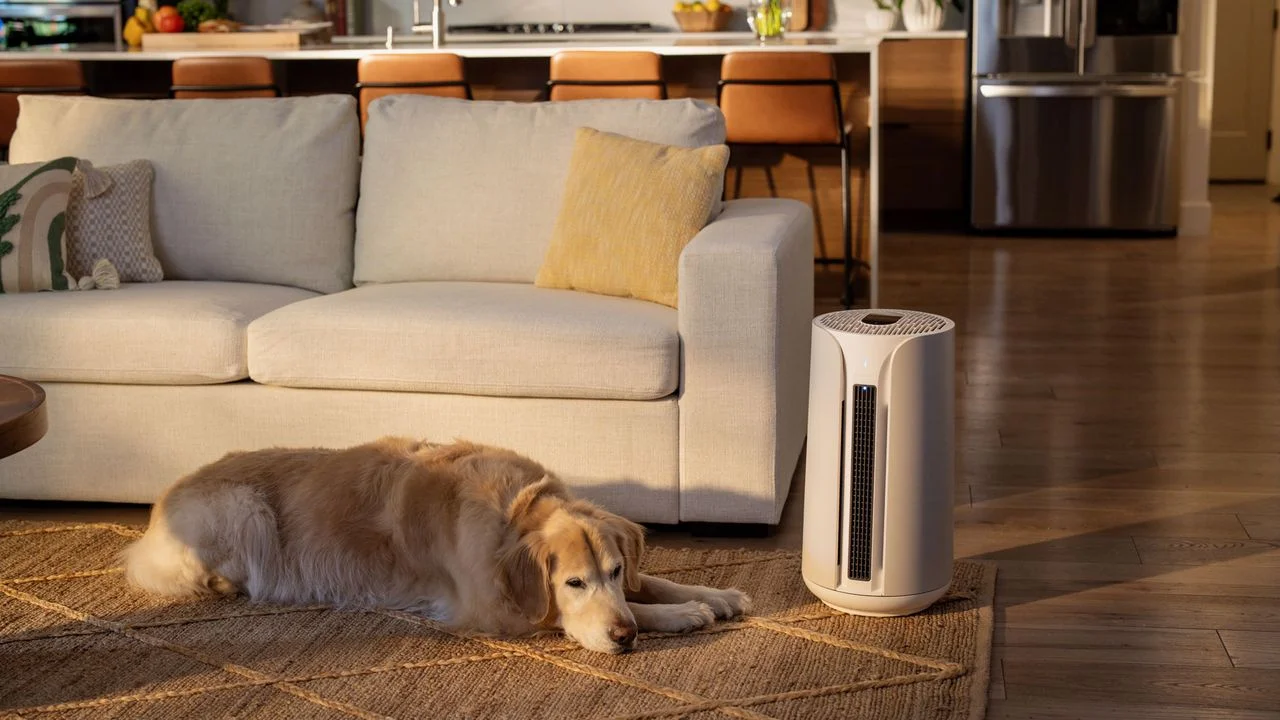
Sharing a home with pets can be a delightful experience; they provide companionship and joy. But it also comes with its unique challenges. During renovations, creating a pet-friendly environment should be a priority, especially with considered choices such as flooring and heating.
As I embark on another renovation and extension project, I’m determined to ensure that upgrades suit the entire family, both human and animal. Underfloor heating (UFH) is high on my wish list, having realized its potential benefits. However, I’ve witnessed my dog struggle to find comfort on heated surfaces, causing hesitation about its installation.
Underfloor Heating: Safe and Effective for Pets?
The chill in my current home becomes unbearable once summer fades, and while radiators serve a purpose, they fail to distribute heat efficiently. In this context, UFH shines as a superior alternative. However, knowing how my dog usually reacts—seeking cooler spots—is a significant factor in deciding whether to install it.
Veterinary expert Nicola Bryden offers valuable insights, particularly since my Labrador is on the older side. "Underfloor heating set at a comfortable ambient temperature can be beneficial, especially for older dogs. It helps alleviate muscle tension and stiffness associated with joint pain," she states. Other experts, including Dr. Sarah Endersby from Ceva Animal Health UK, support this view, noting that UFH disperses warmth evenly and mitigates cold drafts, which can be beneficial for pets lounging low to the ground.
Preventing Overheating: Design Strategies for Comfort
Even with these reassurances, my dog has a tendency to run warm, which raises concerns about UFH. To counter discomfort, several strategies can be employed. Wunda Group's Sam Jump highlights that the type of UFH system and temperature settings are critical. "Pets need the ability to escape to cooler spots," he says. Zoning capabilities in UFH allow varying temperatures in different areas, accommodating different needs.
Dr. Endersby adds that providing alternatives like raised beds or platforms can help pets regulate their body temperature naturally. It's essential to have fresh water readily available as warmer environments may increase hydration requirements for pets.
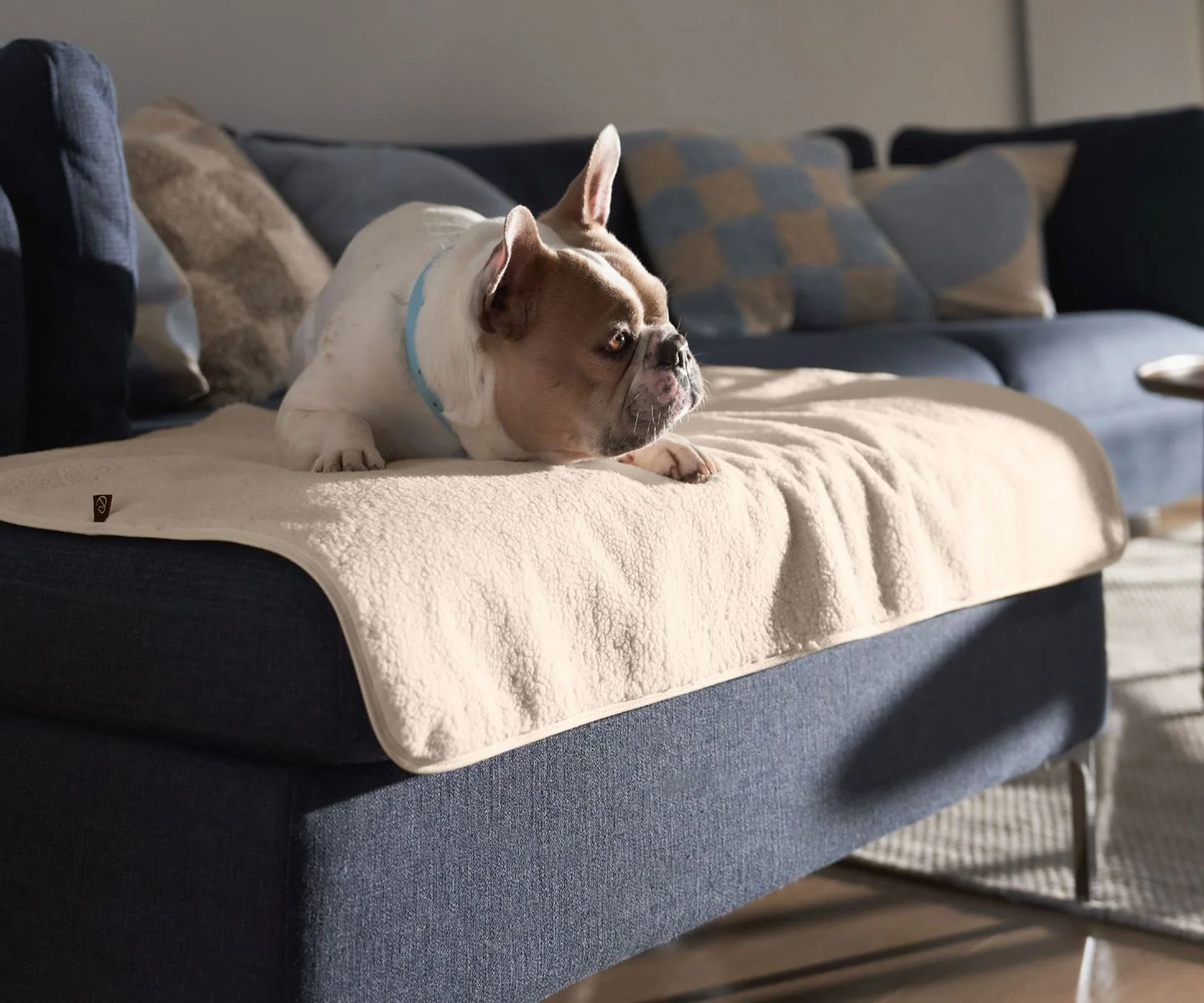
Cooling Options for Dogs
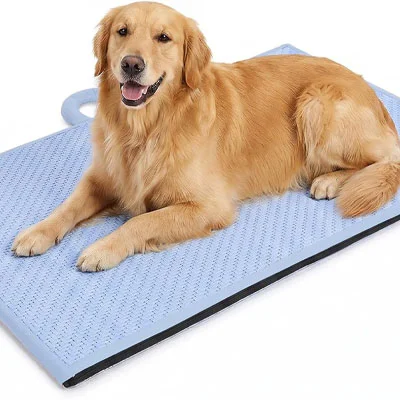 Cooling Mat
This cooling mat keeps pets comfortable during warmer days and is easily stored and cleaned.
 Raised Bed
This design provides airflow and elevation for dogs seeking a cooler resting place.
Comparative Safety: Underfloor Heating vs. Radiators
Despite my inclination toward underfloor heating, I explored whether traditional radiators might be a better alternative for pet comfort. Dr. Endersby warns that while generally safe, radiators can pose risks; they may reach temperatures that could cause discomfort, particularly for elderly or less mobile pets. Radiator beds can mitigate this risk for cats, allowing them to bask in warmth without direct contact.
It's strongly advisable to avoid placing beds directly next to an active radiator, as the potential for contact burns increases, particularly for animals unable to quickly move away.
Maintaining a Comfortable Environment
Forging a balance between heating and pet comfort is essential. Experts suggest having at least one cooler area in the home is beneficial. This allows pets to escape warmth when needed, catering to individual preferences. Rooms such as utility spaces or tiled areas can serve this purpose effectively.
Wunda's Rapid Response system exemplifies how modern UFH can be tailored to different rooms, ensuring some can remain cooler while providing overall warmth in common areas. This flexibility makes it easier to cater to the specific temperature preferences of various pets.
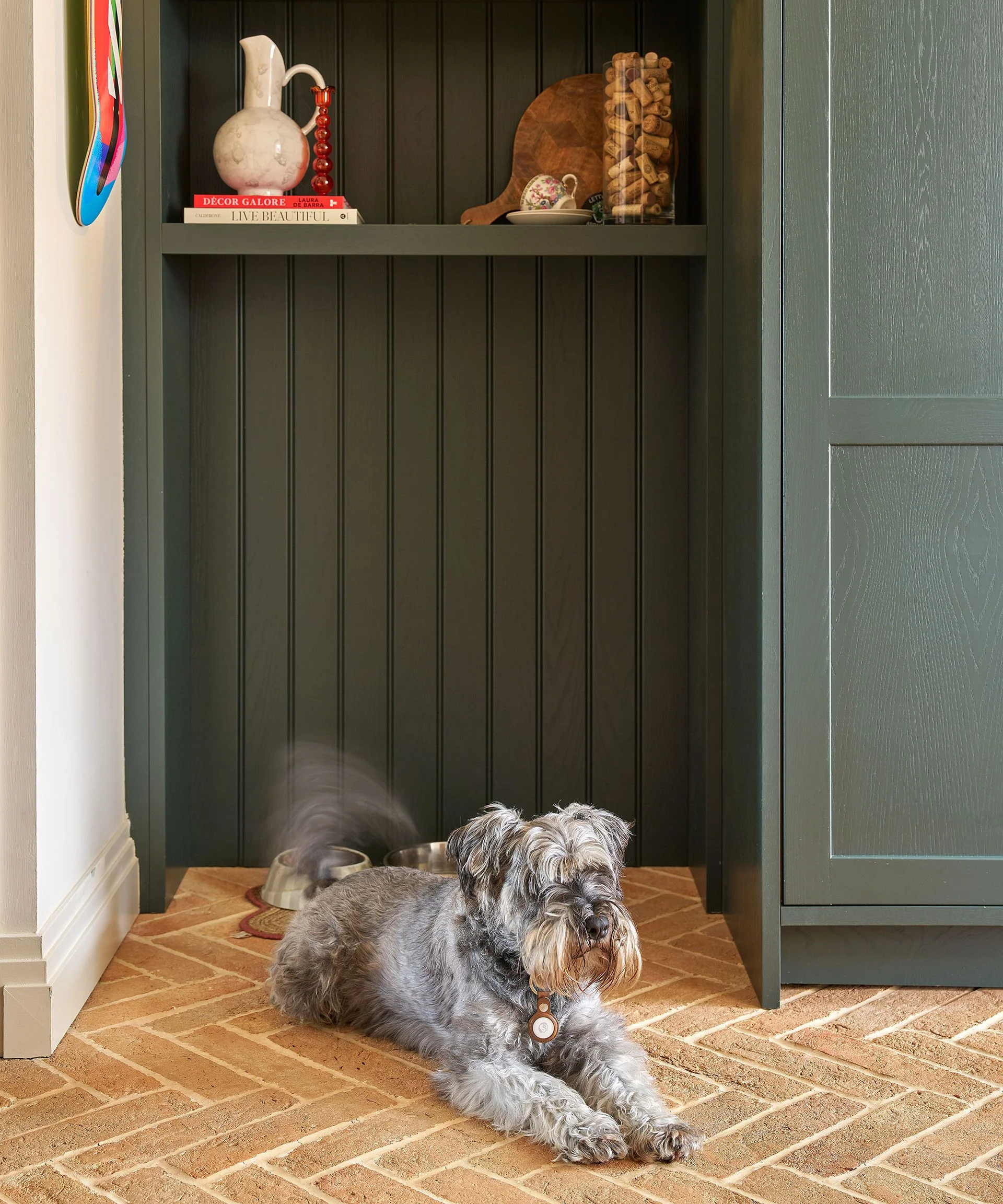
The Role of Flooring Choice
Flooring selections impact the effectiveness of underfloor heating. Suitable materials like tile and stone are excellent heat conductors and provide a comfortable resting place for pets in winter. Wooden flooring can also work well if durable types, such as oak or ash, are chosen to resist wear and tear from claws.
FAQs About Heating Preferences
Do cats prefer warmer temperatures?
While individual preferences vary, cats generally favor warmer environments compared to dogs. They thrive at higher temperatures and often seek out warmth. This can create a more harmonious living situation if both species have access to varying temperatures around the home.
Creating a living space that meets the diverse needs of both pets and humans is certainly possible. With thoughtful planning and careful consideration of heating solutions, it's feasible to design a home that's comfortable for every member of the family, whether they walk on two legs or four.


Discussion
Sign in to join the discussion.