Seal gaps around porch doors to reduce draughts and keep the hallway warmer. Check door fit, weatherstripping, letterboxes and keyholes.
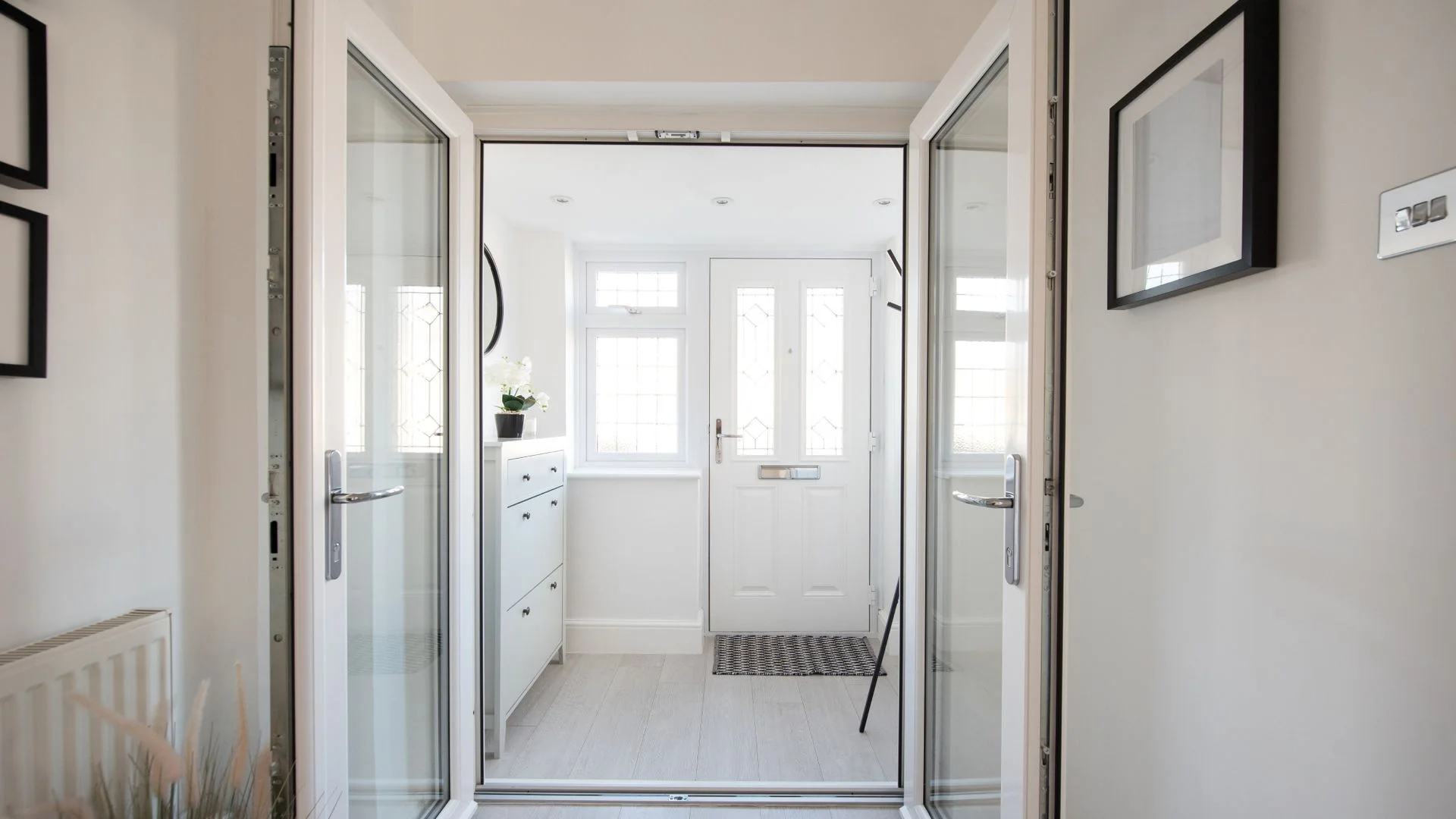
A porch only saves heat if it holds the cold at the door
A porch is supposed to act as an airlock: close the outside door before opening the one into the house, and the hallway keeps its warmth. But a leaky porch can do the opposite, letting heat escape and making the boiler work harder. Whether you already have one or are considering [porch ideas](https://www.homebuilding.co.uk/ideas/porch-ideas), the weak points are usually familiar. Start by finding where air gets through.1. The inner door doesn’t seal
The door between the porch and the house is the main barrier protecting the heated rooms. Nick Duggan, managing director of [The Radiator Centre](https://www.theradiatorcentre.com/), says a well-fitted door with effective seals can stop a cold porch chilling the hallway. Luke Burford, co-founder of [Compare Builders](https://www.comparebuilders.com%20), also recommends checking this door first if the porch isn’t heated. Rattling, a latch that needs a shove, or daylight around the edges are clues that the door isn’t closing tightly. Try tightening loose hinge screws or adjusting the strike plate so the door presses against its stop. If it catches on the frame instead, check [why doors stick in their frames](https://www.homebuilding.co.uk/windows-doors/5-reasons-why-window-and-door-frames-stick) before trimming the door. Mark Irving, building expert at [Build & Plumb](https://www.buildandplumb.co.uk/about-us-i1), recommends adding a draught excluder to keep warm air in. It can also stop a [draughty porch making the hallway feel cold](https://www.homebuilding.co.uk/rooms/hallway/is-my-porch-making-my-home-colder).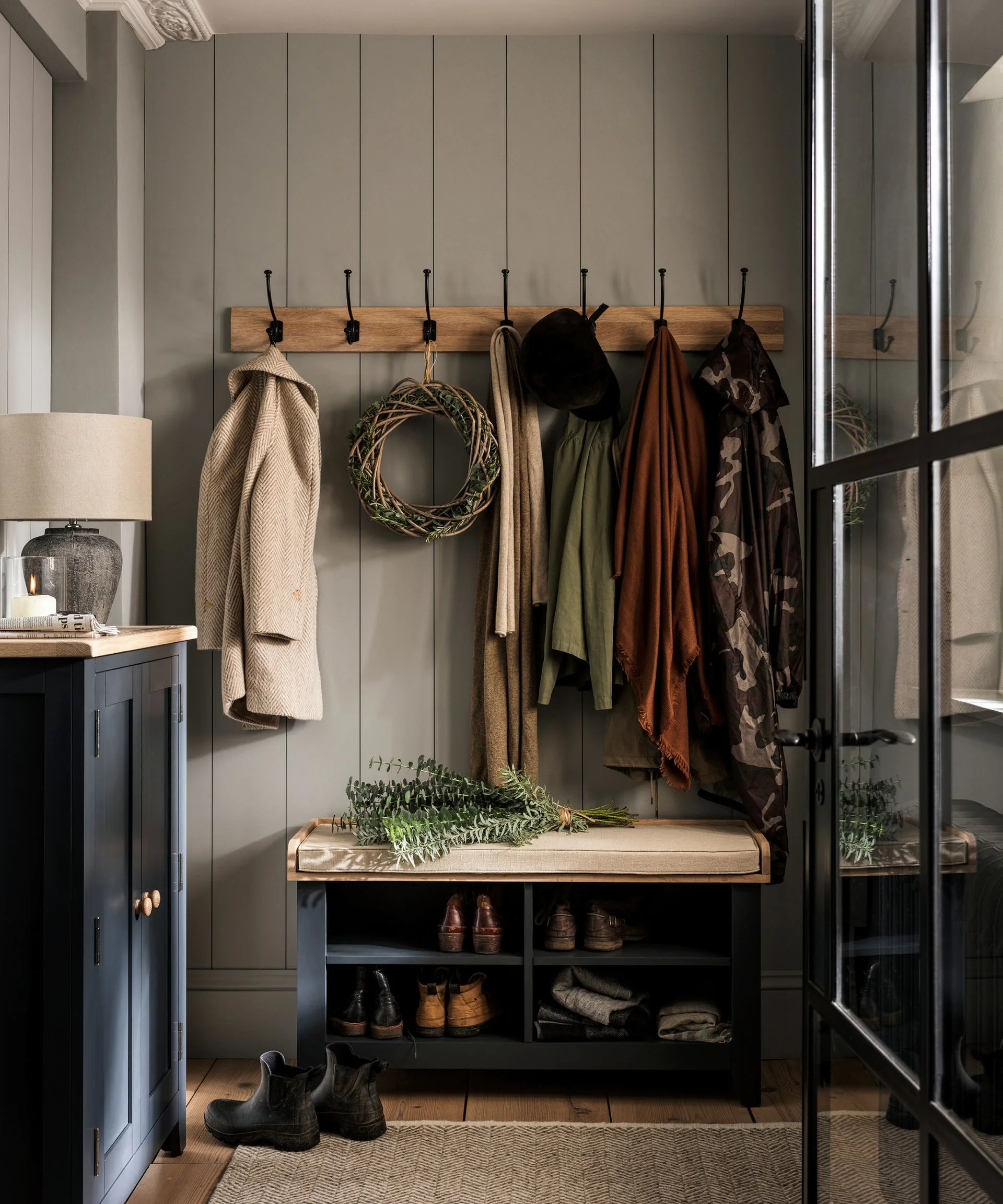
2. The outside door leaks
Even an unheated porch benefits from a well-sealed outer door. A tighter door keeps the air in the porch warmer, so less heat leaves the hallway when you open the inner door. If the porch is heated, or the original front door has been removed, the outer door is the only barrier between the heating and outdoors. Scott Godfrey, construction trade consultant at [Black Hammer](https://www.blackhammer.co.uk/), suggests checking older doors’ letterboxes and keyholes as well as their fit. Both can admit cold air. Look, too, for cracked or flattened rubber seals around the frame; these can often be replaced cheaply. There are other ways to [draught-proof a front door](https://www.homebuilding.co.uk/advice/draught-proofing-a-front-door) without replacing it. If the door is warped or worn out, an insulated replacement may be the more effective answer. [Front door ideas](https://www.homebuilding.co.uk/ideas/front-door-ideas) offer examples.3. There’s a gap under the door
A gap at the threshold can be a major route for heat loss. When warm air escapes, cold air moves in to replace it. Nick Duggan says even a small opening can matter, and that worn seals or a suitable draught excluder can make a noticeable difference. Try the paper test: close the door over a sheet of paper laid across the threshold. If you can pull it out easily, the door isn’t sealing firmly there. A screw-on brush strip works well on internal doors, especially where the floor is uneven. It’s a low-cost form of [draught-proofing](https://www.homebuilding.co.uk/advice/draught-proofing); a weighted fabric excluder can serve as a temporary fix.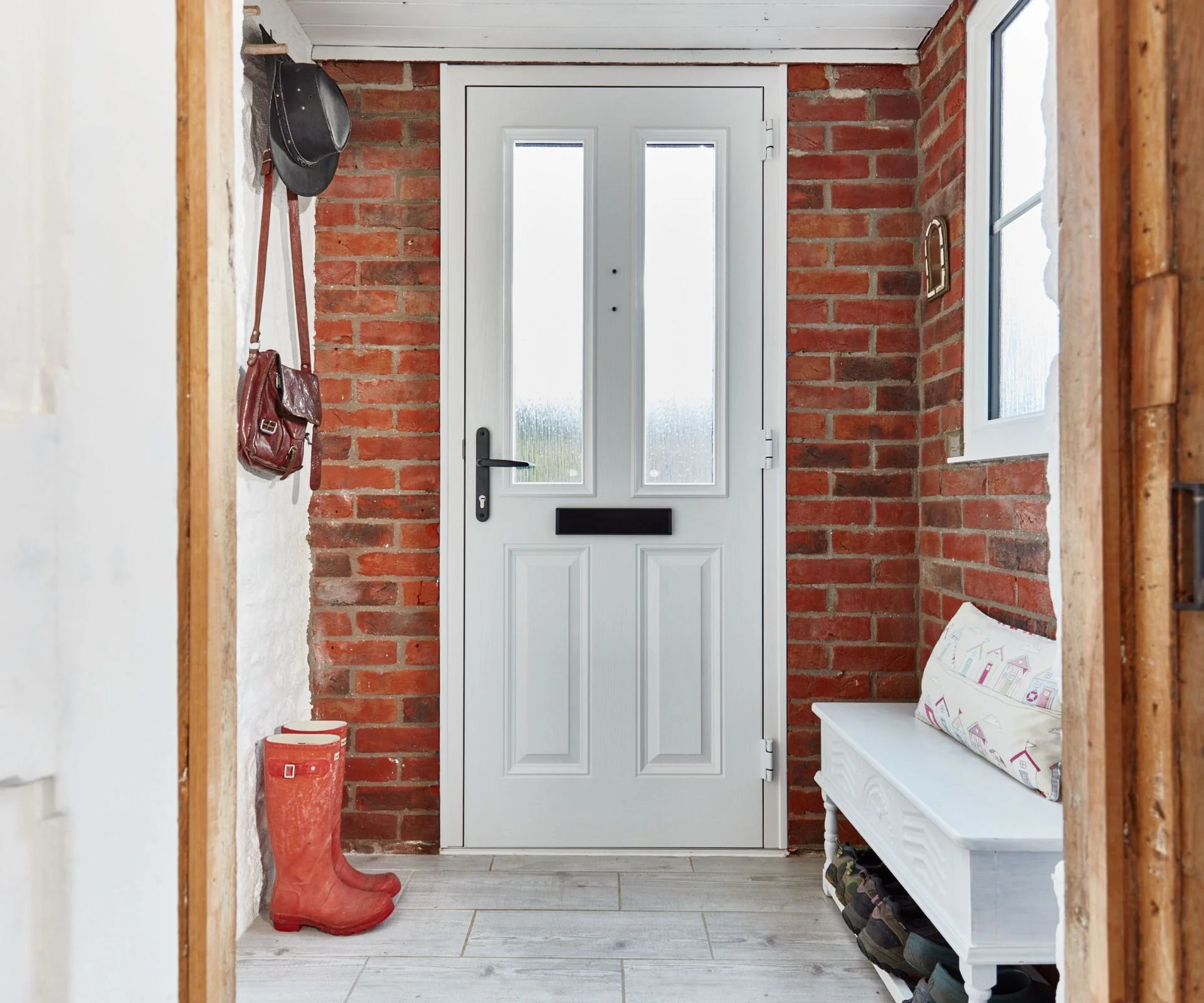
4. The frame has gaps where it meets the wall
Sealant between a door frame and the surrounding wall can shrink, crack or pull away over time. Scott Godfrey says those gaps may need filling with a suitable sealant. The damage can sit behind trim, so a quick visual check may not be enough. Remove the old sealant before applying a new bead, and use a flexible product rated for exterior use on the outside. Foam weatherstrip tape can also help seal opening porch windows. There’s a limit to how far you should go. Luke Burford advises sealing unintended gaps while leaving ventilation and drainage openings clear. Don’t block [trickle vents](https://www.homebuilding.co.uk/advice/what-are-trickle-vents) or drainage slots in window frames. Check for moisture before cutting down ventilation. Scott Godfrey warns that sealing a damp porch without dealing with the cause can lead to [condensation](https://www.homebuilding.co.uk/advice/how-to-solve-condensation), [damp](https://www.homebuilding.co.uk/advice/damp) and mould. If the glass is already wet most mornings, investigate [window condensation](https://www.homebuilding.co.uk/advice/window-condensation) before draught-proofing.5. The porch has single glazing
Single glazing loses heat quickly, particularly at night, says Mark Irving. How much that matters depends on what sits beyond it. If the porch is unheated and the inner door is sealed, the glass is less urgent. If the porch is heated or open to the hallway, it can become a significant weak point. There may be no direct effect on an Energy Performance Certificate. Robin Edwards, buying agent at [Curetons Property Finders](https://www.curetons.co.uk/), says an unheated porch that is properly separated from the house normally isn’t counted as heated floor area for [EPC](https://www.homebuilding.co.uk/eco-homes/energy/home-energy-model) purposes. Single glazing in that porch therefore won’t automatically lower the rating. If you do want to improve the windows, the options range from temporary to permanent: - **Thermal window film:** Shrink-on plastic film traps a layer of air. It’s inexpensive and removable, but best treated as a stopgap. [tesamoll Thermo Cover Window Insulating Film](https://www.amazon.co.uk/tesa-UK-Thermocover-Insulating-Transparent/dp/B0038JE7WW/) is one example. - **Secondary glazing:** Add a second pane inside the existing window. Magnetic DIY kits cost less; made-to-measure units can suit period homes where replacing the original windows isn’t practical. - **Replacement double glazing:** This is the most expensive route and the most effective of the three. It may make sense if the existing frames need replacing anyway. See [replacement window options](https://www.homebuilding.co.uk/advice/replacement-windows).
6. The porch connection is poorly insulated
A porch can feel cold even when its doors don’t have obvious draughts. Luke Burford says failed seals where the porch joins the house can let air through, while missing insulation at the roof, wall or floor junction can leave cold patches. These problems need different repairs; [insulation mistakes](https://www.homebuilding.co.uk/heating/insulation/insulation-mistakes) at the junction can be hard to diagnose by feel alone. A porch built over a concrete slab or unheated crawl space can draw warmth into the ground, Mark Irving says. Scott Godfrey adds that lightweight porch roofs may have very little insulation. Re-sealing the connection between porch and house, inside and out, addresses air leaks. Damp marks or mould along the joint can point to a [cold bridge](https://www.homebuilding.co.uk/advice/what-is-a-thermal-bridge). Depending on the structure, [insulation](https://www.homebuilding.co.uk/advice/insulation) can go under the floor, inside the walls or between ceiling joists. Larger jobs may need a builder. Poorly detailed junctions are among the [porch mistakes](https://www.homebuilding.co.uk/advice/porch-mistakes) that are easier to prevent during construction than repair later. If the original front door has been removed, Luke Burford says to assess the entire porch as part of the heated house. Heat may be escaping through its roof, walls and floor as well as the glass.7. An open porch can’t act as an airlock
Without a second door, an open porch can’t create a buffer between indoors and outdoors. The front door has to do all the work, so make sure it’s well fitted and sealed first. Robin Edwards doesn’t recommend enclosing an open porch solely to lower heating bills: the energy savings are unlikely to justify the cost. A few hundred pounds spent improving draught-proofing or replacing an inefficient front door may be a better use of the money. There can be other reasons to enclose a porch, including [storage](https://www.homebuilding.co.uk/rooms/hallway/porch-storage-ideas) or security. Before committing, compare the trade-offs of [enclosed and open porches](https://www.homebuilding.co.uk/advice/enclosed-vs-open-porch) and check [porch costs](https://www.homebuilding.co.uk/advice/porch-costs). Edwards’s view is that a porch can improve how you use your home, but may not pay for itself as an investment: a well-designed one can be a welcome addition, while a badly executed one can become an expensive mistake.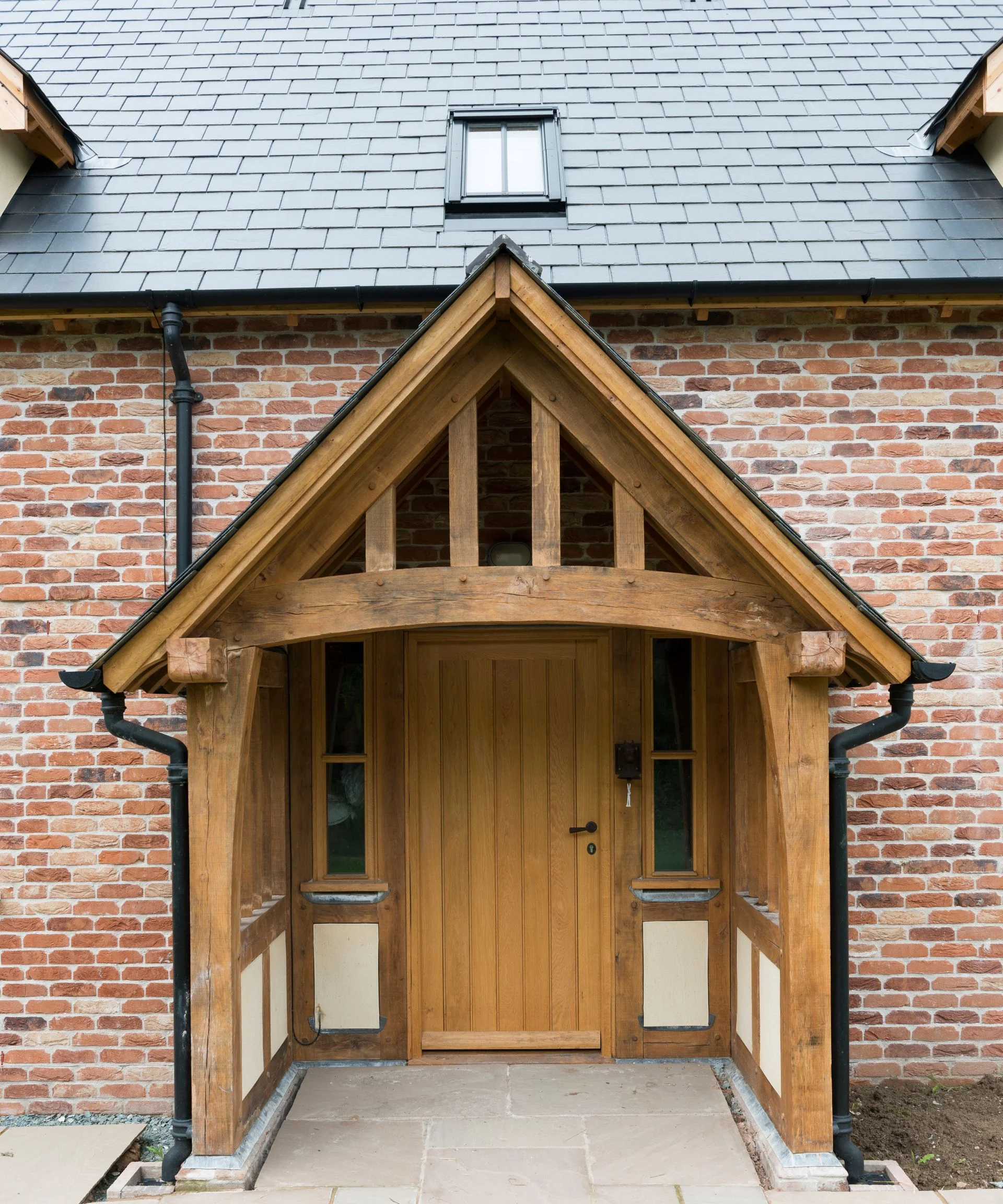



Discussion
Sign in to join the discussion.