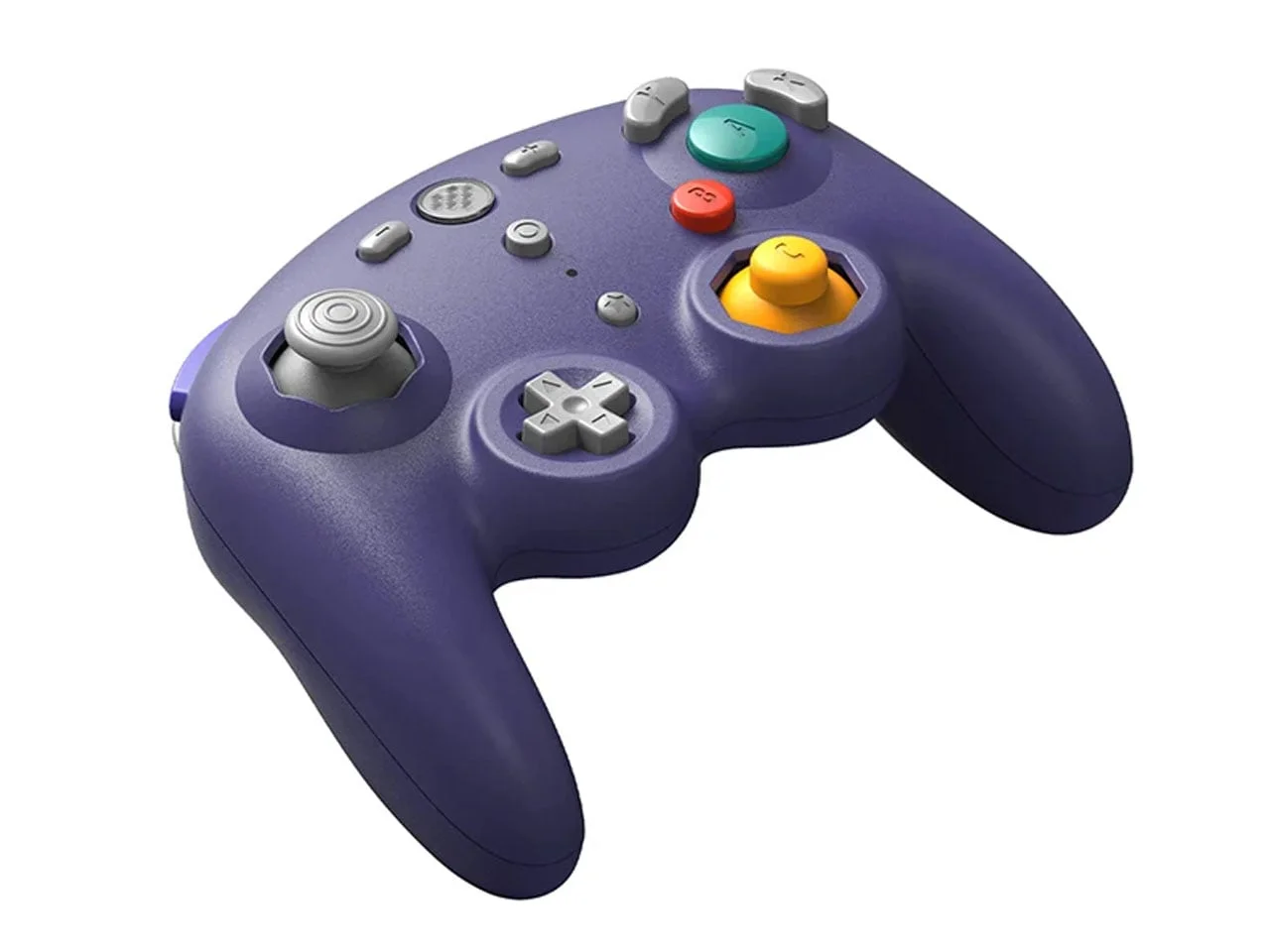
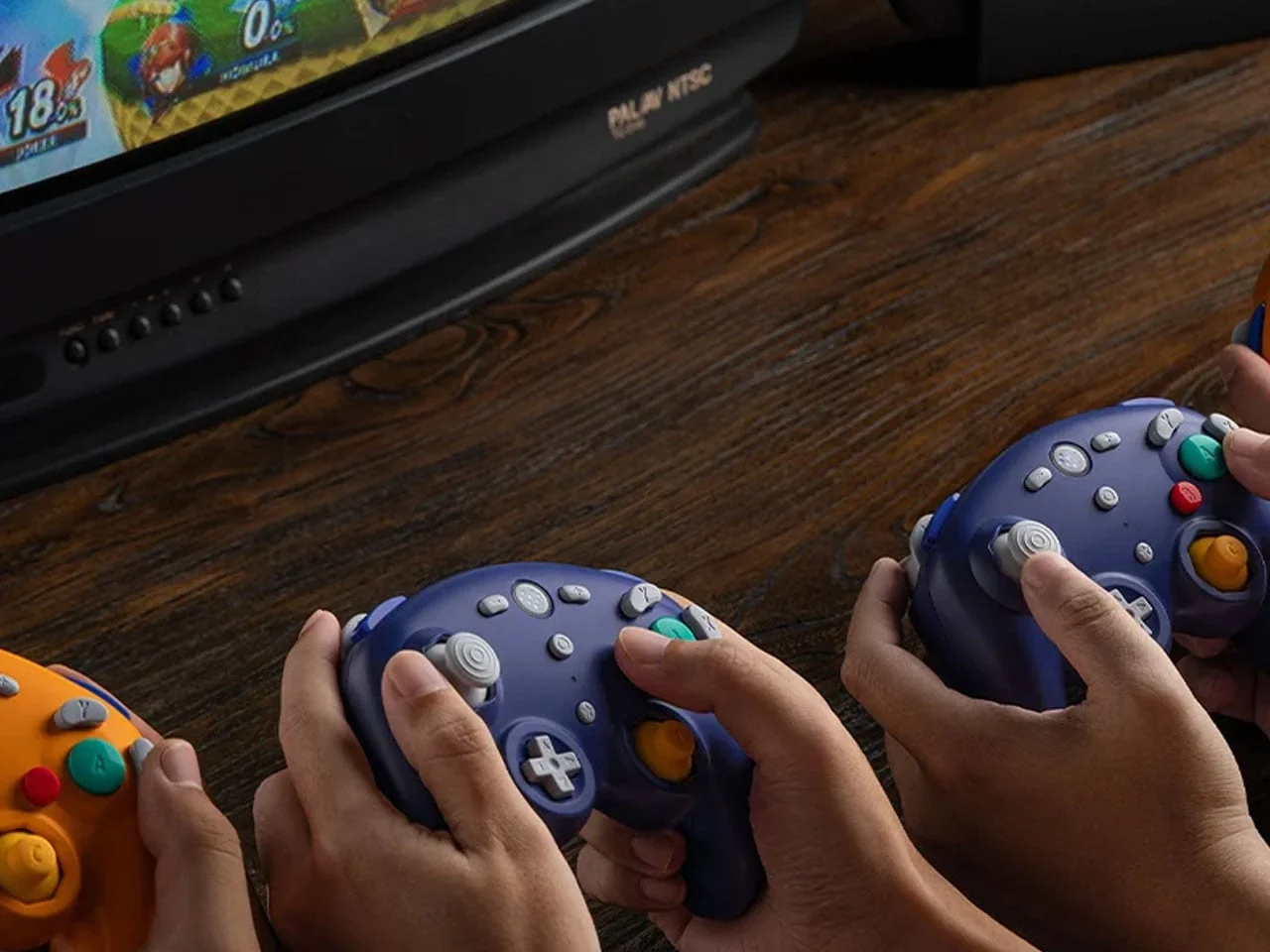
8BitDo's $49.99 GC Bluetooth Gamepad keeps the GameCube shape and layout while adding TMR joysticks, Hall Effect triggers, and Bluetooth, 2.4GHz, and USB-C connectivity.
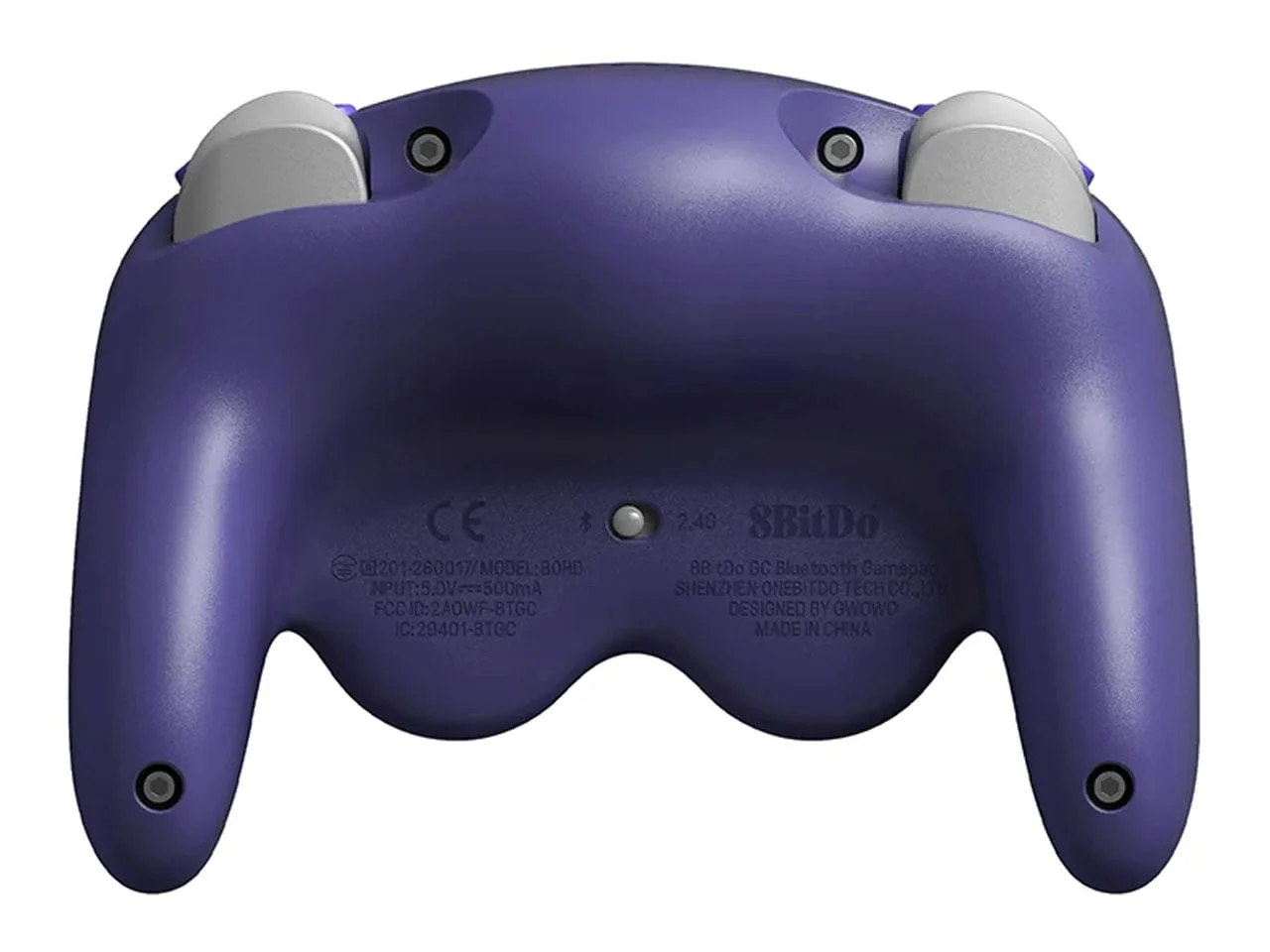
Nostalgia hardware usually asks you to give something up. 8BitDo's GC Bluetooth Gamepad mostly doesn't. It keeps the look of Nintendo's GameCube controller and puts modern joysticks, triggers, and wireless options underneath. That's a more interesting trade than most retro-styled accessories offer. Many of those pads are essentially a shell around a basic board, and the feel usually gives them away within minutes.
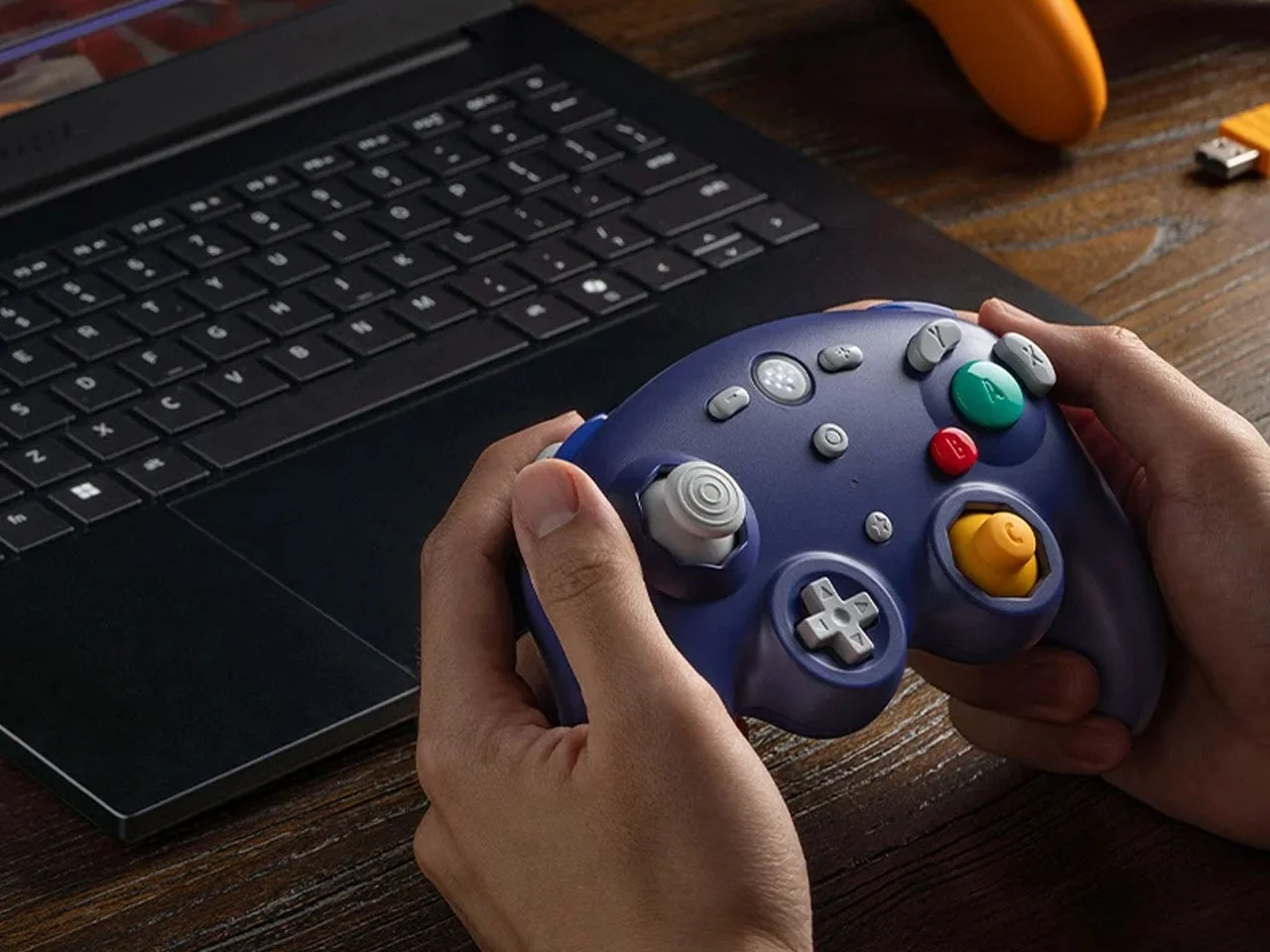
The sticks are where the real change is
Each stick uses TMR (tunnel magnetoresistance) sensing, paired with a 10-bit ADC sampling chip. The aim is precise input at lower power draw. The sticks still sit inside octagonal gates, so the eight-direction movement GameCube players know is intact. That matters for fighting games like Super Smash Bros., where a sloppy diagonal can cost you a match. Anyone who spent years on the original stick knows how much a wobbly gate or a wandering stick can wreck a session.
Here's where I'd temper the enthusiasm a little. The case for magnetic sensing is mostly about wear, not raw responsiveness. TMR also resists stick drift better than potentiometer designs, which have long been the weak spot in analog sticks. Potentiometers depend on physical contact that degrades over time, so a design that senses movement without that contact has a clear durability argument. That said, drift resistance is hard to prove from a spec sheet, and you won't know how it holds up until the pad has been through a long stretch of hard use.
Triggers, D-pad, and rumble
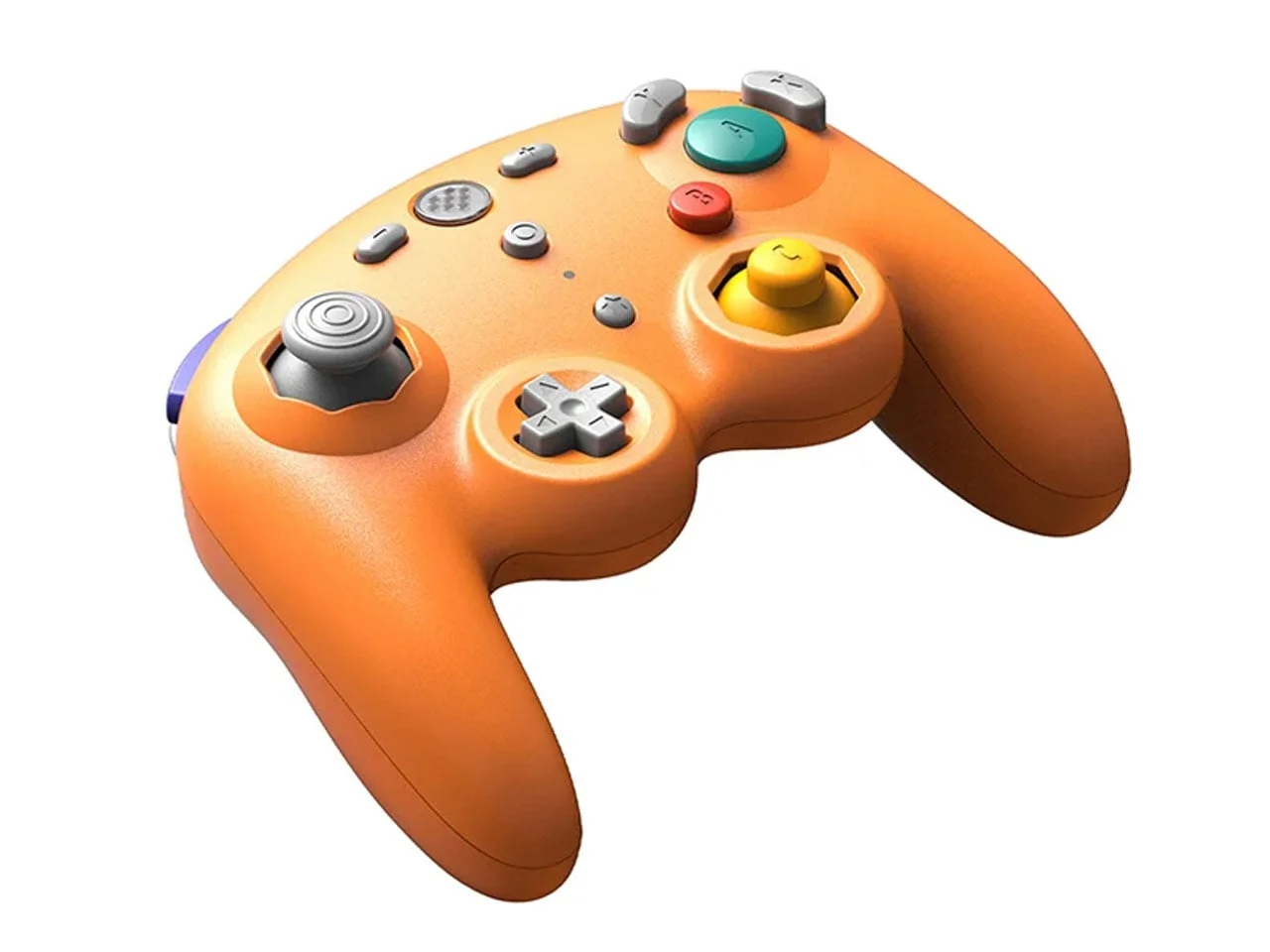
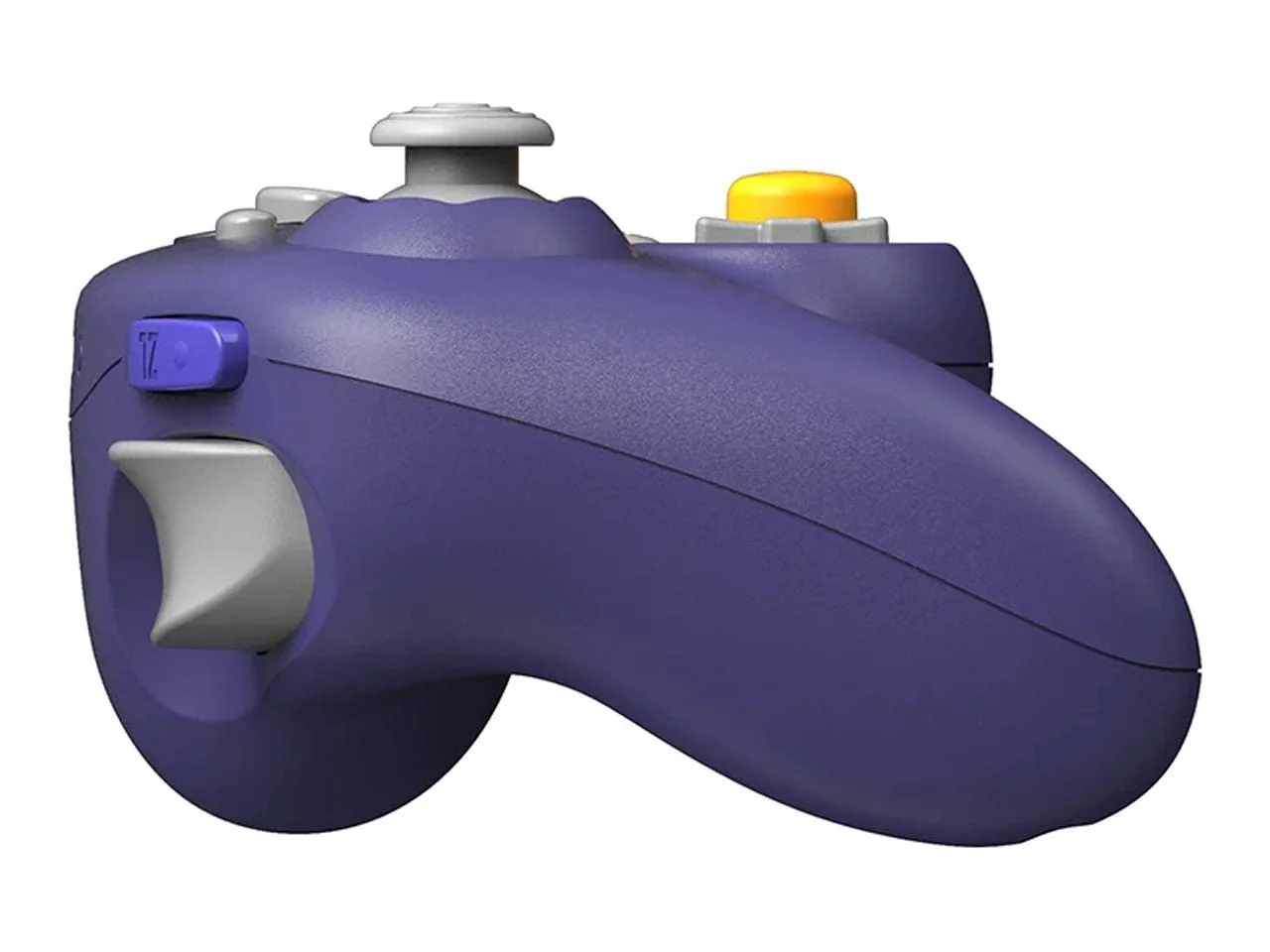
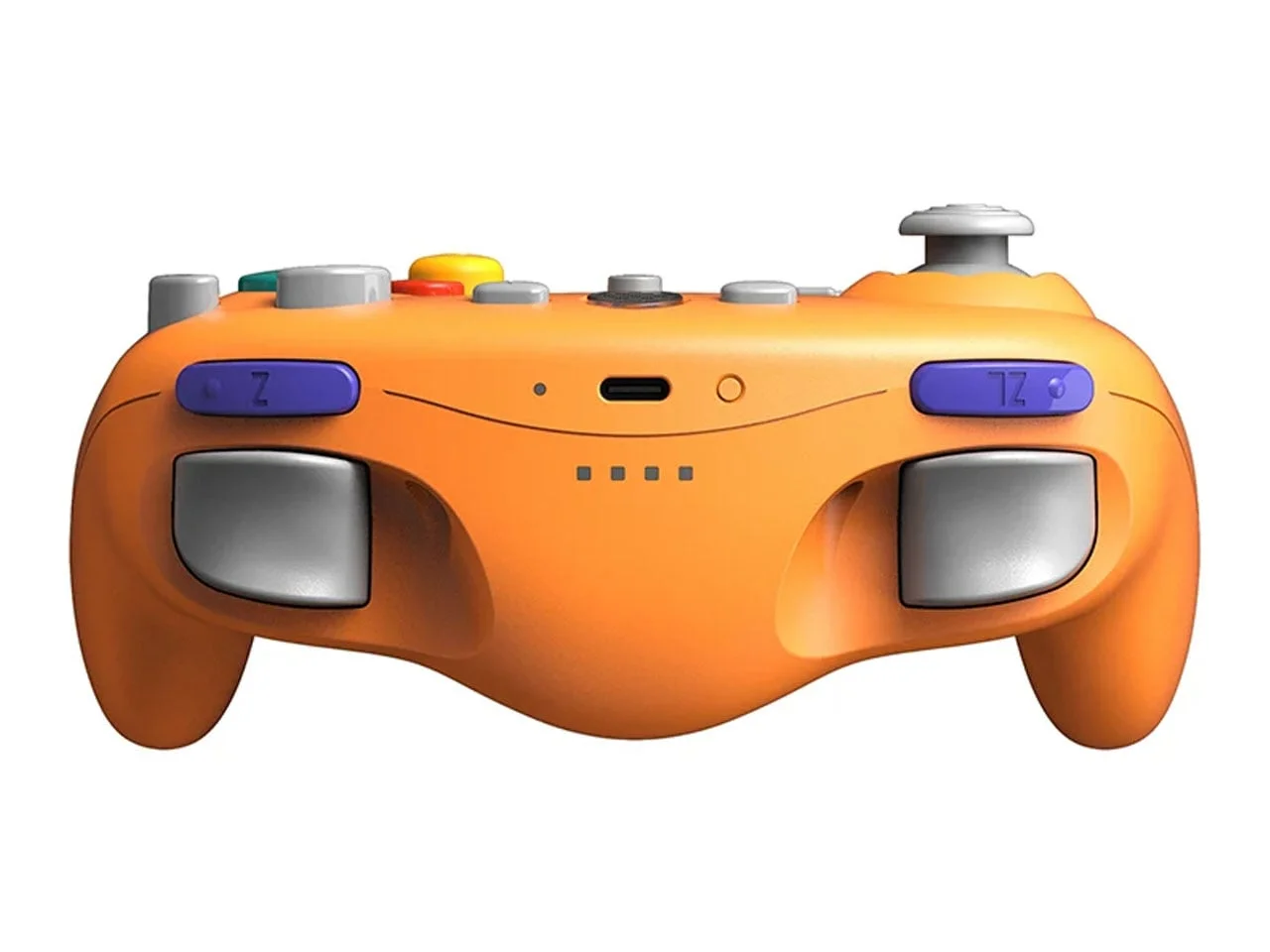
The triggers get the same treatment. They're Hall Effect linear triggers with springs, which gives smooth travel, steady resistance, and a cushioned stop at the bottom of each press. Hall Effect sensing works on a similar principle to the magnetic sticks: a magnet moves relative to a sensor, and nothing physically rubs against it. A symmetrical Z and ZL arrangement adds a control the original never had, which makes the pad more practical for modern titles. That's a deliberate departure from the source material, and it's one purists may not love.
The D-pad is cushioned, and a single-rotor rumble motor aims to recreate the feel of the original's feedback. I'd be cautious about expecting an exact match. Single-rotor motors are generally simpler than dual-motor setups, so they tend to be better at broad buzzes than fine texture. Whether it lands close enough is something you'll only decide by feel, which is exactly why hands-on time beats a spec list.
Connectivity covers three modes
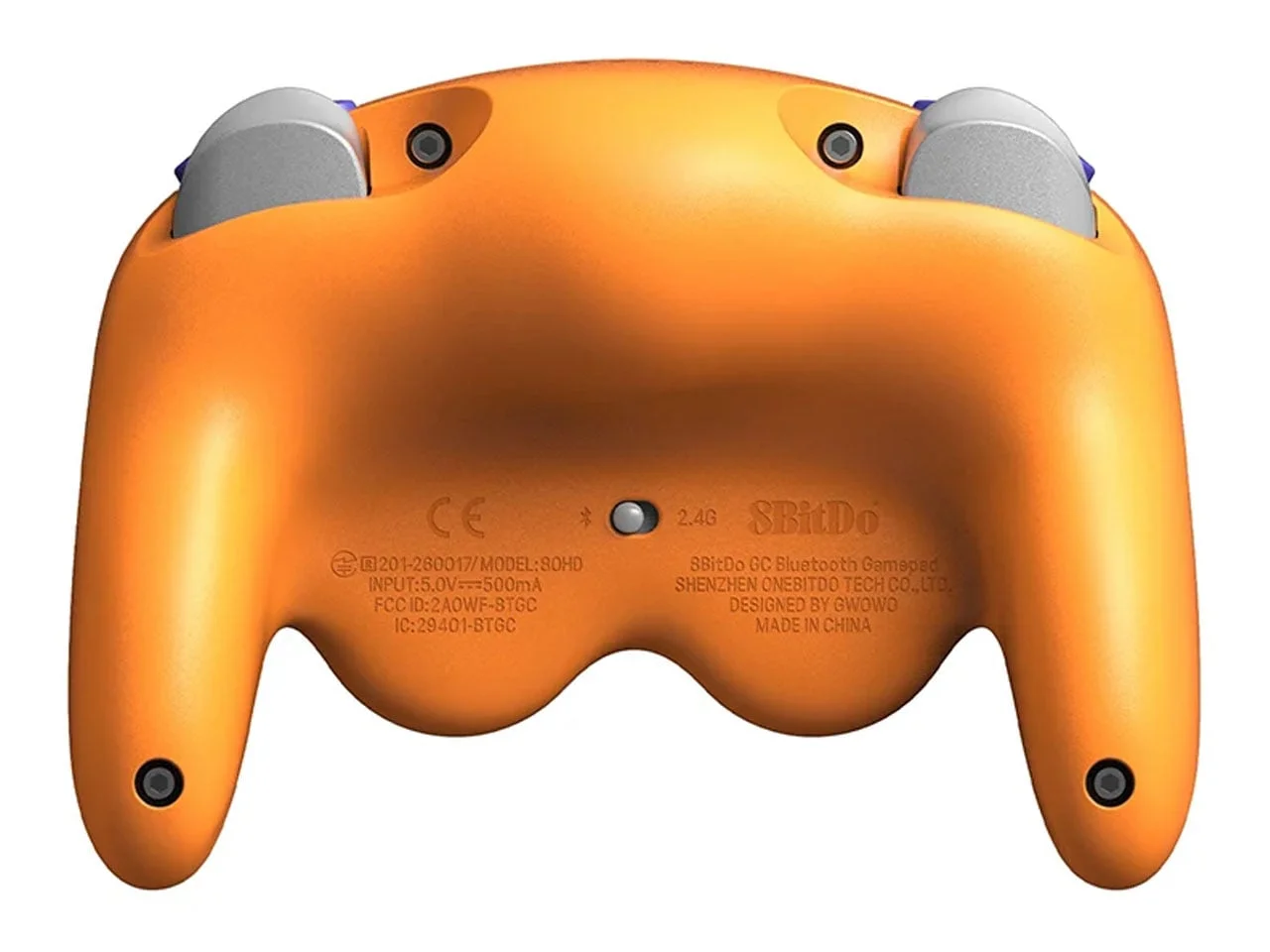
The pad supports Bluetooth 5.0, 2.4GHz wireless through an included USB receiver, and wired USB-C. It works with Nintendo Switch, Switch 2, and Windows PCs. Bluetooth runs on Switch consoles, while 2.4GHz and USB-C work with both Switch and Windows. If you still own a GameCube, the separately sold 8BitDo Retro Receiver lets you use the controller on that hardware too.
If you're mostly playing on a Switch, Bluetooth is the route most people will reach for first, since it frees up a USB port. For latency-sensitive play on a PC, a dedicated 2.4GHz receiver generally has an edge over Bluetooth, and wired USB-C is the most predictable option of the three. The source doesn't include latency measurements, so treat that as general reasoning rather than a tested result.
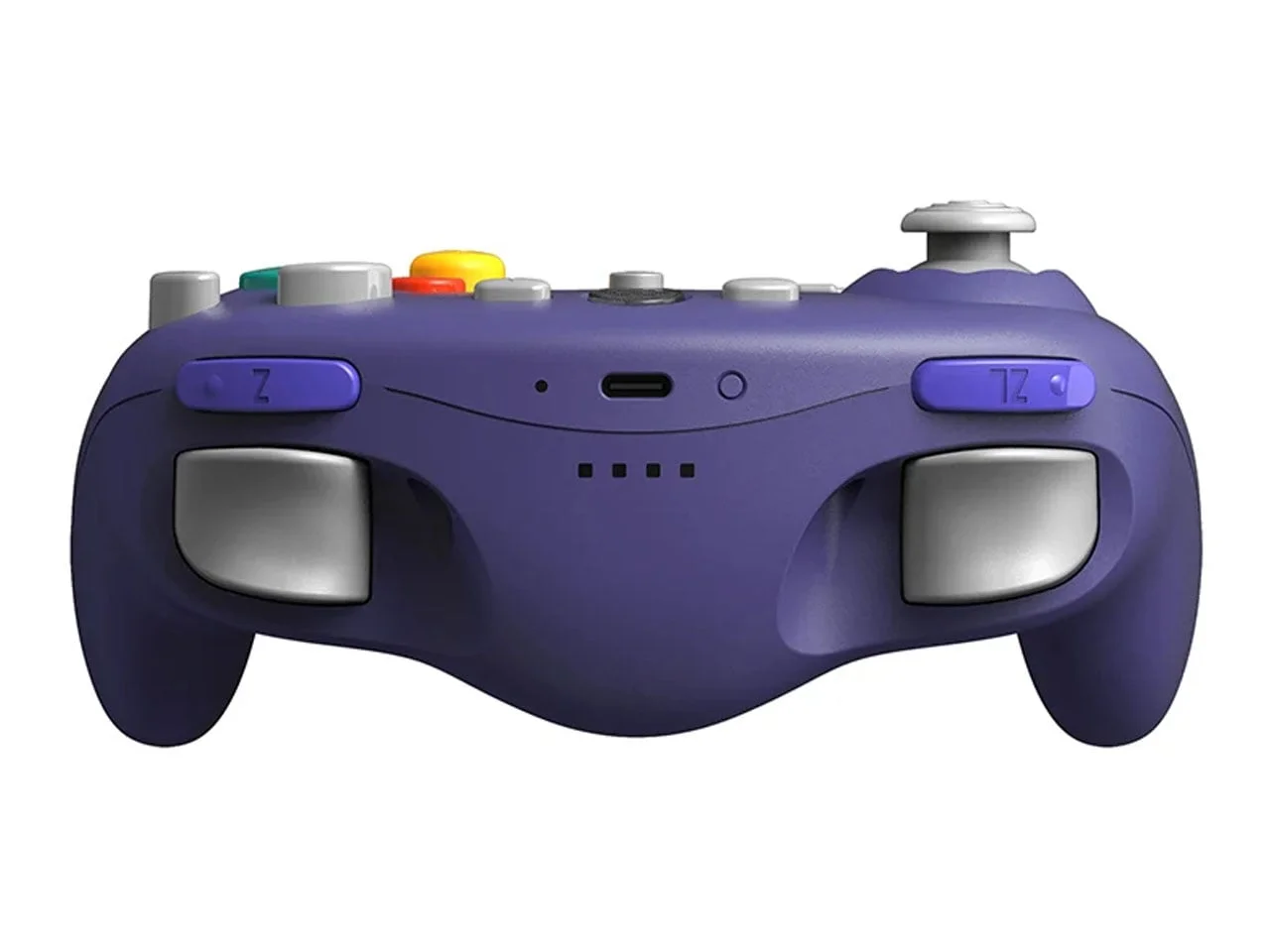
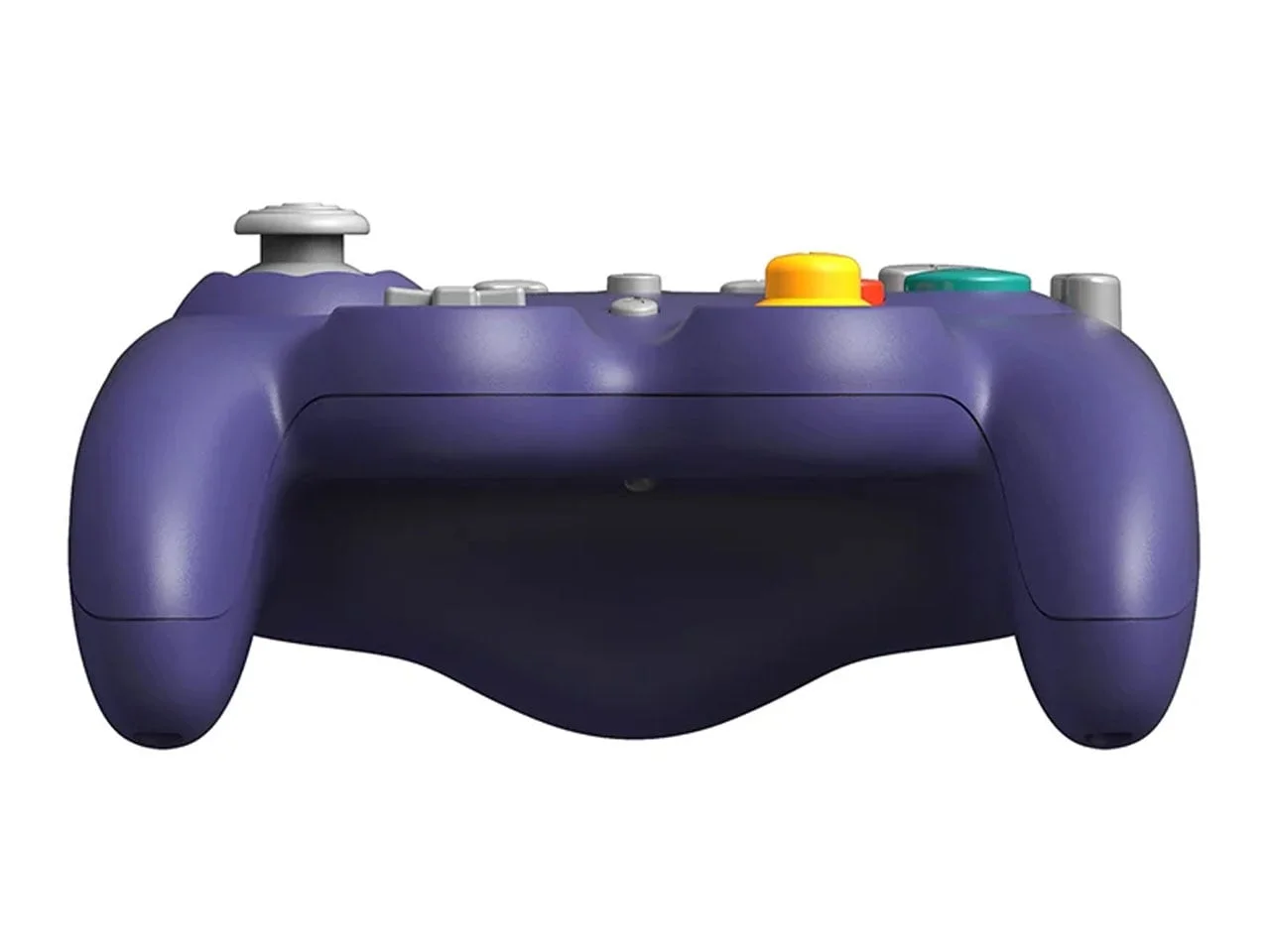
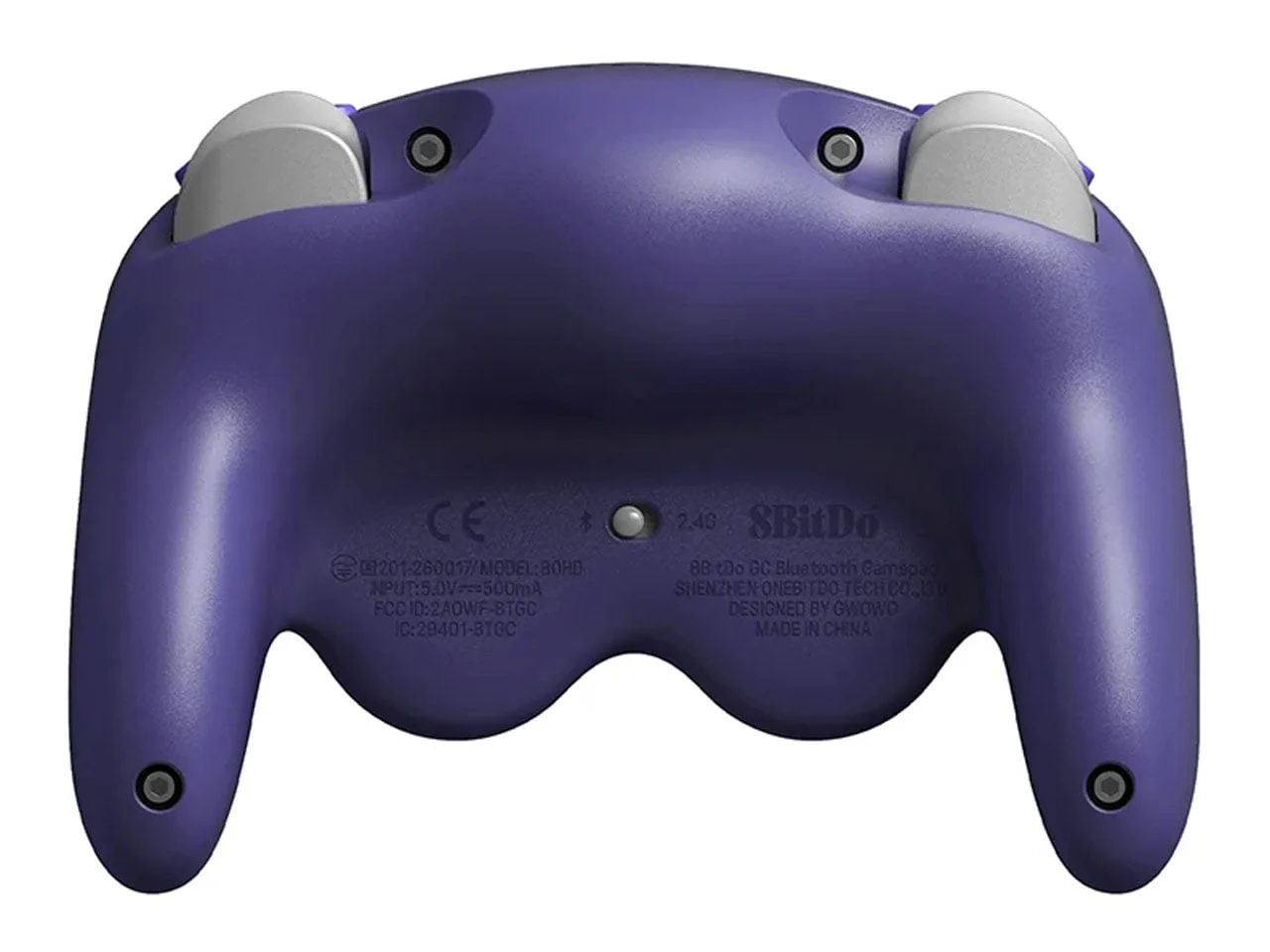
Extras include a dedicated Capture button for screenshots and recording, a Turbo function, and support for multiple gamepads connected at once. At 140.1 × 102.95 × 67.6mm and 218.1g, it stays compact despite the added hardware. Packing that much into the original's shape (and this is the part most people overlook) is harder than it sounds. The shell has to hide all of it while still feeling light and balanced in your hands.
Price, availability, and what it isn't
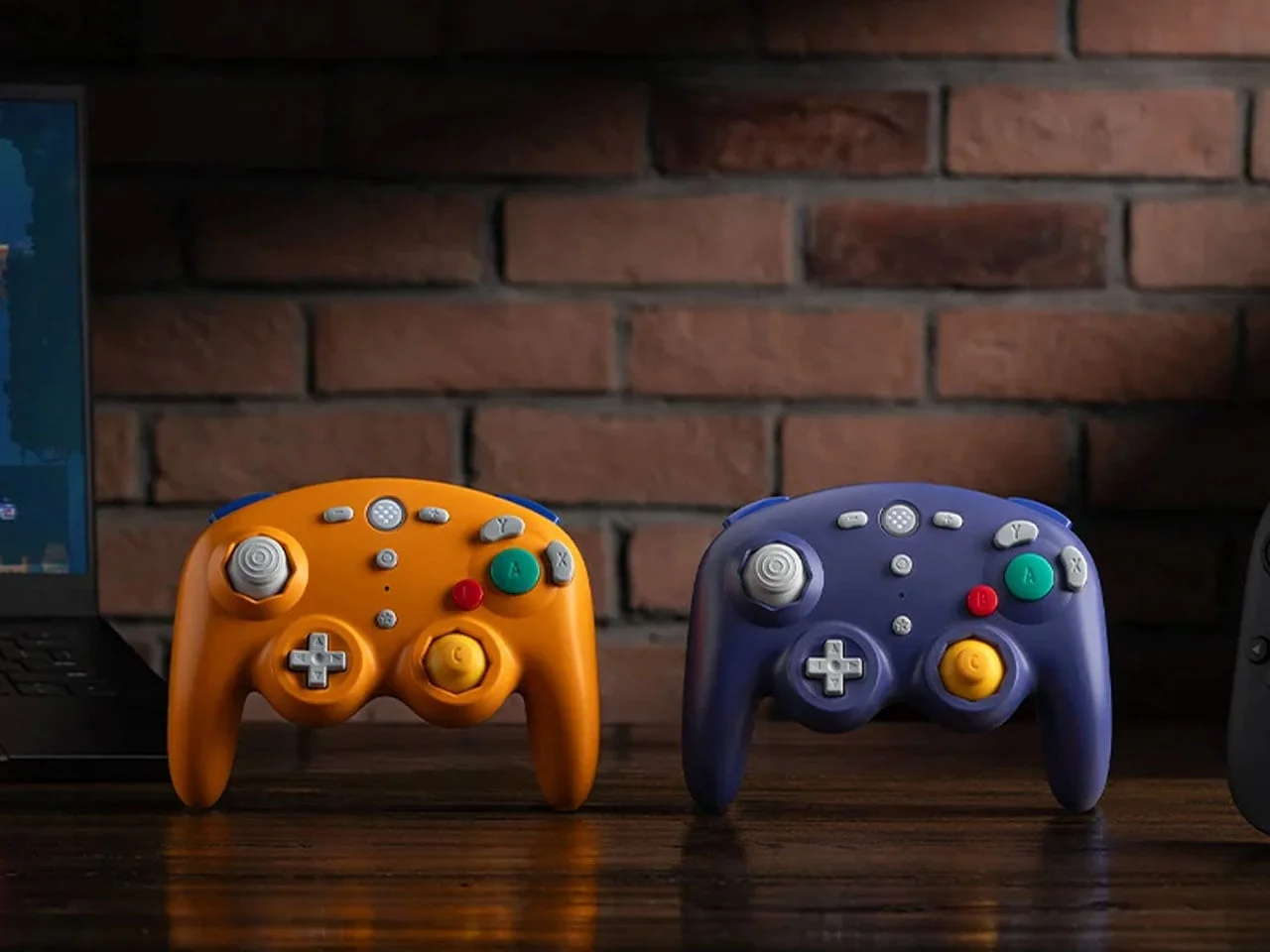
The GC Bluetooth Gamepad costs $49.99 in Orange or Purple and is sold through 8BitDo's official online store. Pre-orders are open, with shipping set to begin on December 10, 2026. Pre-orders always carry some uncertainty about timing, so it's worth checking the ship date before you commit. The price sits in the range where a mistake is annoying rather than painful, which is one reason this is an easier purchase to justify than a premium peripheral.
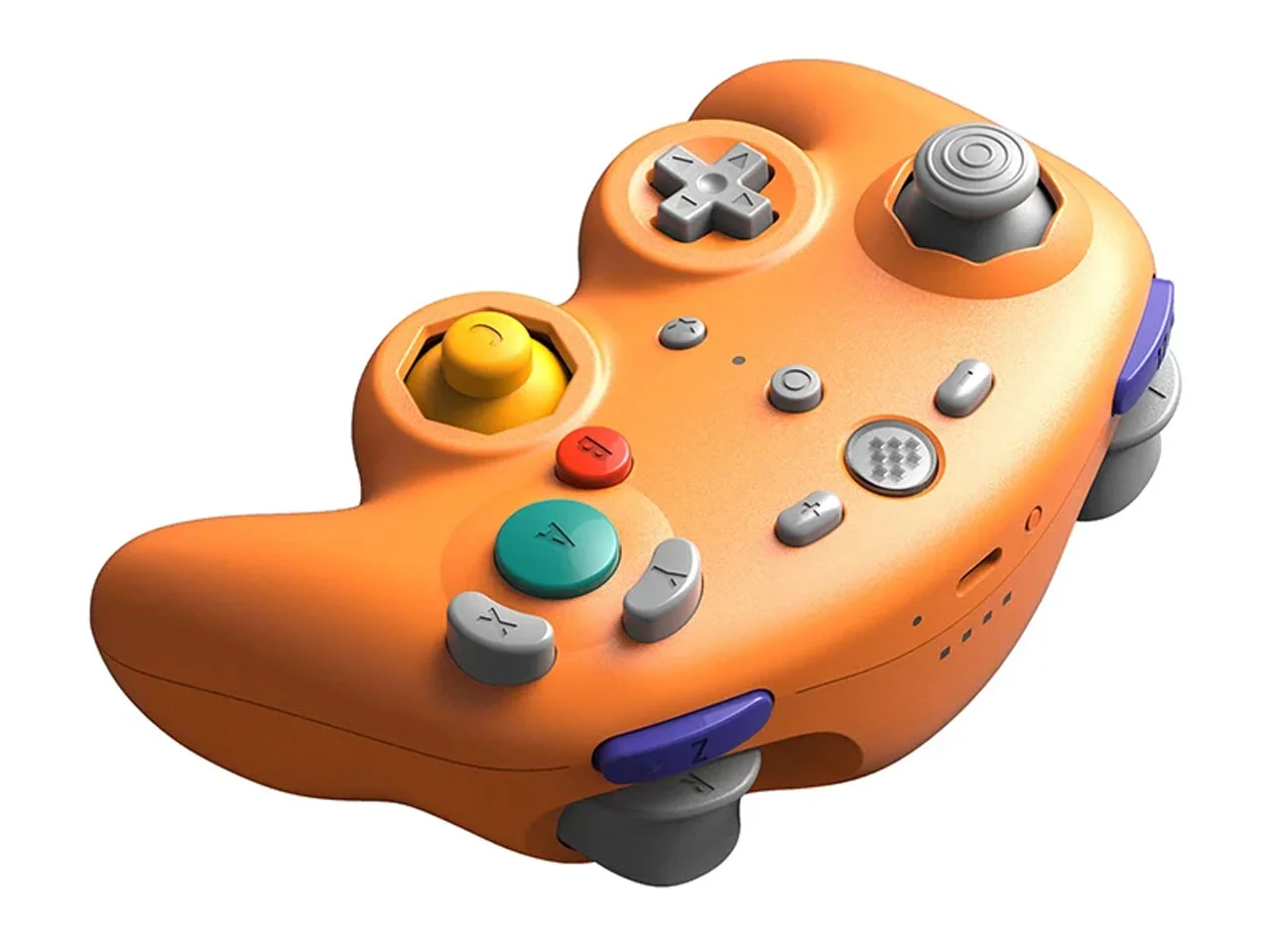
This isn't a perfect replica. The shape and ergonomics differ from the original, and that's a fair trade for what's underneath. Here's the thing: if you want the GameCube look with sticks that resist drift and a wireless option that works on current consoles, this is a serious candidate. The real test is months of Smash sessions, which no product photo can tell you. Pictures sell the silhouette, but your hands decide whether you keep reaching for it.
What this means for retro accessories
Here's what I think this says about the wider retro-accessory space. Pads that lean on nostalgia have traditionally been judged on looks first and function second. This one flips that order, using the shell to sell the memory while the internals do the heavy lifting. That's a sensible division of labor, though it raises the bar for anyone who tries the same approach next.
If you're working in this space, whether as a reviewer, a retailer, or a collector, the real question is whether buyers will accept a slightly different shape in exchange for better components. My read is that many will, provided the pad feels right in the hand. Nostalgia gets people to look, but feel is what keeps them using it. The fact that the main compromise here is ergonomic rather than mechanical suggests the maker is betting heavily on that trade-off.
What this means for you depends on what you play. Switch owners who want the look get a practical wireless option, and GameCube owners get a path to a modern pad without relying on aging hardware alone. Don't expect a revolution. Expect a well-executed take on a classic, with the final verdict hinging on the hands-on details a spec sheet can't capture.
Discussion
Sign in to join the discussion.