Autumn is the perfect time to inspect your roof. From tiles to gutters, here are seven critical checks to ensure your roof remains in top condition.
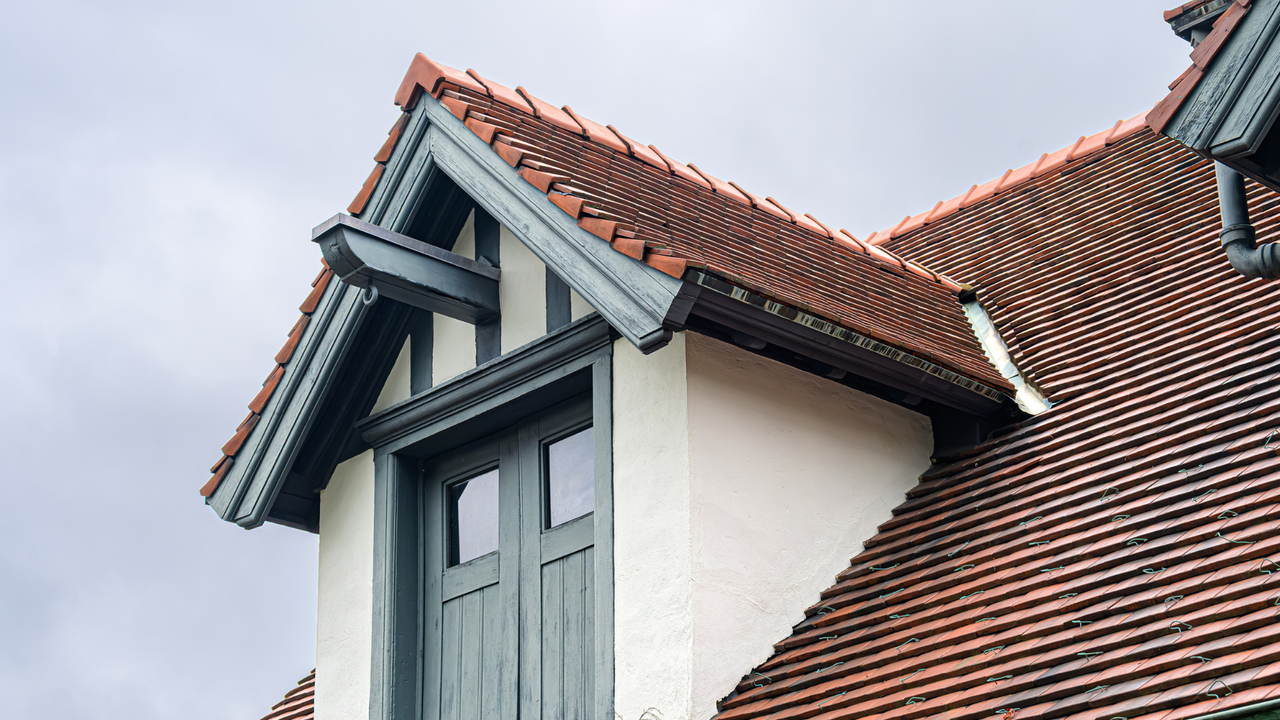
When autumn arrives, it’s time to pay some attention to your roof. While you might not track every tile and shingle on a daily basis, this season presents an ideal opportunity to perform essential inspections before winter sets in. Skilled professionals outline seven significant areas to focus on, many of which can be assessed without climbing onto the roof. A failure to do so could lead to unanticipated costs and discomfort when winter weather strikes.
1. Assessing Roof Tiles
What to evaluate: Begin with a thorough inspection for any slipped, cracked, or missing roof tiles, including those tilting unnaturally or dislodged within the layout.
Significance: Dan Nicholls, Trade Manager at Aspect, warns that gaps left by missing tiles can allow rain to seep underneath, compromising the integrity of your roof. If water manages to infiltrate, it can lead to significant structural damage and even mold growth, which won’t just affect your roof but can also pose health risks to your family. Loose tiles, particularly during stormy seasons, create a cascading risk as they can dislodge and threaten adjacent tiles, setting off a domino effect that may require widespread repairs.

2. Inspecting Gutters
What to look for: Examine gutters for leaves and debris, ensuring they aren’t sagging or leaking. Pay attention to downpipe connections that might indicate blockages.
Why it matters: According to Nicholls, proper drainage is critical; clogs can cause water to overflow and damage walls and window frames, leading to rot and structural issues. In some cases, this can even lead to infestations in your home if the water collects near the foundation. As you check your gutters, consider that maintaining clear drainage channels becomes vital to prevent water accumulation that could worsen in winter with ice and snow, creating additional hazards.
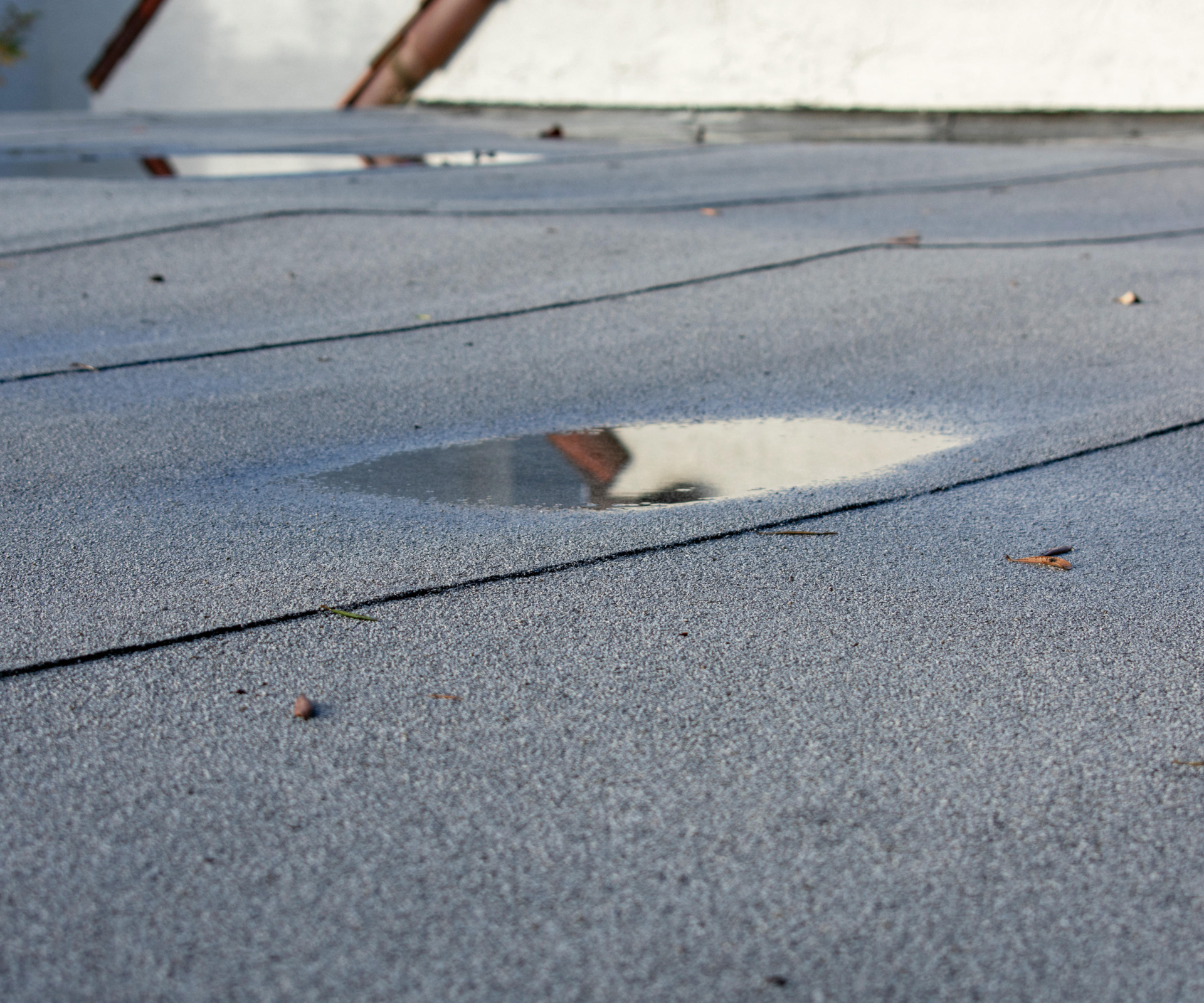
3. Evaluating Flat Roofs
What to observe: If you have a flat roof, check for any damage like bubbling, cracking, or blistering that could prevent proper drainage.
Importance: Mike Storey, Founder of UKFR Roofing & Insulation, emphasizes the risk of pooling water, which can cause significant damage. If water sits on your flat roof, the pressure it creates can lead to leaks that often go unnoticed until they turn into major issues. Don't skip this critical step; performing a proactive check now can prevent serious issues when heavy rains arrive. An ounce of prevention, after all, is worth a pound of cure when it comes to flat roofing.
4. Examining Flashings
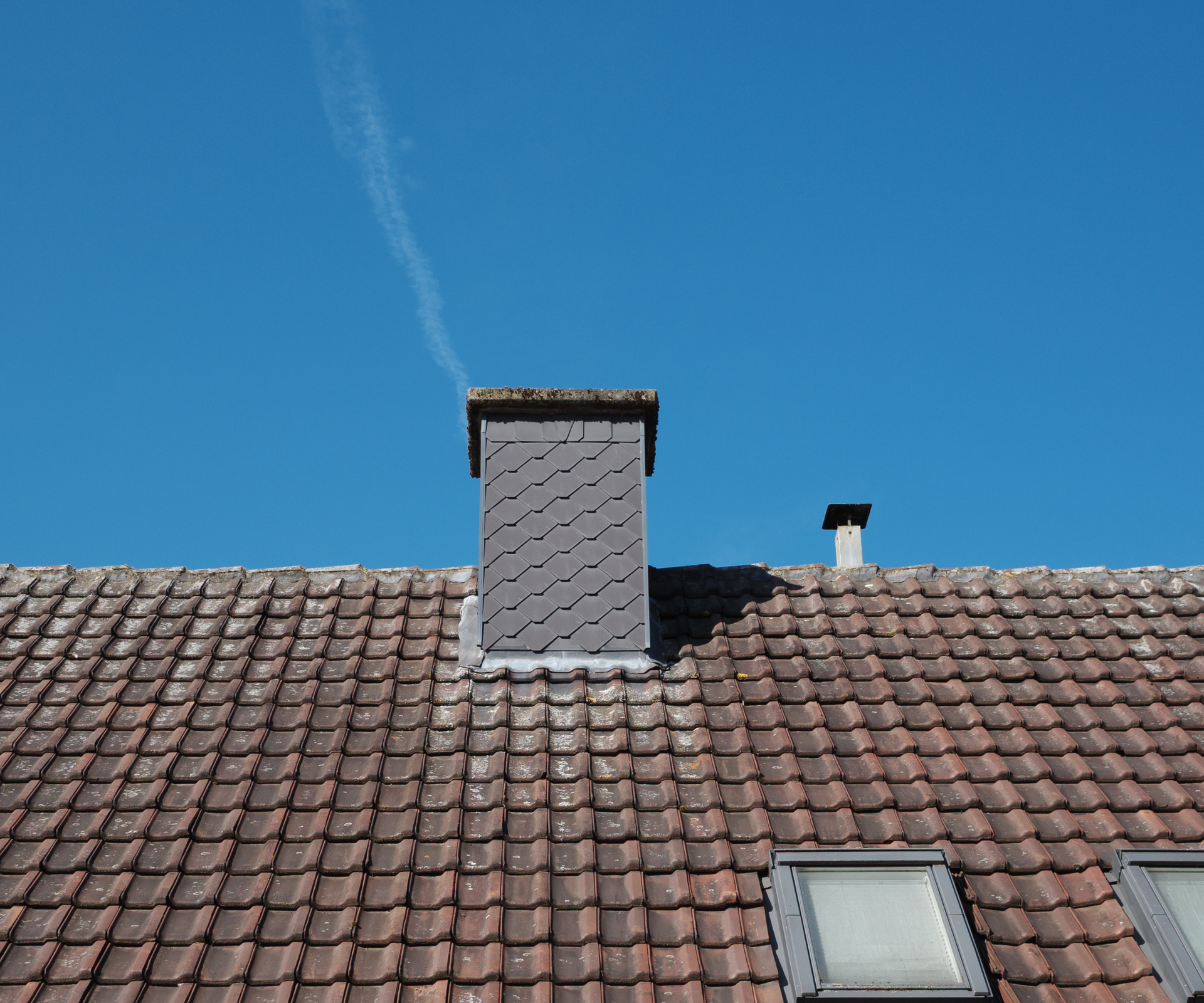
What to check: Look at flashings around chimneys and roof intersections for any signs of damage like gaps or separation.
Why this is vital: Nicholls explains that flashing is crucial for waterproofing these vulnerable areas. Flashings are often the first line of defense against leaks during heavy rain, and any damage can lead to leaks, especially during inclement weather. This is a critical inspection point; without intact flashings, your roof's waterproofing capabilities can be severely compromised, leading not only to costly repairs but also increasing the chances of damage to your home’s interior.
5. Inspecting the Chimney
What to assess: Examine the chimney’s structure, focusing on the flashing, brickwork, and mortar to identify cracks or instability.
Significance: Unstable chimneys are susceptible to damage from wind, increasing risks of falling debris and potential fires. Regular inspections can prevent dangerous situations derived from neglect. You might think of the chimney as separate from the roof, but its stability is integral to your home’s overall safety. Keeping this area secure will not only help ensure safety but could also prolong the life of your roofing materials.
6. Scrutinizing Mortar
What to verify: Inspect mortar along ridge and hip tiles, especially around chimney stacks, for signs of wear like cracks or crumbling.
Importance: Deteriorating mortar can lead to loosened tiles, increasing the chances of water intrusion. Ignoring minor mortar issues can have serious ramifications as the cold weather exacerbates any existing damage. Repairs should be prioritized to prevent additional winter-related damage; not addressing these issues now could lead to extensive problems—think significant water damage and even structural compromises to your home—as temperatures drop.
7. Inspecting the Indoor Areas
What to check: Don’t overlook the interior of your home. Look for signs of dampness, discoloration, or daylight peeking through your roof felt in the loft.
Why it’s essential: Daylight coming through suggests potential leaks, with possible water intrusion indicated by stains or peeling paint on ceilings and walls, as Nicholls points out. This may seem minor, but don’t underestimate the long-term effects of unnoticed leaks; they often lead to structural problems that could require extensive renovation. If you're working in this space, being proactive can save you a major headache down the line.
Implications and Future Outlook
While many of these checks can easily be done from the ground using binoculars or a camera, any necessary repairs—like retiling, fixing flashing issues, or chimney maintenance—are best left to professionals. Prioritizing roof maintenance now can pay off later by avoiding costly emergency repairs. Proper upkeep of your roof is critical for preventing extensive damage and ensuring your home remains protected through the harsher months. If you can, set a personal reminder to evaluate these points at least twice a year. As climate conditions fluctuate, especially with increasing extreme weather events, making roof inspections a part of your seasonal routine is wise. For further guidance, consult expert resources on roof repair and associated repair costs.



Discussion
Sign in to join the discussion.