Octopus Energy is pioneering the sale of plug-in solar panels in the UK, targeting homeowners seeking affordable energy solutions, with competitors soon to follow.
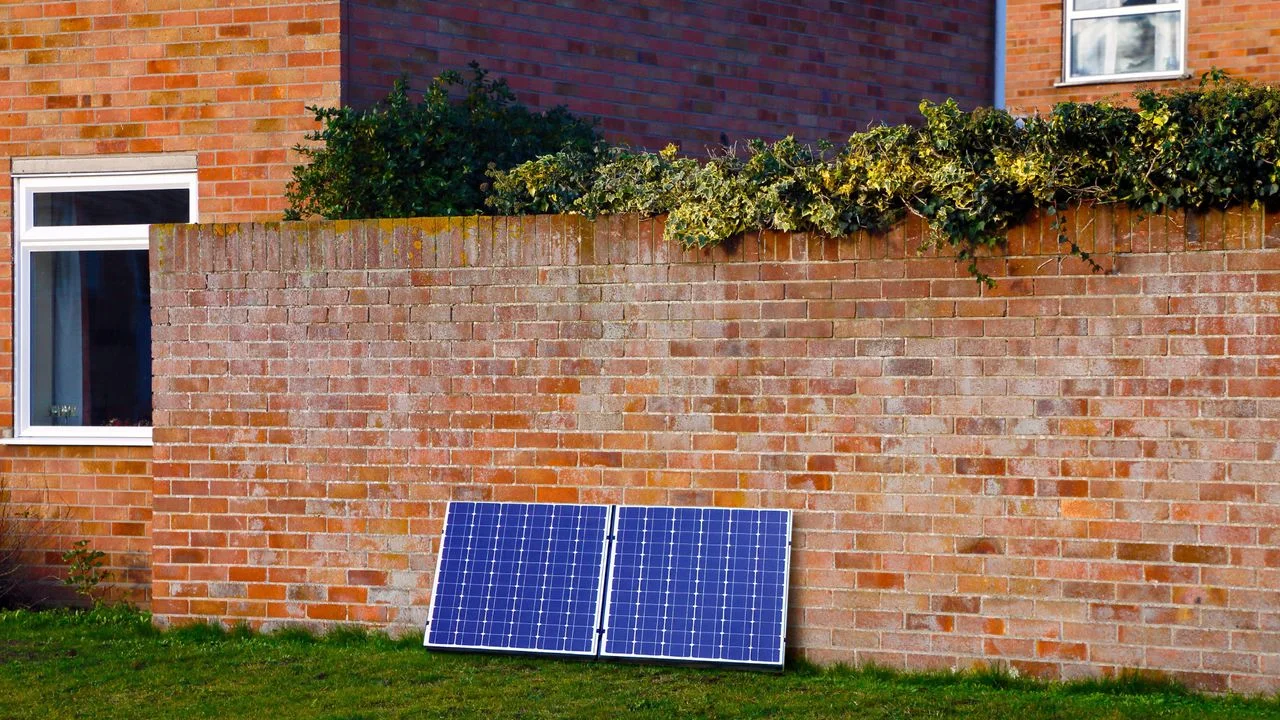
Octopus Energy is making strides in the renewable energy sector by officially launching plug-in solar panels, the first energy company in the UK to do so. This development aims to provide an accessible way for homeowners, particularly those unable to install full solar systems, to generate their own electricity and reduce energy bills.
Details of the Octopus Energy Offering
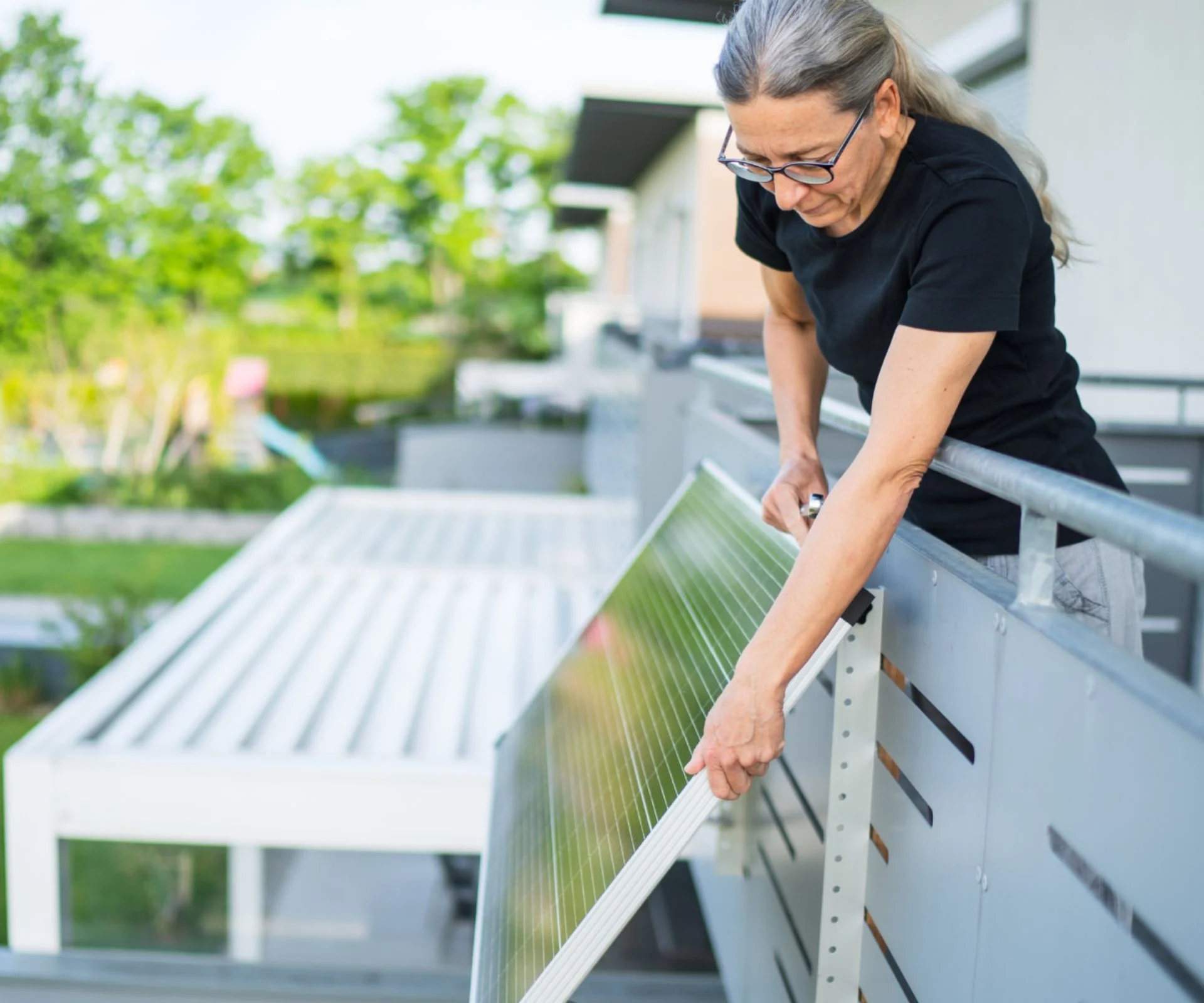
The initial product range from Octopus Energy includes full-size solar panels rated at 460W. Each panel measures 1.8m by 1.1m and weighs 22kg. Customers can choose between one or two panels, and each kit comprises a floor or wall mount, a micro inverter, a 3-pin plug, and a 5m power lead. Notably, these kits are designed for DIY installation, with Octopus estimating that setup can be completed in about an hour. If the dimensions still pose an issue for particular households, smaller versions may be available in the future.
Phil Steele, the future technologies evangelist at Octopus Energy, emphasizes that this launch is just the beginning: "Plug-in solar has only just launched in the UK, so this is really just the start... We’ll announce timings on our website as new products roll out."
Delivery Timelines
Since early September, homeowners have been able to place orders for these plug-in solar panels, with deliveries expected to commence towards the end of the month. Steele suggests that for those ordering later, delivery may be delayed, but emphasizes that customers will receive updates as their orders progress.
Installation Considerations
Potential buyers must first ensure their homes are suitable for plug-in solar installation based on electrical safety guidelines. Not every residence qualifies, so consulting with a qualified electrician is advisable prior to purchase. For homes that meet the criteria, installations should ideally be placed in sunny locations, whether mounted on the floor or the wall.
Steele reassures that even with winter approaching, these panels will remain functional: "Solar panels work in winter too. They don’t need warmth to generate electricity – they need light... A bit of rain can actually help by washing away dust and dirt."
Pricing and Potential Savings
The initial pricing for one panel starts at £450, with costs increasing for additional units. Homeowners can use their postcode on the company’s website to estimate precise pricing. Octopus suggests potential savings of up to £150 annually, depending on individual energy usage and sunlight exposure. Households acquiring two panels might see a return on their investment within five and a half years if they also engage with a smart export tariff.
Currently, there’s no confirmed timeline for plug-in solar batteries that could export energy back to the grid. However, homeowners will have the opportunity to connect their panels to the forthcoming Nook Cube plug-in battery launching early next year.
Steele explains the rationale behind adding plug-in options, indicating that it’s an inclusive alternative for individuals facing barriers to traditional solar panel installation: "Plug-in solar is a great option for renters or people with a smaller budget or who don’t have a suitable roof for traditional solar panels."
Interest in rooftop solar remains strong, and with energy prices continuing to rise, many are looking at self-generation as a means to alleviate costs. As Steele observes, the increased sunlight in previous years has only intensified this demand for solar solutions.
Understanding Power Output Limits
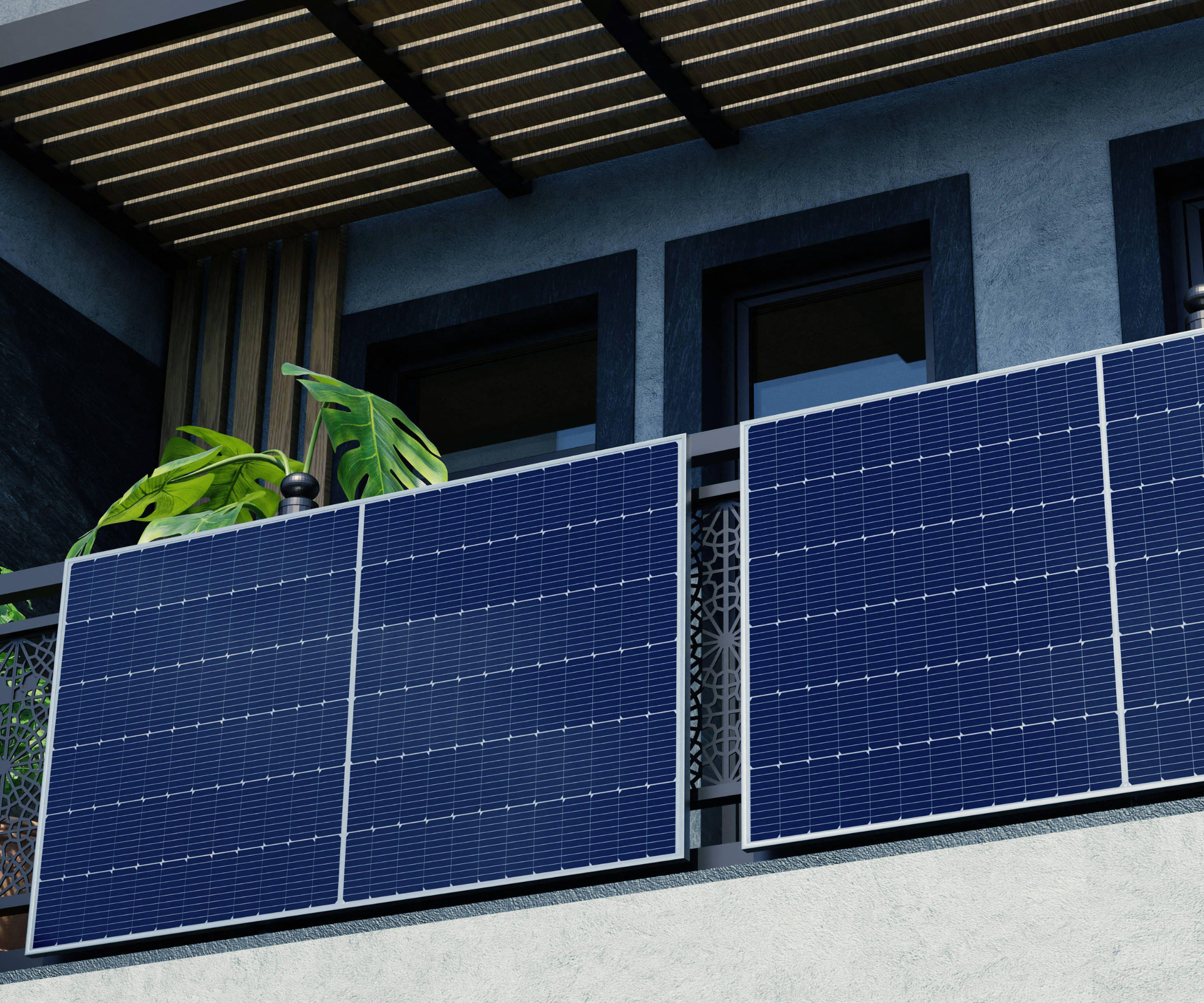
While these plug-in panels may not match the energy output of conventional rooftop systems, Octopus emphasizes that households can only operate one system at a time due to current regulations that restrict output to 800W. Since each panel is 460W, a two-panel installation brings the system close to the maximum efficiency threshold.
Competitors Entering the Plug-in Solar Market
OVO Energy is poised to enter the plug-in solar space, as expressed by Scott Duncan, head of domestic exports: "OVO is actively working on a plug-in solar proposition which is planned for launch in the coming months." To celebrate the legalization of plug-in solar in the UK, OVO is also running a contest that awards free kits to select customers.
Other companies like BOXT have indicated potential interest in joining the market later, although their current focus remains on full home installations. E.ON Next has yet to announce any plans related to plug-in solar solutions.
Meanwhile, retailers such as Amazon and Argos have begun stocking these plug-in kits widely. While Lidl was reported as the first supermarket planning to sell them, as of now, they have not yet appeared in stores.



Discussion
Sign in to join the discussion.