Learn key strategies for maintaining a healthy rubber plant, from light requirements to pest management, to ensure it thrives in your home.
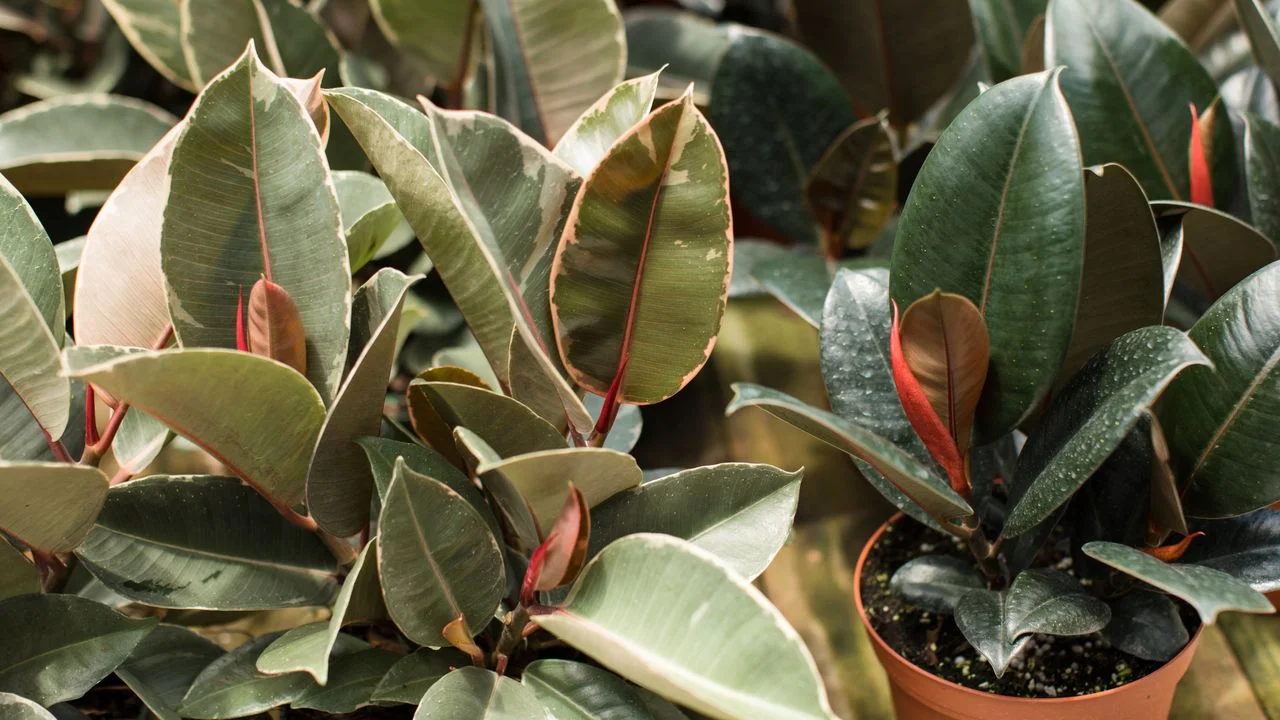
If you're considering a rubber plant as your next indoor greenery choice, it’s a smart move. These hardy plants not only add a touch of elegance with their glossy leaves but are also relatively easy to maintain. To ensure your rubber plant flourishes, it requires attention to specific care needs. Let’s look at some expert recommendations to help you achieve a thriving rubber plant.
Optimal Lighting for Your Rubber Plant
Rubber plants prefer bright, indirect light. This makes their preferred climate mimicking the under-canopy regions of tropical forests, where they receive filtered sunlight. Although they're adaptable to lower light conditions, that can stifle their growth, resulting in leggy stems that may eventually compromise the plant's overall health and aesthetics. When placing your rubber plant, be cautious about direct sunlight, which can scorch its beautiful leaves, leaving unsightly brown patches. If you notice that your plant is stretching towards the light, it’s a clear sign that it’s not getting enough brightness.
Creating a Warm and Humid Environment
To create a comfortable environment for your rubber plant, aim for temperatures between 15°C to 25°C (59°F to 77°F). This temperature range mimics its native tropical habitat in Southeast Asia. Exposure to temperatures below this can hinder growth, while extreme fluctuations can cause stress. Keep it away from drafty areas and heat sources like radiators, which can create an inhospitable environment. Regarding humidity, rubber plants thrive in moderate humidity levels, ideally above 50%. If you notice the edges of leaves browning—an indicator that the plant is struggling—consider using a humidifier or placing a water-filled tray with pebbles nearby. This method not only increases humidity but also adds a nice decorative touch to the space. (And this is the part most people overlook.)
Watering Techniques
Rubber plants need moderate watering, and knowing when to water is half the battle—allow the top inch of soil to dry out between sessions. This approach mimics the plant's natural watering conditions during dry spells in its native habitat. Overwatering can lead to root rot, a common issue that can quickly lead to a loss of a beloved plant. Conversely, underwatering can also harm the plant's health. Typically, water less frequently in winter months when the plant's growth slows down; it doesn’t require as much water during its dormancy period. Finding that balance is essential to a thriving rubber plant.
Fertilization Strategies
During the active growth periods of spring and summer, adopt a simple fertilization regimen for your rubber plant. Fertilizing once a month with a balanced liquid fertilizer diluted to half strength can provide the necessary nutrients for vigorous growth. As growth wanes in the fall and winter, you can skip fertilizing altogether. This simple seasonal adjustment conserves both your fertilizer and the plant's energy during its dormancy, allowing it to reserve energy for the next growth phase. Pay attention to your plant's response; if you see slow growth or yellowing leaves, it may be asking for more nutrients.
The Art of Pruning
Pruning isn't just maintenance; it’s an opportunity to enhance the shape of your rubber plant and encourage new growth. The optimal time to prune is in spring or early summer when the plant is most active. Use clean, sharp scissors to cut above a leaf node, and be mindful to remove any yellowing or dead leaves. This will keep the plant looking vibrant and may stimulate new leaf growth. Regular pruning can also help manage the plant's size and shape, making it suitable for various indoor spaces.
When to Repot Your Plant
Because rubber plants are fast growers, repot them every 1-2 years or when you notice roots emerging from the drainage holes. This growth ensures the plant isn’t root-bound and has adequate space for further development. When that time comes, choose a pot that is slightly larger than the existing one to promote healthy growth. Always use quality houseplant compost, which retains some moisture while allowing for proper drainage. Good drainage is vital to prevent root rot, a common issue among rubber plants.
Keeping Leaves Clean
Regularly dusting your rubber plant’s leaves is essential for maintaining its health. Large leaves can collect dust that impedes light absorption. This dust also attracts pests that can jeopardize your plant's well-being. Wiping the leaves with a damp cloth not only keeps them clean but also ensures they can 'breathe' effectively and continue their vital process of photosynthesis. Establishing this routine makes a noticeable difference in your plant’s overall vitality.
Monitoring for Pests
Be vigilant about pests like spider mites, mealybugs, and scale insects that can affect your rubber plant. A close inspection of the leaves will help you catch any infestations early. If you notice any signs of infestation—like sticky residue or visible bugs—treat them promptly with insecticidal soap or neem oil. Quick action can prevent the spread of these pests to other plants in your home, ultimately influencing your indoor garden's health. It’s an ounce of prevention, really.
Providing Support for Growth
As your rubber plant grows taller, it may require additional support. Use a wooden dowel or stake, gently tying the stems to keep them upright. This preventive measure helps maintain the plant's health as it matures, ensuring that the stems remain strong and aligned. Allowing the plant to grow sideways could result in unnatural shapes that can be less visually appealing. It's about aesthetics, too.
Common Issues and Solutions
Why Are the Leaves Falling?
Leaves may fall if the rubber plant is under stress from insufficient light, overwatering, or underwatering. Striking the right watering balance is key to keeping the plant healthy and leaf-drop free. If you're working in this space, you'll find understanding a plant's needs might save it from unnecessary damage. After all, a few adjustments can often rectify these common issues before they escalate.
Implications and Future Outlook
Understanding these care tips provides more than just aesthetic value. A thriving rubber plant can improve air quality, enhance your indoor environment, and offer a little slice of nature within your home. This plant's enduring popularity underlines a broader trend toward integrating greenery into living spaces for both beauty and well-being. The attention to care needs is telling; as individuals continue to invest time in nurturing their plants, they build an emotional connection that contributes to their overall mental health. Cultivating an understanding of plant care isn't just hobbyist behavior—it's part of a growing movement towards mindful living.
By understanding and implementing these essential care tips, you can enjoy a flourishing rubber plant that enhances your indoor space. With the proper conditions and attention, your rubber plant will serve as a fantastic focal point in your home for years to come.


Discussion
Sign in to join the discussion.