Learn key strategies from experts for nurturing philodendrons indoors, ensuring vibrant growth and longevity with proper care techniques.
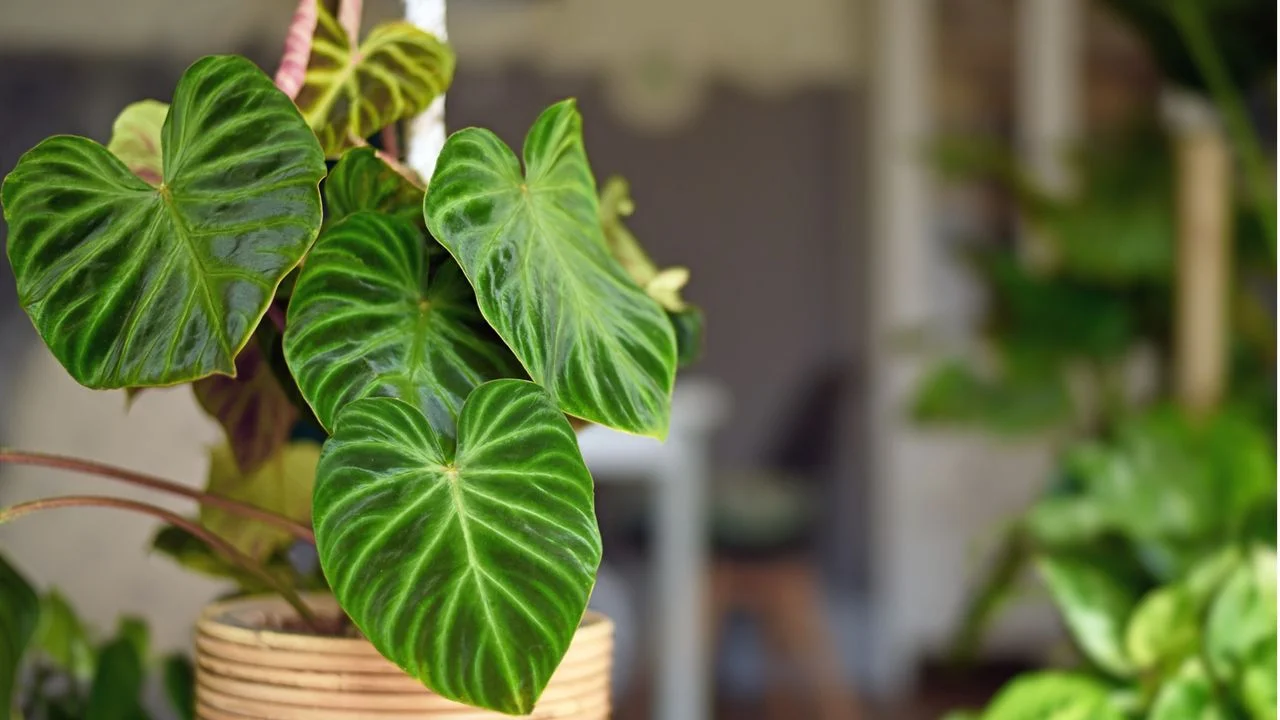
Philodendrons make an appealing addition to any home, particularly for those seeking a foliage-rich yet manageable houseplant. While they're generally low maintenance, understanding some essential care practices can significantly enhance their growth and health. Acknowledging the specific environmental needs of philodendrons will not only improve their vitality but also the aesthetics of your home or workspace.
Philodendron Care Essentials
1. Select the Right Pot
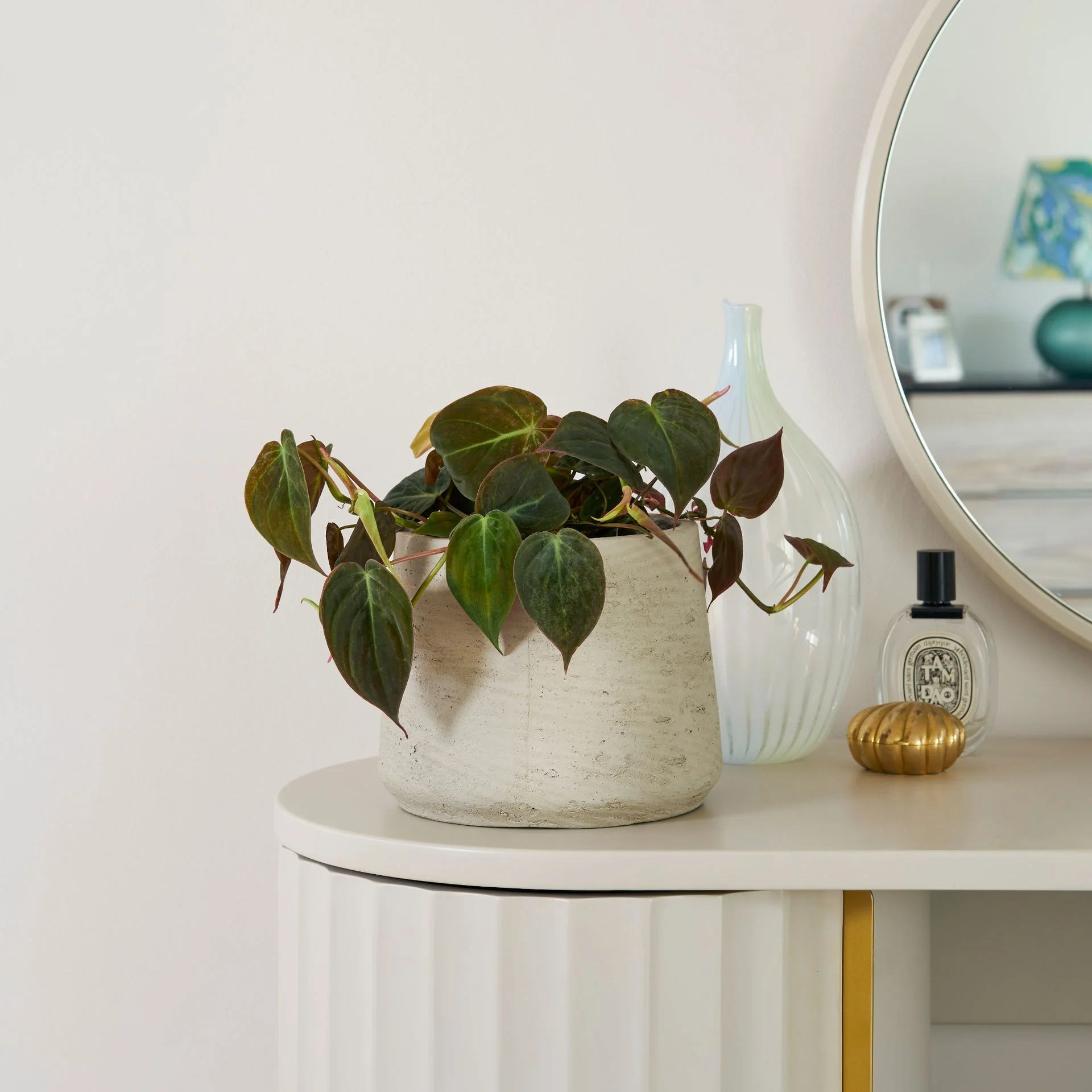
Choosing an appropriately sized pot is critical. According to gardening expert Lucy Rhead from Gtech, the pot should be only slightly larger than the root ball, ideally just a few inches wider. This choice aids in proper root expansion and minimizes the risk of root rot, a prevalent concern among novice philodendron caretakers. For optimal ventilation and moisture control, a terracotta pot is recommended. Its porous nature prevents overwatering, a common pitfall for philodendron owners. Remember, the choice of pot can dramatically influence a plant's health long-term.
2. Opt for a Suitable Soil Mix
A high-quality, well-draining potting mix is essential for philodendron health. Steven Bell, managing director at Paving Shopper, advises seeking out a blend containing peat, perlite, and pine bark. This combination retains necessary moisture while allowing for sufficient drainage, balancing the hydration needs of the roots. Poor soil choice can often lead to complications, including the fateful root rot, which can set back an otherwise flourishing plant. A customized soil mix tailored for philodendrons may encourage growth and resilience, something every plant enthusiast hopes to achieve.
3. Establish Optimal Conditions
Placing your philodendron in the right environment is vital. While they can tolerate low light, they thrive in bright, indirect sunlight. According to Rhead, positions near north or east-facing windows are typically ideal. This strategic placement maximizes light exposure while protecting the leaves from direct sunlight, which can scorch them. Additionally, philodendrons benefit from warmth and humidity, which is why they flourish in bathrooms and kitchens. Such environments mimic their native tropical conditions. For drier spaces, a humidifier can be a helpful tool. If you're working in this space, consider positioning your philodendron among other houseplants; their collective transpiration can create a mini-humid microclimate.
4. Adjust Your Watering Routine Seasonally
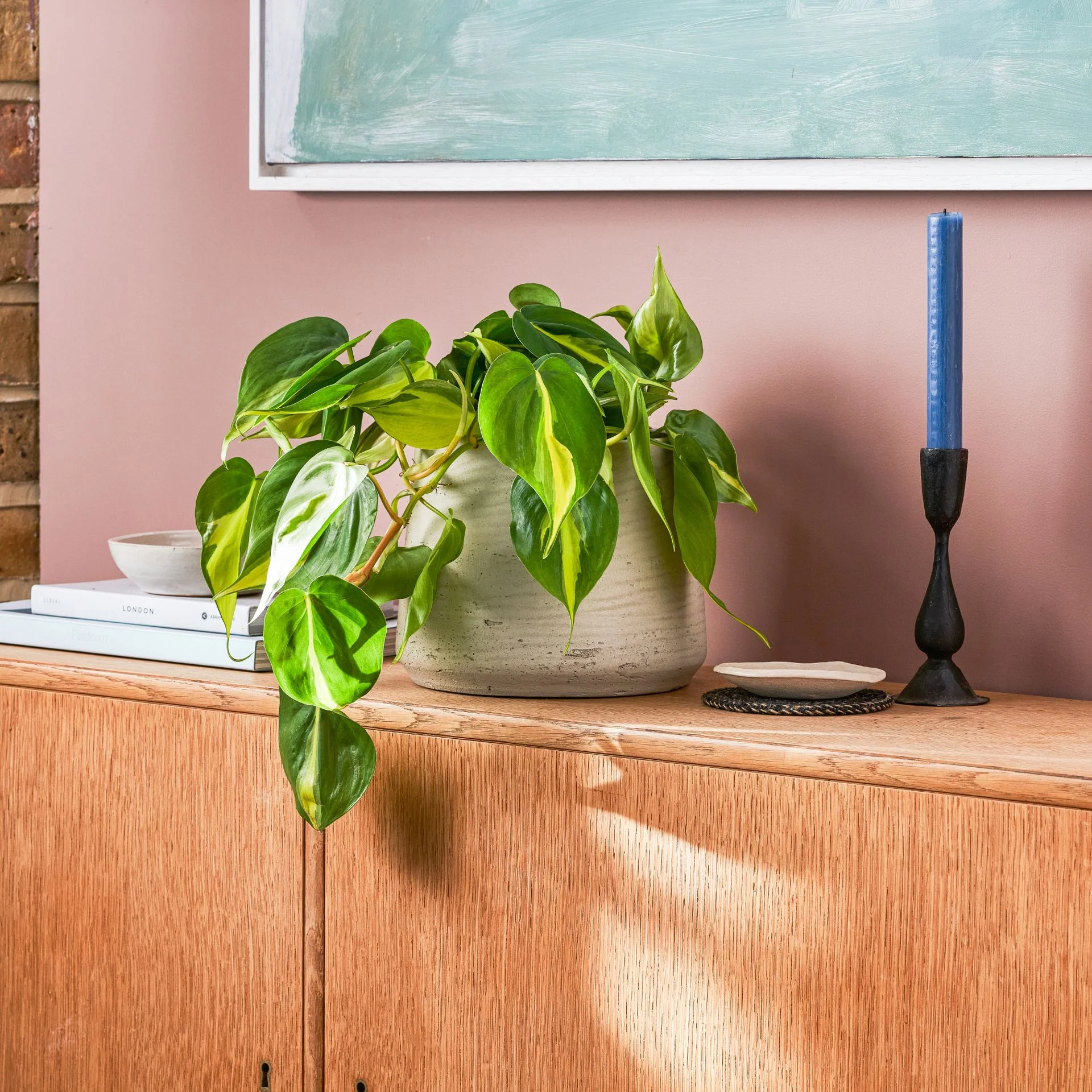
Even though philodendrons are known for their resilience, improper watering can lead to issues significant enough to upset any plant parent. It's best to increase watering during the warmer months of spring and summer while scaling back during the cooler and damper winter months. Rhead emphasizes that overwatering is a frequent mistake; erring on the side of underwatering can help prevent root rot. This isn't just a minor detail; it's a fundamental aspect of thriving plant care. A simple finger test can work wonders—just poke into the soil to see if it feels dry, striking a balance you'll appreciate.
5. Fertilize Regularly During Growth Season
During the growing season—spring and summer—nourishing your philodendron with a balanced fertilizer every four weeks is beneficial. This feeding schedule promotes healthy, vibrant growth and ensures the plant maintains its lush appearance throughout the year. One might think that more is always better, but this is where over-fertilizing can lead to burnt roots and, ultimately, plant stress. Opt for fertilizers specifically geared toward houseplants, as they typically contain the right mix of nutrients.
6. Stay Vigilant Against Pests
Philodendrons can attract pests like spider mites, aphids, and mealybugs. Regularly inspecting the undersides of leaves and cleaning them with a soft cloth can prevent infestations. This is more significant than it looks; a small pest problem can escalate quickly into a full-blown issue if left unchecked. If issues arise, consider consulting comprehensive resources on pest management to address them promptly. Keeping your plant clean not only enhances its appearance but also strengthens its immune response to external threats. Sometimes, prevention is key.
FAQs
Is Pruning Necessary for My Philodendron?
While regular pruning can help shape your philodendron and promote fuller growth, it's not essential beyond aesthetic preferences. If you choose to trim, do so with clean, sharp tools during the active growth periods of spring or early summer. This practice not only enhances appearance but can also boost overall plant health by removing spent leaves, allowing for better air circulation. The act of pruning acts as a stylization of sorts, helping your plant reach its full potential.
Essential Supplies
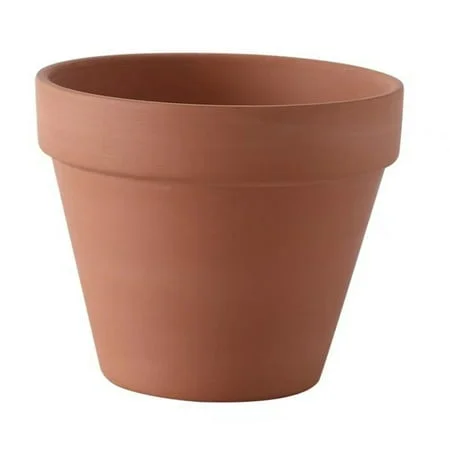 Drainage
Price: $20.99
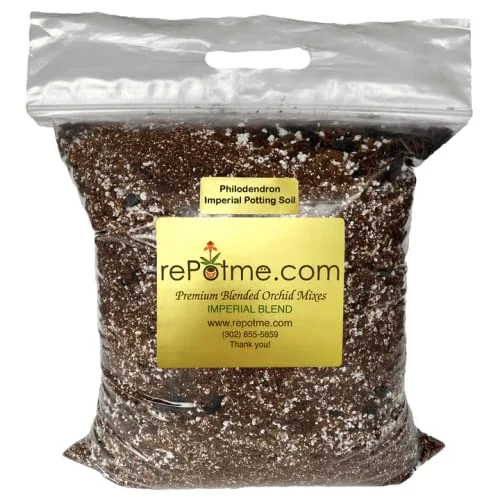 4 Quarts
Price: $29.95
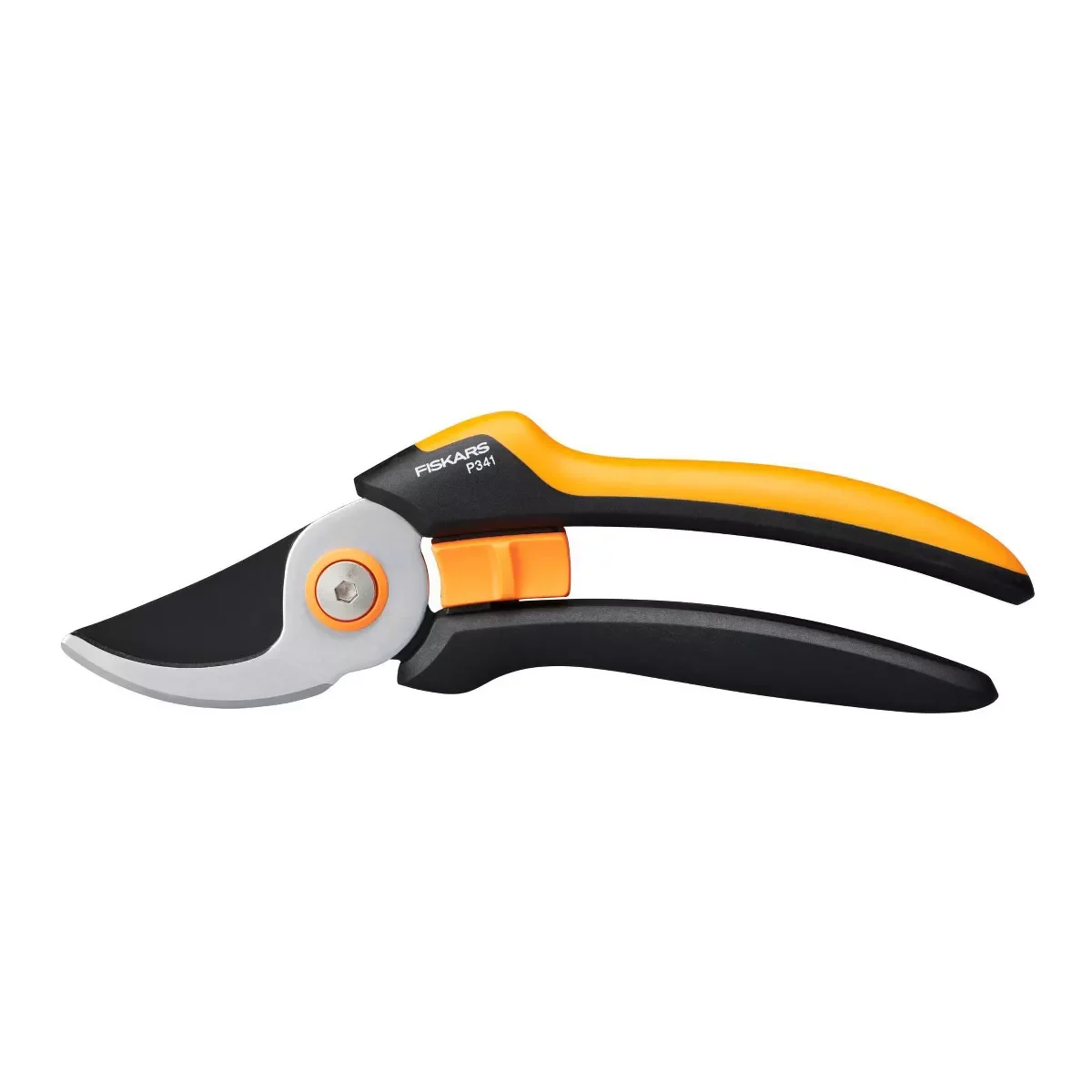 Lightweight
Price: $16.99
Implications and Future Outlook
The rising popularity of philodendrons points to a growing appreciation for indoor gardening, driven by urbanization and an increasing focus on interior aesthetics. If you're working in this space, understanding the intricacies of plant care can transform mere plant owners into passionate caretakers. There's a sense of satisfaction when a plant flourishes, and that pride can lead to further interest in horticulture. With more brands offering specialized products for plant care, the market will likely keep expanding. Keeping an eye on trends, like the increasing use of smart technology in plant care, could provide valuable insights into how home gardening evolves. As enthusiasm for philodendrons continues, we may see innovative solutions tailored specifically to enhance their growth and health.


Discussion
Sign in to join the discussion.