Enhance Your Garden Walls with Beautiful Climbing Plants
Published Sep 10, 2026Reads 683Desk [email protected] (Teresa Conway)
Transform dull garden walls into vibrant landscapes with climbing plants for beauty and wildlife habitat. Discover top choices for your outdoor space.
Transforming Your Garden Walls with Climbing Plants
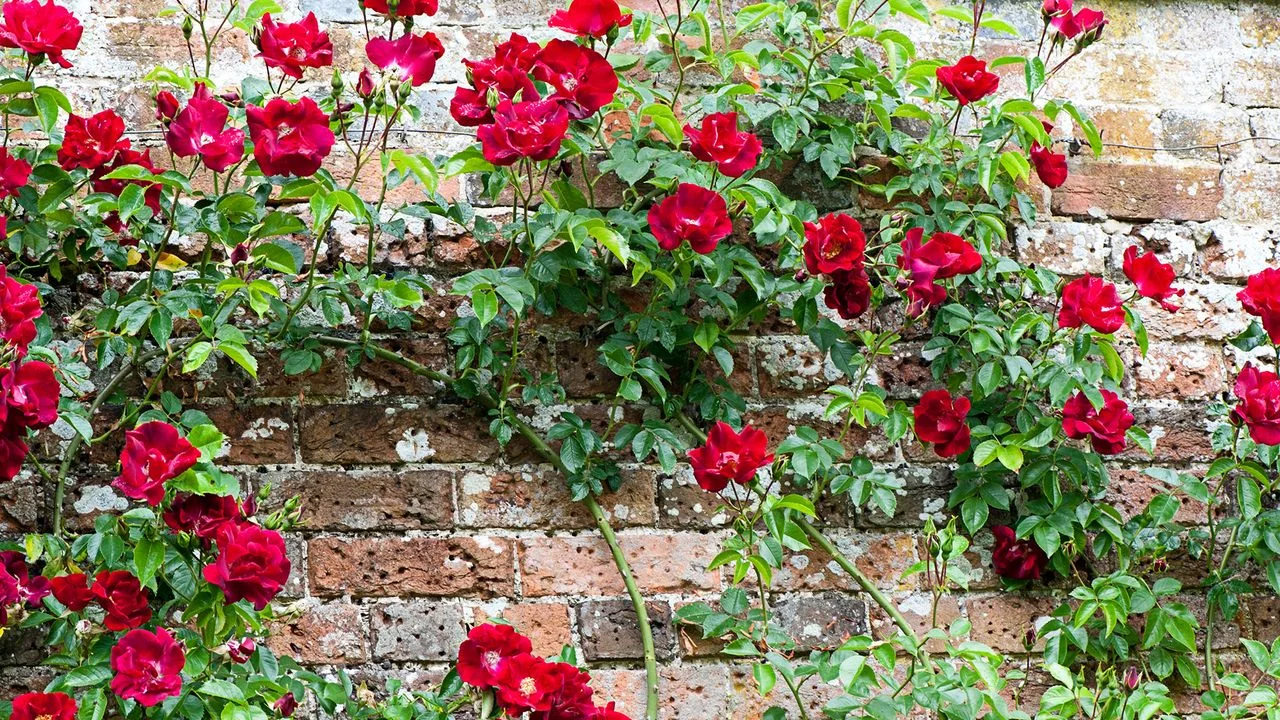
Brightening up dull walls or hiding unappealing boundaries can be effortlessly achieved with the right climbing plants. Imagine stepping into a garden where dense evergreen climbers or resilient deciduous species create a vibrant tapestry that not only conceals lackluster views but also amplifies the sense of space. Instead of a fence or wall dividing your garden from the world, a lush curtain of foliage can seamlessly integrate your outdoor area into the landscape, making it appear more expansive.
If you're a lover of wildlife, the benefits of these substantial climbers extend beyond aesthetics. Their leafy embrace provides essential habitats for birds, offering both shelter and nesting sites. As a result, your garden might soon be alive with the melodies of chirping birds. Beyond simply attracting birds, many of these plants produce berries, enriching your garden's ecosystem and providing a valuable source of nectar for bees when they bloom.
Want to enhance your garden walls? By selecting the right climbing plants, you can create a verdant spectacle that brings life and joy to your outdoor space. With careful selection, these climbers can grace your garden with beauty and contribute positively to the environment.
Highlighting Some Top Climbing Plants
One standout option is the **Star Jasmine** (*Trachelospermum jasminoides*). This glamorous plant showcases glossy evergreen leaves and emits a captivating scent during summer with its starry cream flowers. While it thrives in mild climates and prefers a sheltered wall, its striking appearance from 3 to 6 meters high, with an expansive spread of 6-10 meters, makes it a perfect choice for creating urban elegance.
For those seeking a hardy alternative, Ivy remains a classic choice. Its self-clinging nature allows it to thrive without trellises or support. *Hedera colchica 'Sulphur Heart'*, with its striking variegated leaves, not only looks good but also provides vital resources for local birds and pollinators. It flourishes best in semi-shady spots and grows up to 6 meters, offering a lush carpet for any garden wall.
Another excellent candidate is **Sausage Vine** (*Holboellia latifolia*), remarkable for its broad leaves and unique flowers. The blooms, which release a scent reminiscent of melon and jasmine, lend an exotic flair to your garden while producing purple fruits in the autumn—a delicious bonus.
### Gardening Recommendations
When establishing these plants, remember that most will flourish in well-drained, fertile soil and require consistent watering, especially during warmer weather. Overall, these climbers offer a multitude of benefits, from aesthetic appeal to ecological contributions.
So, if you want to revolutionize your garden's ambiance and functionality, consider planting one or more of these climbing plants. They're not just for covering up; they're key players in creating a lively and beautiful garden environment.The closing thoughts on selecting the right plants for vertical gardening often lead to the question of balance: aesthetic appeal versus practical sustainability. What strikes me is not just the beauty these plants bring but their adaptive qualities as well. For gardeners looking to enhance their outdoor spaces, the selection of robust varieties like *Argyrocytisus battandieri* and resilient climbers such as *Rosa 'Étoile de Hollande'* isn't merely about color or fragrance; it’s also about creating ecosystems that support biodiversity.
Consider the implications: vibrant flowers that attract bees and pollinators contribute to the broader health of our gardens. This interconnectedness goes beyond mere decoration; it fosters inviting habitats. As the climate continues to shift, opting for drought-tolerant species becomes vital. Their resilience is not just a decorative feature; it’s a strategic choice for future-proofing our gardens.
However, there’s an element of caution to heed. Not all plants perform equally across varied environments. If you're in a colder region or have specific soil types to accommodate, your choices can dramatically affect the success of your vertical garden. The placement against walls or trellises can either amplify or stifle growth based on micro-climates created by sun and shade. You’ll want to scrutinize both the recommended conditions and the plant care needed to keep these selections thriving.
So, as you reflect on integrating climbing plants into your garden, think critically about the meshing of convenience and commitment. After all, the goal is not merely to drape walls with foliage but to cultivate a rich, sustainable interaction with nature. The decisions you make today in your plant selection will resonate well into the future of your gardening journey.



Discussion
Sign in to join the discussion.