Discover the beauty and ecological benefits of berry-producing trees like wild cherry, crab apple, and holly for your garden and local wildlife.
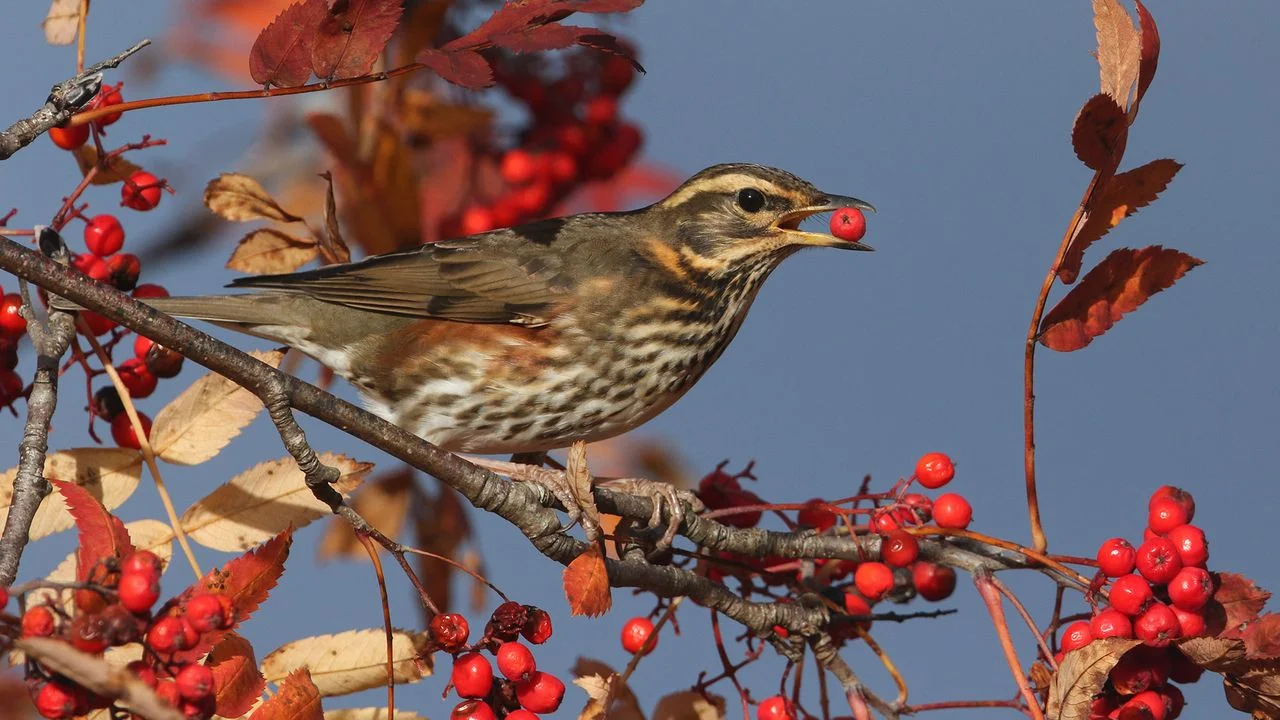
Enhancing any landscape with color and structure, berry-producing trees are not just aesthetically pleasing—they’re also invaluable to local wildlife. When you choose to plant one of these trees, you're not only treating yourself to a vibrant display; you’re also creating a thriving habitat for various species.
Birds find refuge in these trees, enjoying a banquet of berries, while a diverse array of insects and mammals also benefit. From squirrels to hedgehogs, wildlife enthusiasts can delight in watching these creatures feast on the fruits, making your outdoor space a lively ecosystem.
If you’re on the lookout for gorgeous plants, whether evergreen shrubs or smaller trees to fit compact gardens, there’s a wealth of options available. Trees like rowan, holly, spindle, and hawthorn are particularly notable, thanks to their visually striking berries and their ability to draw birds in flocks.
### Wild Cherry
One standout option is the wild cherry. Renowned for its stunning white blossoms in spring, this tree creates a show-stopping display that can brighten up any garden. As summer gives way to autumn, wild cherry trees produce small, vibrant red cherries that birds can't resist. Add to that an impressive autumnal display with leaves turning shades of red, yellow, and orange, and you have an exceptional choice for any gardener.
These trees can grow to around 8 meters in height within a decade, and while they start off more upright, their branches spread as they mature, making them a versatile addition to your garden. They thrive in full sunlight and are forgiving when it comes to different soil types, although optimal flowering occurs when they soak up plenty of sun.
### Crab Apple
Next up, consider a crab apple tree. They're perfect for smaller plots and make a striking ornamental addition. Exploding with blooms in spring, these trees also yield heavy crops of fruit throughout autumn and winter. This prolonged flowering period means they not only brighten your landscape but also attract beneficial pollinators.
Reaching an average height of 3-4 meters, crab apples require full sun and a sheltered position for the best growth, which makes them easy to integrate into various garden settings. The fruit they produce during the cooler months acts as a magnet for hungry birds.
### Holly
Holly trees provide both beauty and functionality. Available in larger and smaller varieties, they’re ideal for diverse spaces. In winter, the glossy green leaves combined with striking red berries create a festive atmosphere, making hollies not just ornamental but also a critical food source for wintering birds.
These evergreen trees adapt well to sun or partial shade and prefer moist, well-drained soil. Hollies are relatively maintenance-free, making them a practical choice for those looking to enhance their gardens with minimal effort.
### Spindle
The spindle tree, with its unique orange-pink berries, is another superb choice. Noted for its vibrant autumn colors, it grows to about 2.5-4 meters and is a joy in winter gardens. This tree is especially attractive to wildlife, as its fruits are a favorite among robins.
With a preference for full sun or partial shade and adaptability to various well-drained soils, the spindle tree stands out as a thoughtful addition that supports biodiversity.
### Hawthorn
Hawthorn trees, known for their distinctive deep red berries, provide aesthetic appeal and ecological benefits. Their gnarled trunks create character in the garden while serving as a refuge for birds like thrushes and finches. Ranging from 4.5 to 9 meters in height, these trees require little maintenance, making them perfect for urban settings.
Their berries not only sustain wildlife but are also a potent symbol of a sustainable garden, attracting creatures and supporting the local ecosystem.
### Cotoneaster
Don’t overlook cotoneaster, which offers low-maintenance beauty alongside its visual appeal. This tree, with its clusters of red, orange, or yellow berries, can rapidly become a favorite for wildlife while growing up to 8 meters tall. Ideal for full sun, these trees are resilient to cooler climates and thrive with minimal care.
For a garden that appeals to both the eye and the environment, consider incorporating these various berry-producing trees. Each has its unique charm and ecological contributions, providing nourishment for birds and a picturesque setting for your outdoor space.As we consider the vital role that berry-producing trees and shrubs play in supporting wildlife, it becomes increasingly clear that these plants offer more than just aesthetic appeal. They’re lifelines for birds, particularly during the harsher winter months when food sources dwindle. Trees like the juniper and elderberry don’t merely decorate a landscape; they serve as essential food sources, ensuring that various bird species have the energy they need to survive.
One standout is the elderberry, which has become a favorite among gardeners looking to attract wildlife. With its striking clusters of purple berries, this tree not only provides nourishment for various birds but also offers a natural shelter, thanks to its dense foliage. The elderberry’s ability to thrive in waterlogged conditions makes it a reliable choice for diverse garden environments.
Let’s not overlook how important visual contrasts are as well; birds are more likely to spot vibrant berries against a backdrop of bare branches or fallen leaves. This principle is particularly evident in red-berried plants, which stand out brilliantly in winter starkness. If you're planning on enhancing your garden's wildlife-friendly attributes, integrating trees and shrubs with berries is not just a good idea—it's essential.
Here’s the takeaway: investing in berry-producing trees is an effective and rewarding way to create a welcoming habitat for birds in your garden. Not only do they help sustain local wildlife, but they also bring color and life to an otherwise dormant landscape. As we move forward into the colder months, consider how your garden can support these vital creatures. After all, a thriving garden is one that works in harmony with nature, encouraging biodiversity and sustaining the local ecosystem.
For practical tips on selecting and planting the right berry-producing trees, check resources like the RSPB, which offers valuable insights into creating ideal conditions for your feathered friends. By making informed choices, you can contribute to both the beauty and ecology of your space.



Discussion
Sign in to join the discussion.