Maximize your garden's potential this fall with vital tasks that ensure a vibrant spring, from planting bulbs to lawn care.
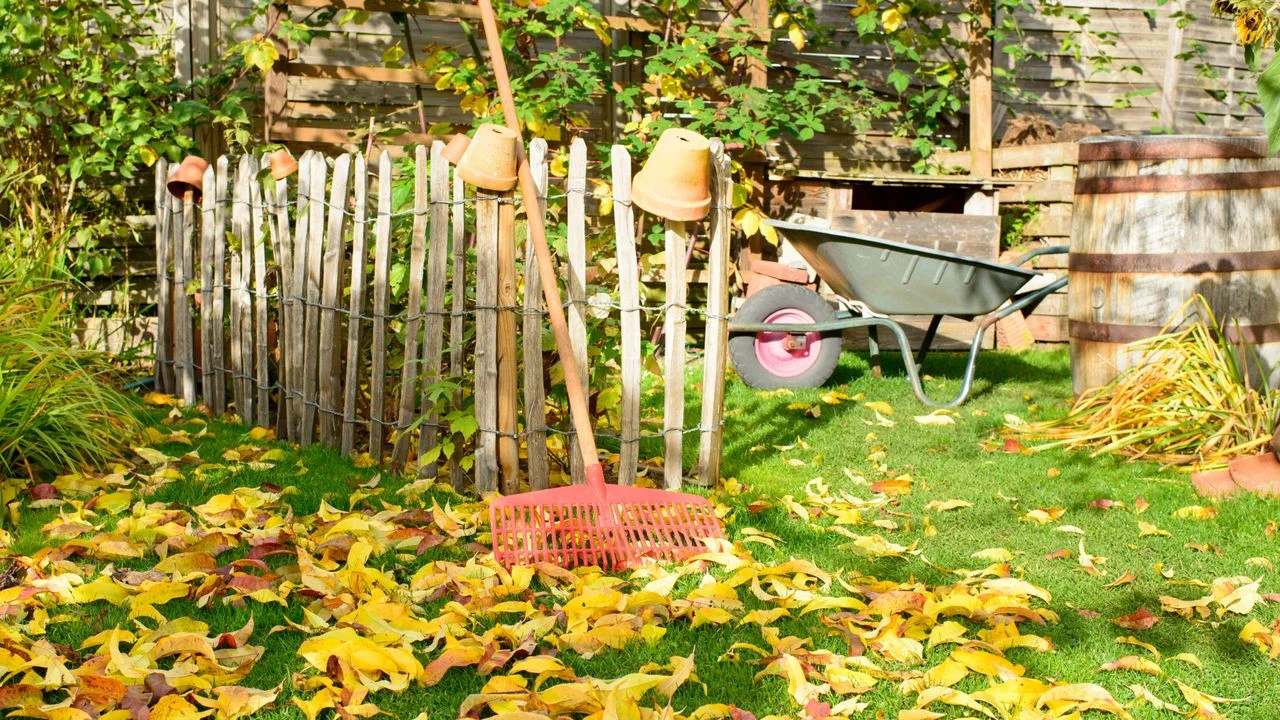
As the warm days of summer fade, it's the perfect time to focus on key gardening activities that will establish a solid foundation for the following spring. Fall offers a unique opportunity to prepare your garden for the upcoming months, allowing you to enjoy the comforts of winter indoors while ensuring your greens thrive when the weather warms up. For both amateur and seasoned gardeners, this transitional period signifies not just the change of seasons, but a chance to enhance the health of your garden for years to come.
Against a backdrop of crisp air, gardening experts emphasize the importance of several tasks to prioritize through September, October, and November. Whether you have a free day or a long weekend, there are essential activities to engage in this fall that can yield significant benefits. These undertakings are not simply seasonal chores; they are integral to cultivating a resilient garden ecosystem, bringing lasting rewards.
1. Plant Spring-Flowering Bulbs
Now's the time to plant bulbs like daffodils, crocuses, and tulips. With soil still warmed by summer, these bulbs can establish roots before winter's chill sets in. Luke Dejahang, a gardening expert, points out that warm soil encourages rooting, promising vibrant blooms come spring. Choosing a sunny, well-drained spot is essential to maximize growth potential. While you might feel tempted to wait until spring, early planting is vital in ensuring these bulbs endure frosty nights and emerge strong and colorful when temperatures rise.
2. Divide Perennials
If your perennials are growing dense, fall is the ideal time to divide them. Graham Smith from LBS Horticulture notes that this practice not only invigorates plant growth but also minimizes disease risks. Typically, overcrowded perennials can weaken roots and stifle blooms. Using a shovel or fork, lift the plant and break it into smaller clumps, which can then be replanted. After replanting, adequate watering is crucial for these divisions to thrive. This method not only promotes healthier plants but can also effectively propagate new blooms, making your garden more diverse and visually appealing.
3. Apply Mulch
Gather up your gardening tools, as mulching is essential for winter protection. Morris Hankinson of Hopes Grove Nurseries emphasizes that a layer of mulch serves as insulation against frost, safeguarding roots and preserving soil moisture. Before applying, clear weeds and moisten the soil. Aim for a depth of at least 2 inches, leaving gaps around woody stems to prevent rot. To add another layer of benefit, organic mulches can break down over time, enriching the soil as they decompose. Tending to mulching can feel tedious, but its protective benefits are substantial when temperatures drop.
4. Prep Your Lawn
After a scorching summer, your lawn may need some care. Nick Ee from BLACK+DECKER underscores the importance of aerating, scarifying, and fertilizing your lawn to encourage healthy growth. Scarifying helps remove thatch—decomposing grass and debris that can block water and nutrients. At the same time, aeration allows for better soil and root health by promoting adequate airflow. Post-cleaning, don't forget to reseed bare patches to stimulate growth. If you're working in this space, consider that lawn care in fall is often overlooked yet critical; a little investment now can pay off handsomely when the sun returns.
5. Get Pruning
Fall is the optimal season for pruning, especially for fruit trees, as per Susan Poizner from Orchard People. This task is vital for shaping trees and removing any dead or diseased wood before winter sets in. Clean, sharp cuts improve airflow and sunlight exposure for healthier growth in the upcoming season. While pruning can feel substantial, it can also invigorate the tree's vigor. It's also essential to tidy up pruning remnants to avoid spreading diseases. Neglecting this step can lead to disease proliferation during the slow winter months, making proactive pruning key to maintaining tree health.
6. Collect and Compost Leaves
As the trees lose their foliage, make it a point to gather fallen leaves before they become a nuisance. Luke Dejahang warns that accumulated leaves can smother grass and lead to decay. Instead, rake them up and add them to your compost pile, where they will decompose into nutrient-rich organic matter, enhancing soil fertility for future planting. This process is key; breaking down these leaves adds not only volume to your compost but also diverse nutrients essential for plant growth. (and this is the part most people overlook) If the leaves are left unattended, they can suffocate your grass, potentially leading to a patchy lawn when spring rolls around.
7. Clean and Repair Your Greenhouse
With shorter days approaching, maximizing light exposure in your greenhouse is key. Before winter, take the opportunity to clean the glass to eliminate grime and allow optimal light penetration. Reviews of greenhouse best practices suggest that maintaining a crystal-clear space can greatly affect the health of your plants. Take this time to assess the structure for necessary repairs, ensuring everything functions smoothly before the busy spring season kicks in. Even small leaks can reduce the efficiency of your greenhouse, resulting in subpar conditions for your plants.
8. Implications and Future Outlook
Your garden deserves attention this fall, so tackle these tasks to ensure a flourishing landscape come spring. Each effort you make contributes to a vibrant and healthier garden, which will be a source of pride and productivity in the warmer months. As more people turn to gardening, whether to grow food or just enhance their living spaces, these autumn maintenance practices will become even more significant. They represent not just seasonal rhythm but a chance for community engagement, sustainable practices, and even mental well-being through connection to nature. If you're considering long-term gardening goals, investing time this fall could yield more than just beautiful blooms; it could foster a deep relationship with your garden that benefits both you and the environment.



Discussion
Sign in to join the discussion.