A portable heater can be a cost-effective way to heat a home office, but its efficiency depends on various factors like wattage and insulation.
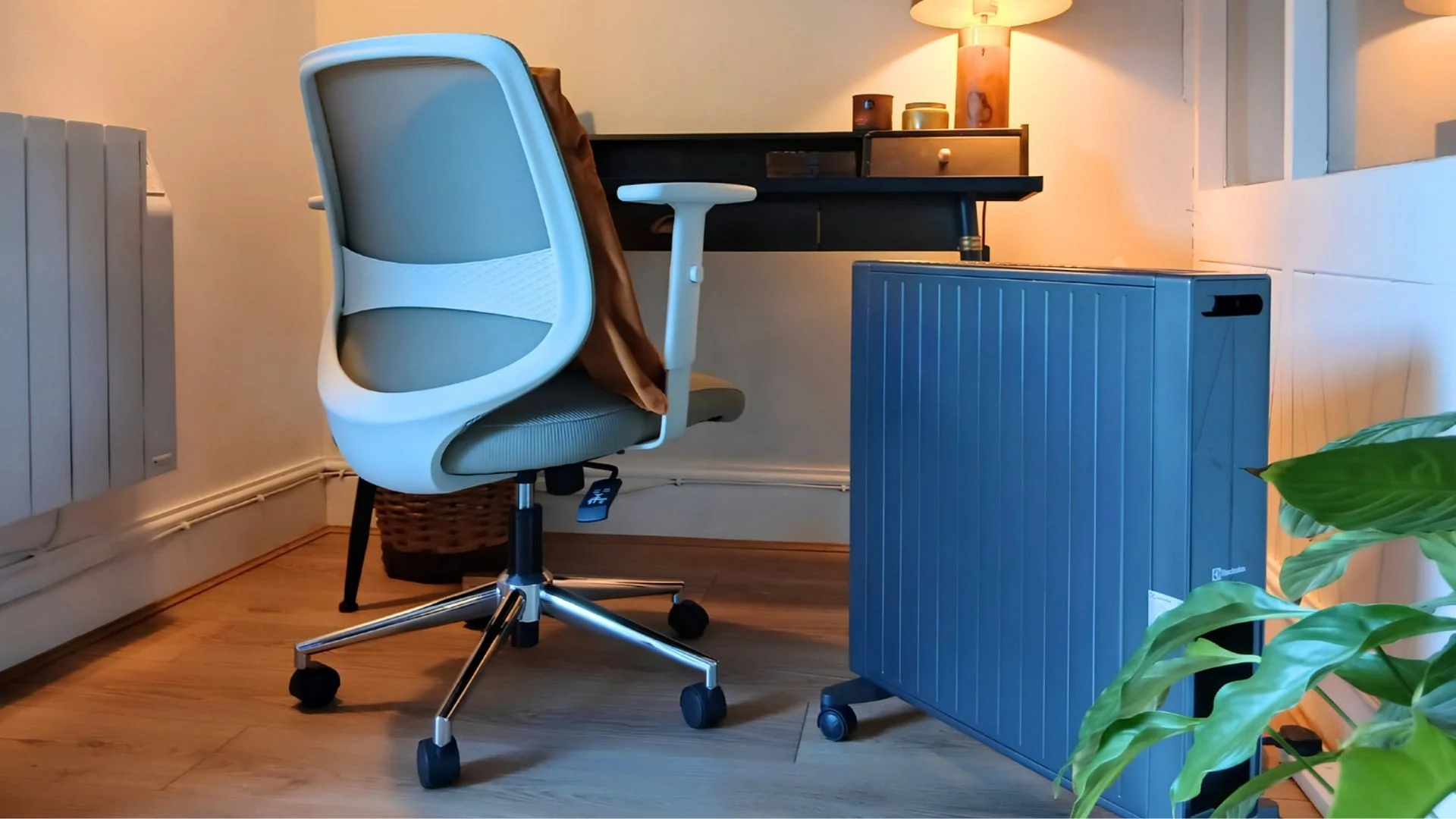
As the cool weather sets in, many will confront the annual dilemma of turning on central heating versus seeking alternatives like portable heaters, specifically for smaller spaces such as home offices. The primary motivation here is clear: heating a whole house just to warm one room can feel impractically wasteful. With the rising costs of energy, an exploration into whether a portable heater could effectively elevate comfort while saving on bills is enticing.
Cost Comparison: Central Heating vs. Portable Heater
The financial implications of using a portable heater compared to central heating are complicated. George Penny, a heating specialist from The Solar Co, highlights that electricity typically costs three to four times more per unit than gas. For instance, considering upcoming price caps, running a 2kW fan heater for five hours could set you back about £2.63 daily, while the same heat from a modern gas boiler costs around 89p. Over a typical winter span of 92 days, this discrepancy adds up to nearly £160.
However, things change when focusing on a single room. For example, Ben Rawson from Electric Radiators Direct mentions a 500W electric heater might only cost £1.04 to run for four hours, making it a more economical choice than heating an entire house.
Your choice of wattage and timing is critical; while a high-wattage heater running throughout the day offers poor value, a lower-watt option could be much better suited for intermittent use in smaller workspaces.
Is a Portable Heater a Practical Solution?
Not all home setups are equal, and practical application matters. Ben Rawson underlines that for dedicated home offices, portable heaters can be particularly effective. By using a heater in only the space you occupy, you avoid unnecessary heating in other rooms, effectively utilizing a practice known as zoned heating.
Matthew Powell, founder of WarmZilla, advises considering existing heating options before purchasing a portable unit. Effective zoning with smart thermostats may suffice, reducing the need for extra appliances. That said, if heating isn’t appropriately controlled, relying solely on a portable heater can lead to cold drafts and moisture accumulation, particularly in rooms that lose heat quickly.
Choosing the Right Type of Heater
Having selected an Electrolux 2kW Digital Eco Oil-Free Radiator with a remote for my workspace, it was essential to assess whether this choice aligns with expert recommendations. Rawson mentions these types of heaters heat quickly and are portable, making them ideal for smaller offices.
Experts suggest that oil-filled radiators excel in retaining warmth, making them fit for extended working hours. Ceramic heaters and infrared units serve well for quick heating, though fan heaters are best avoided for long-term use due to noise and quick heat loss.
Potential Drawbacks of Relying Solely on a Portable Heater
While my portable radiator passed initial tests for cost and usability, concerns linger about potential downsides. Experts warn that focusing on heating one room can lead to a chilly atmosphere elsewhere, risking the emergence of mold from dampness due to inadequate ventilation. Powell emphasizes this risk, suggesting a balance—such as allowing for some air circulation—should be maintained.
Ben Gallizzi from Uswitch echoes this sentiment, cautioning that one room's warmth might not compensate for the chill elsewhere. After thoughtful consideration, it appears prudent to supplement my portable heater usage with central heating settings modified to better manage the entire home’s warmth.
Final Thoughts on Efficient Home Heating
The consensus among experts is that while using a portable heater can save money in specific scenarios, certain parameters must be met. This includes singular occupancy of the room, the space being relatively insulated, and mindful usage rather than indefinite operation.
For my office, which suffers from drafty conditions with uninsulated walls, having the heater on while working remains viable—but completely shutting down central heating isn’t advisable. Monitoring the room for dampness will also be key in optimizing the balance between comfort and energy efficiency.
FAQs Regarding Portable Heaters
Is it safe to leave a portable heater on all day in a home office?
Experts unanimously caution against leaving any heater unattended for extended periods. It’s crucial to turn it off when leaving the room to mitigate fire risks and maintain safety.
Will using a portable heater show up on my smart meter?
Yes, it likely will, and keeping an eye on it can give you insight into your energy usage. A constant load from a portable heater is much more easily tracked compared to the variable consumption of a gas boiler.
Can I use a portable heater instead of central heating for more than one room?
Generally, this approach isn’t recommended. All consulted experts stress that portable heaters work best as single-room solutions. When multiple areas need warmth, central heating usually becomes the more economical and sensible choice.
Before you decide when to switch back to central heating, consider running a checklist to ensure your system is ready for the colder seasons ahead. A little preventive care can save you headaches as winter approaches.


Discussion
Sign in to join the discussion.