Lifeline, an artistic concept by Le Brun and Mestriner, challenges perceptions of climate-induced emergencies through a life jacket disguised as a tote.
The Concept Behind Lifeline
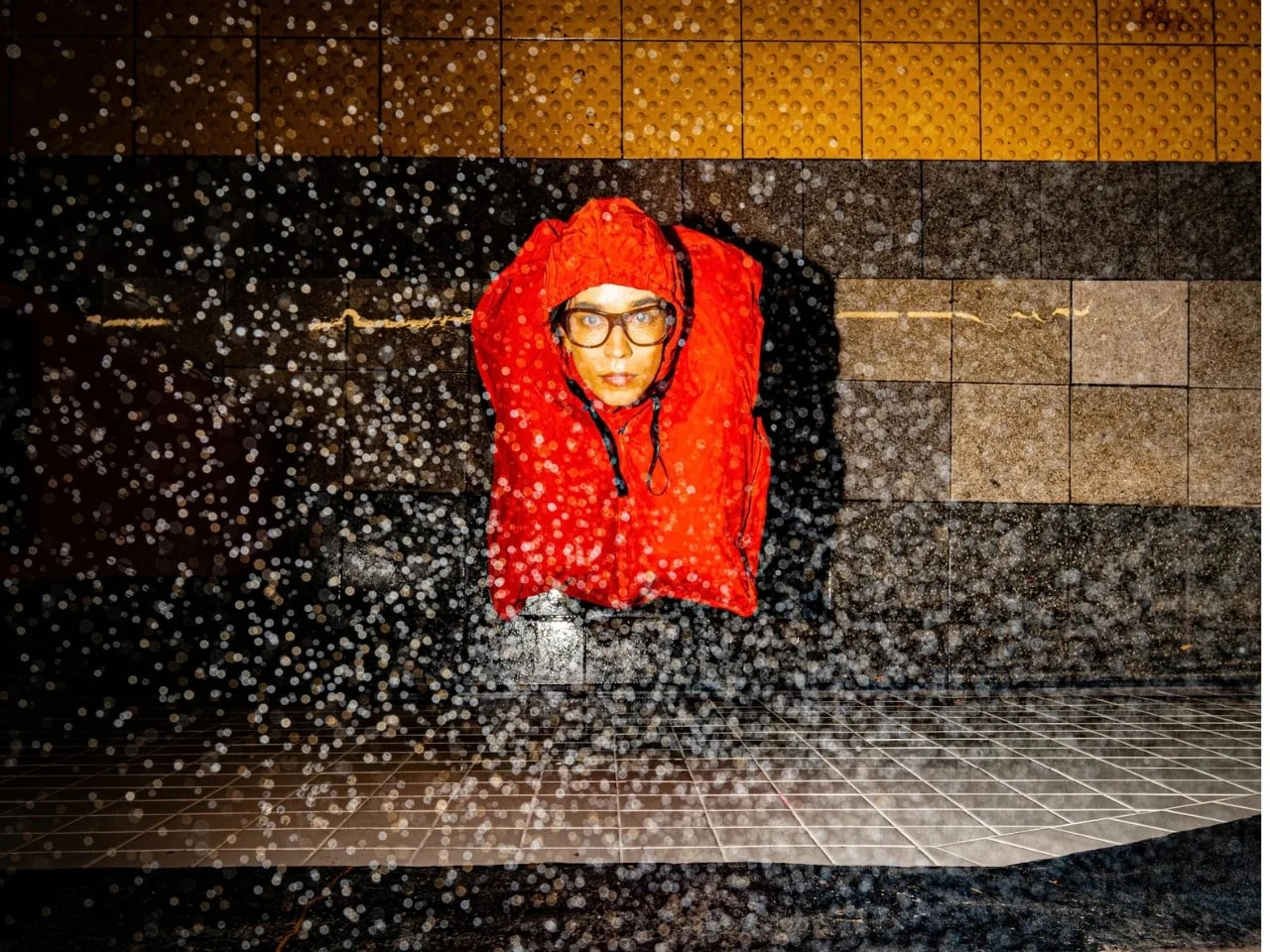
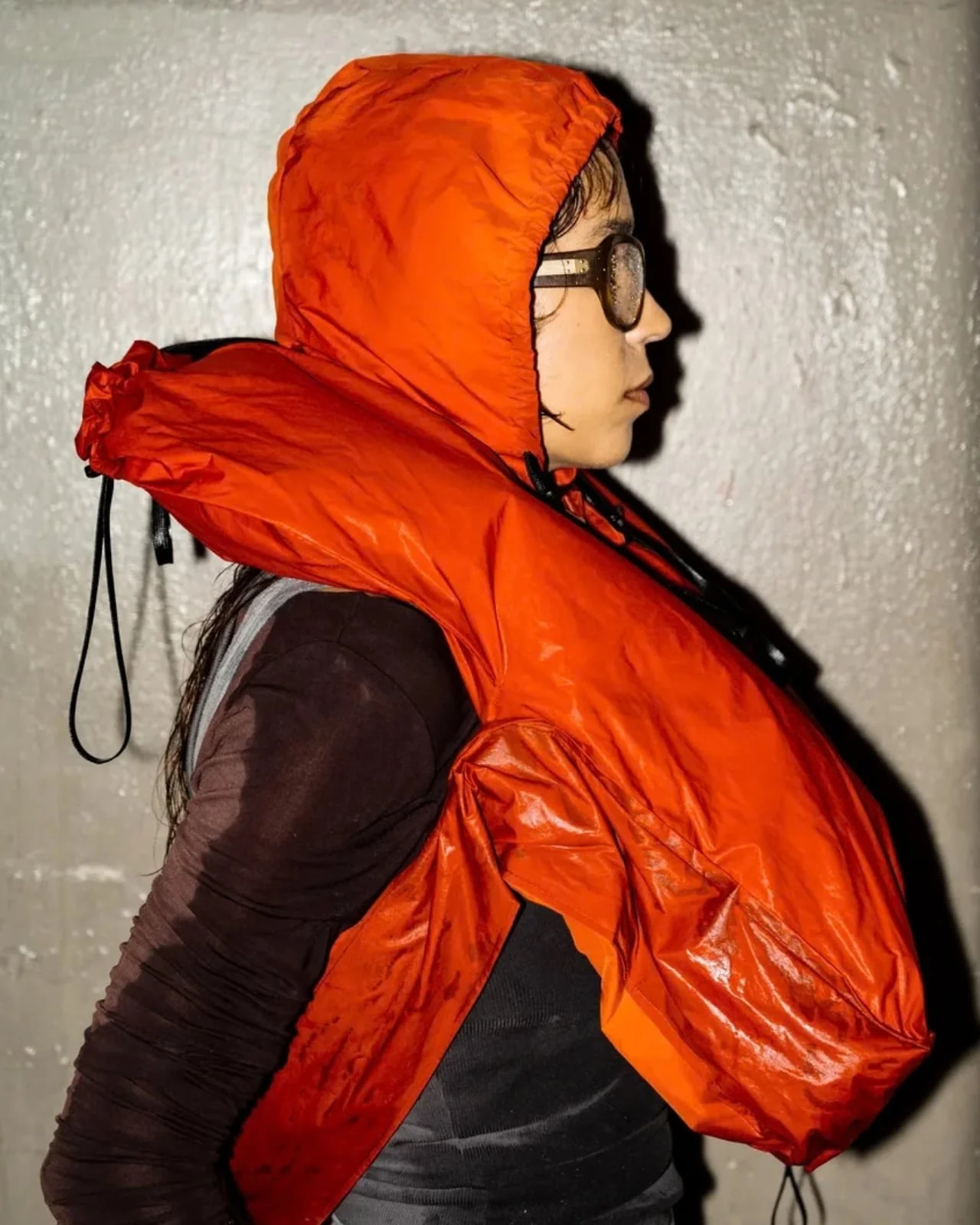
Imagine a commonplace tote bag that can transform from a transport tool into a life-saving device. This is the essence of Lifeline, a conceptual work by artists Phil Le Brun and Gabriela Mestriner that addresses an unsettling issue—New York City’s increasing vulnerability to catastrophic flooding. The design captures a multifaceted challenge: urban living in a time of climate instability. Can art drive awareness about environmental risks? In this case, it seems to emerge as a vehicle for critical thought.
Context of Urban Flooding
The concept serves as a response to years of flooding events, where extreme weather has transitioned from abnormal to commonplace. Climate change has escalated the frequency of severe weather events, turning once-in-a-century floods into annual occurrences. Data reveals that nearly 200 subway stations have experienced flooding, particularly highlighted by Hurricane Ida's record three inches of rain in just one hour back in 2021. That event served as a stark wake-up call for a city that has prided itself on resilience. Compounding this issue, the city now faces an alarming average of two severe weather alerts per week during summer months. Can daily life coexist with such threats?
Design and Functionality
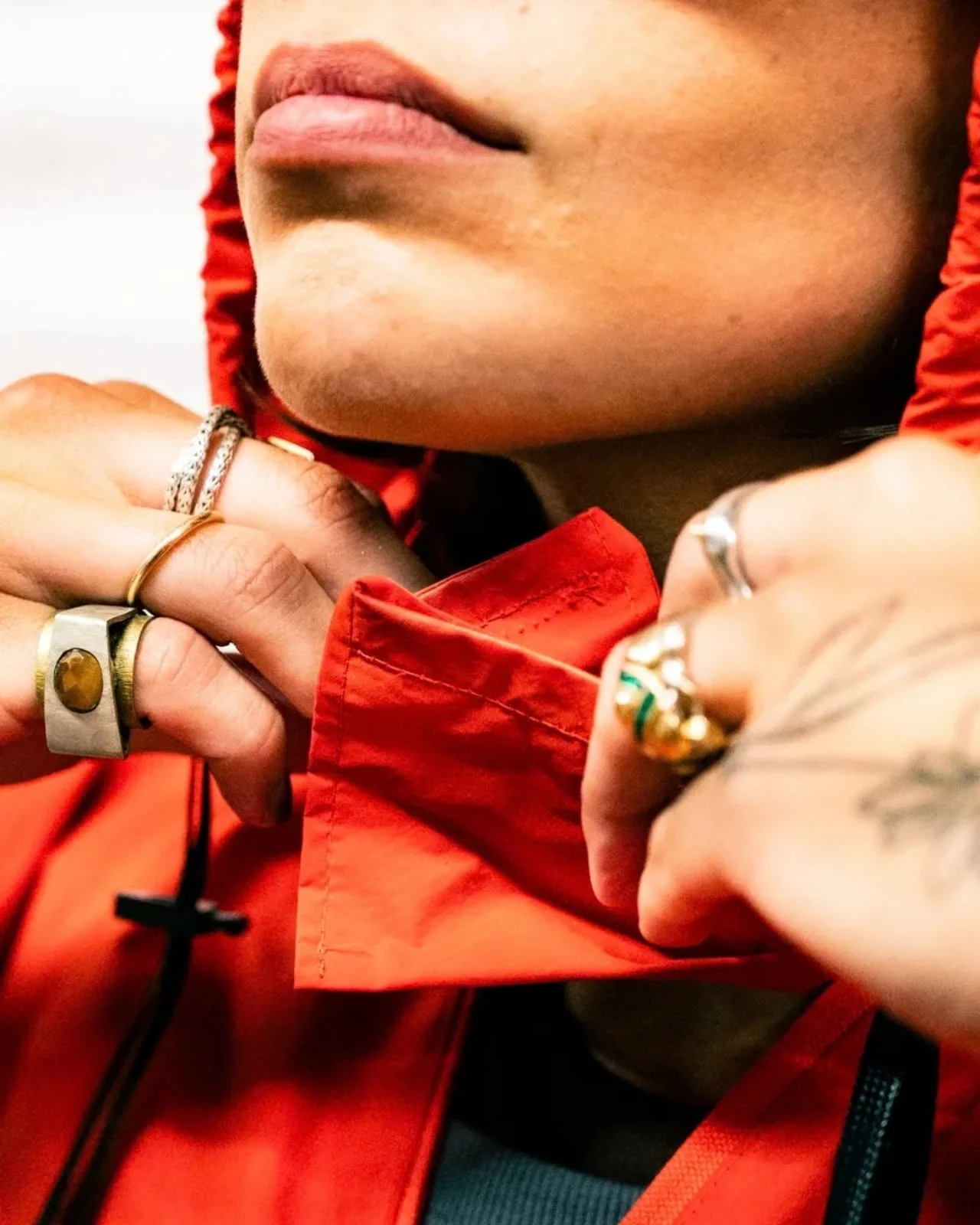
Creators Phil Le Brun and Gabriela Mestriner have crafted this piece with meticulous attention to detail. Mestriner ingeniously repurposed existing life jacket materials by heat-welding them into a tote-like structure using about three yards of nylon and other durable components. Eco-conscious choices reflect a growing understanding of design’s role in sustainability. It features a notably wide zipper that allows for easy inflation, which takes roughly 15 seconds when needed, accompanied by a detachable rain hood for added functionality. This makes the bag not only practical but also a compelling statement about how everyday objects can seamlessly adopt life-saving roles.
The Color and Symbolism
The vibrant orange color of Lifeline is particularly striking, reminiscent of cautionary symbols such as traffic cones or emergency signage. Le Brun refers to it as embodying the “language of emergency,” effectively elevating it above typical safety gear that often remains hidden until it is too late to act. This piece, worn openly, presents a new layer of interpretation; it invites contemplation on the absurdity of accessorizing an object meant for survival. (And this is the part most people overlook: the emotional resonance of its design speaks volumes more than the practical function alone.) It's a bold statement that asks wearers and observers alike to confront the uncomfortable truth of their vulnerabilities in an urban environment increasingly marked by climate crises.
Philosophical Undertones
The most poignant aspect of Lifeline is its philosophical framing. Le Brun describes it as an “essential that shouldn’t exist,” which encapsulates the paradoxical nature of urban existence amid climate change. The normalization of disruptions, whether through delayed transportation or impassable floodwaters, often obscures the urgent need for meaningful action. It forces one to grapple with a reality where preparedness becomes essential. Mestriner emphasizes this intersection of convenience and emergency, illustrating disparities in how different communities experience climate impacts. Just think about it: in affluent areas, emergency preparedness kits might sit untouched, while less privileged communities lack the resources to prepare adequately.
The Dialogue Lifeline Sparks
Although Lifeline isn’t commercially available—it premiered during Climate Week with intentions of sparking dialogue—its existence challenges commuters to reconsider their relationship with the climate crisis. Rather than merely relying on statistics or news headlines, it transforms this pressing issue into a tangible, almost absurd reality that resonates on a personal level. The idea that a simple tote bag could serve dual purposes—as a fashion statement and an emergency device—juxtaposes normalcy against the backdrop of dire circumstances.
Implications and Future Outlook
The imagery of Lifeline in a subway setting oscillates between glamour and survival, encapsulating the duality of modern life in New York. With each passing season, climate change continues to redefine urban existence. The city remains in motion, persistently navigating through disruptions. Yet Lifeline serves as a stark reminder that resilience can disguise denial until faced with an overwhelming reality—when the water starts to rise. If you're working in this space, whether as a designer, policymaker, or activist, it's essential to consider how artistic expressions can shape public discourse on climate preparedness. The implications are profound; Lifeline compels us to envision a future where preparedness doesn't just exist as an afterthought but as part of our everyday fabric.
The post Nobody Wants This Life Jacket Hidden in a Tote Bag first appeared on Yanko Design.
Discussion
Sign in to join the discussion.