Explore the cloud capping trend, a softer approach to ceiling painting that enhances interior space with coordinated colors and tonal depth.
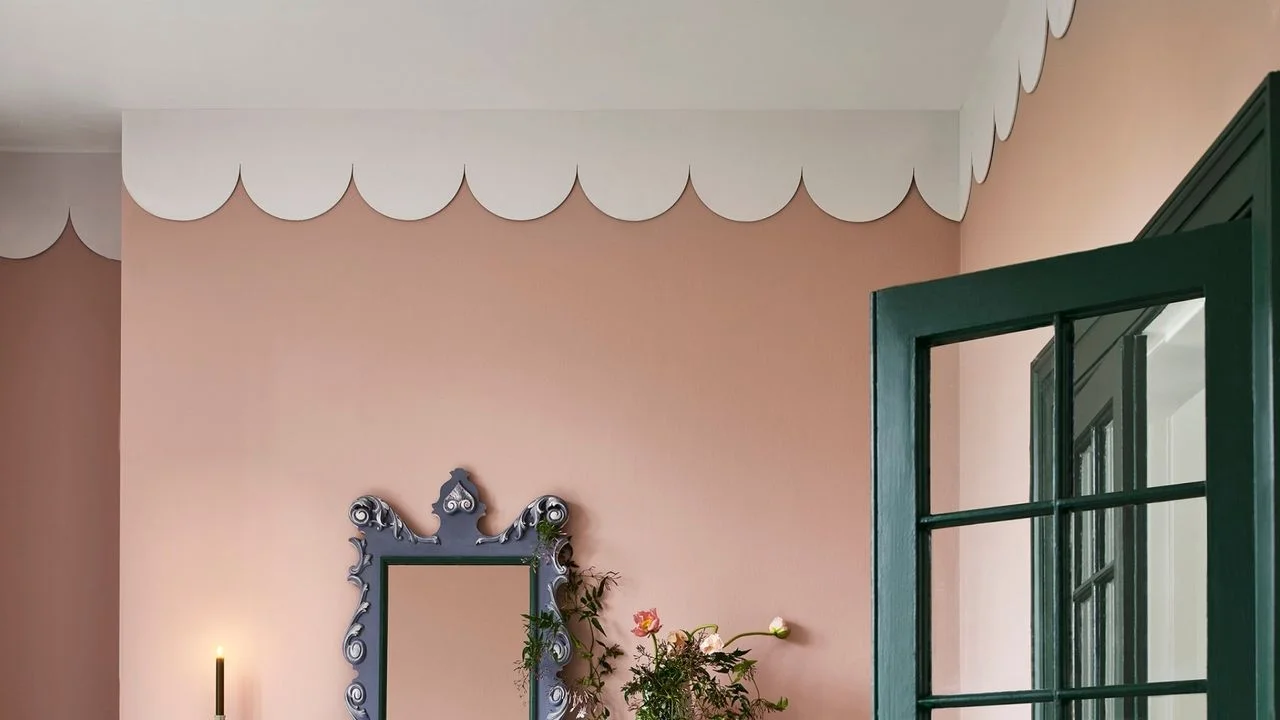
The traditional approach to ceiling colors has long favored the starkness of Brilliant White, a choice often made without much consideration for the surrounding walls. However, the burgeoning trend of cloud capping is reshaping this dated standard, offering a fresher take that elevates interior design.
Distinct from its closely related methods like colour capping and colour drenching, cloud capping primarily employs softer, tonal variants of white. This trend isn’t just about slapping on paint; it’s an artful decision to harmonize the color of the ceiling with that of the walls, enhancing the overall ambiance of a room.
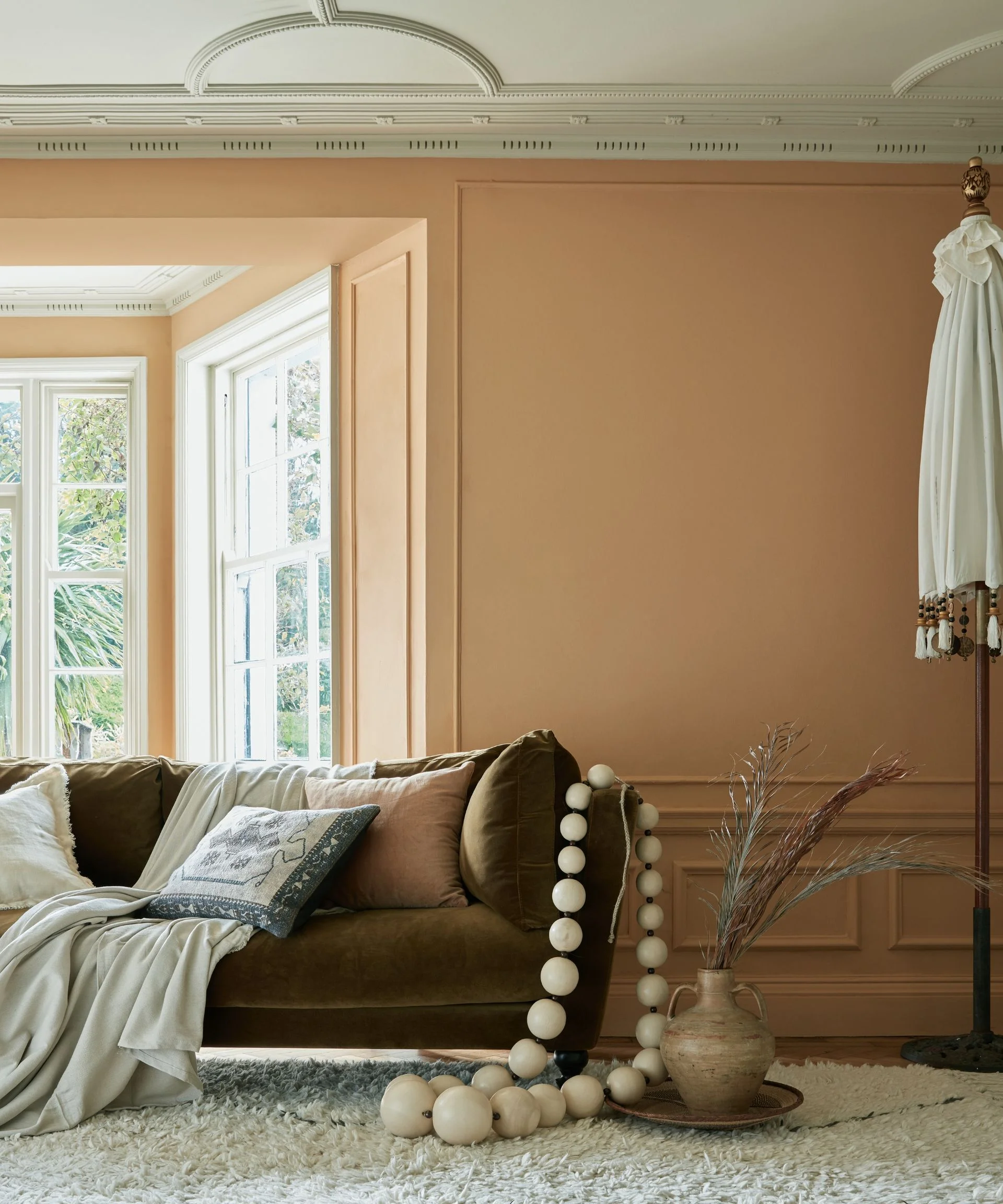
Understanding Cloud Capping
Cloud capping centers on the innovative idea of unifying all walls and woodwork under a single, powerful color, while the ceiling showcases a lighter hue. Jimmy Englezos, senior brand manager at Ronseal, emphasizes that unlike traditional bright white ceilings, the cloud capping method hinges on utilizing a ceiling color that resonates with the undertones of the walls.
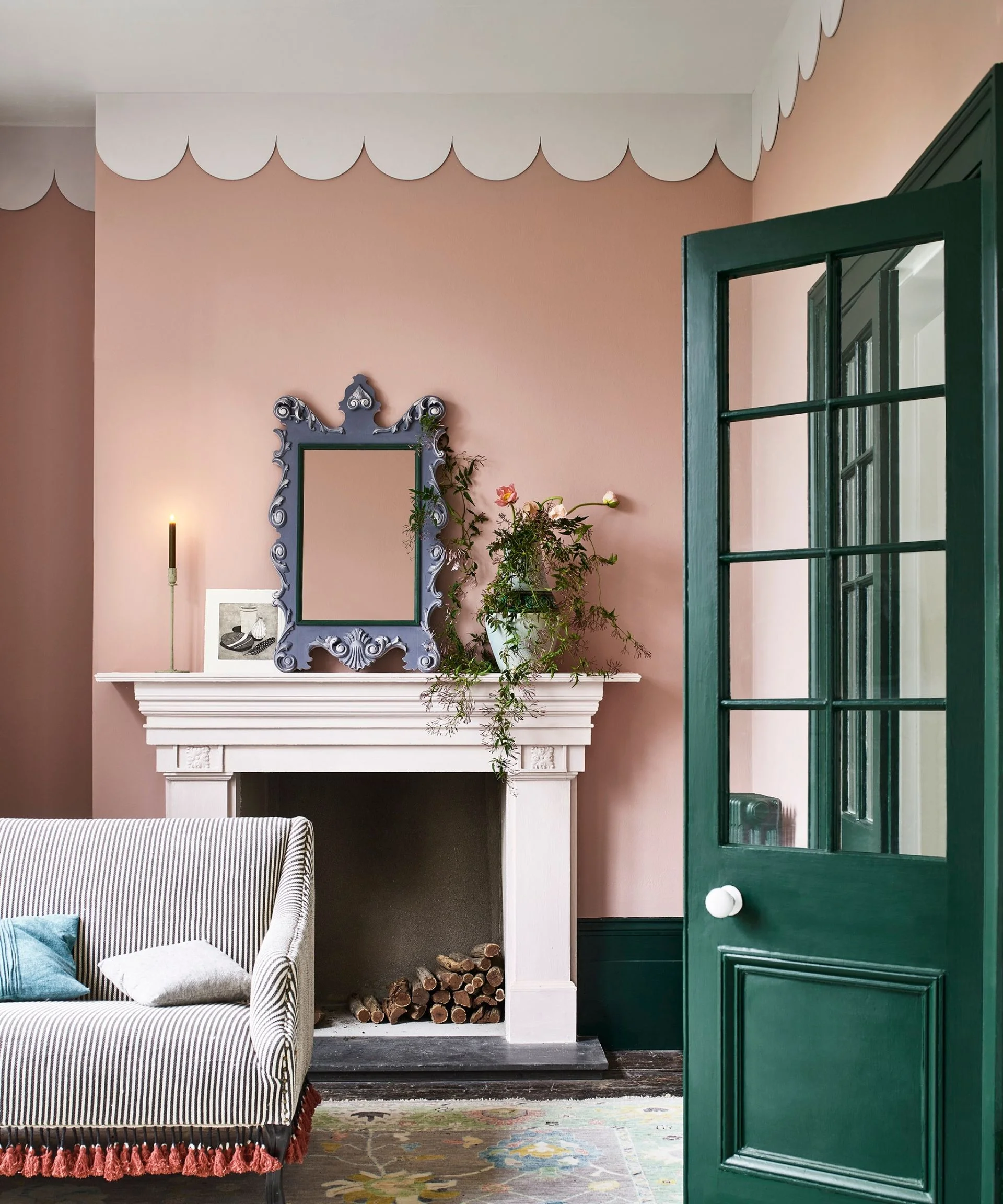
Distinguishing Features of Cloud Capping
What sets cloud capping apart from colour capping and colour drenching is its emphasis on tonal harmony rather than contrasting shades. While colour capping relies on striking contrasts in hue to achieve a dramatic effect, cloud capping subtly heightens the sense of space by blending the walls with a complementary ceiling tone. Annie Sloan notes that colour capping tends to favor graphic transitions, whereas cloud capping focuses on softer gradations, creating a more seamless visual relationship between colors.
Optimal Spaces for Cloud Capping
The versatility of cloud capping means it can easily adapt to various rooms and design aesthetics. Particularly effective in spaces brimming with architectural interest, such as those with cornices and beams, it allows paint to accentuate rather than obscure these features. Englezos also argues for using this technique in poorly lit rooms, where softer shades can provide a brighter feel without overwhelming the senses.
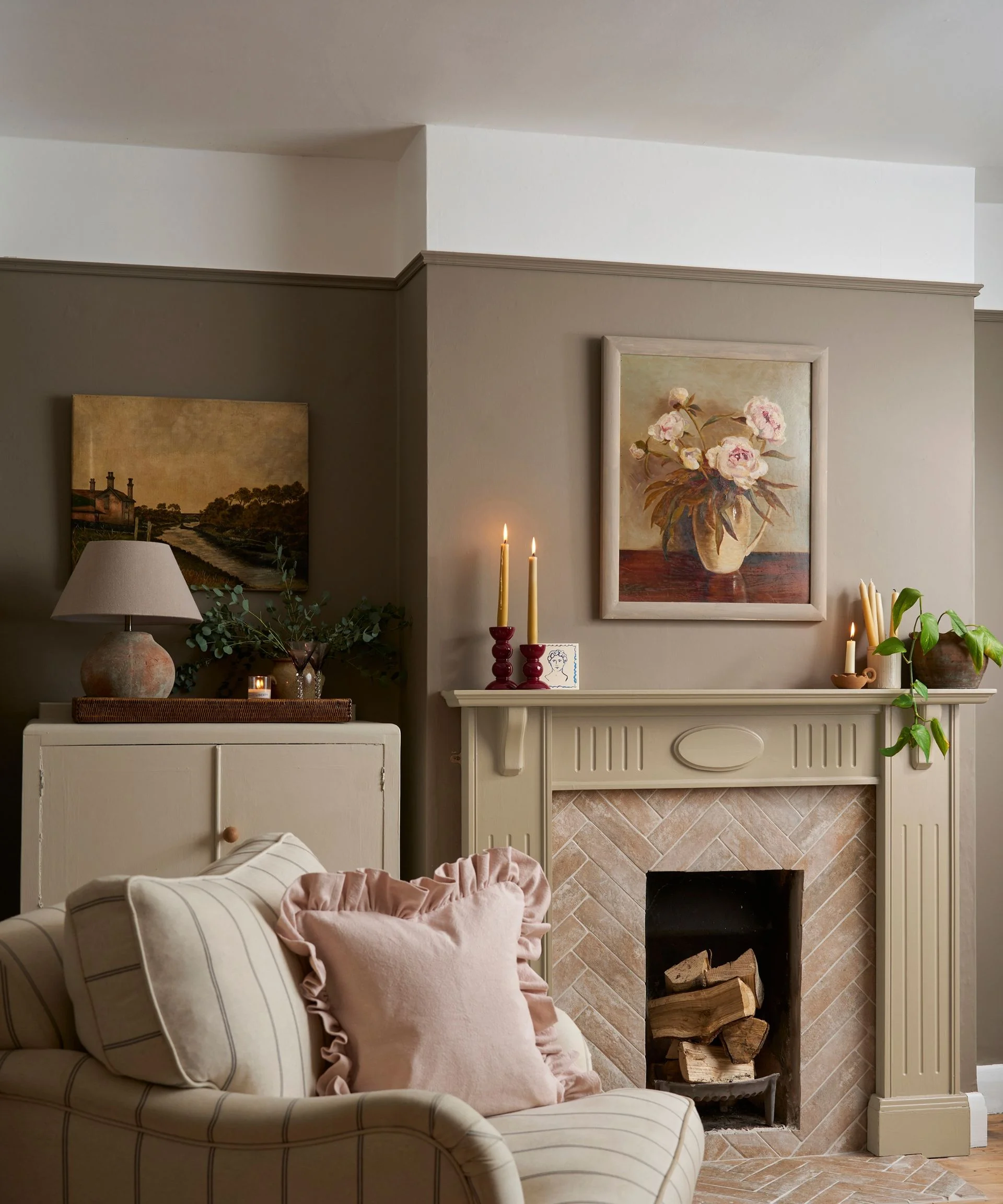
The Dos and Don'ts of Cloud Capping
To ensure the effectiveness of cloud capping, here are some practical guidelines:
- Do select a ceiling shade that maintains the same undertones as your walls. A cohesive color scheme is key.
- Do conduct thorough tests with color samples in different lighting throughout the day to avoid undesirable surprises.
- Don't automatically choose Brilliant White for your ceiling; it can clash with softer wall hues.
- Don't overlook the influence of natural light in the room, as this affects how colors will appear.
Selecting the Right Shade for Cloud Capping
When it comes to shade selection, color undertones play a pivotal role. Annie Sloan suggests opting for shades like Original, a warm, creamy white, or Old White, a sophisticated neutral that complements various palettes.
A color perceived as white can change drastically in varying rooms due to interactions with other colors and lighting conditions, reinforcing the need to view the sample in the actual environment before finalizing a decision.
A Gradual Transition
If fully committing to a color feels daunting, consider a blended approach. Cathryn Sanders, creative head at Earthborn, recommends extending the ceiling color onto the upper wall section, particularly to picture rail height. This technique creates an engaging transition while enhancing architectural interest.
Common Questions About Cloud Capping
Is Cloud Capping a Passing Trend?
While trends are often short-lived, cloud capping builds on a classic concept rather than discarding it. Englezos believes that the continued preference for brilliant white ceilings underscores the inherent appeal of this approach, with cloud capping refining the concept rather than reinventing it entirely.
When Might Cloud Capping Not Be Suitable?
While adaptable, cloud capping isn’t universally ideal. Consider room architecture and natural light levels carefully before opting for this technique. Englezos and Sloan both advise that spaces with limited light may necessitate a more cautious approach. If the desired atmosphere leans toward cozy and dramatic, techniques like colour drenching might suit better.
Ultimately, explore your options. Whether considering striking techniques like the peek-a-boo paint trend or vibrant hues for a feature wall, the choice should reflect your personal aesthetic and the ambiance you wish to create in your home.



Discussion
Sign in to join the discussion.