Understanding different types of electrical sockets is crucial for enhancing both functionality and aesthetics in your home.
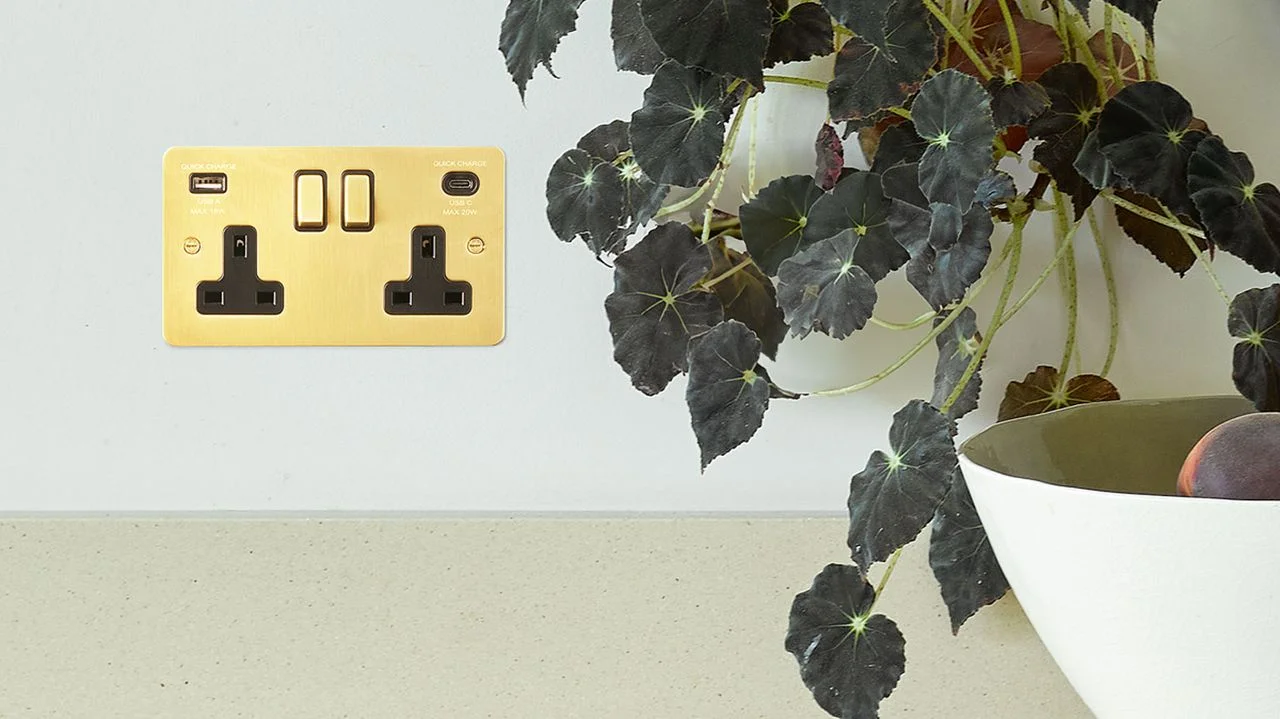
When it comes to interior design, it's easy to overlook details like electrical sockets and switches, but these elements play a significant role in both form and function. Neglecting to consider the right type of sockets can lead to frustrating experiences, especially as many homeowners are often fatigued by design decisions near the end of a project. However, choosing the appropriate electrical sockets can elevate a home's overall appearance and functionality, ensuring that everyday tasks run smoothly.
Standard Single and Double Sockets
Standard sockets, particularly the 13A double variant, remain the most prevalent choice in UK homes. Charanjit Mannu, director of Elec Training, emphasizes their widespread acceptance, stating, "Most UK homes have the standard 13A double socket, which is still widely regarded as one of the best all-around options." Marvin Adams, managing director at EMAY Electrical, backs this assertion and explains that these sockets accommodate daily appliances such as TVs, lamps, and kitchen gadgets. He recommends opting for double sockets where space allows, as they provide flexibility and can help avoid future socket additions.
USB Sockets
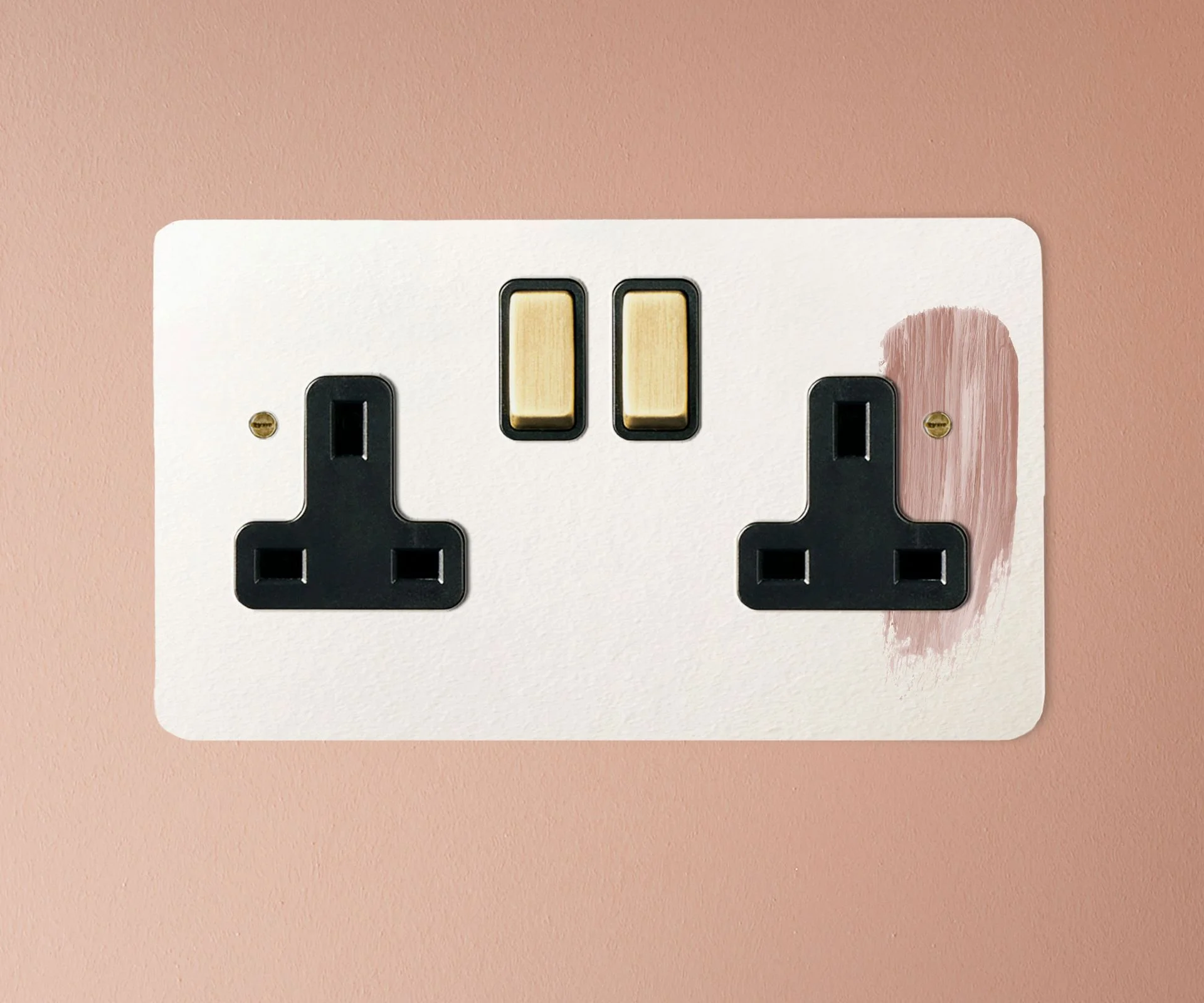
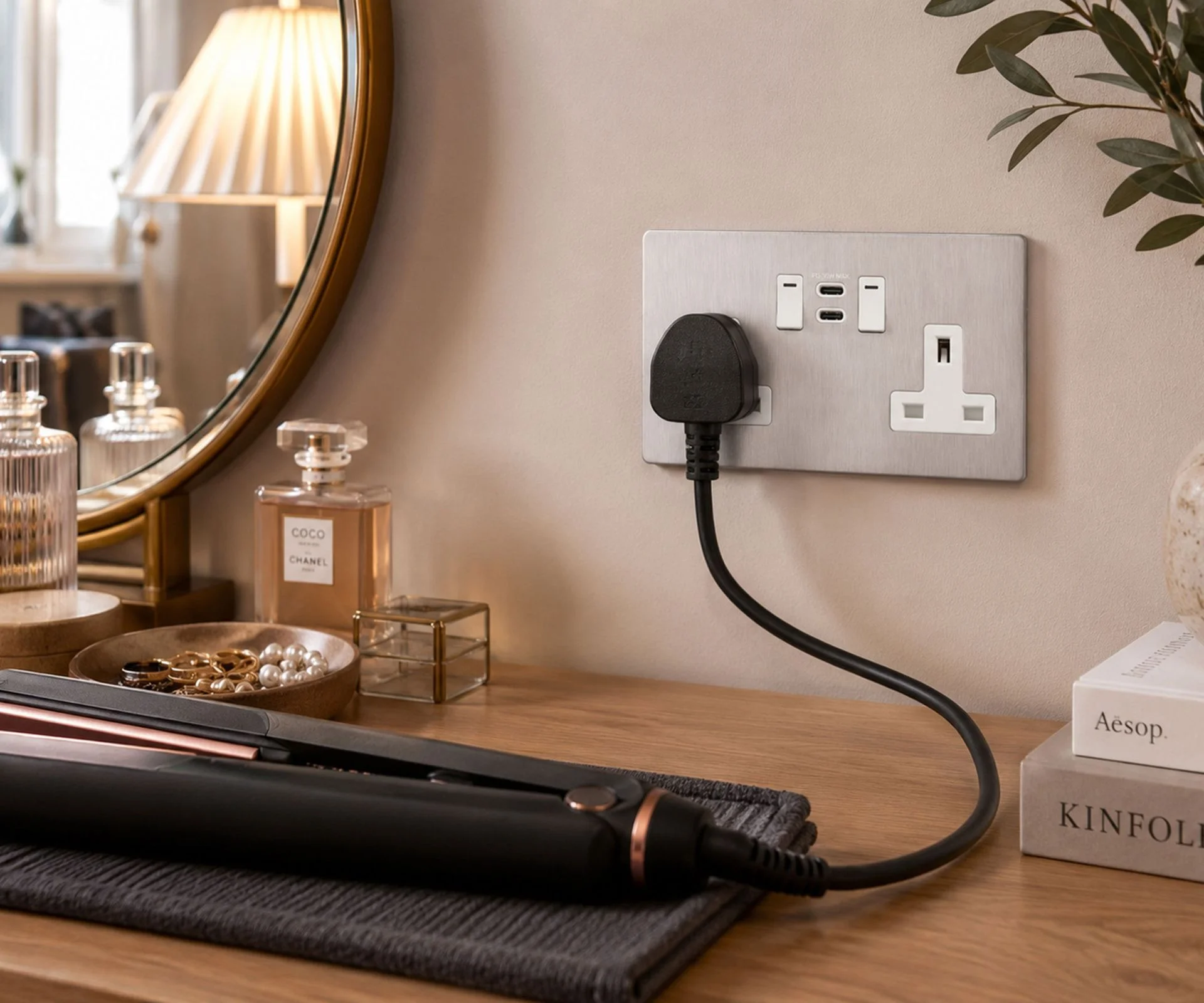
USB sockets have become a staple in modern homes, particularly useful in households where device charging can lead to conflicts over power sources. As Marvin Adams notes, "USB sockets allow you to charge devices like phones and tablets without occupying traditional main sockets." With evolving technology, many USB sockets now feature USB-C connections, facilitating faster charging. However, Charanjit Mannu advises that homeowners should assess the wattage, especially when considering laptops and higher-powered devices.
While USB sockets offer convenience, Stephen Mclaughlin cautions about their lifespan: "The USB port tends to fail before the socket itself." This nuance is worth considering if you're planning installations.
Smart Sockets
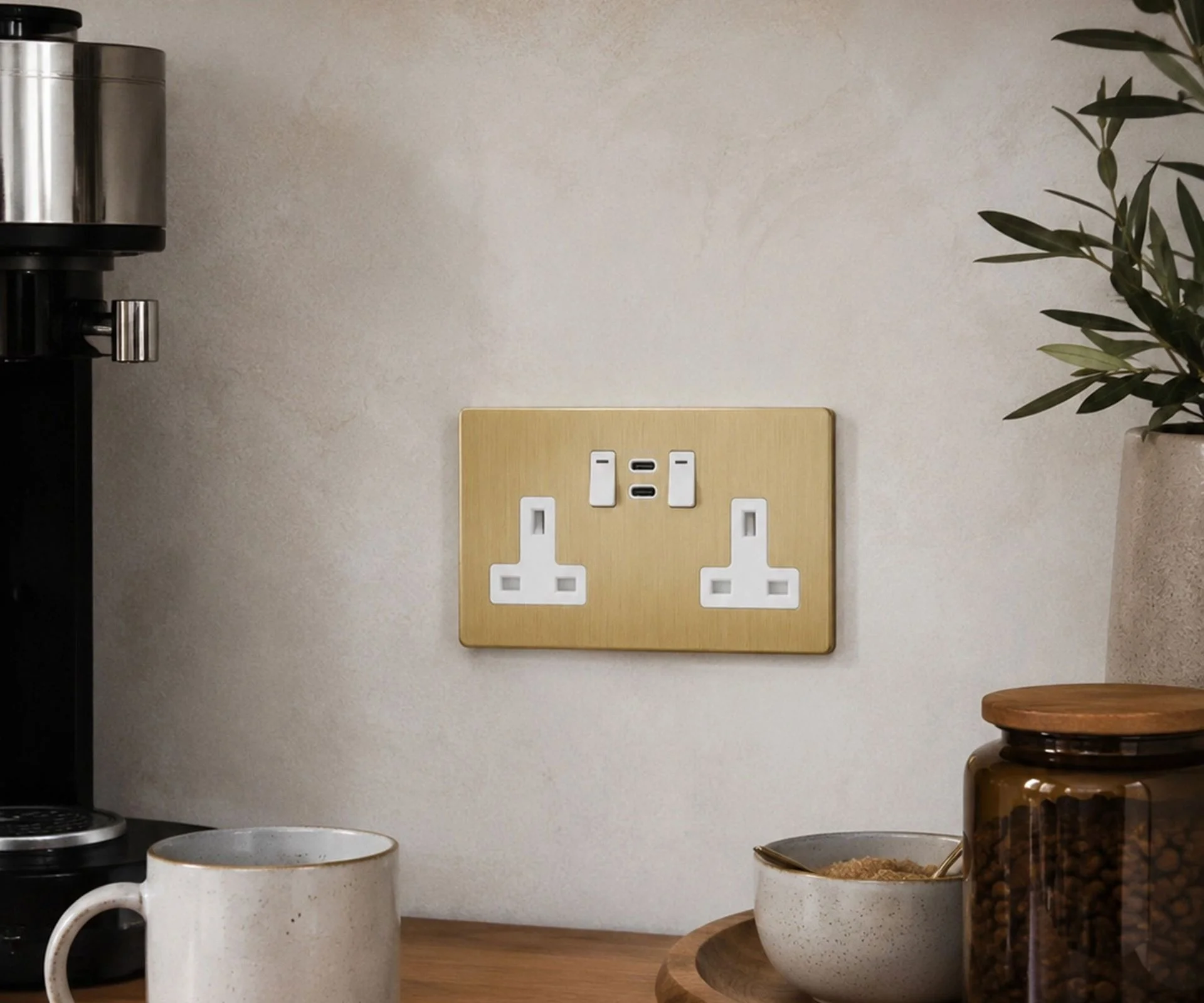
Smart home technology is rapidly advancing, and electrical sockets are no exception. Installing smart sockets can modernize your home significantly. Marvin Adams explains, "Smart sockets connect to your home Wi-Fi and allow remote control of appliances." This feature can enhance energy monitoring and scheduling capabilities.
However, these come at a higher price, and some depend on stable internet connectivity. Marvin suggests only installing them where their features are genuinely useful. For a simpler approach, Stephen Mclaughlin recommends using plug-in smart adaptors as an economical alternative.
Shop Smart Sockets
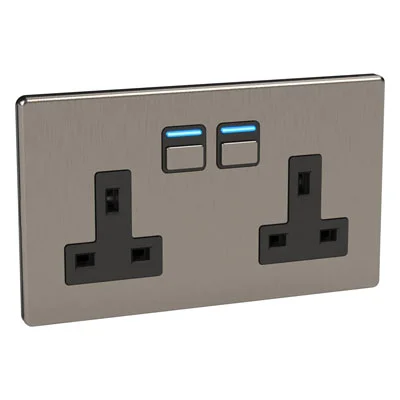 Monitors energy
Control power and monitor energy consumption via the Lightwave app. Compatible with Alexa and Google Assistant.
RCD-Protected Sockets
RCD (Residual Current Device) sockets provide extra safety by cutting power if they sense an imbalance in electrical current. While they might be unnecessary for most homeowners, Marvin Adams notes they can benefit older homes without modern fuse boards. However, he cautions that they're more expensive and should not replace proper electrical system safeguards.
Outdoor Electrical Sockets
Installing outdoor sockets necessitates careful consideration to ensure safety. They must be weatherproof, RCD-protected, and equipped with a secure cover. Stephen Mclaughlin stresses the importance of using sockets designed for outdoor conditions to prevent hazards associated with moisture. Though these sockets typically come at higher prices, they are essential for outdoor equipment like lawnmowers and holiday lights.
Which Type of Socket is Best Where?
Beyond knowing the number of sockets needed in each room, it's critical to select the right type for each space:
Kitchen: High-power appliances necessitate ample socket availability; positioning around work areas is key.
Bathrooms: Strict guidelines govern socket placement due to water risk; consult an electrician for compliance.
Home Offices: Ample conventional sockets enable a clutter-free workspace. USB-C ports are beneficial but shouldn’t replace standard sockets.
Living Rooms: Standard double sockets are typically adequate, supplemented by USB sockets near frequently used areas.
Bedrooms: Consider socket placement for bedside convenience; USB-C sockets can reduce clutter by eliminating multiple adapters.
How Much Do Different Types of Sockets Cost?
The costs associated with electrical sockets can accumulate quickly, so being informed about pricing is wise. Standard UK sockets usually cost around £3, but installation costs vary. Design differences also influence price, with options ranging from basic plastic to more aesthetically appealing finishes like brushed steel, which range from £15 to £30 per unit. Marvin Adams suggests that coordinating socket upgrades and renovations saves both time and money.
FAQs
Switched vs. Unswitched Sockets – Which Goes Where?
Switched sockets offer convenient power control, while unswitched counterparts are useful for built-in appliances hidden from regular reach. It's advisable to consider appliance types when deciding which socket to install.
Matching your sockets and switches can lead to a cohesive and polished look in your home, further enhancing its comfort and style.
Discussion
Sign in to join the discussion.