Prepare your strawberry beds this September with key tasks to ensure a bountiful harvest next year, from pruning to planting new varieties.
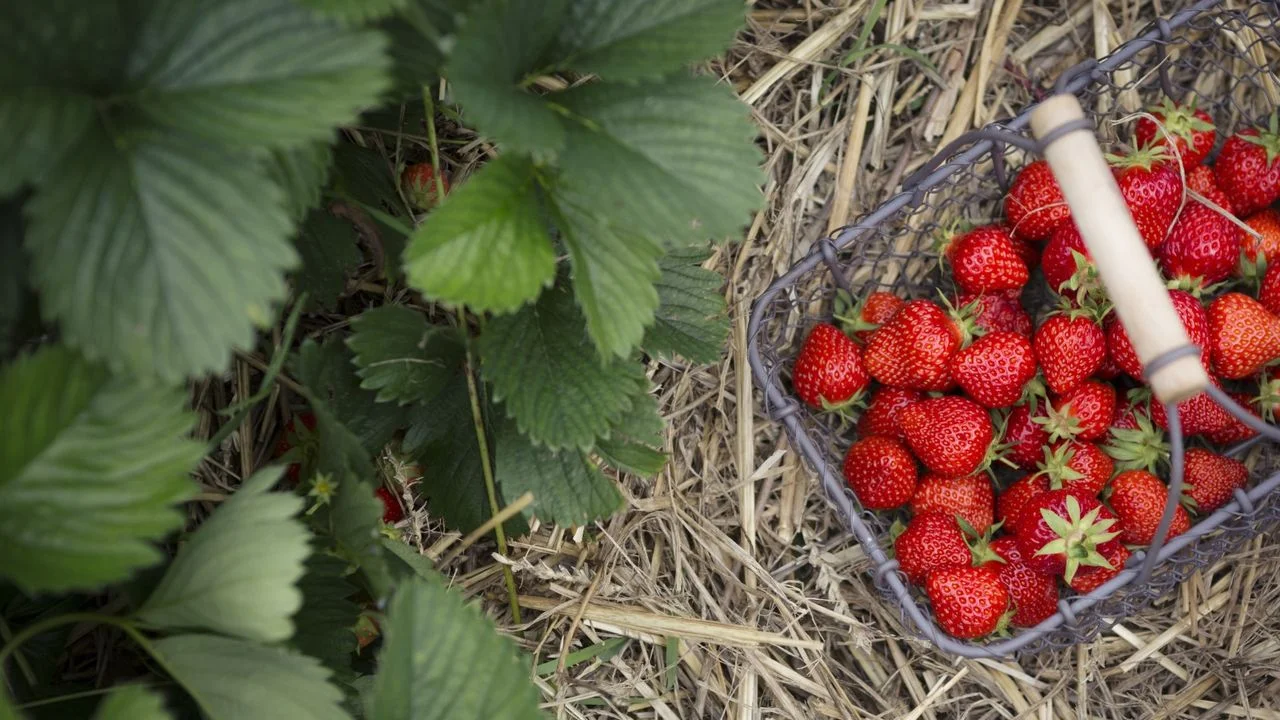
As the summer sun fades, it's easy to forget about next year’s strawberry harvest. However, the steps you take this month will significantly influence the health and yield of your plants in the upcoming growing season. The payoff? Sweeter, juicier strawberries, and longer-lasting plants.
Strawberries come in three primary varieties: summer-fruiting, everbearing, and day-neutral. Summer-fruiting plants produce a single flush of berries in midsummer, while everbearing types yield sporadic harvests throughout the warmer months. Day-neutral varieties can bear fruit at any time of the year if conditions are right, though their flavor may not match that of the other types. Understanding your strawberry plants is key to optimizing their care and guiding your cultivation techniques.
Now, let’s explore five essential tasks to tackle this September that will bolster your strawberry crop for next year.
Tidy Up Your Strawberry Beds and Pots
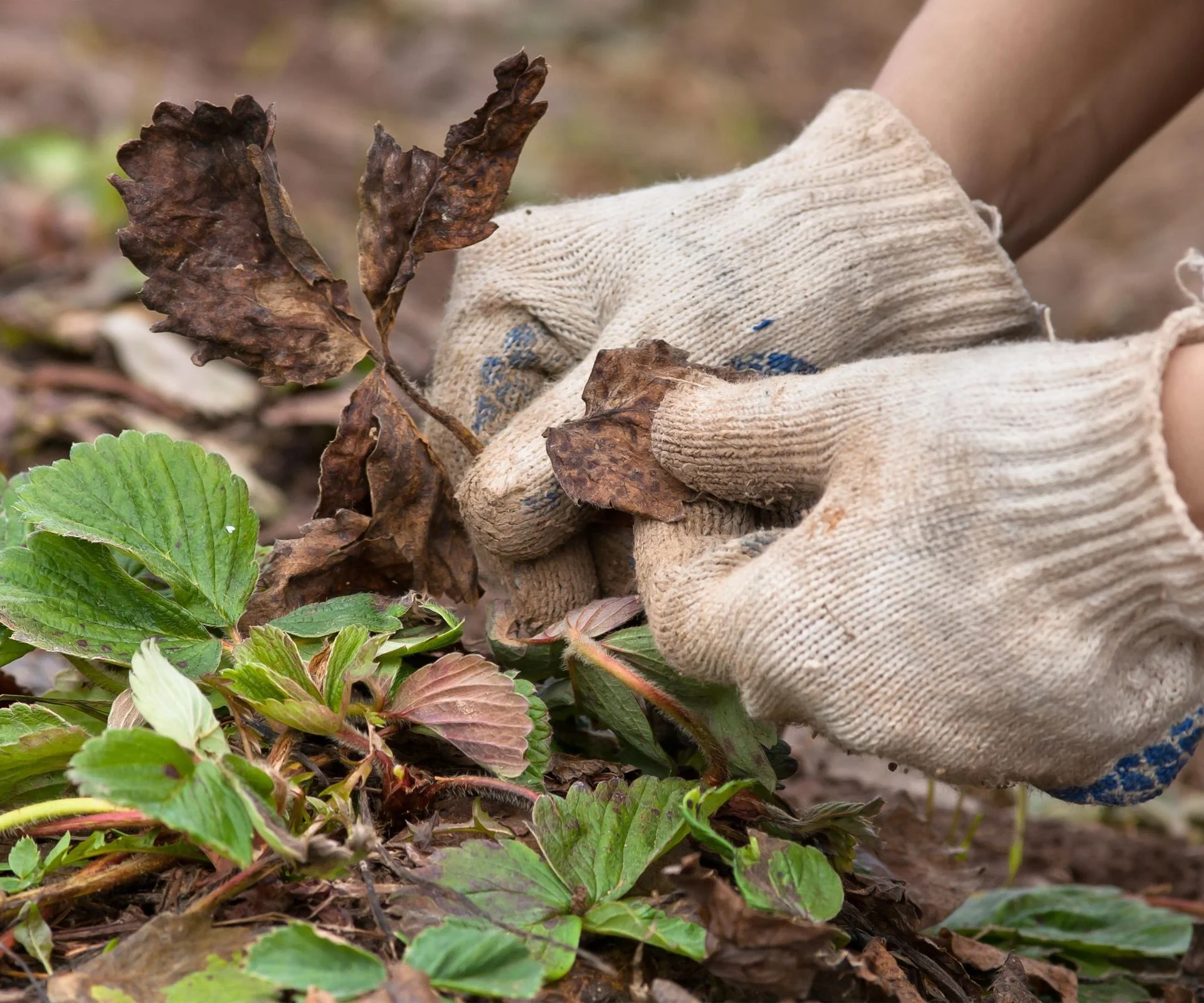
Start by weeding your strawberry beds thoroughly. Ensure you completely remove any deep-rooted weeds like dandelions to prevent their regrowth in spring. I find a reliable weed puller from Lowe’s particularly useful for this task. Clear away debris and old mulch as well—this can attract pests and diseases.
Next, remove unwanted runners by cutting them at the crown with sharp pruning shears. A small pair of garden snips will allow for precise cutting. Keep any healthy plantlets with intact roots.
While tidying, thin out the plants to 6-12 inches apart. This reduces competition for nutrients and space, allowing remaining plants to yield larger fruits. A clean environment also limits potential viral infections that can spread through pests in the soil.
Propagate New Strawberry Plants from Runners
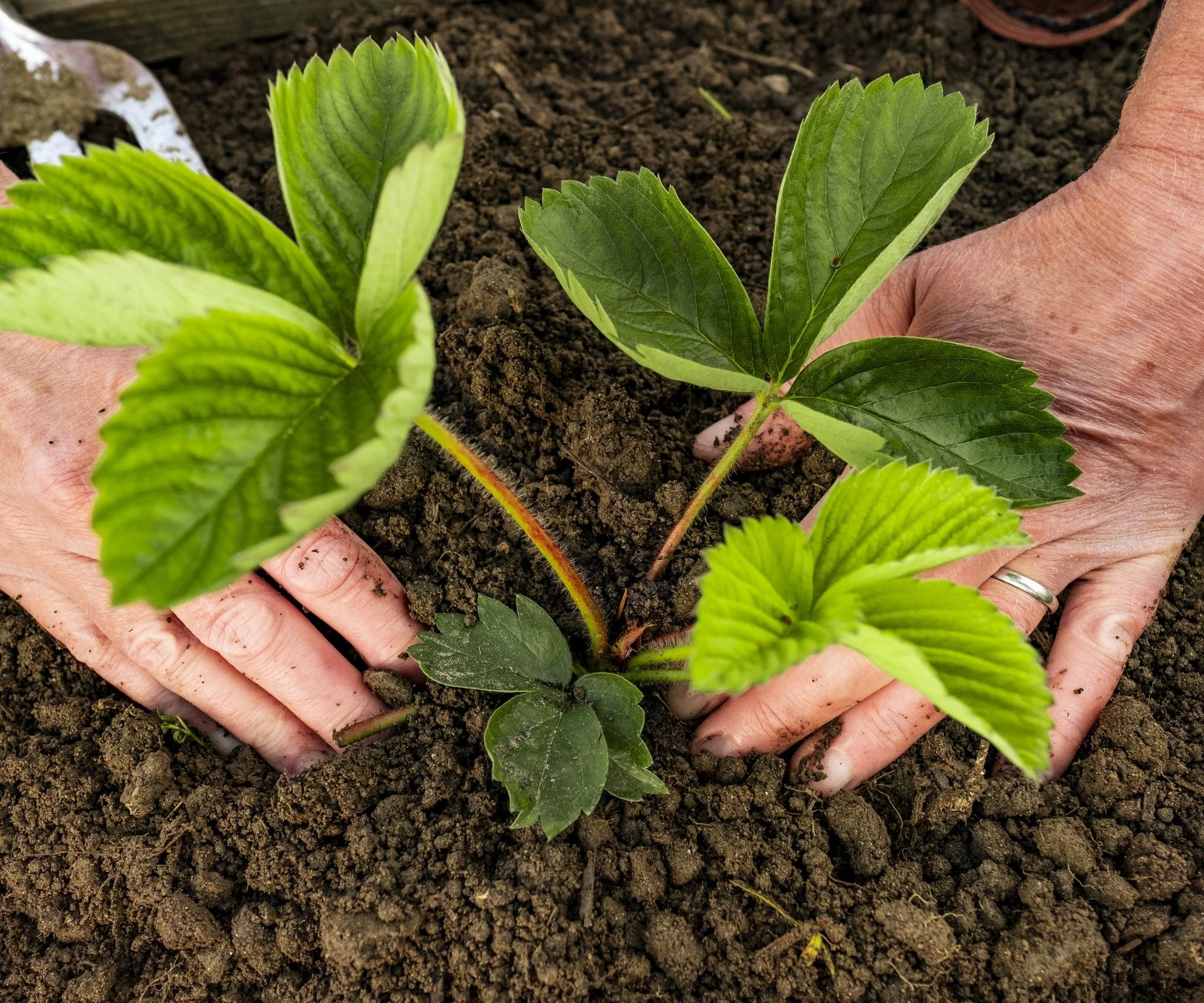
September is perfect for propagating new strawberry plants from the runners that have sprouted. To do this, select four or five healthy runners from each plant—discard the rest. Prepare small pots filled with moist potting soil and position them in the ground near the parent plants. Gently peg the runners into the pots with small garden supports or wire. This encourages rooting.
For runners that can be directly pegged into the soil, ensure they’re secure until they establish their roots, typically taking a month or two. If you encounter any ready-rooted plantlets during your earlier cleanup, these can be directly relocated to new pots or beds.
Plant New Strawberry Plants
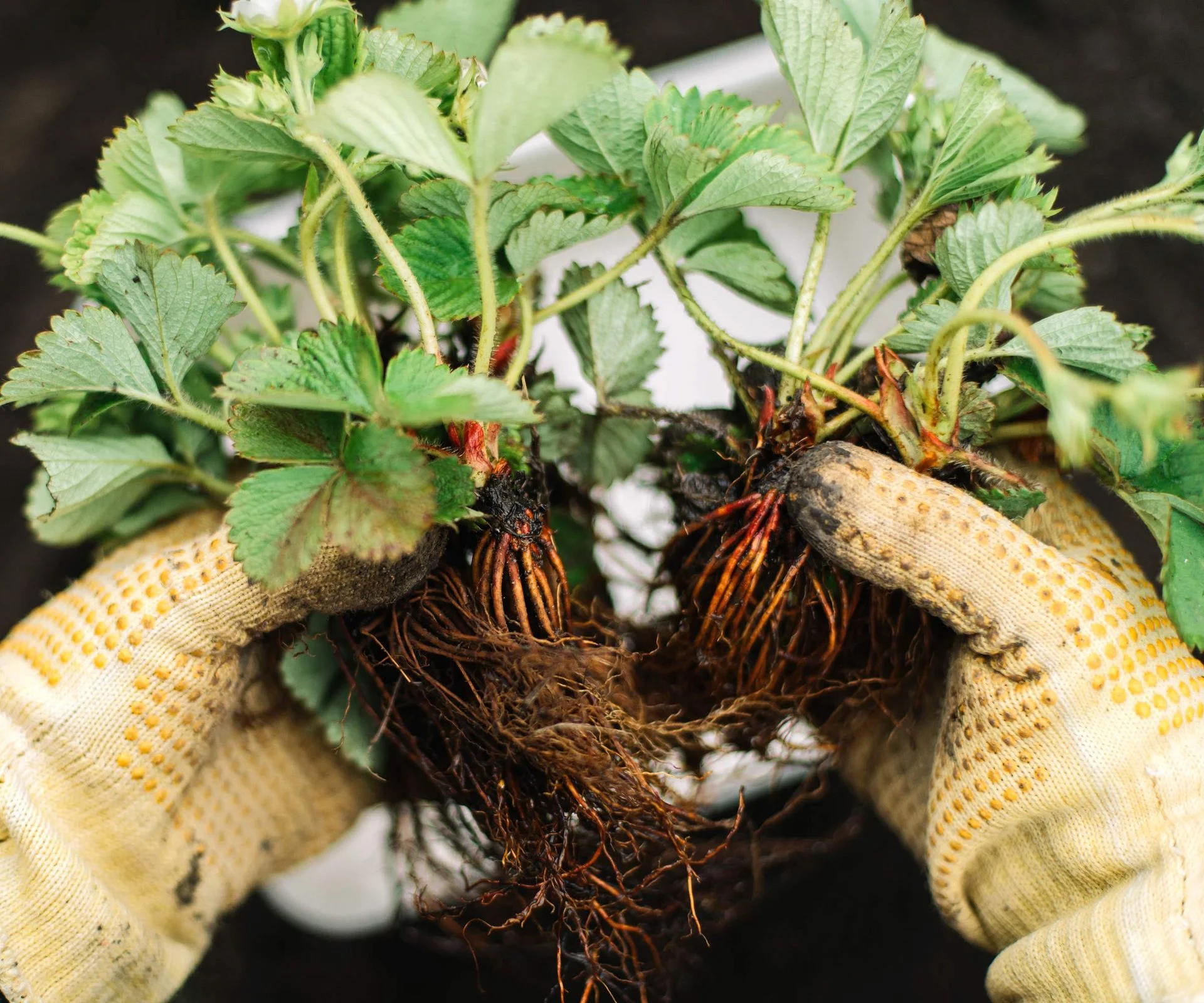
For gardeners in USDA Zones 8 to 11, now is the ideal time to plant bare-root strawberry varieties. If you’re in a cooler region, consider waiting until spring. Research the best varieties suited for your area to ensure successful growth.
If you're planting this fall, soak your bare roots for about 30 minutes prior to planting for the best results. Place the plants approximately 12 inches apart, making sure the crown is level with the soil surface to prevent rotting. Additionally, spread the roots gently within the planting hole to promote healthy growth.
When using containers, opt for nutrient-rich compost. A mix of biochar compost and vermiculite, like Viagrow, will enhance drainage. Once planted, be sure to water them in thoroughly.
Feed Your Strawberry Plants
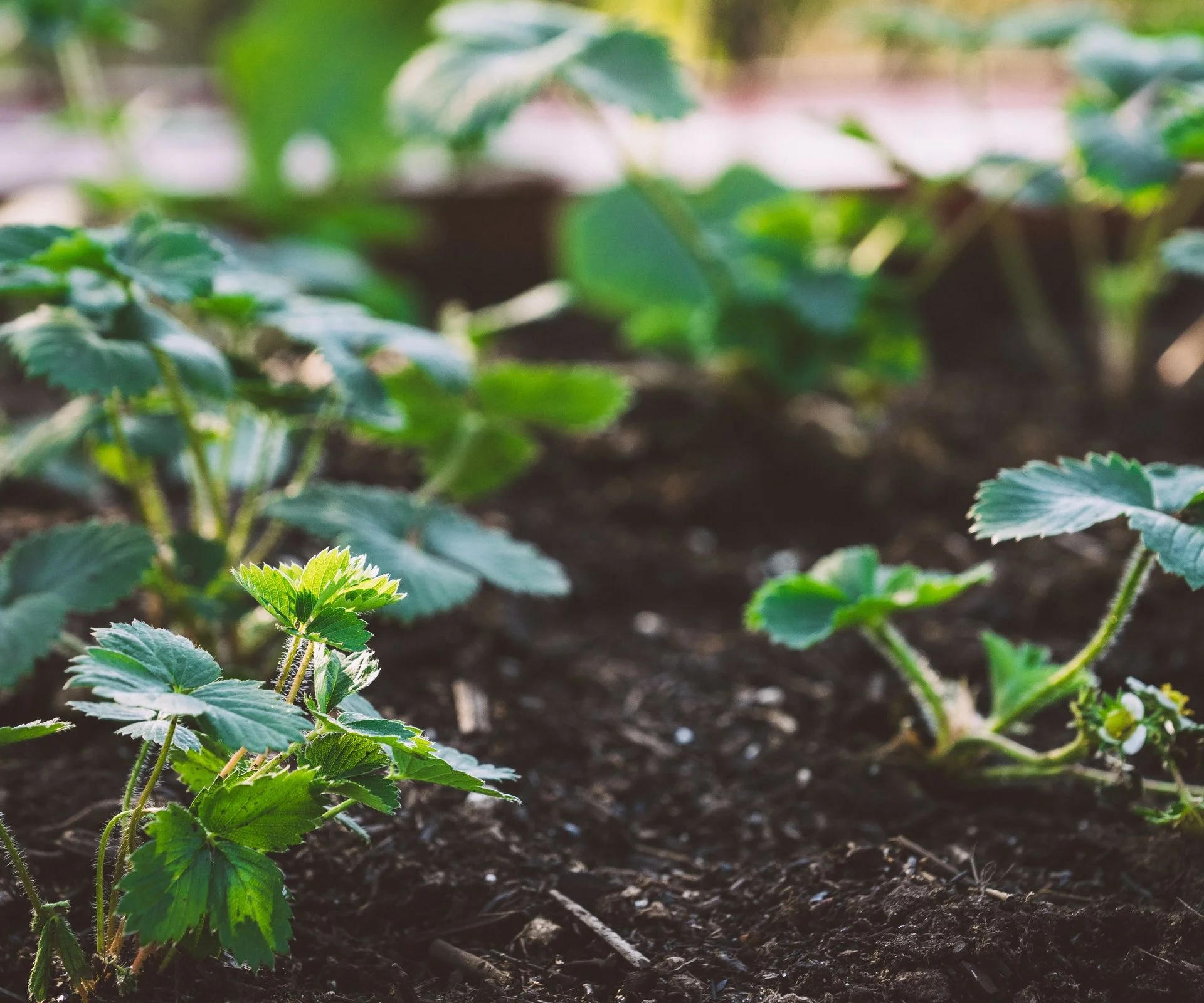
September is also the time to top-dress summer-fruiting strawberry patches with a layer of garden compost and a few handfuls of bone meal to enrich the soil. This will enhance nutrient availability as your plants prepare for winter. A nitrogen-rich fertilizer, such as Espoma Citrus Tone, promotes robust leaf growth but be sure to apply this at least 4–6 weeks before the first frosts.
Keep Plants Watered
Despite the occasional fall rains, September can still be dry. Monitor your plants closely, particularly if they’re potted. It's crucial to keep the soil moisture consistent, especially for new plantings and runners. A simple finger test can help determine if it's time to water—if the soil feels dry about an inch down, it’s time to give them a drink. Consistent hydration will set your plants up for success as they prepare for dormancy and next year's blooms.
By dedicating time this September to tidying, propagating, planting, feeding, and watering, you’ll not only ensure a productive harvest next year but also relish in the joy of nourishing and thriving strawberry plants.



Discussion
Sign in to join the discussion.