Clear your yard of fallen leaves this September to prevent hazards and prepare for winter while supporting local wildlife.
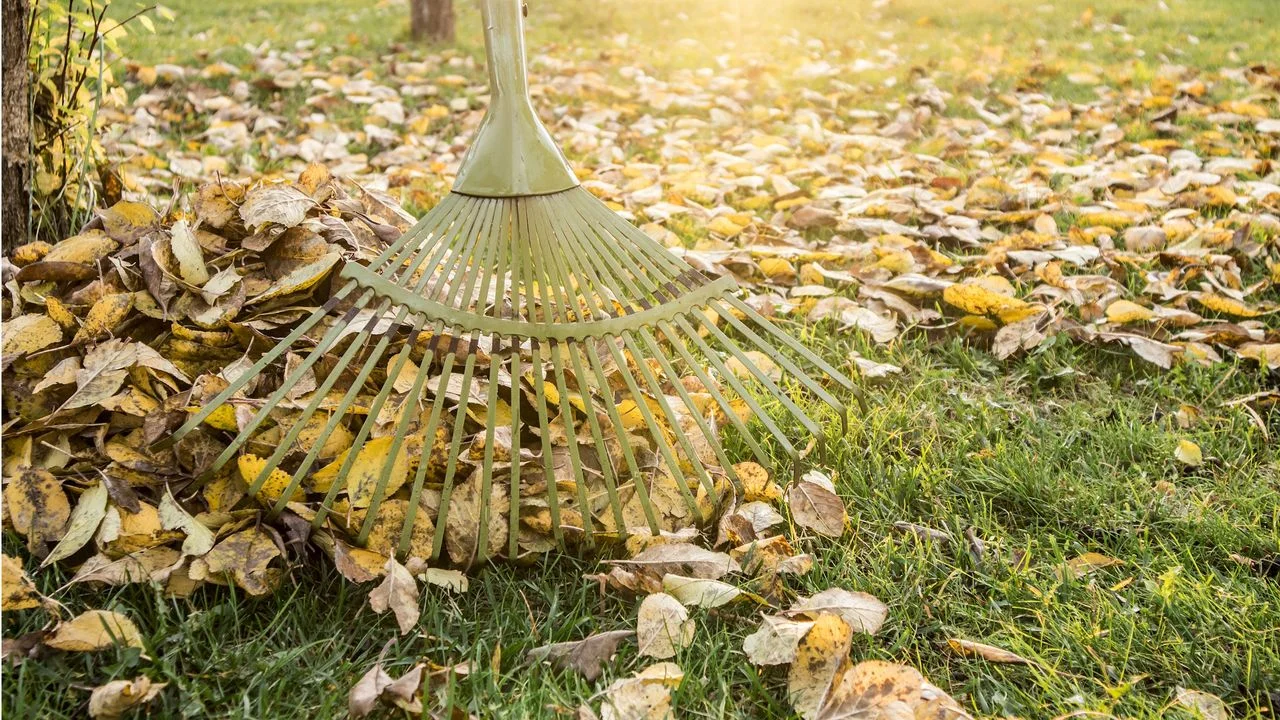
As summer's heat gives way to fall, a fresh blanket of leaves often signals the season's arrival. However, knowing whether to clear them away or leave them for ecological support can be tricky. The approach you take can significantly impact not only your yard’s tidiness but also the health of your plants and local wildlife.
Leaf removal is necessary in certain situations—when they create slippery paths, suffocate grass, or clog gutters, it's essential to act quickly. September is an ideal time to remove leaves; waiting for wetter and frostier conditions increases cleanup challenges and risks. If you’re not vigilant, what starts as a decorative layer can quickly turn into a soggy, difficult mess.
The Importance of Early Leaf Removal
Clearing leaves in September comes with several advantages. With milder temperatures, it's less labor-intensive compared to dealing with frost and ice. Leaves left to accumulate can complicate the process significantly as winter approaches, forming a dense mat that makes future removal a Herculean task. This buildup can also lead to bigger problems, including lawn disease.
Focus your attention on areas like garden paths that can become treacherous when damp. A slippery path not only poses a safety hazard but can also deter you and your family from using your outdoor spaces efficiently. Investing in a cordless leaf blower from Lowe's can speed up the removal process, making it an essential tool for any homeowner during this time of year.
Don’t overlook your lawn; leaves can smother the grass and lead to unsightly patches. A good leaf rake is practical, though larger patches are best tackled with push leaf collectors available on Amazon. This simple action can preserve the quality of your lawn, especially if you’re aiming for that lush, green look next spring.
Dense piles of leaves can trap moisture and encourage problems like powdery mildew, a fungus that can wreak havoc on your plants if left unchecked. Dispose of these leaves properly to prevent the spread of potential diseases. Composting may seem eco-friendly, but it's a double-edged sword—ensuring your compost pile is disease-free is paramount.
Also, it's wise to inspect your gutters, a task that often gets neglected. Blocked gutters can lead to expensive home repairs down the line. A gutter rake from Amazon can help clear away debris and facilitate proper water drainage, protecting your home's foundation. The gutter issue is one of those maintenance tasks that might seem trivial until it’s too late.
Beginning your leaf cleanup now allows you to collect them in a collapsible garden bag, transforming them into leaf mulch by winter. When the frost hits, you'll have mulch readily available to protect your plants, reducing the need for additional wasteful purchases. Plus, this approach can enhance soil health come spring.
Knowing When to Leave Some Leaves
However, it's also essential to consider the ecological aspects of fallen leaves. Leaving some scattered around allows wildlife to thrive during the harsher weather. These piles provide shelter for various beneficial insects and small mammals, especially as other vegetation wanes in fall. This natural habitat is essential for maintaining local biodiversity, which is more important than many realize.
As the leaves break down, they replenish the soil, simultaneously acting as a natural weed deterrent in your flower beds. This isn’t just about aesthetics; it’s about creating a self-sustaining ecosystem that can support both your garden and the local wildlife. You don’t need to let your yard become cluttered—strategically relocate some of the leaf piles to a designated area for aesthetic and ecological balance. This sort of deliberate action fosters a healthier garden while still keeping a tidy appearance in more visible areas.
Stay Proactive This September
Make fallen leaves part of your September cleanup checklist. Along with leaves, consider clearing out old mulch and spent blooms to minimize work in the spring. Taking these steps now will save time later in the season and can be the difference between a patchy garden and a vibrant one when the flowers start to bloom again. If you're working in this space, harnessing the momentum of early autumn cleanup pays off.
If you’re looking for more gardening tips, outdoor advice, and fresh ideas, subscribe to our newsletter to have the latest insights delivered right to your inbox.
Implications for Future Garden Health
The decisions you make now about leaf management have ramifications that go beyond mere aesthetics. If leaves are disposed of thoughtlessly, it can disrupt the local ecosystem and harm beneficial insect populations. Conversely, integrating leaves into your garden can improve soil quality and promote biodiversity. Understanding this balance is key for anyone serious about gardening.
What this means for you is that while it's tempting to simply sweep everything away for a tidier yard, a more thoughtful approach can yield long-term benefits. This fall, think strategically about how best to manage leaves, fostering not only a pleasing appearance but also healthier soil and more robust plant growth.



Discussion
Sign in to join the discussion.